
The placebo effect is a fascinating phenomenon that has intrigued scientists, medical professionals, and patients alike for decades. It refers to the observable improvement in a patient’s condition following the administration of a treatment that has no therapeutic value, such as a sugar pill or saline injection. This effect highlights the complex interplay between the mind and body, demonstrating that psychological factors can significantly influence physical health outcomes.
The placebo effect raises important questions about the nature of healing, the power of belief, and the ethical considerations surrounding treatment options. Historically, the placebo effect has been both celebrated and scrutinized. While it underscores the importance of patient perception and expectation in the healing process, it also challenges traditional views of medicine that prioritize pharmacological interventions.
As researchers delve deeper into this phenomenon, they uncover layers of complexity that reveal how the brain processes expectations and experiences. The exploration of the placebo effect not only enhances understanding of human psychology but also opens new avenues for improving patient care and treatment efficacy.
Key Takeaways
- The placebo effect is a powerful phenomenon in which a person experiences a real improvement in their condition due to their belief in a treatment’s effectiveness.
- Brain scans play a crucial role in studying the placebo effect by providing insight into the neurological processes involved in response to placebos.
- Brain scans confirm the placebo effect by revealing changes in brain activity and neurotransmitter release that correlate with symptom improvement.
- The placebo effect has significant implications for medical research, as it can influence the outcomes of clinical trials and the development of new treatments.
- Ethical considerations arise in clinical trials due to the potential for the placebo effect to impact participants’ well-being and the validity of study results.
The Role of Brain Scans in Studying the Placebo Effect
Advancements in neuroimaging technology have revolutionized the study of the placebo effect, allowing researchers to visualize brain activity in real-time. Techniques such as functional magnetic resonance imaging (fMRI) and positron emission tomography (PET) scans provide insights into how the brain responds to both actual treatments and placebo interventions. By examining brain activity patterns, scientists can identify specific regions involved in the placebo response, shedding light on the underlying mechanisms at play.
Brain scans have revealed that the placebo effect is not merely a psychological phenomenon; it has tangible neurobiological correlates. For instance, studies have shown that when patients believe they are receiving effective treatment, their brains activate areas associated with pain relief, reward processing, and emotional regulation. This suggests that the brain can produce real physiological changes in response to belief and expectation, further emphasizing the importance of understanding the placebo effect in clinical settings.
How Brain Scans Confirm the Placebo Effect
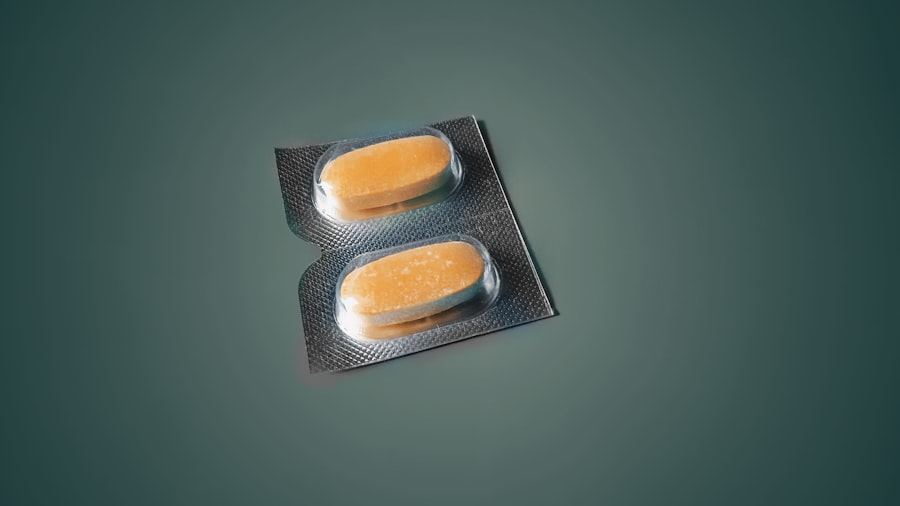
The use of brain scans has provided compelling evidence supporting the existence of the placebo effect. In various studies, participants who were informed they were receiving a treatment—whether it was a painkiller or an antidepressant—exhibited significant changes in brain activity compared to those who received no treatment at all. These findings indicate that the mere expectation of relief can trigger neural pathways associated with pain modulation and emotional well-being.
Moreover, brain scans have demonstrated that the placebo effect can be influenced by several factors, including the context in which treatment is administered and the patient’s prior experiences with similar therapies. For example, when participants were told that a particular treatment was highly effective, their brain scans showed heightened activity in regions linked to pain relief. This suggests that not only does belief play a crucial role in the placebo effect, but also that the framing of treatment can significantly impact its efficacy.
The Impact of the Placebo Effect on Medical Research
| Study | Findings |
|---|---|
| Harvard Medical School | The placebo effect can produce real changes in the brain and body, including the release of endorphins and dopamine. |
| University of California, Los Angeles | Placebos have been shown to improve symptoms in conditions such as depression, pain, and Parkinson’s disease. |
| Johns Hopkins University | Placebo treatments can have a significant impact on patient-reported outcomes, even when compared to active treatments. |
The implications of the placebo effect extend far beyond individual patient experiences; they also have profound consequences for medical research. Clinical trials often rely on placebo-controlled designs to assess the efficacy of new treatments.
The presence of a strong placebo effect can obscure the true effectiveness of a new drug, leading to challenges in determining whether a treatment is genuinely beneficial or merely capitalizing on patients’ expectations. Furthermore, recognizing the placebo effect’s role in clinical trials can inform better study designs and improve patient outcomes. By incorporating strategies that enhance patients’ expectations—such as providing thorough explanations about treatment benefits or fostering a supportive therapeutic environment—researchers may be able to amplify the positive effects of both active treatments and placebos.
This understanding encourages a more holistic approach to medical research, one that acknowledges the intricate relationship between mind and body.
The Ethical Implications of the Placebo Effect in Clinical Trials
The ethical considerations surrounding the use of placebos in clinical trials are complex and multifaceted. On one hand, placebos can serve as valuable tools for assessing new treatments’ efficacy without exposing participants to potentially harmful side effects. On the other hand, administering a placebo may raise ethical concerns regarding informed consent and patient autonomy.
Participants must be fully aware that they may receive a treatment with no active ingredients, which can lead to feelings of betrayal if they experience no improvement. Moreover, researchers must grapple with the ethical implications of withholding effective treatments from patients in favor of placebos. In cases where established therapies exist, using a placebo may be deemed unethical if it denies patients access to potentially life-saving interventions.
Balancing scientific rigor with ethical responsibility is crucial in navigating these dilemmas, prompting ongoing discussions about how best to conduct research while prioritizing patient welfare.
Understanding the Psychological Mechanisms of the Placebo Effect

The psychological mechanisms underlying the placebo effect are intricate and involve various cognitive and emotional processes. One key factor is expectation; when patients believe they will benefit from a treatment, their brains may activate pathways associated with pain relief or symptom improvement. This expectation can be shaped by numerous elements, including prior experiences with similar treatments, cultural beliefs about medicine, and even social influences from healthcare providers.
Additionally, conditioning plays a significant role in the placebo effect. Just as Pavlov’s dogs learned to associate a bell with food, patients can develop associations between specific cues—such as taking a pill or visiting a clinic—and positive health outcomes. Over time, these conditioned responses can lead to genuine improvements in symptoms even when no active treatment is administered.
Understanding these psychological mechanisms is essential for harnessing the power of the placebo effect in clinical practice.
The Potential Applications of Brain Scans in Enhancing the Placebo Effect
As researchers continue to explore the relationship between brain activity and the placebo effect, there is potential for developing strategies to enhance this phenomenon in clinical settings. Brain scans can help identify which patients are more likely to respond positively to placebos based on their neural responses and psychological profiles. By tailoring treatments to individual patients’ expectations and beliefs, healthcare providers may be able to optimize therapeutic outcomes.
Furthermore, neuroimaging could inform interventions designed to boost patients’ expectations before treatment begins. For instance, if brain scans reveal that certain cues or contexts enhance activation in areas associated with positive outcomes, clinicians could incorporate these elements into their practice. This approach not only maximizes the benefits of both active treatments and placebos but also fosters a more patient-centered model of care.
The Influence of Expectations on the Placebo Effect
Expectations are central to understanding how the placebo effect operates. Research has consistently shown that patients who hold positive expectations about their treatment are more likely to experience beneficial outcomes. This phenomenon underscores the importance of communication between healthcare providers and patients; how information is conveyed can significantly impact patients’ beliefs about their treatment’s effectiveness.
Moreover, expectations can be influenced by various factors beyond direct communication. Cultural beliefs about health and illness, previous experiences with treatments, and even media portrayals of medical interventions can shape how individuals perceive their likelihood of recovery.
The Neurobiological Basis of the Placebo Effect
The neurobiological basis of the placebo effect involves complex interactions between various neurotransmitters and brain regions. Research has identified key players such as dopamine, endorphins, and serotonin as critical components in mediating the effects of placebos. For instance, dopamine release has been linked to reward processing and motivation; when patients expect relief from pain or other symptoms, their brains may release dopamine in anticipation of positive outcomes.
Additionally, brain regions such as the prefrontal cortex and anterior cingulate cortex have been implicated in modulating pain perception and emotional responses associated with treatment expectations. These findings highlight that while belief plays a significant role in eliciting placebo responses, there are also tangible neurochemical changes occurring within the brain that contribute to symptom relief.
The Future of Studying the Placebo Effect with Brain Scans
As technology continues to advance, future studies on the placebo effect will likely become even more sophisticated and nuanced. Researchers may develop new imaging techniques that allow for more precise measurements of brain activity during placebo interventions or explore genetic factors that influence individual responses to placebos. Such advancements could lead to personalized medicine approaches that leverage patients’ unique psychological profiles to optimize treatment outcomes.
Moreover, interdisciplinary collaborations between neuroscientists, psychologists, and medical professionals will be essential for deepening understanding of this complex phenomenon. By integrating insights from various fields, researchers can develop comprehensive models that account for both biological and psychological factors influencing the placebo effect. This holistic approach will pave the way for innovative strategies aimed at harnessing the power of belief in enhancing patient care.
Implications for Healthcare and Beyond
The implications of understanding the placebo effect extend far beyond academic curiosity; they hold significant potential for transforming healthcare practices and improving patient outcomes. By recognizing the power of belief and expectation in shaping health experiences, healthcare providers can adopt more holistic approaches that prioritize not only pharmacological interventions but also psychological support. As research continues to unveil the intricate connections between mind and body through techniques like brain imaging, there is hope for developing more effective treatments that harness these insights.
Ultimately, embracing the complexities of human psychology within medical practice may lead to more compassionate care models that empower patients on their healing journeys while fostering a deeper understanding of what it means to be truly well.
Recent studies have provided compelling evidence of the placebo effect through brain scan technology, revealing how belief and expectation can significantly alter brain activity. An article on Freaky Science delves into this fascinating topic, exploring how these scans demonstrate the brain’s remarkable ability to influence physical health outcomes. For more in-depth information on this subject, you can read the related article on their website by following this link.
WATCH THIS! 🧪The Placebo Effect Is Completely Fake
FAQs
What is the placebo effect?
The placebo effect is a phenomenon in which a person experiences a real improvement in their condition after receiving a treatment that has no therapeutic effect. This improvement is attributed to the person’s belief in the treatment rather than the treatment itself.
What is brain scan evidence of the placebo effect?
Brain scan evidence of the placebo effect comes from studies using neuroimaging techniques such as functional magnetic resonance imaging (fMRI) and positron emission tomography (PET) scans. These studies have shown that the brain’s response to a placebo treatment can lead to changes in neural activity and neurotransmitter release, which may contribute to the observed improvements in symptoms.
How does the brain respond to a placebo treatment?
The brain’s response to a placebo treatment involves the activation of various regions associated with pain modulation, reward processing, and emotion regulation. This can lead to the release of endogenous opioids, dopamine, and other neurotransmitters, which may contribute to the placebo effect.
What conditions have shown evidence of the placebo effect in brain scans?
The placebo effect has been observed in brain scans for a variety of conditions, including pain, depression, anxiety, Parkinson’s disease, and irritable bowel syndrome. These studies have provided insights into the neural mechanisms underlying the placebo effect across different health conditions.
What are the implications of brain scan evidence for the placebo effect?
Brain scan evidence for the placebo effect suggests that the mind-body connection plays a significant role in health and healing. Understanding the neural mechanisms of the placebo effect may lead to the development of more effective treatments and interventions that harness the power of the mind to improve health outcomes.