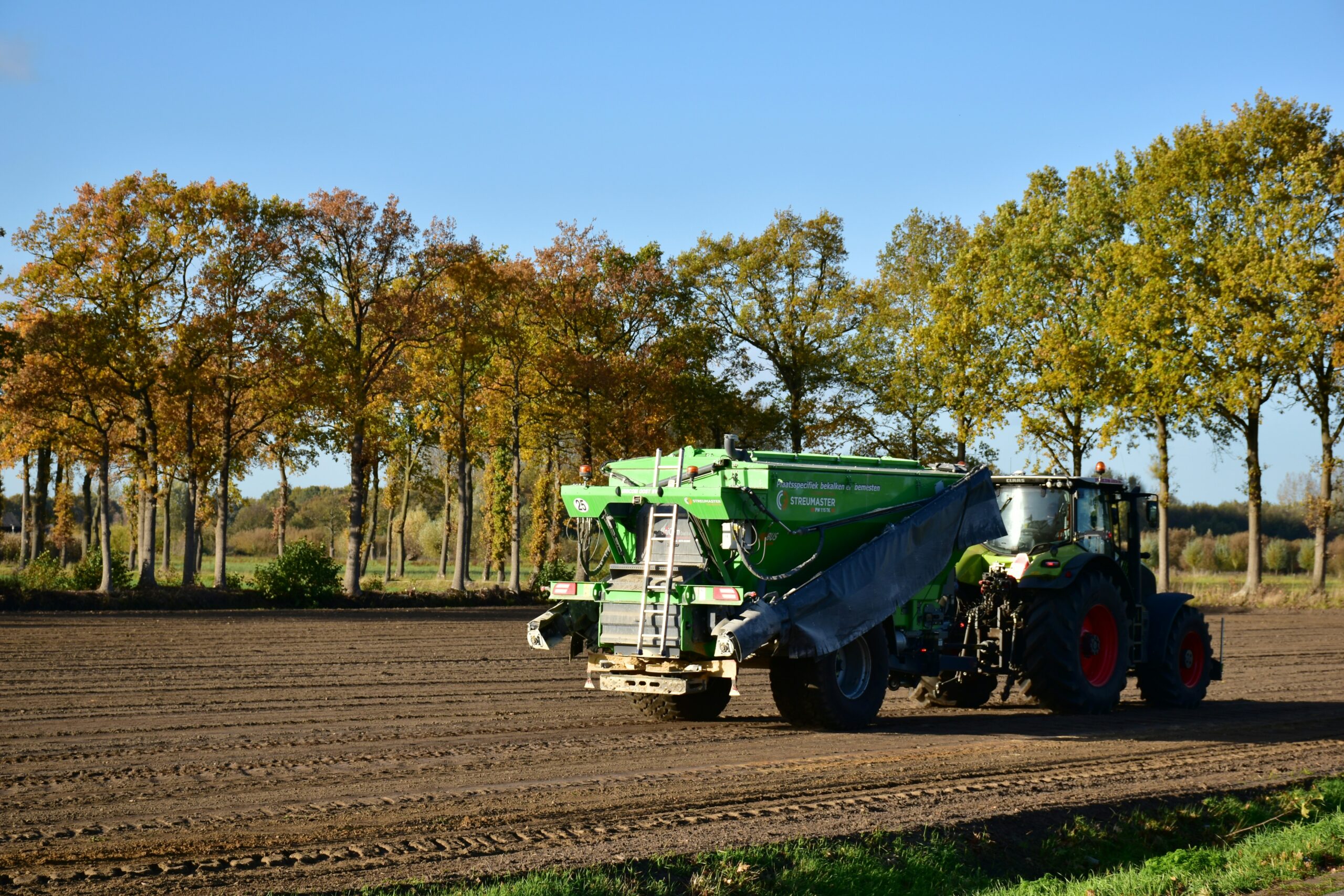
You stand at the precipice of a monumental challenge: feeding a burgeoning global population, a task that grows more complex with each passing year. The year 2050 looms, a stark reminder of the billions more mouths you’ll need to nourish. The question echoing through agricultural research labs, policy debates, and dinner table conversations is: how will you achieve this? While a multifaceted approach involving crop genetics, sustainable farming practices, and reduced food waste is crucial, one element has consistently been a bedrock of modern agriculture, enabling you to feed more people with less land: nitrogen fertilizer. You might think of it as a simple chemical, but its impact on global food production is profound, a silent architect of abundance that has fundamentally reshaped humanity’s ability to thrive. Understanding its role, its benefits, and the responsible ways you can harness its power is essential for ensuring a food-secure future.
You can’t talk about boosting food production without understanding why nitrogen is so vital. Think of plants as tiny, incredibly efficient factories, and nitrogen as one of their most critical raw materials. It’s not just a component; it’s a fundamental building block.
Nitrogen: The Backbone of Proteins and DNA
At the cellular level, nitrogen is an integral part of amino acids, the monomers that assemble into proteins. Proteins are the workhorses of any living organism, and plants are no exception. They are enzymes that catalyze virtually every biochemical reaction necessary for growth, from photosynthesis to nutrient uptake. Without sufficient amino acids, and therefore proteins, plants simply cannot function. This means stunted growth, limited leaf development, and a reduced capacity to produce fruits, grains, or vegetables – the very food you rely on.
Furthermore, nitrogen is a core component of nucleic acids, specifically DNA and RNA. These molecules carry the genetic blueprint and are essential for protein synthesis and cellular replication. Imagine trying to build a complex structure without the blueprints or the instructions for assembly; that’s what a nitrogen-deficient plant faces. The ability of a plant to grow, reproduce, and ultimately yield food is directly tied to its capacity to synthesize these vital molecules.
Photosynthesis: The Engine of Plant Growth
You know that photosynthesis is how plants convert sunlight, water, and carbon dioxide into energy (sugars) and oxygen. But did you know that a key component of the photosynthetic machinery is nitrogen-rich? Specifically, chlorophyll, the green pigment that captures light energy, contains nitrogen. A deficiency in nitrogen directly impairs chlorophyll production, leading to yellowing leaves (chlorosis) and a significantly reduced ability to photosynthesize. This diminished energy production cascades through the entire plant, limiting its growth potential and its ability to produce biomass, which translates directly into food yield. You can’t drive a car without fuel, and a plant can’t photosynthesize effectively without the nitrogen it needs to build its light-capturing apparatus.
Nitrogen and Yield: A Direct Correlation
The impact of nitrogen on yield is not theoretical; it’s a demonstrable reality. Across a vast array of crops, from wheat and corn to rice and potatoes, you will find a strong, positive correlation between nitrogen availability and harvestable yield. When plants have access to adequate nitrogen, they can develop larger root systems, more robust stems, and more extensive leaf canopies, all of which contribute to increased photosynthetic activity and, ultimately, greater fruit or grain production. This is why, for decades, farmers have relied on nitrogen fertilizers to unlock the genetic potential of their crops and achieve the yields necessary to feed a growing world. Without this readily available source of nitrogen, the yields you experience today would be drastically lower, and the food security challenges you face would be insurmountable.
Nitrogen fertilizers play a crucial role in enhancing global food production, as they significantly increase crop yields and improve soil fertility. However, the overuse of these fertilizers can lead to environmental issues such as water pollution and greenhouse gas emissions. For a deeper understanding of the impact of nitrogen fertilizers on agriculture and their implications for food security, you can read a related article at Freaky Science. This resource provides valuable insights into the balance between maximizing agricultural output and maintaining ecological health.
The Historical Evolution of Nitrogen Fertilization
You might take nitrogen fertilizer for granted, but its widespread availability is a relatively recent phenomenon in human history, a testament to scientific ingenuity and technological advancement. Its evolution has been a journey from natural limitations to engineered abundance.
The Pre-Fertilizer Era: A World Bound by Natural Cycles
Before the advent of synthetic nitrogen fertilizers, you were largely at the mercy of natural nitrogen cycles. Leguminous crops, like beans and peas, could fix atmospheric nitrogen into the soil, but this was a slow and limited process. Crop rotation was essential, involving periods where land lay fallow or was used for grazing animals whose manure provided nutrients. This system, while sustainable in its own way, severely restricted the amount of food that could be produced per unit of land. Famines were a recurring threat, and the global population grew at a much slower pace, constrained by the natural limits of agricultural productivity. You were living in a world where food scarcity was the norm, not the exception.
The Haber-Bosch Process: A Technological Revolution
The game-changer, the event that fundamentally altered your relationship with food production, was the development of the Haber-Bosch process in the early 20th century. This groundbreaking industrial process, spearheaded by Fritz Haber and Carl Bosch, allowed for the synthesis of ammonia from atmospheric nitrogen and hydrogen under high pressure and temperature. Ammonia is the direct precursor to most nitrogen fertilizers. Suddenly, you had a virtually limitless source of nitrogen, independent of natural cycles and manure. This was a turning point, often hailed as one of the most significant technological achievements of the 20th century, enabling the agricultural revolution that has sustained modern populations. You were no longer tethered to the slow pace of natural processes.
The Green Revolution and the Rise of High-Yielding Varieties
The Haber-Bosch process didn’t just provide the raw material; it enabled the Green Revolution. This period, primarily in the mid-20th century, saw the development of new, high-yielding crop varieties that were specifically bred to respond to increased inputs, particularly nitrogen fertilizer. These varieties, coupled with improved irrigation and pest control, dramatically increased crop yields in many parts of the world, averting widespread famine and transforming agricultural landscapes. You witnessed a dramatic shift in productivity, allowing more food to be grown on existing land.
Boosting Food Production: The Direct Impact of Nitrogen Fertilization
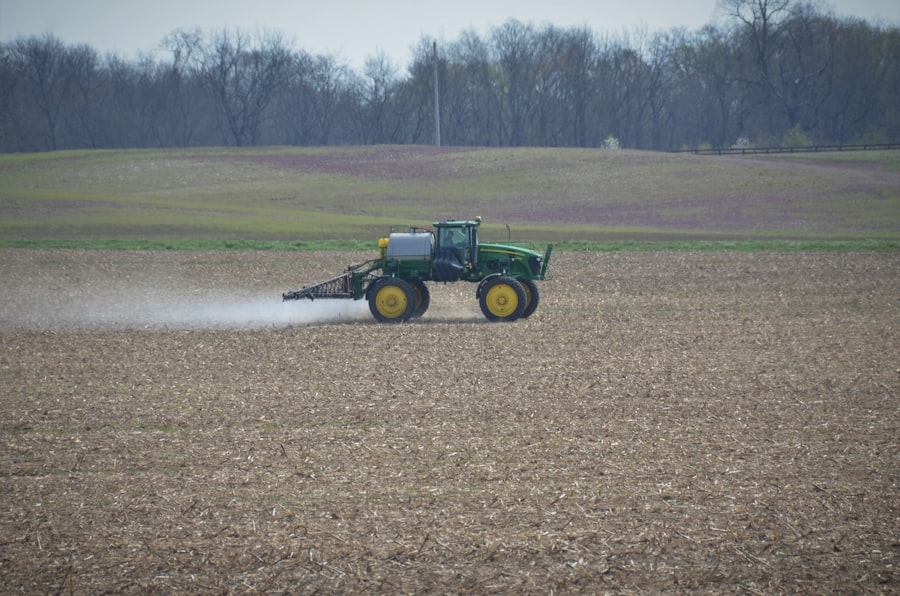
The most immediate and undeniable impact of nitrogen fertilizer is its direct contribution to increasing crop yields. You can see this in fields across the globe, where treated crops stand taller, greener, and more abundant than their untreated counterparts.
Enhanced Crop Growth and Biomass Accumulation
When you apply nitrogen fertilizer to your crops, you are essentially providing them with a readily available source of a critical nutrient. This allows plants to invest more energy in growth and development. You’ll observe faster germination, more vigorous seedling growth, and a more extensive root system, which in turn improves water and nutrient uptake. The leaves become larger and darker green, indicating a higher concentration of chlorophyll and thus a greater capacity for photosynthesis. This increased photosynthetic activity leads to a significant accumulation of biomass – the total organic matter of a plant, which directly translates into the edible parts you harvest. You are enabling your crops to reach their full genetic potential, producing more grain, more fruit, or more vegetables.
Increased Yields of Staple Crops
The impact is most pronounced in staple crops that form the foundation of global diets. Think about wheat, rice, and corn – the primary calorie sources for billions. Research and real-world farming practices consistently demonstrate that nitrogen fertilization is a key driver of increased yields for these crops. Without it, the amount of grain produced per hectare would plummet, making it impossible to meet current global demand. You would be looking at a significantly smaller harvest from the same amount of land, a scenario that spells widespread food insecurity.
Improving Nutritional Content (to a degree)
While the primary benefit of nitrogen fertilizer is yield, it also plays a role in the nutritional quality of crops, albeit a more nuanced one. Nitrogen is a component of proteins, and increased protein content can be a desirable trait in certain crops, like wheat. Higher protein levels can improve baking quality and contribute to the overall nutritional value of bread. However, it’s important to note that simply adding more nitrogen doesn’t automatically create a superfood. The optimal levels need to be maintained, and other essential nutrients also play crucial roles in overall crop health and nutritional profile. You’re not just getting more food; in some cases, you’re also getting food with a potentially improved protein content.
Optimizing Nitrogen Use for Sustainability and Efficiency
While the benefits of nitrogen fertilizer are clear, you are also increasingly aware of the environmental implications of its overuse. The challenge lies not in abandoning nitrogen, but in using it more intelligently, ensuring you boost production without compromising the health of your planet.
Precision Agriculture and Variable Rate Application
You are moving away from a one-size-fits-all approach. Precision agriculture technologies, such as GPS-guided tractors, soil sensors, and drone imagery, allow you to understand the specific needs of different parts of your fields. Variable rate application means you can apply nitrogen fertilizer precisely where and when it’s needed, in the exact amounts required. This reduces waste, minimizes nutrient runoff into waterways, and ensures your crops are getting the optimal dose for maximum yield. You are no longer blindly applying, but making informed, data-driven decisions.
Slow-Release and Controlled-Release Fertilizers
The development of enhanced-efficiency fertilizers is another key strategy. Slow-release and controlled-release formulations are designed to release nitrogen gradually over time, matching the plant’s uptake patterns. This prevents rapid nutrient losses through leaching or volatilization, meaning more of the applied nitrogen is available to the crop. You are ensuring that the fertilizer you apply is working for your plants over a longer period, rather than being lost to the environment.
Integrated Nutrient Management and Soil Health
Nitrogen fertilizer is not a silver bullet; it’s part of a larger system. Integrated Nutrient Management (INM) emphasizes the importance of combining synthetic fertilizers with organic sources of nutrients, such as compost and cover crops. Healthy soils, rich in organic matter, improve nutrient retention, reduce the need for synthetic inputs, and enhance overall soil structure and water-holding capacity. You are recognizing that a healthy ecosystem is the foundation for productive agriculture.
The use of nitrogen fertilizer has become a critical factor in enhancing global food production, as it significantly boosts crop yields. A related article discusses the intricate balance between fertilizer application and environmental sustainability, highlighting the challenges and innovations in agricultural practices. For more insights on this topic, you can read the article on the importance of nitrogen in farming by visiting Freaky Science. Understanding these dynamics is essential for ensuring food security in the face of a growing global population.
Addressing the Environmental Challenges of Nitrogen Fertilization
| Year | Nitrogen Fertilizer Use (million tonnes) | Global Food Production (billion tonnes) |
|---|---|---|
| 2000 | 87 | 1.8 |
| 2005 | 101 | 2.1 |
| 2010 | 107 | 2.5 |
| 2015 | 110 | 2.9 |
| 2020 | 115 | 3.3 |
You understand that every powerful tool comes with responsibilities. The widespread use of nitrogen fertilizer, while essential for food security, has also presented environmental challenges that you are actively working to mitigate.
Nitrous Oxide Emissions: A Potent Greenhouse Gas
One of the primary environmental concerns is the emission of nitrous oxide (N₂O), a potent greenhouse gas. When nitrogen fertilizers are applied to the soil, microbial processes can convert some of the nitrogen into N₂O, which is then released into the atmosphere. This contributes to climate change. You are investing in research and implementing farming practices that minimize N₂O emissions, such as improved soil management, precise application timing, and the use of nitrification inhibitors. You are looking for ways to harness nitrogen’s power without fueling climate change.
Water Quality Degradation: Eutrophication
Another significant issue is the potential for nitrogen to leach from agricultural fields into rivers, lakes, and coastal waters. When excess nitrogen enters these water bodies, it can lead to eutrophication – a process where algae bloom excessively, depleting oxygen and harming aquatic life. This creates “dead zones” in oceans and degrades freshwater ecosystems. You are implementing strategies like buffer strips along waterways, cover cropping, and optimized irrigation to reduce nutrient runoff and protect water quality. You are safeguarding your natural water resources.
Air Quality and Human Health
While less direct than water or climate impacts, nitrogen compounds can also affect air quality. Ammonia emissions from fertilizers can contribute to the formation of fine particulate matter, which has been linked to respiratory problems. You are exploring technologies and practices that reduce ammonia volatilization, contributing to cleaner air for your communities. You are considering the broader impact on public health.
By embracing innovation and responsible stewardship, you can continue to leverage the immense power of nitrogen fertilizer to nourish a growing world, ensuring both abundance and environmental integrity for generations to come. The future of food security, and indeed the health of your planet, depends on your ability to strike this crucial balance.
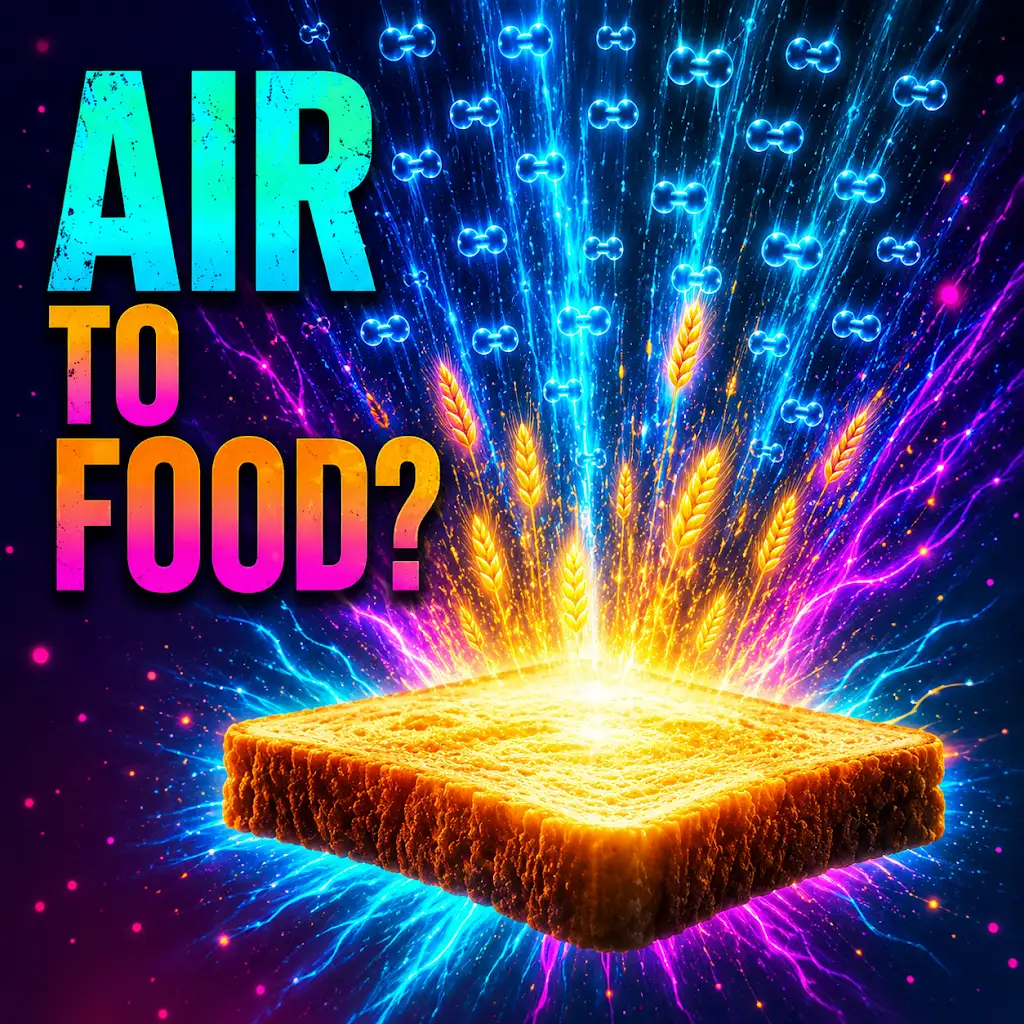
We Figured Out How to Turn Air Into Food
FAQs
What is nitrogen fertilizer and how does it impact global food production?
Nitrogen fertilizer is a type of fertilizer that provides plants with the essential nutrient nitrogen, which is crucial for their growth and development. It is widely used in agriculture to increase crop yields and improve food production on a global scale.
How does nitrogen fertilizer affect the environment?
While nitrogen fertilizer is beneficial for crop growth, its excessive use can lead to environmental problems such as water pollution, soil degradation, and air pollution. The runoff of nitrogen from fertilized fields can contribute to the eutrophication of water bodies, leading to harmful algal blooms and oxygen depletion.
What are the alternatives to nitrogen fertilizer in agriculture?
There are several alternatives to nitrogen fertilizer, including crop rotation, cover cropping, organic fertilizers, and the use of nitrogen-fixing plants such as legumes. These methods can help reduce the reliance on synthetic nitrogen fertilizers and minimize their environmental impact.
How does nitrogen fertilizer impact food security and global hunger?
Nitrogen fertilizer plays a crucial role in increasing crop yields and ensuring food security on a global scale. By providing plants with the necessary nutrients for growth, nitrogen fertilizer helps to boost agricultural productivity and meet the growing demand for food, thus contributing to the fight against global hunger.
What are the challenges associated with the use of nitrogen fertilizer in agriculture?
The main challenges associated with the use of nitrogen fertilizer in agriculture include its environmental impact, such as water and air pollution, as well as its contribution to greenhouse gas emissions. Additionally, the overuse of nitrogen fertilizer can lead to soil degradation and nutrient imbalances, posing long-term challenges for sustainable food production.