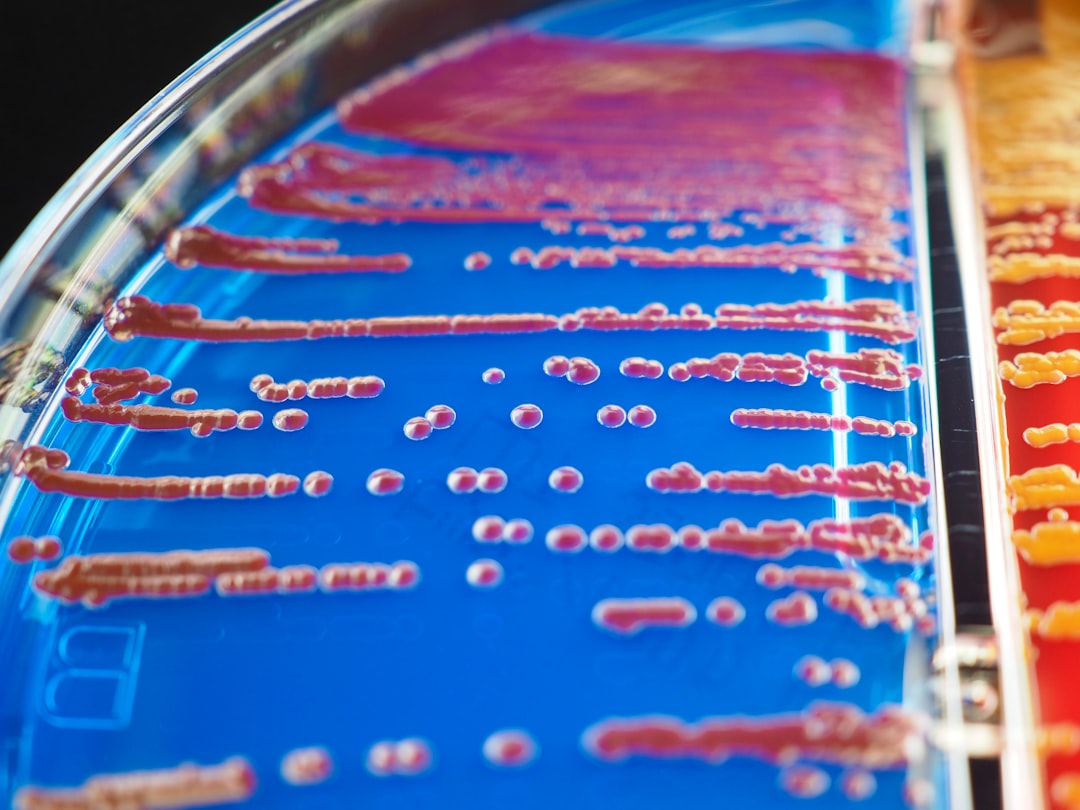
Your body is a bustling metropolis, teeming with an invisible population of trillions of microbes – bacteria, viruses, fungi, and more. You might think of these as invaders, but in reality, many are your essential partners, aiding digestion, training your immune system, and even influencing your mood. However, when genuine threats arrive – the kind that make you feel genuinely ill – your body boasts an incredibly sophisticated internal security force, a finely tuned Microbe Detection System that works tirelessly to keep you safe. You are not helpless against these microscopic adversaries; you are equipped with an innate surveillance network that is constantly on alert. This article delves into that remarkable defense mechanism, explaining how your body first identifies a microbial threat and then mobilizes its response. You’ll discover the intricate cellular machinery, the chemical alarm signals, and the specialized sentinels that make up this vital system, allowing you to appreciate the constant, quiet vigilance happening within you.
When a harmful microbe breaches your defenses – perhaps through a cut in your skin or an inhalation into your lungs – it doesn’t go unnoticed for long. Your body’s first line of defense is equipped with specialized sensors, akin to tiny alarm systems, that can immediately recognize the molecular signatures of these dangerous invaders. This initial recognition is crucial, as it triggers a cascade of events that will ultimately lead to the elimination of the threat. You might be completely unaware of this initial detection, but it’s the foundational step in protecting you from infection.
Pattern Recognition Receptors: The Molecular Snapshots
At the heart of your body’s microbial detection system are specialized proteins called Pattern Recognition Receptors (PRRs). These receptors are not designed to recognize every single type of microbe, which would be an impossible task. Instead, they are honed to identify conserved molecular patterns that are common to broad classes of microbes but are generally absent from your own healthy cells. Think of these as molecular snapshots, recognizing the general “look” of a troublemaker rather than a specific individual.
Toll-Like Receptors (TLRs): The Versatile Sentinels
Among the most important PRRs are the Toll-like Receptors (TLRs). You possess a variety of TLRs, each tailored to recognize different microbial components. For instance, TLR4 is adept at recognizing lipopolysaccharide (LPS), a component of the outer membrane of Gram-negative bacteria – a common culprit in many infections. TLR2, on the other hand, can detect lipoproteins and peptidoglycans found in the cell walls of both Gram-positive and Gram-negative bacteria. TLR9 is particularly noteworthy for its ability to sense unmethylated CpG DNA, a genetic sequence prevalent in bacterial and viral DNA but uncommon in human DNA. These TLRs can be found on the surface of cells, where they encounter extracellular enemies, or within cellular compartments, ready to detect microbes that have managed to gain entry.
NOD-Like Receptors (NLRs): The Intracellular Investigators
While TLRs primarily patrol the exterior or compartments where microbes might reside after internalization, NOD-like Receptors (NLRs) are primarily found within the cytoplasm of your cells. They are designed to detect intracellular microbial components, such as fragments of peptidoglycan that have escaped the bacterial cell wall and entered your own cellular environment. NLRs are crucial for detecting intracellular pathogens that have established themselves within your cells.
RIG-I-Like Receptors (RLRs): The Viral Surveillance Network
For viruses, which replicate within your cells, a different set of PRRs is on duty. RIG-I-Like Receptors (RLRs), such as RIG-I and MDA5, are specialized to detect viral RNA or DNA within the cytoplasm. These receptors are particularly important for sensing the presence of viruses that are actively replicating inside your cells, triggering a potent antiviral response.
Danger Signals: Beyond Direct Microbial Recognition
It’s not just the microbes themselves that can set off alarms. Your body’s detection system also responds to signals of cellular distress or damage. When your cells are injured, either by a direct attack from a microbe or by other forms of trauma, they release a variety of molecules known as DAMPs (Damage-Associated Molecular Patterns). These DAMPs act as a secondary alarm, alerting the immune system to a problem even if the initial microbial signature hasn’t been definitively identified.
DAMPs: The Cry for Help from Damaged Cells
DAMPs include a diverse range of molecules. Examples include ATP (adenosine triphosphate), uric acid crystals, and fragments of intracellular proteins like HMGB1. When released from damaged or dying cells, these molecules can bind to their own set of receptors on immune cells, amplifying the alarm and attracting immune cells to the site of injury. This means that even if a pathogen manages to evade immediate recognition by its molecular signature, the damage it causes will still broadcast a distress signal.
The human body has an intricate system for detecting microbes, utilizing various immune cells and signaling pathways to identify and respond to pathogens. For a deeper understanding of this fascinating process, you can explore the article on microbial detection and immune responses at Freaky Science. This resource provides valuable insights into how our immune system recognizes harmful microorganisms and the mechanisms it employs to protect us from infections.
The Cellular Responders: Your First Wave of Defense
Once a microbial threat is detected, your body doesn’t just stand by. Specialized cells are programmed to act as the immediate responders, rushing to the scene to contain and neutralize the invasion. These cells are your first line of defense, working rapidly and decisively to prevent the spread of infection. You have a highly effective, built-in rapid deployment force.
Phagocytes: The Cellular Clean-Up Crew
The most prominent among these early responders are phagocytes, literally meaning “eating cells.” These are a diverse group of immune cells that engulf and digest foreign particles, including bacteria, viruses, and cellular debris. They are the tireless clean-up crew, constantly patrolling your tissues and ready to devour any intruders they encounter.
Neutrophils: The Most Abundant and Agile
Neutrophils are the most abundant type of white blood cell in your body and are often the first responders to sites of infection. They are highly mobile, capable of squeezing through blood vessel walls and migrating rapidly to the source of the alarm. Once at the scene, they engulf bacteria through phagocytosis, trapping them within a cellular compartment called a phagosome. Inside the phagolysosome, a potent cocktail of enzymes and reactive oxygen species is deployed to kill and degrade the ingested microbes.
Macrophages: The Versatile Engulfers and Coordinators
Macrophages are larger phagocytic cells that are also crucial in the early stages of infection. They are found in various tissues throughout your body and have a more sustained presence than neutrophils. Macrophages not only engulf pathogens but also play a vital role in signaling to other immune cells, acting as intermediaries to orchestrate a more robust immune response. They can also present fragments of the ingested microbes to other immune cells, initiating a more specific adaptive immune response.
Dendritic Cells: The Crucial Message Carriers
Dendritic cells (DCs) are another critical type of immune cell involved in microbial detection and response. While they can engulf pathogens, their primary role is that of antigen-presenting cells (APCs). They capture microbial antigens, process them, and then travel to lymph nodes to present these antigens to T lymphocytes, thereby initiating the adaptive immune response. They are the vital messengers, bridging the gap between the innate and adaptive arms of your immune system.
Chemical Warfare: Unleashing the Arsenal
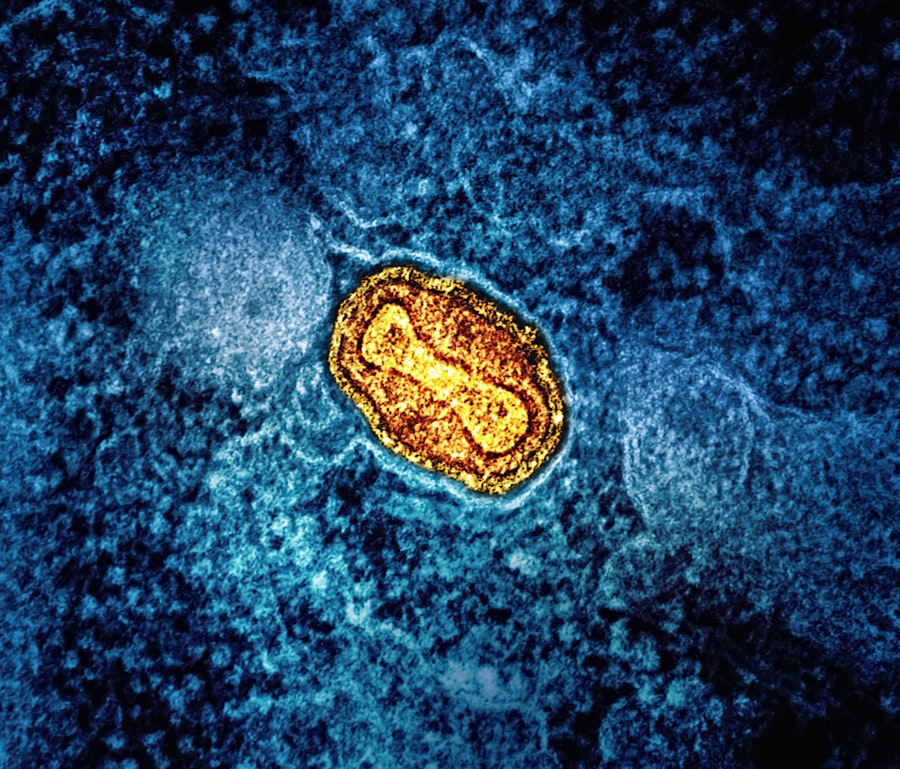
Beyond cellular action, your body unleashes a sophisticated chemical arsenal to combat microbial invaders. These chemical signals and molecules act as potent weapons, either directly killing microbes or creating an inhospitable environment for them. You are not just passively responding; you are actively fighting with a chemical arsenal.
Cytokines: The Communication Network
Cytokines are small proteins that act as signaling molecules, allowing your immune cells to communicate with each other and with other cells in your body. When a microbe is detected, infected or damaged cells, as well as early responding immune cells, release a symphony of cytokines. These cytokines can have a wide range of effects, from recruiting more immune cells to the site of infection to inducing fever, a classic symptom of illness that can actually hinder microbial growth.
Pro-inflammatory Cytokines: The Alarm Bells and Mobilizers
Key pro-inflammatory cytokines include Tumor Necrosis Factor-alpha (TNF-α) and Interleukin-1 (IL-1) and Interleukin-6 (IL-6). These potent signals act like flares, attracting immune cells, increasing blood flow to the affected area (leading to redness and swelling), and raising body temperature. They are essential for amplifying the immune response and making the environment less hospitable for pathogens.
Interferons: The Antiviral Sentinels
When viral invaders are detected, cells release interferons. These signaling molecules don’t directly kill viruses, but they alert neighboring uninfected cells to the presence of a viral threat. This “primes” these cells to resist infection by blocking viral entry or replication. Interferons are a powerful example of your body’s preemptive defense strategies.
Complement System: The Protein Powerhouse
The complement system is a complex cascade of proteins found in your blood that can be activated directly by microbes or by antibodies bound to microbes. Once activated, this system unleashes a potent attack:
Opsonization: Marking for Destruction
Some complement proteins act as opsonins, coating the surface of microbes. This coating makes it easier for phagocytes to recognize and engulf them, effectively “tagging” the invaders for destruction. Think of it as painting a bulls-eye on the enemy.
Direct Lysis: Punching Holes in the Enemy
Other complement proteins assemble into a membrane attack complex (MAC), which can punch holes directly into the cell membrane of bacteria and some viruses, causing them to burst and die. This is a direct, devastating attack on the structural integrity of the pathogen.
Inflammation Amplification
Certain complement components also act as chemoattractants, further recruiting immune cells to the site of infection, amplifying the inflammatory response.
Fine-Tuning the Response: Precision and Specificity
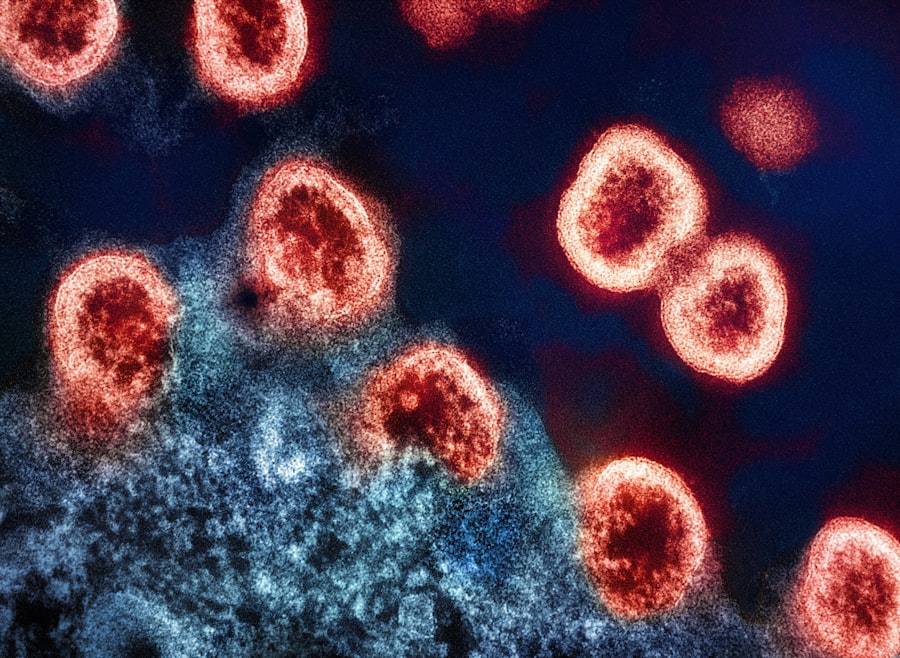
While the initial detection and cellular responses are crucial, your body possesses mechanisms to fine-tune and amplify these actions, ensuring a targeted and effective elimination of the threat. This fine-tuning is what distinguishes a mild inconvenience from a life-threatening infection.
Antigen Presentation and T Cell Activation: The Targeted Strike
As mentioned earlier, dendritic cells are key to initiating the adaptive immune response. After engulfing a microbe and processing its components, they travel to lymph nodes. Here, they present these microbial fragments, known as antigens, to T lymphocytes.
Helper T Cells (CD4+ T cells): The Commanders
Helper T cells are crucial for orchestrating the adaptive immune response. When a helper T cell recognizes a specific antigen presented by an APC, it becomes activated. Activated helper T cells then release cytokines that boost the activity of other immune cells, including cytotoxic T cells and B cells, directing them to the site of infection and enhancing their killing or antibody-producing capabilities. They are the strategic commanders of the adaptive immune army.
Cytotoxic T Cells (CD8+ T cells): The Assassins
Cytotoxic T cells are the “killer” cells of the adaptive immune system. They are responsible for directly identifying and destroying infected host cells or cancerous cells. When a cytotoxic T cell recognizes a viral antigen presented on the surface of an infected cell, it binds to that cell and releases toxic molecules that induce programmed cell death (apoptosis) in the infected cell, thereby eliminating the source of viral replication.
B Cells and Antibody Production: The Molecular Missiles
B cells are another critical component of the adaptive immune system. When activated by helper T cells and their specific antigen, B cells differentiate into plasma cells, which are antibody-producing factories.
Antibodies: The Precision Weapons
Antibodies are Y-shaped proteins that are highly specific for particular antigens on the surface of microbes. Once produced, they circulate in your blood and lymph, ready to bind to the invading pathogens. Antibodies can neutralize microbes in several ways:
- Neutralization: Antibodies can bind to viral particles or toxins produced by bacteria, preventing them from attaching to and entering host cells.
- Opsonization: As mentioned with the complement system, antibodies can also act as opsonins, coating microbes and making them easier for phagocytes to engulf.
- Complement Activation: Antibody binding to a microbe can trigger the activation of the complement system, leading to microbial lysis.
The human body has an intricate system for detecting microbes, which plays a crucial role in our immune response. This detection process involves various cells and signaling pathways that work together to identify harmful pathogens. For a deeper understanding of how our immune system recognizes and responds to these invaders, you can explore a related article that delves into the fascinating mechanisms of microbial detection in the body. Check it out here to learn more about this essential aspect of human health.
Resolution and Memory: Learning from the Encounter
| Method | Description |
|---|---|
| Physical barriers | Skin and mucous membranes act as physical barriers to prevent microbes from entering the body. |
| Immune cells | White blood cells such as macrophages and neutrophils detect and destroy microbes. |
| Antibodies | Specialized proteins that recognize and neutralize specific microbes. |
| Complement system | A group of proteins that help immune cells to kill microbes. |
Once the microbial threat has been successfully neutralized, your body doesn’t simply forget the encounter. It enters a phase of resolution, clearing away the debris and initiating a process of immunological memory, ensuring a faster and more robust response should you encounter the same pathogen again. This is arguably the most remarkable aspect of your immune system – its capacity to learn and adapt.
Clearing the Debris: Restoring Order
Following the elimination of the pathogen, phagocytic cells like macrophages continue to work, engulfing any remaining microbial debris, dead pathogens, and dying host cells. This cleaning-up process is essential for tissue repair and preventing further inflammation. Your body meticulously cleans the battlefield to restore equilibrium.
Immunological Memory: The Rehearsal for the Future
The development of immunological memory is a hallmark of the adaptive immune response. After an infection, some of the activated T and B cells differentiate into long-lived memory cells. These memory cells are primed to recognize the specific pathogen they encountered previously.
Memory T Cells: The Quick Responders
Memory T cells are present at much higher numbers than naive T cells and can be activated much more rapidly and strongly upon re-exposure to the same antigen. This means that if you encounter the same bacteria or virus again, your body can mount a swift and powerful response, often neutralizing the threat before you even develop symptoms.
Memory B Cells: The Rapid Antibody Producers
Similarly, memory B cells are poised to quickly differentiate into plasma cells and produce large quantities of antibodies upon re-encountering their specific antigen. This rapid antibody production can effectively neutralize the pathogen before it can establish a significant infection. This is the principle behind vaccination, where you are exposed to a weakened or inactivated form of a pathogen to build memory without experiencing the full illness.
Your body’s microbe detection system is a testament to the intricate and elegant design of biological defense. From the molecular sensors that first identify an intruder to the cellular warriors that engage in battle and the memory cells that prepare you for future encounters, you are equipped with an astonishingly capable system. The next time you feel a fever, experience a sore throat, or even just notice a small cut healing, remember the silent, vigilant army working tirelessly within you, keeping you safe and healthy. You are a marvel of biological engineering, constantly protected by this sophisticated internal security force.

The Hidden Sense Inside Your Gut
FAQs
What are microbes?
Microbes are tiny organisms such as bacteria, viruses, fungi, and protozoa that are found all around us. Some microbes are beneficial, while others can cause disease.
How does the body detect microbes?
The body detects microbes through the immune system, which is made up of various cells, tissues, and organs that work together to identify and eliminate harmful microbes. The immune system can recognize specific molecules on the surface of microbes, known as antigens, and produce an immune response to neutralize them.
What are the main components of the immune system?
The main components of the immune system include white blood cells, antibodies, lymphoid organs (such as the spleen and lymph nodes), and the lymphatic system. These components work together to identify and respond to microbes in the body.
How does the immune system respond to microbes?
When the immune system detects microbes, it can mount a response by producing antibodies, activating white blood cells to attack the microbes, and releasing chemical signals to recruit other immune cells to the site of infection. This coordinated response helps to eliminate the microbes and prevent further infection.
What happens when the immune system fails to detect or respond to microbes?
When the immune system fails to detect or respond to microbes, it can lead to an increased risk of infection and disease. This can occur in conditions such as immunodeficiency disorders, where the immune system is weakened and unable to effectively combat microbial threats.