Low-frequency noise, often described as a pervasive hum, a distant rumble, or a deep vibration, presents a unique challenge to the pursuit of quiet. Unlike the sharp, piercing sounds of higher frequencies that can be easily masked or absorbed, low-frequency noise penetrates barriers with remarkable tenacity. This article will explore effective strategies for mitigating its intrusion into your living or working spaces, guiding you through the principles and practical applications of blocking this persistent auditory pollutant.
Before you can effectively combat a problem, you must first understand its adversary. Low-frequency noise, typically defined as sound waves with frequencies below 250 Hz, possesses distinct characteristics that make it difficult to manage.
The Wavelength Factor
At the heart of low-frequency noise’s stealth is its long wavelength. Think of it like a gentle, rolling wave in the ocean versus a series of choppy, rapid crests. A long wavelength means the sound wave can bend around obstacles more easily. This is why simply slapping some foam on a wall, which is highly effective for higher frequencies, will do little to stop the insidious advance of a low-frequency thrum. The wave will simply bypass your superficial barrier.
Penetration Power
Because of their long wavelengths, low-frequency sound waves possess significant kinetic energy and the ability to vibrate materials. They are like a persistent gardener with a strong trowel; they can work their way into the soil, loosening and shifting even dense earth. This means they can vibrate structures, pass through seemingly solid walls, and even travel through floors and ceilings. This inherent penetrating power dictates that your mitigation strategies must address the structure itself, not just its surface.
Sources of Ills
Identifying the source of your low-frequency noise is a crucial first step. Without knowing the adversary’s origin, you’re firing shots in the dark. Common culprits include:
Industrial Machinery
- HVAC Systems: Compressors, fans, and ventilation systems in commercial and residential buildings are notorious for generating low-frequency hums. The sheer volume of air moved and the rotating components create powerful vibrations.
- Pumps and Generators: Industrial settings and backup power systems often involve large, heavy machinery that produces significant low-frequency output.
- Manufacturing Equipment: Presses, lathes, and other heavy manufacturing tools can be substantial sources of ground-borne vibration and airborne low-frequency noise.
Transportation
- Traffic: Heavy truck traffic, particularly on poorly maintained roads or when accelerating and decelerating, can transmit low-frequency vibrations through the ground and into adjacent buildings.
- Trains and Subways: The rumble of trains and the vibrations from subway systems are classic examples of persistent low-frequency noise pollution.
- Aircraft: While often associated with higher frequencies, the deep roar of jet engines at lower altitudes can also contribute to low-frequency noise concerns.
Residential and Commercial Building Services
- Large Appliances: Refrigerators, washing machines (especially on spin cycles), and HVAC units within a home can introduce low-frequency noise into living spaces.
- Building Systems: Water pumps, boilers, and elevator machinery are often located within buildings and can be significant sources of internal noise.
Environmental Factors
- Wind Turbines: The rotating blades of wind turbines can create a low-frequency “swooshing” sound that propagates over long distances.
- Natural Events: Earthquakes, volcanic eruptions, and even strong winds can produce low-frequency acoustic phenomena, though these are typically transient.
Understanding these sources will enable you to tailor your approach to blocking the noise. A strategy for a distant wind turbine will differ significantly from one aimed at an internal HVAC unit.
If you’re looking for effective strategies to block low-frequency noise, you might find the article on soundproofing techniques particularly helpful. It provides a comprehensive overview of various methods and materials that can significantly reduce unwanted sound in your environment. For more detailed information, you can read the article here: Soundproofing Techniques.
The Principles of Sound Isolation
Effective sound blocking, particularly for low-frequency noise, relies on a few fundamental principles. These are the bedrock upon which all successful mitigation strategies are built.
Mass: The Heavy Hitter
The most straightforward principle in sound isolation is mass. The more massive a barrier is, the more energy it requires to vibrate, and thus the more effectively it will block sound. Imagine trying to stop a freight train with a thin curtain versus a concrete wall. The difference in mass is self-explanatory.
Dense Materials
- Concrete: Unsurprisingly, concrete is one of the most effective materials for blocking sound due to its high density and mass.
- Brick: Similar to concrete, brick offers substantial mass and excellent sound isolation properties.
- Mass Loaded Vinyl (MLV): This is a specifically engineered material designed for soundproofing. It’s a flexible, dense vinyl sheet that adds significant mass to walls, floors, and ceilings without adding excessive thickness. It’s a highly effective tool in the soundproofing arsenal.
- Gypsum Board (Drywall): Multiple layers of drywall, especially when combined with other soundproofing materials, contribute significantly to the overall mass of a barrier.
Layering for Amplified Effect
Simply having mass isn’t always enough. The real magic happens when you combine mass with other principles. For instance, adding layers of mass, with slight air gaps between them, significantly enhances sound blocking capabilities. This layered approach is often referred to as a “double wall” or “decoupled system.”
Damping: Quelling Vibrations
Damping refers to the process of converting sound energy into heat energy, thereby reducing its intensity. Materials that effectively damp vibrations are crucial for combating low-frequency noise, as these waves tend to induce significant structural vibrations. Think of damping as an internal hug for your walls; it absorbs and dissipates the energy that wants to break free.
Viscoelastic Materials
- Green Glue (damping compound): This is a popular viscoelastic compound applied between layers of rigid materials like drywall or plywood. As sound waves try to vibrate the layers, the Green Glue deforms and dissipates the energy as heat.
- Asphaltic-based materials: Some specialized soundproofing materials utilize asphaltic compounds for their damping properties.
Absorption within Cavities
While not strictly damping, materials placed within cavity walls can also contribute to reducing vibrational energy by absorbing sound waves that enter the cavity.
Decoupling: Breaking the Chain of Vibration
Decoupling involves creating a physical separation between two structures that would otherwise transmit vibrations. It’s like building a moat around a castle; the enemy (vibration) cannot directly attack the interior. This is perhaps the most critical strategy for addressing low-frequency noise because it directly interrupts the path of vibration.
Resilient Channels and Clips
- Resilient Channels: These are thin metal strips that attach to the studs of a wall. The drywall is then screwed to the resilient channels, creating a small air gap between the drywall and the studs. This gap significantly reduces the transmission of vibrations.
- Sound Isolation Clips: These clips, often made of rubber and metal, also attach to studs. They hold hat channels, to which the drywall is attached, effectively decoupling the drywall from the framing. Clips generally offer superior performance to resilient channels, especially at lower frequencies.
Staggered Stud Walls
Instead of having studs that run continuously from one side of the wall to the other, a staggered stud wall has studs that are offset, so that the drywall on one side is attached to a different set of studs than the drywall on the other. This creates a “broken” path for vibrations.
Double Wall Construction
This is the ultimate form of decoupling. It involves building two separate walls, with an air gap between them. This creates a highly effective barrier that significantly reduces sound transmission, especially low-frequency noise.
Practical Strategies for Blocking Low-Frequency Noise

Armed with an understanding of sound isolation principles, you can begin to implement practical strategies to reclaim your auditory peace.
Enhancing Walls: Building a Robust Barrier
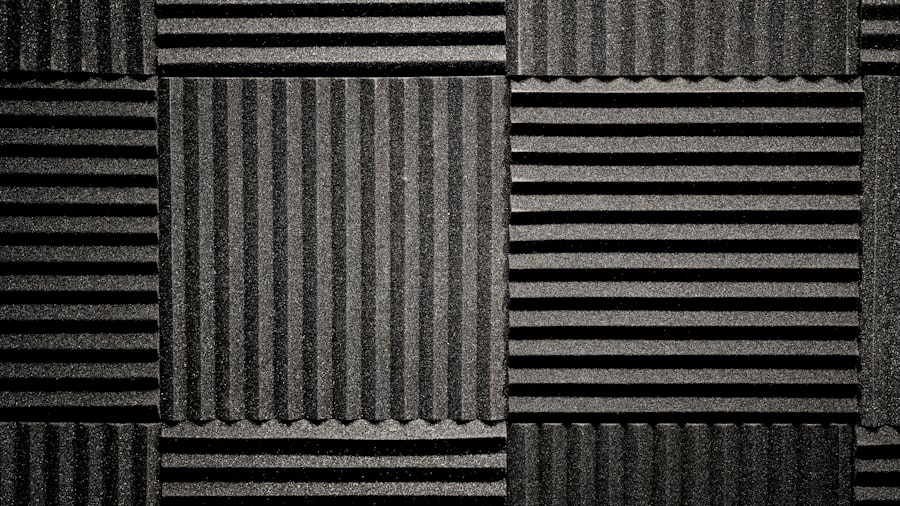
Walls are the most common battleground for noise intrusion. Addressing their soundproofing capabilities is paramount.
Adding Mass to Existing Walls
- Additional Drywall Layers: The simplest way to increase wall mass is to add one or two more layers of drywall. For optimal results, use different thicknesses of drywall. For instance, a layer of 5/8-inch drywall over an existing 1/2-inch layer provides more mass than two layers of 1/2-inch.
- Applying Mass Loaded Vinyl (MLV): MLV can be attached directly to the studs before the drywall is installed, or it can be applied between layers of drywall. It’s a highly effective way to increase mass without adding excessive thickness.
- Using Sound Damping Compounds: Apply a damping compound, like Green Glue, between layers of drywall. This transforms the wall into a more resilient barrier that can absorb vibrational energy.
Decoupling Stud Walls
- Installing Resilient Channels: Attach resilient channels horizontally to the wall studs. Then, attach the drywall to the channels, not directly to the studs. Ensure the screws do not penetrate the studs.
- Using Sound Isolation Clips: Mount sound isolation clips onto the studs, then attach hat channels to the clips. The drywall is then screwed to the hat channels. This method is generally more effective than resilient channels.
- Building a Staggered Stud Wall: If undertaking new construction or a significant renovation, consider building a staggered stud wall. This involves framing two sets of studs that alternate in their position, effectively breaking the direct vibration path.
Filling Cavity Gaps
- Dense Pack Cellulose Insulation: Filling the cavity between studs with dense-pack cellulose insulation can significantly improve sound isolation. The cellulose material helps to absorb sound waves and reduce resonance within the cavity.
- Mineral Wool Insulation: While often thought of for fire resistance, mineral wool also offers good sound absorption properties and can help to dampen vibrations within wall cavities. Ensure it’s installed snugly to avoid air gaps.
If you’re struggling with low frequency noise in your environment, you might find it helpful to explore effective strategies for soundproofing your space. One useful resource is an article that discusses various methods to block unwanted noise, which can significantly enhance your comfort and focus. You can read more about these techniques in this informative piece on soundproofing at Freaky Science. Implementing some of these suggestions could lead to a quieter and more peaceful living or working environment.
Fortifying Floors and Ceilings: Combating Airborne and Structure-Borne Noise
| Method | Description | Effectiveness for Low Frequency Noise | Typical Materials Used | Notes |
|---|---|---|---|---|
| Mass-Loaded Barriers | Adding heavy, dense materials to walls or barriers to block sound transmission | High | Mass-loaded vinyl, concrete, lead sheets | Works by increasing mass to reduce sound transmission, especially effective below 200 Hz |
| Decoupling Structures | Separating wall or floor layers to prevent vibration transmission | High | Resilient channels, isolation clips, double stud walls | Reduces structure-borne low frequency noise by breaking vibration paths |
| Sealing Air Gaps | Eliminating gaps and cracks to prevent sound leaks | Medium | Acoustic sealant, weatherstripping | Important for all frequencies but less effective alone for low frequencies |
| Bass Traps | Absorbers designed to reduce low frequency reverberation inside rooms | Medium to High (room treatment) | Dense fiberglass, foam panels, membrane absorbers | Improves sound quality inside rooms but does not block external noise |
| Active Noise Cancellation | Using sound waves to cancel out low frequency noise | Variable | Microphones, speakers, electronic processors | Effective in headphones and some room applications; complex and costly for large spaces |
| Thick Concrete Walls | Using thick, dense walls to block sound transmission | High | Concrete, brick | Very effective but expensive and space-consuming |
Floors and ceilings are frequent pathways for both airborne and structure-borne low-frequency noise. Addressing them requires a multi-pronged approach.
Improving Floor Sound Isolation (From Below)
- Adding Mass to the Ceiling: If you are experiencing noise from a floor above, reinforcing the ceiling of the room below can be effective. This involves adding layers of drywall, potentially with MLV and damping compound, to the existing ceiling structure. Consider using resilient channels or sound isolation clips to decouple the new ceiling from the floor joists.
- Insulating Floor Joist Cavities: Filling the space between floor joists with dense-pack cellulose or mineral wool insulation can help absorb sound and vibrations that travel through the floor structure.
Improving Floor Sound Isolation (From Above)
- Beneath the Finished Flooring: This is where you can most effectively tackle low-frequency noise from above.
- Underlayment Materials: High-density acoustic underlayments specifically designed for soundproofing can be placed beneath your finished flooring (hardwood, laminate, tile). These underlayments have excellent damping properties.
- Mass Loaded Vinyl (MLV): A layer of MLV can be installed over the subfloor before the underlayment and finished flooring. This adds significant mass directly to the floor structure.
- Resilient Channels or Sound Clips Under Joists: If the floor structure allows, installing resilient channels or sound clips on the underside of the floor joists (effectively creating a decoupled ceiling) is a highly effective strategy.
Enhancing Ceiling Sound Isolation (From Above)
- Decoupled Ceiling Systems: This is the most effective method for blocking low-frequency noise entering from above. It involves creating an entirely new ceiling that is suspended below the existing one, using resilient channels or sound isolation clips attached to the joists. This creates an air gap that significantly dampens vibrations.
- Adding Mass to the Existing Ceiling: Similar to walls, adding layers of drywall with MLV and damping compound to an existing ceiling can offer some improvement, but decoupling is generally more effective for low frequencies.
- Insulating Ceiling Cavities: Filling the space between ceiling joists with dense-pack cellulose or mineral wool can help absorb sound and vibrations.
Sealing Gaps and Cracks: The Importance of the Envelope
Even the most robust soundproofing system can be rendered ineffective by unsealed gaps and cracks. These are the unnoticed fissures that allow noise to seep through.
Identifying Intrusion Points
- Electrical Outlets and Switches: These are common weak points in walls. Sound can easily travel through the small openings around electrical boxes.
- Plumbing Penetrations: Pipes that pass through walls and floors create direct pathways for sound.
- HVAC Vents and Ducts: While necessary, these can be significant conduits for noise.
- Window and Door Frames: Gaps around frames, even seemingly small ones, can allow considerable sound to enter.
- Junctions Between Building Elements: Where walls meet floors or ceilings, if not properly sealed, these can be areas of significant sound leakage.
Sealing Techniques
- Acoustic Sealant (Caulk): Use a high-quality acoustic sealant, which remains flexible after drying, to fill all cracks and gaps. Traditional caulk can harden and crack over time, negating its effectiveness. Apply it generously and ensure a complete seal.
- Foam Sealant: For larger gaps, expanding foam sealant can be used, but it should be trimmed flush after curing and then sealed over with acoustic sealant for optimal performance and aesthetics.
- Gaskets for Electrical Boxes: Specialized gaskets can be installed around electrical outlet and switch boxes to create a tighter seal.
- Acoustic Putty: This pliable material is excellent for sealing around irregular shapes and small penetrations.
Dealing with Ventilation Noise
- Acoustic Duct Liner: If the low-frequency noise is coming through HVAC vents, consider lining the ducts with acoustic duct liner. This material absorbs sound within the ductwork.
- Silencers or Mufflers: For severe cases, installing an acoustic silencer or muffler within the ductwork can significantly reduce noise transmission.
- Duct Sealing: Ensure all ductwork connections are properly sealed to prevent air leaks, which can also carry sound.
Addressing Vibration-Borne Noise: Isolating the Source
When the low-frequency noise is primarily a vibration that you can feel or that is transmitting through the building’s structure, you need to focus on isolating the source of that vibration.
Vibration Isolation Mounts
- For Machinery: If the noise originates from a specific piece of equipment (e.g., an HVAC unit, a generator, a washing machine), place it on vibration isolation mounts. These are rubber or spring-loaded pads designed to absorb and dampen vibrations.
- For Appliances: Even heavy household appliances can benefit from isolation pads placed beneath them.
Floating Floors
- When Possible: A “floating floor” system involves creating a floor that is acoustically isolated from the rest of the building structure. This is typically achieved by building a subfloor on top of resilient mounts or a thick layer of acoustic underlayment, effectively separating it from the structural elements below.
Decoupling Structural Elements
- Pipe Isolation: Pipes carrying water or waste can transmit vibrations. Using rubber or neoprene isolation sleeves where pipes pass through walls and floors can significantly reduce this transmission.
- Ductwork Isolation: Similar to pipe isolation, ensure ductwork is not rigidly attached to structural elements. Use flexible connectors and isolation hangers.
Mitigating Noise from Windows and Doors: The Weakest Links
Windows and doors are often the most acoustically vulnerable points in a building’s envelope due to their construction and the need for them to open and close.
Upgrade Your Windows
- Double or Triple Glazed Windows: Standard single-pane windows offer very little resistance to low-frequency noise. Upgrading to double or triple-glazed windows with laminated glass is highly recommended. The laminated interlayer in the glass provides significant damping and mass.
- Acoustic Windows: For critical noise reduction needs, consider specialized acoustic windows. These are designed with thick, laminated glass and robust frame construction to maximize sound isolation.
- Window Inserts: If replacing windows is not feasible, consider installing acoustic window inserts. These are custom-made panels that fit inside your existing window frames, creating an additional layer of glazing and air space.
Reinforce Your Doors
- Solid Core Doors: Replace hollow-core doors with solid-core doors. The increased mass of a solid-core door makes a significant difference in its ability to block sound.
- Weatherstripping and Seals: Ensure that all doors have well-maintained, high-quality weatherstripping and seals around the entire frame. This seals any gaps that would allow sound to penetrate.
- Door Sweeps: Install a door sweep at the bottom of the door to effectively seal the gap between the door and the floor.
- Acoustic Door Blankets: For added insulation, acoustic door blankets can be hung over doors, though this is a less permanent solution.
By systematically addressing these areas, you can build a formidable defense against the persistent intrusion of low-frequency noise, transforming your environment into a sanctuary of quiet. Remember that a layered approach, combining mass, damping, and decoupling, is the most effective strategy for tackling this challenging form of acoustic pollution.
FAQs
What is low frequency noise?
Low frequency noise refers to sound waves with frequencies typically below 250 Hz. These sounds are often deep, rumbling, or humming noises that can be generated by machinery, traffic, or HVAC systems.
Why is low frequency noise difficult to block?
Low frequency noise is difficult to block because its long wavelengths can easily pass through walls, windows, and other barriers. Traditional soundproofing materials are often less effective at attenuating these lower frequencies.
What materials are effective for blocking low frequency noise?
Dense and heavy materials such as mass-loaded vinyl, concrete, and thick layers of drywall are effective at blocking low frequency noise. Additionally, specialized acoustic panels and bass traps can help absorb and reduce these sounds.
Can sealing gaps and cracks help reduce low frequency noise?
Yes, sealing gaps, cracks, and openings around doors, windows, and walls can help reduce the transmission of low frequency noise by preventing sound leaks, which are common pathways for noise infiltration.
Are there any active noise control methods for low frequency noise?
Yes, active noise control (ANC) systems use microphones and speakers to produce sound waves that cancel out low frequency noise. These systems are often used in headphones, vehicles, and specialized environments to reduce unwanted low frequency sounds.