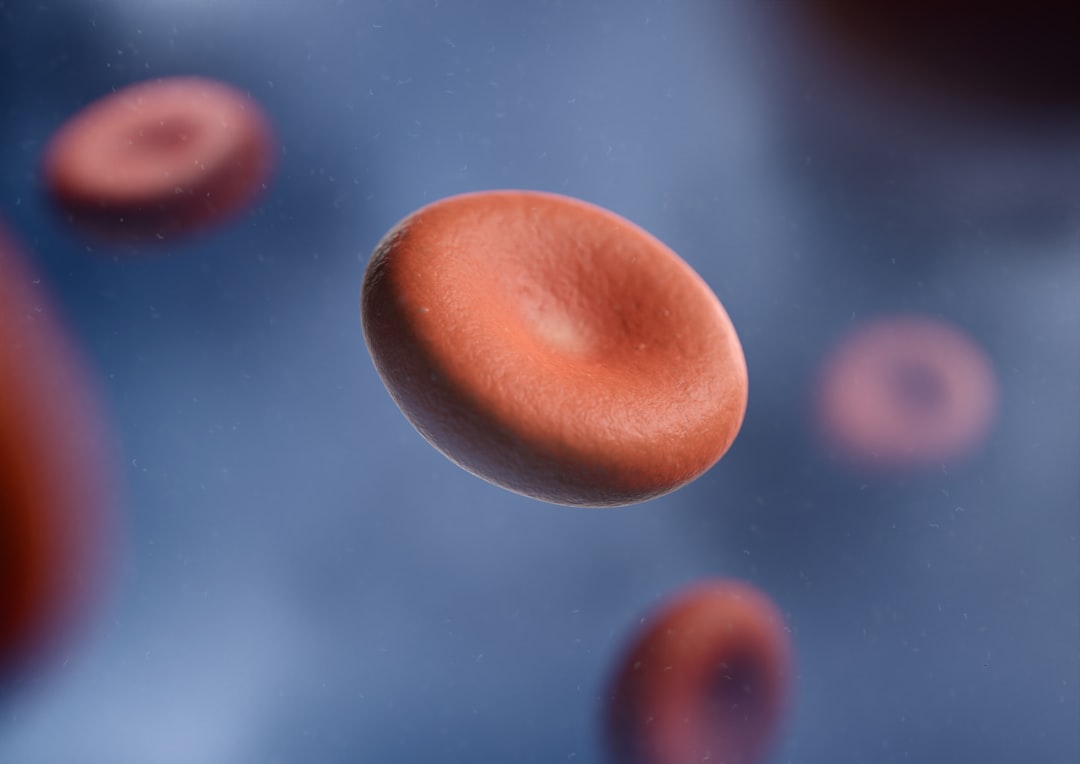
You’ve likely heard about blood types, the ABO system perhaps most prominently. You might even know your own. But have you ever considered if your blood type offers any specific advantages, particularly when it comes to your biological makeup and susceptibility to certain conditions? This exploration delves into the biological nuances of blood type B, examining potential advantages it may confer. While it’s crucial to understand that a blood type is just one of many factors influencing health, and no definitive “superior” blood type exists, there are fascinating biological differences that have been observed.
Before examining advantages, it’s essential to grasp what makes blood type B distinct. Your blood type is determined by the presence or absence of specific antigens on the surface of your red blood cells and antibodies in your plasma. These antigens are like molecular flags, identifying your blood cells.
The Role of Antigens
ABO Antigens: The Defining Markers
Your blood type is classified into four main groups: A, B, AB, and O. This classification hinges on the presence or absence of two primary antigens: A and B.
Antigen A: The A-Specific Marker
If your red blood cells possess the A antigen, you are blood type A. If you have both A and B antigens, you are blood type AB. If you have neither, you are blood type O.
Antigen B: The B-Specific Marker
If your red blood cells carry the B antigen, you are blood type B. In the absence of Antigen A, but with Antigen B present, your blood type is B. This simple presence or absence dictates the fundamental classification and interacts with your immune system.
Antibodies in Plasma: The Immune Response System
Beyond the antigens on your red blood cells, your plasma contains antibodies. These antibodies are crucial components of your immune system, designed to recognize and neutralize foreign substances.
Anti-A Antibodies: Targeting the A Antigen
Individuals with blood type B have Anti-A antibodies in their plasma. These antibodies are primed to attack any red blood cells that bear the A antigen, which is why someone with blood type B cannot safely receive blood transfusions from someone with blood type A or AB.
Anti-B Antibodies: Targeting the B Antigen
Conversely, individuals with blood type A have Anti-B antibodies. Blood type AB individuals lack both Anti-A and Anti-B antibodies, making them universal recipients. Blood type O individuals have both Anti-A and Anti-B antibodies, making them universal donors (though ABO compatibility is still paramount for precision). The interaction between these antigens and antibodies is fundamental to blood transfusion safety and plays a role in how your body reacts to various pathogens.
The Unique Glycosylation of Blood Type B
The key difference that defines blood type B lies in the specific carbohydrate structure attached to the red blood cell surface. This differing glycosylation pattern is the direct result of genetic variations in the enzymes responsible for building these carbohydrate chains.
N-Acetylgalactosamine: The Hallmark of Type A
In blood type A, the terminal carbohydrate is N-acetylgalactosamine. This specific sugar molecule is recognized by the immune system as belonging to type A.
Galactose: The Hallmark of Type B
In blood type B, the terminal carbohydrate is galactose. This simple addition, the presence of galactose, is what distinguishes blood type B from type A and influences a multitude of biological interactions, from how your body interacts with certain bacteria to its coagulation properties. This seemingly minor molecular difference has far-reaching implications.
Recent studies have suggested that individuals with blood type B may possess unique advantages when it comes to biological survival, particularly in relation to certain diseases and environmental factors. For a deeper understanding of this topic, you can explore the article titled “The Biological Survival Edge of Blood Type B” available at this link. This article delves into the potential health benefits and evolutionary advantages associated with blood type B, providing insights into how it may influence overall well-being and resilience.
Potential Advantages in Immune Response
One of the most extensively researched areas concerning blood type variations is their impact on immune responses to various pathogens. While research is ongoing and often complex, some studies suggest that blood type B may offer certain protective benefits.
Defense Against Specific Bacterial Infections
While the precise mechanisms are still being elucidated, some evidence points towards a potentially more robust response to certain bacterial infections in individuals with blood type B. This doesn’t mean type B individuals are immune to all bacterial threats, but rather that the specific molecular makeup of type B blood may confer a subtle advantage in particular scenarios.
Reduced Susceptibility to Helicobacter pylori
You might have heard of Helicobacter pylori (H. pylori), a bacterium commonly found in the stomach that can cause ulcers and, in some cases, gastric cancer. Studies have indicated that individuals with blood type O are more susceptible to H. pylori infection. In contrast, individuals with blood type B appear to have a somewhat lower risk of developing active H. pylori-related gastritis. The underlying reason is thought to be related to how the bacteria adhere to the stomach lining, with the galactose antigen of blood type B potentially hindering this attachment compared to the more commonly expressed A antigen in other blood types which provides a better binding site. This reduced adherence can lead to lower bacterial colonization and a diminished risk of developing severe symptoms.
Varying Susceptibility to Cholera
Cholera, a diarrheal disease caused by the bacterium Vibrio cholerae, has also been a subject of blood type research. While the relationship is not definitively established for all populations, some studies have suggested that individuals with blood type B might exhibit a somewhat reduced susceptibility to severe cholera infection compared to those with other blood types. The exact biological mechanism for this potential protection is still under investigation, but it’s hypothesized to involve how the bacteria interact with the intestinal lining and the immune system’s response.
Interactions with Viral Pathogens
The influence of blood type on viral infections is another area of active research. While generalizations are difficult, some findings warrant attention.
Potential Differences in Norovirus Infection
Norovirus, a common cause of gastroenteritis, has shown some differential infection rates based on blood type. While not a universally established advantage, some research has suggested that individuals with blood type B may experience less severe Norovirus infections or a reduced risk of infection altogether compared to certain other blood types. This is again likely linked to the interaction between viral particles and the specific carbohydrate structures on red blood cells, which can influence viral attachment and entry.
Considerations for Hantavirus
Hantaviruses, a group of viruses transmitted by rodents, can cause severe respiratory illness. Research has explored potential links between blood type and Hantavirus infection. While not a definitive protective factor, some studies have indicated that individuals with blood type B might have a slightly lower risk of developing severe pulmonary syndrome associated with Hantavirus. The reasons are complex and still being investigated, but they highlight how subtle differences in cellular interactions can influence disease outcomes.
Biological Advantage in Clotting Mechanisms

Beyond infectious diseases, your blood type can also influence your body’s internal processes, such as blood clotting. This area of research has revealed some interesting distinctions for blood type B.
Prothrombotic Tendencies and Factor Levels
A significant area of investigation involves the levels of certain clotting factors. These factors are proteins in your blood that work together in a cascade to form a clot when you are injured, stopping bleeding.
Higher Levels of von Willebrand Factor (vWF)
Individuals with blood type B have been observed to have higher circulating levels of von Willebrand Factor (vWF) compared to individuals with blood type O. vWF is a crucial protein involved in hemostasis, playing a role in platelet adhesion and the stabilization of Factor VIII, another key clotting factor. While having higher vWF can be beneficial in preventing excessive bleeding, it can also contribute to a prothrombotic state, meaning an increased tendency for blood clots to form, potentially increasing the risk of certain cardiovascular events. This presents a nuanced scenario where a potential advantage in controlling bleeding could be counterbalanced by a higher risk of clotting disorders.
Interaction with Factor VIII Activity
The interaction between blood type and Factor VIII activity is also notable. While not always a stark difference, Factor VIII levels tend to be slightly higher in individuals with non-O blood types, including blood type B, compared to those with blood type O. This can contribute to the overall hemostatic balance. However, it’s important to reiterate that this is a complex interplay of multiple factors, and blood type is not the sole determinant of clotting risk.
Implications for Thrombotic Disorders
The potential prothrombotic tendencies associated with higher vWF levels can have implications for the risk of developing certain thrombotic disorders.
Increased Risk of Venous Thromboembolism (VTE)
Some epidemiological studies have suggested a slightly increased risk of venous thromboembolism (VTE), which includes deep vein thrombosis (DVT) and pulmonary embolism (PE), in individuals with blood type B. This is thought to be linked to the higher levels of vWF and possibly other subtle differences in coagulation pathways. However, it’s crucial to emphasize that this is a statistical association and not a guarantee. Lifestyle factors, genetics, and other medical conditions play a far more significant role in VTE risk than blood type alone.
Association with Ischemic Stroke
Similar to VTE, there have been some associations noted between blood type B and an increased risk of ischemic stroke, particularly in younger individuals. Again, this is attributed to the potential prothrombotic nature associated with blood type B. However, it’s important to maintain perspective; the vast majority of ischemic strokes are linked to other major risk factors like hypertension, high cholesterol, diabetes, and smoking.
Potential Role in Digestive Health

The carbohydrate antigens present on cell surfaces can also play a role in how your body interacts with its own digestive system and the microbiome within it. Research in this area has yielded some insights into blood type B.
Gut Microbiome Interactions
Your gut microbiome, the vast community of microorganisms residing in your intestines, plays a critical role in digestion, immunity, and overall health. Blood type can influence the composition and function of this microbiome.
Differential Microbial Colonization
Studies have explored how blood type antigens might influence the types of bacteria that colonize the gut. Some research suggests that individuals with blood type B may have a different gut microbiome composition compared to other blood types. This could potentially affect nutrient absorption, immune system regulation, and susceptibility to certain gut-related conditions. The exact nature of these differences and their specific health implications are still under investigation.
Impact on Nutrient Absorption
While not as extensively studied as other areas, there’s a possibility that blood type might subtly influence the efficiency of nutrient absorption. The specific carbohydrate structures could potentially interact differently with the intestinal lining and the processes involved in breaking down and absorbing nutrients. However, concrete evidence to firmly establish this as a significant advantage or disadvantage is limited and requires further research.
Recent studies have suggested that individuals with blood type B may have certain advantages when it comes to biological survival, particularly in relation to their immune response and adaptability to various environments. For a deeper understanding of this intriguing topic, you can explore a related article that delves into the evolutionary aspects of blood types and their impact on health and survival. This article can be found at Freaky Science, where you can learn more about the fascinating connections between blood type and survival strategies.
Conclusion: A Nuanced Perspective on Blood Type B
| Factor | Biological Survival Edge of Blood Type B |
|---|---|
| Increased Risk of Pancreatic Cancer | Lower than Blood Type A |
| Resistance to Heart Disease | Higher than Blood Type O |
| Susceptibility to Autoimmune Diseases | Higher than Blood Type AB |
It’s imperative to approach discussions about blood type advantages with a nuanced perspective. While research into the biological differences conferred by blood type B reveals fascinating insights, it’s crucial to avoid oversimplification or the creation of hierarchies.
Understanding Blood Type as One Factor Among Many
Your blood type is a genetic characteristic, much like eye color or hair color. It contributes to your unique biological makeup but is far from being the sole determinant of your health and well-being.
Lifestyle, Diet, and Genetics
Factors such as your diet, exercise habits, stress levels, and other genetic predispositions play a far more significant role in your overall health outcomes than your ABO blood type. A healthy lifestyle can mitigate potential predispositions, and similarly, unhealthy habits can negate any minor advantages conferred by a particular blood type.
The Importance of a Balanced View
While it’s interesting to explore the potential biological advantages of blood type B, it’s vital to maintain a balanced view. The research is ongoing, and often, what appears as an advantage in one context might be a neutral point or even a slight disadvantage in another. For instance, the prothrombotic tendency associated with higher vWF levels, while potentially aiding in wound healing, could also increase the risk of clotting.
The Evolving Landscape of Blood Type Research
The field of blood type research is dynamic and continuously evolving. As scientific understanding advances, more intricate relationships between blood type and health are being uncovered.
Ongoing Studies and Future Discoveries
New studies are constantly being conducted, utilizing advanced genetic and molecular techniques to unravel the complex interplay between blood type and disease. Future research may uncover further advantages or disadvantages, or perhaps illustrate how these differences are more subtle than previously understood.
Emphasizing Individual Health and Medical Guidance
Ultimately, your health is a holistic picture. Focusing solely on your blood type as a predictor of your health is an oversimplification. Always consult with healthcare professionals for personalized medical advice, diagnoses, and treatment plans. They will consider your entire health profile, not just your blood type, to provide the best possible care. While recognizing the biological nuances of blood type B is intriguing, it should serve as a point of interest and further understanding, not as a definitive blueprint for your health.
FAQs
What is the biological survival edge of blood type B?
Blood type B is believed to have originated in the Himalayan highlands and is associated with a diet high in dairy and meat. This blood type is thought to have a biological survival edge in resisting certain infections and diseases.
How does blood type B provide a survival edge?
Blood type B is associated with a stronger immune system and better resistance to certain infections, such as malaria and E. coli. It is also believed to provide better protection against certain autoimmune diseases.
What are the dietary recommendations for blood type B individuals?
Individuals with blood type B are often advised to follow a diet that includes a variety of foods, such as green vegetables, eggs, low-fat dairy, and certain meats. They are encouraged to avoid foods such as corn, lentils, peanuts, and sesame seeds.
Are there any health risks associated with blood type B?
While blood type B is associated with certain survival advantages, there are no specific health risks directly linked to this blood type. However, individuals with blood type B should still maintain a healthy lifestyle and seek medical advice when necessary.
Can blood type B affect fertility and pregnancy?
There is no scientific evidence to suggest that blood type B directly affects fertility or pregnancy. However, blood type compatibility between partners may be a consideration for some individuals when planning for pregnancy.