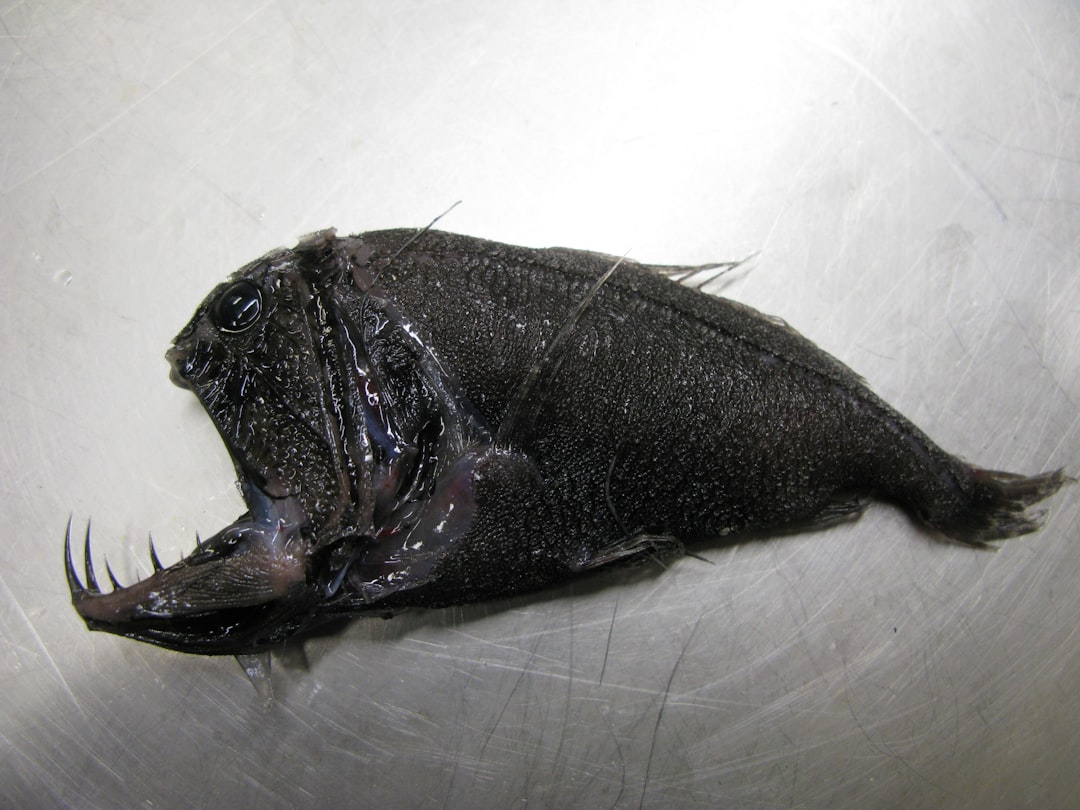
The crushing pressure, perpetual darkness, and frigid temperatures of the deep sea present a formidable challenge to life. Yet, a remarkable array of fish have not only survived but thrived in this extreme environment, exhibiting a suite of extraordinary biochemical adaptations. These modifications are not mere cosmetic changes; they represent profound alterations at the molecular level, allowing these organisms to maintain cellular function, acquire energy, and reproduce in conditions that would be instantly lethal to most surface-dwelling species. Understanding these adaptations offers a glimpse into the ingenuity of evolution and holds potential for novel biotechnological applications.
The sheer weight of water in the deep sea exerts immense pressure. At depths exceeding 1,000 meters, this pressure can be hundreds of times greater than at the surface. For most biological molecules, such as proteins and cell membranes, this pressure can cause them to deform, lose their structure, and cease to function. Deep-sea fish have evolved sophisticated biochemical strategies to counteract these effects.
Pressure-Resistant Proteins
Proteins are the workhorses of the cell, responsible for a vast array of functions. The high pressure of the deep sea can disrupt the delicate three-dimensional structures of these molecules, leading to denaturation. To combat this, deep-sea fish have evolved proteins that are intrinsically more stable under pressure. This increased stability is often achieved through subtle changes in amino acid composition. For instance, certain amino acid substitutions can lead to increased hydrophobic interactions or alterations in electrostatic forces within the protein, making it more resistant to pressure-induced unfolding. These changes may seem small, but they can have a significant impact on the overall resilience of the protein.
Amino Acid Substitutions and Hydrophobicity
Research has shown that deep-sea fish often possess proteins with a higher proportion of certain amino acids, such as glycine and proline. Glycine, being the smallest amino acid, provides greater flexibility, while proline can introduce kinks into polypeptide chains, potentially allowing for more compact and stable structures. Furthermore, alterations in the balance of hydrophobic and hydrophilic amino acids can influence how protein subunits interact. Increased hydrophobic interactions can help to “lock” protein structures together, making them less susceptible to pressure.
Increased Protein Turnover and Chaperones
Beyond intrinsic stability, deep-sea fish also employ strategies to manage protein damage. They may have higher rates of protein synthesis and degradation, ensuring that damaged proteins are quickly replaced. Moreover, they often exhibit elevated levels of molecular chaperones. These are special proteins that assist other proteins in folding correctly and can even help to refold misfolded or denatured proteins, acting as cellular repair crews in the face of pressure stress.
Membrane Fluidity Regulation
Cell membranes, composed of lipid bilayers, are crucial for maintaining cellular integrity and controlling the passage of substances. Under high pressure, the lipid molecules in membranes can become more tightly packed, reducing fluidity and hindering essential processes like nutrient transport and signal transduction. Deep-sea fish have developed mechanisms to maintain optimal membrane fluidity despite these pressures.
Cholesterol Content and Fatty Acid Composition
One key adaptation involves adjusting the lipid composition of cell membranes. Deep-sea fish often have lower levels of cholesterol, a molecule that can stiffen membranes. Conversely, they may incorporate a higher proportion of unsaturated fatty acids into their membrane lipids. Unsaturated fatty acids contain double bonds, which introduce kinks in their hydrocarbon chains, preventing tight packing and thus maintaining fluidity. This allows the membranes to remain functional and permeable even under extreme pressure.
Trimethylamine N-Oxide (TMAO) and Piezolytes
Another crucial biochemical adaptation for pressure resistance involves the accumulation of organic osmolytes, often referred to as piezolytes. The most prominent of these is trimethylamine N-oxide (TMAO). TMAO is found in high concentrations in the cells of many deep-sea organisms. It functions by stabilizing proteins and counteracting the disruptive effects of pressure. While the exact mechanisms are still being elucidated, TMAO is believed to exert its effects by subtly altering the hydration shell around proteins, making them more resistant to pressure-induced conformational changes. It may also compete with water molecules at the protein surface, thereby reducing pressure-induced denaturation.
Deep sea fish exhibit remarkable biochemical adaptations that enable them to thrive in extreme environments characterized by high pressure, low temperatures, and complete darkness. These adaptations include specialized proteins that function efficiently under such conditions and unique metabolic processes that allow them to conserve energy. For a deeper understanding of these fascinating adaptations, you can explore a related article on the topic at Freaky Science, which delves into the incredible survival strategies of these enigmatic creatures.
The Darkness Advantage: Adaptations for Vision and Bioluminescence
The deep sea is characterized by a complete absence of sunlight. This perpetual darkness has driven the evolution of unique adaptations related to vision and the production of light itself.
Enhanced Visual Systems
While many deep-sea fish have lost their eyesight entirely, others have evolved remarkably sophisticated visual systems to detect the faintest traces of light, primarily from bioluminescent organisms.
Larger and More Sensitive Eyes
Some deep-sea species possess disproportionately large eyes, maximizing their ability to capture scarce photons. These eyes are often equipped with a high density of photoreceptor cells, particularly rods, which are highly sensitive to low light levels.
Specialized Photopigments
The photopigments within these photoreceptor cells, such as rhodopsin, are also adapted to the specific wavelengths of light prevalent in the deep sea. These wavelengths are often in the blue-green spectrum, which penetrate water the furthest. Deep-sea fish may have evolved rhodopsins that are more sensitive to these particular wavelengths, allowing them to detect even faint bioluminescent signals.
Counterillumination and the “Visual Window”
For some species that inhabit the mesopelagic zone (twilight zone), where there is still a faint glimmer of light from above, visual adaptations can be used for camouflage. This involves counterillumination, where bioluminescent organs on their ventral (underside) surface emit light that matches the dim downwelling light, effectively masking their silhouette from predators below. The concept of a “visual window” also applies, referring to specific wavelengths of light that are transmitted and can be utilized for vision in otherwise dark environments.
The Symphony of Light: Bioluminescence
Bioluminescence, the production of light by living organisms, is a pervasive phenomenon in the deep sea. Deep-sea fish utilize this remarkable ability for a variety of purposes, including attracting prey, deterring predators, communication, and camouflage.
Luciferin-Luciferase Systems
The biochemical basis of bioluminescence typically involves a chemical reaction between a light-emitting molecule called a luciferin and an enzyme called a luciferase. When these two molecules interact, often with the presence of oxygen and ATP (adenosine triphosphate), energy is released in the form of light. The specific chemical structures of luciferin and luciferase vary between different bioluminescent organisms, leading to different colors and intensities of light.
Symbiotic Bacteria
In many deep-sea fish, bioluminescence is not produced by the fish itself but by symbiotic bacteria housed in specialized light organs called photophores. The fish provides a safe environment and nutrients for the bacteria, while the bacteria provide the light. This symbiosis is a highly evolved relationship, with the fish often having mechanisms to control the light output, such as shutters or pigment layers.
Diverse Functions of Bioluminescence
The applications of bioluminescence are remarkably diverse. Anglerfish, for example, use a bioluminescent lure to attract unsuspecting prey. Some squid and fish emit flashes of light to startle or blind predators, while others use a steady glow for illumination or communication with conspecifics. The ability to produce light is a testament to the biochemical ingenuity that has allowed life to flourish in the absence of solar energy.
Fueling the Depths: Adaptations for Metabolism and Respiration
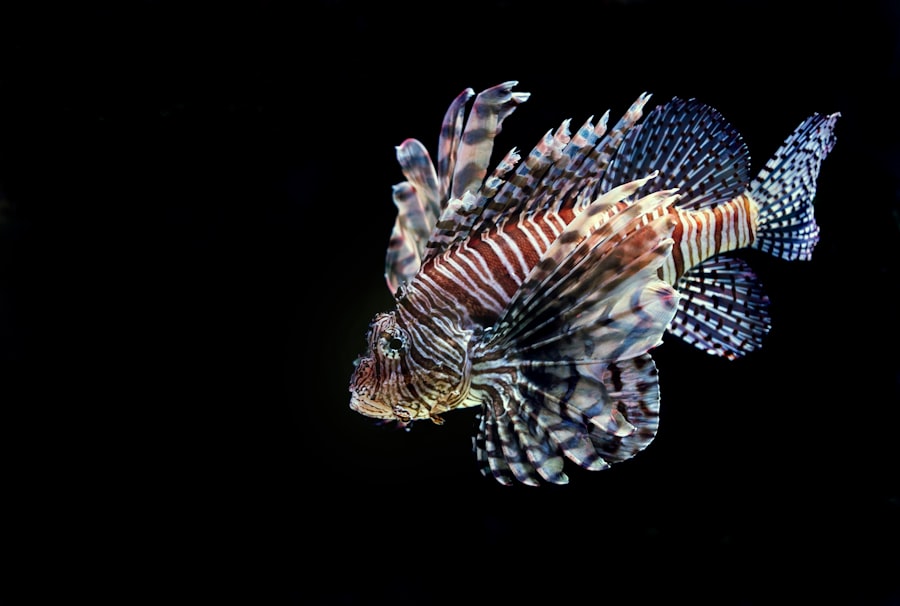
The availability of food is scarce in the deep sea, and the cold temperatures demand efficient energy utilization. Deep-sea fish have developed metabolic and respiratory adaptations to cope with these challenges.
Low Metabolic Rates
To conserve energy in an environment with limited food resources, many deep-sea fish exhibit significantly lower metabolic rates than their shallow-water counterparts. This means they require less energy to maintain basic bodily functions.
Enzyme Efficiency and Reduced Energy Demands
The enzymes responsible for metabolic processes in deep-sea fish may be optimized for lower temperatures and reduced activity, requiring less energy to function. Furthermore, physiological adaptations, such as reduced muscle mass and slower growth rates, contribute to an overall lower energy demand.
Efficient Oxygen Uptake
While oxygen levels can vary in the deep sea, efficient uptake is still crucial. Deep-sea fish often possess specialized respiratory systems and oxygen-carrying pigments.
High Affinity Hemoglobin
Hemoglobin, the protein responsible for oxygen transport in blood, can be adapted to bind oxygen more effectively at low partial pressures of oxygen, which are common in the deep sea. This often involves modifications to the hemoglobin molecule that increase its affinity for oxygen, allowing it to pick up and deliver oxygen more efficiently.
Enhanced Gill Surface Area
Some species may have a larger gill surface area or a more efficient blood flow through the gills, maximizing the exchange of oxygen from the water into the bloodstream.
Reproducing in the Dark: Adaptations for Reproduction and Development
The challenges of finding mates and ensuring the survival of offspring in the deep sea are considerable. Biochemical adaptations play a vital role in overcoming these reproductive hurdles.
Mate Finding Strategies
The vastness and darkness of the deep sea make finding a mate a significant challenge.
Chemical Signals (Pheromones)
Many deep-sea fish rely on the release of chemical signals, or pheromones, to attract mates. These complex molecules, released into the water, can be detected by potential partners over considerable distances, guiding them towards each other. The specificity of these pheromones ensures that individuals of the same species are brought together.
Bioluminescent Signals
As previously discussed, bioluminescence can also play a role in mate attraction, with species using specific flashing patterns or colors to signal their presence and reproductive readiness.
Larval Survival and Development
The early life stages of deep-sea fish are particularly vulnerable. Biochemical adaptations are crucial for ensuring survival and successful development.
Nutrient Reserves in Eggs
Deep-sea fish often produce large, yolky eggs, providing a substantial energy reserve for the developing embryo. This allows the larvae to survive for extended periods before they are capable of feeding independently.
Larval Adaptations to Low Food Availability
Larval deep-sea fish may also possess metabolic adaptations to cope with periods of low food availability, such as the ability to enter a state of suspended animation or to efficiently utilize stored reserves. The biochemical pathways governing growth and development are finely tuned to the unpredictable nature of food resources in the deep ocean.
Deep sea fish exhibit remarkable biochemical adaptations that enable them to thrive in extreme environments, such as high pressure and low light conditions. These adaptations include unique proteins and enzymes that function optimally under such circumstances. For a deeper understanding of these fascinating creatures and their survival mechanisms, you can explore a related article that delves into their extraordinary features. To learn more, check out this insightful piece on deep sea fish adaptations at Freaky Science.
Future Frontiers: Biotechnological Potential
| Adaptation | Description |
|---|---|
| Counterillumination | Ability to produce light to match the surrounding environment, helping to avoid predators. |
| High pressure tolerance | Ability to withstand extreme pressure in the deep sea environment. |
| Reduced metabolic rate | Ability to survive in low energy environments by slowing down metabolic processes. |
| Efficient oxygen utilization | Ability to extract oxygen from water efficiently, allowing for survival in oxygen-poor deep sea environments. |
| Bioluminescence | Ability to produce light through chemical reactions, used for communication and attracting prey. |
The biochemical adaptations of deep-sea fish represent a treasure trove of potential applications for human benefit. Their ability to function under extreme pressure and in the absence of light has inspired research into various fields.
Enzymes for Industrial Applications
The pressure-stable enzymes found in deep-sea organisms are of particular interest to the biotechnology industry. These enzymes can function under harsh industrial conditions where conventional enzymes would degrade, such as in high-pressure bioreactors or in the processing of materials.
Piezophilic Enzymes in Bioremediation
For instance, piezophilic enzymes (enzymes that function optimally under high pressure) could be invaluable in bioremediation efforts in deep-sea environments, helping to break down pollutants.
Medical Applications and Drug Discovery
The unique molecules and metabolic pathways found in deep-sea fish could lead to the discovery of novel pharmaceuticals.
Novel Antibiotics and Anti-cancer Agents
The extreme conditions of the deep sea may have driven the evolution of unique defensive compounds, which could possess antibiotic or anti-cancer properties. The search for new drugs to combat drug-resistant bacteria and cancer is a continuous endeavor, and the deep sea offers a largely unexplored frontier for such discoveries.
Biomaterials for Medical Implants
The resilience and biocompatibility of some deep-sea biomaterials might also find applications in the development of advanced medical implants.
Understanding Life’s Limits and Astrobiology
Studying deep-sea fish provides invaluable insights into the fundamental limits of life and the conditions under which it can exist. This knowledge has direct implications for astrobiology, the study of life in the universe. If life can thrive in the extreme environments of Earth’s deep oceans, it raises the possibility of life existing in similar extreme conditions on other planets or moons. The biochemical adaptations observed in these organisms offer clues as to what biosignatures to look for and what metabolic strategies might be employed by extraterrestrial life.
In conclusion, the deep-sea fish are not merely survivors of an unforgiving environment; they are masters of biochemical adaptation. Their sophisticated solutions to the challenges of pressure, darkness, and scarcity have not only allowed them to colonize one of the planet’s most extreme habitats but also offer a tantalizing glimpse into the future of scientific discovery and technological innovation. The ongoing exploration of these alien worlds within our own planet promises to reveal even more astonishing biochemical marvels, further expanding our understanding of life’s extraordinary resilience and adaptability.

The Deeper You Go, the Less Life Looks Like Life
FAQs
What are deep sea fish biochemical adaptations?
Deep sea fish biochemical adaptations are the unique physiological and biochemical mechanisms that enable fish to survive in the extreme conditions of the deep sea, including high pressure, low temperatures, and limited food availability.
What are some examples of deep sea fish biochemical adaptations?
Examples of deep sea fish biochemical adaptations include the production of special proteins that prevent their cells from being crushed under high pressure, the ability to produce antifreeze proteins to survive in cold temperatures, and the development of efficient energy metabolism to thrive in low food environments.
How do deep sea fish use bioluminescence as a biochemical adaptation?
Deep sea fish use bioluminescence as a biochemical adaptation to communicate, attract prey, and camouflage themselves in the dark depths of the ocean. They produce light through a chemical reaction involving luciferin and an enzyme called luciferase.
What role does hemoglobin play in deep sea fish biochemical adaptations?
Hemoglobin in deep sea fish has adapted to have a higher oxygen affinity, allowing them to efficiently extract oxygen from the cold, oxygen-poor waters of the deep sea. This adaptation helps them survive in the low oxygen environment of the deep ocean.
How do deep sea fish adapt to the high pressure of the deep sea?
Deep sea fish adapt to the high pressure of the deep sea by producing special proteins that stabilize their cell membranes and prevent them from collapsing under the extreme pressure. They also have flexible rib cages and swim bladders that can withstand the pressure changes as they move through different depths.