Beyond Heating: The Versatility of Microwaves
You probably think of your microwave as that trusty kitchen appliance that zaps your leftovers back to life or quickly defrosts that forgotten chicken. And while it excels at these tasks, you’re likely only scratching the surface of its true potential. The humble microwave, often relegated to a singular purpose, is a remarkably versatile tool capable of far more than just heating. It’s time to look beyond the microwave’s warming capabilities and discover the diverse range of culinary and practical applications it holds. You might be surprised by how much this seemingly simple box can do for your kitchen and beyond.
The microwave’s reputation as a reheating marvel is well-deserved, but this is merely the tip of the iceberg. It’s a powerful ally in meal preparation, capable of cooking entire dishes from scratch, transforming raw ingredients, and even tackling tasks you might consider the sole domain of your oven or stovetop. Embracing these capabilities can drastically cut down on cooking time and complexity, freeing you up for other pursuits.
Speedy Steaming: Preserving Nutrients and Flavor
Forget wrestling with a steamer basket and a pot of boiling water. Your microwave can achieve perfect steaming results with minimal effort. The enclosed environment traps steam, cooking food quickly and efficiently while preserving vital nutrients and vibrant flavors that can be lost through other cooking methods.
Perfecting Vegetables: Crisp-Tender Goodness in Minutes
You can achieve perfectly steamed vegetables in a fraction of the time it takes to boil or roast them. Simply place your chopped vegetables in a microwave-safe dish with a tablespoon or two of water, cover it tightly (a plate or microwave-safe lid works well), and cook on high for a few minutes. The exact time will depend on the vegetable and its quantity, but you’ll be amazed at how quickly you can achieve a crisp-tender result. Broccoli, green beans, asparagus, and carrots are all ideal candidates. The retained moisture and quick cooking time prevent them from becoming mushy or losing their bright colors.
Delicate Fish and Seafood: Flaky Perfection
Microwave steaming is also a fantastic method for cooking delicate fish and seafood. Place your fish fillets or shrimp in a microwave-safe dish with a splash of lemon juice or white wine, a sprinkle of herbs, and a drizzle of olive oil. Cover and cook until the fish is opaque and flakes easily with a fork. This method is incredibly gentle, ensuring that your seafood remains moist and tender, avoiding the dryness that can sometimes plague other cooking techniques.
Baking in the Microwave: Unexpected Sweet and Savory Treats
The idea of baking in a microwave might sound counterintuitive, given its reputation for creating rubbery textures. However, with the right recipes and techniques, you can produce surprisingly delicious baked goods. These are often smaller portions, perfect for a single serving or a quick treat.
Mug Cakes: The Ultimate Single-Serving Dessert
The mug cake phenomenon is a testament to the microwave’s baking prowess. These quick cakes, made directly in a mug, are a lifesaver when a sweet craving strikes. You’ll find countless recipes online, typically involving flour, sugar, cocoa powder, baking powder, milk, oil, and any desired flavorings like chocolate chips or peanut butter. Mix the ingredients directly in a microwave-safe mug, pop it in for 1-2 minutes, and behold your personal dessert.
Quick Breads and Muffins: Miniature Delights
Beyond mug cakes, you can also experiment with small-batch quick breads and muffins. These often require slightly different formulations than their oven-baked counterparts to account for the rapid cooking process. Many recipes call for less leavening agent and specific flour combinations to prevent excessive puffing or a dense interior. The key is often to cook them in shorter bursts, checking for doneness frequently.
Savory Bread Puddings and Quiches: Effortless Entrees
The versatility extends to savory dishes too. You can prepare individual servings of bread pudding or even miniature quiches in microwave-safe ramekins. These are ideal for busy weeknights when you need a satisfying meal without a lot of fuss. Layer stale bread with custard ingredients or prepare a simple egg and vegetable filling, and let the microwave work its magic.
Cooking Grains and Legumes: Faster, Easier, and Just as Nutritious
The microwave can significantly expedite the cooking of grains and legumes, often reducing cooking times by half or more. This makes meal prep for staples like rice, quinoa, and beans much more manageable.
Fluffy Rice in Record Time: Say Goodbye to Stovetop Waiting
Achieving perfectly fluffy rice doesn’t have to involve constant monitoring of a pot on the stove. Measure your rice and water into a microwave-safe bowl, ensuring the water level is appropriate for the type of rice you’re using. Cover and microwave on high for a set amount of time, then let it steam, covered, for a few minutes. The result is often as good, if not better, than stovetop rice, and you’ve saved yourself considerable time and attention.
Speedy Beans: From Dried to Delicious
Cooking dried beans from scratch can be a lengthy process. Your microwave can drastically shorten this. Soaking dried beans overnight is still recommended for optimal texture and digestibility. After soaking, drain and rinse the beans, place them in a microwave-safe dish with fresh water and any desired aromatics (like garlic or bay leaf). Microwave until tender, which will be significantly faster than conventional boiling.
Microwaves are often thought to primarily heat water molecules, but they can also interact with various other substances, leading to a broader understanding of their heating mechanisms. For a deeper exploration of this topic, you can read the article that discusses the diverse interactions of microwaves with different materials and the science behind it. Check it out here: Freaky Science.
Beyond the Kitchen: Unexpected Microwave Uses
The microwave’s ability to generate heat rapidly isn’t confined to the culinary world. You can leverage this power for a surprising array of practical tasks that can simplify your life and make everyday chores a breeze.
Revitalizing Stale Foods: Giving New Life to Forgotten Items
Don’t throw out that stale bread or those slightly limp crackers just yet! Your microwave can work wonders in restoring a bit of their former glory.
Refreshing Bread and Pastries: A Quick Softening Solution
If your bread has gone a little stale, you can quickly revive it. Wrap the bread in a slightly damp paper towel and microwave for 10-20 seconds. This will reintroduce moisture, making it soft and pliable again. Be careful not to overdo it, or you’ll end up with a soggy mess. The same technique works for pastries, croissants, and even slightly stale cookies.
Crisping Up Softened Snacks: Restoring Texture and Crunch
Conversely, if your crackers, chips, or pretzels have softened due to humidity, your microwave can help. Spread them in a single layer on a microwave-safe plate and microwave on high for very short intervals (15-30 seconds), checking frequently. The heat will help evaporate excess moisture, restoring their crispness.
De-clumping and Softening: Handy Household Helpers
From honey to brown sugar, your microwave can tackle those annoying culinary clumps with ease.
Unclumping Honey and Maple Syrup: Smooth and Ready
When honey crystallizes or maple syrup becomes difficult to pour, your microwave is your best friend. For honey, remove the lid and microwave for short bursts (15-30 seconds) until it liquefies. For maple syrup, pour it into a microwave-safe container and heat gently. You’ll be able to pour and measure with ease again.
Softening Brown Sugar: Goodbye, Rock-Hard Cubes
Brown sugar can quickly turn into a solid brick, making it unusable. To revive it, place the hardened brown sugar in a microwave-safe bowl. Place a damp paper towel or a small microwave-safe dish with a tablespoon of water next to the sugar. Microwave for 20-30 seconds, then check. Repeat in short intervals until the sugar is soft and crumbly.
Sterilization and Sanitation: A Hygienic Advantage
The microwave’s ability to generate heat can be utilized for simple sterilization and sanitation purposes, especially for items that can withstand the heat.
Sanitizing Sponges and Dishcloths: A Germ-Busting Boost
Your kitchen sponges and dishcloths can harbor a surprising amount of bacteria. To sanitize them, thoroughly wet the sponge or dishcloth (it must be wet to avoid fire hazards) and microwave on high for 1-2 minutes. This will kill most of the common household germs. Let it cool before handling.
Cleaning Baby Bottles and Utensils: A Quick Disinfection
For quick disinfection of baby bottles or other small items, you can use your microwave. Ensure the items are made of microwave-safe materials and are free of any metal components. Place them in a microwave-safe container with a small amount of water and microwave for a few minutes. Again, always ensure items are thoroughly wet and never contain metal.
Creative Culinary Experiments: Pushing the Boundaries of Microwave Cooking
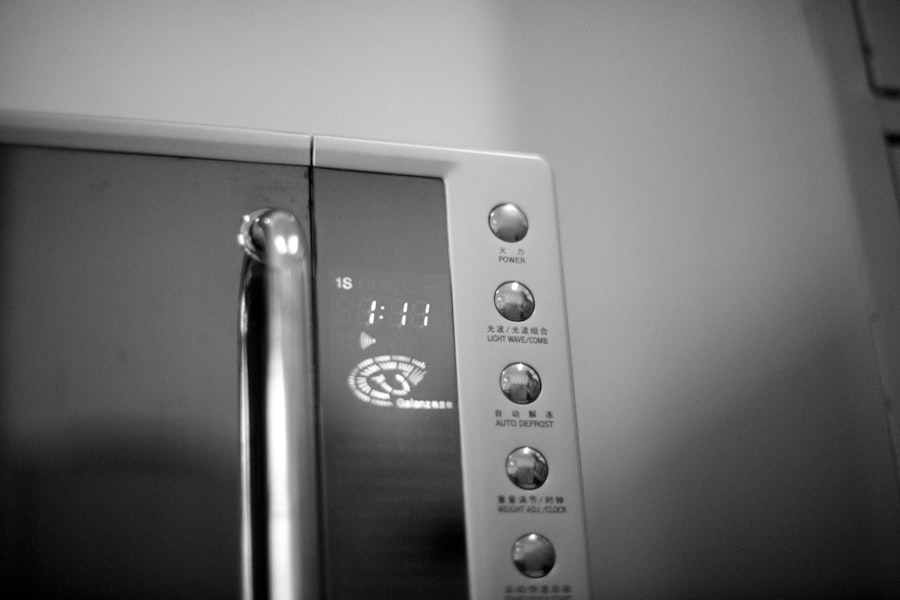
Once you’ve mastered the basic applications, you can start to explore more adventurous culinary territory with your microwave. It’s a fantastic tool for experimenting with new recipes and techniques, often yielding surprising and delicious results.
Infusing Flavors: Extracting the Essence of Spices and Herbs
Microwaves can be surprisingly effective at infusing flavors into liquids, extracting the essence of spices and herbs more quickly than traditional simmering methods.
Quick Herb Oils: Aromatic Additions to Your Dishes
To make an infused herb oil, gently heat your chosen oil (like olive or sunflower oil) in a microwave-safe bowl with fresh herbs like rosemary, thyme, or basil. Microwave on low power in short bursts, allowing the herbs to release their flavor into the oil. Strain the herbs out once the oil has cooled. This creates a wonderfully aromatic oil for dressings, marinades, or finishing dishes.
Speedy Spice Infusions: Concentrated Flavor for Beverages and Sauces
Similar to herbs, you can infuse spices into liquids for a quick flavor boost. Think of infusing star anise into milk for a chai latte, or adding ginger and cinnamon sticks to hot water for a warming spiced drink. Microwave on low, allowing the spices to steep and release their potent aromas and flavors.
Cooking Eggs in New Ways: Beyond the Scrambled
While scrambling is common, your microwave can prepare eggs in other inventive ways.
Perfectly Poached Eggs: Delicate and Delicious
You can achieve a surprisingly delicate poached egg in the microwave. Crack an egg into a microwave-safe ramekin or mug, add a tablespoon of water, and gently prick the yolk with a toothpick (this prevents it from exploding). Cover and microwave on medium power for about 60-90 seconds, depending on your microwave and desired doneness. The result is a tender, perfectly poached egg.
Speedy Frittatas and Omelets: Individual Portions Made Easy
Individual frittatas and omelets are incredibly easy to make in the microwave. Whisk your eggs with milk, cheese, and your favorite vegetables or cooked meats. Pour the mixture into a greased microwave-safe ramekin or small dish. Microwave until the eggs are set, usually in 2-3 minutes.
The Microwave as a Time-Saving Kitchen Ally

Ultimately, the true power of the microwave lies in its ability to save you precious time without compromising on quality. It’s a tool that empowers you to cook more, experiment more, and enjoy your food more, even when life is hectic.
Reducing Cooking Times: More Time for You
The most obvious benefit is the sheer reduction in cooking time. Whether it’s a quick weeknight dinner, a speedy breakfast, or a last-minute dessert, the microwave allows you to achieve delicious results in a fraction of the time. This frees up your schedule, allowing you to pursue hobbies, spend time with loved ones, or simply relax.
Simplifying Complex Recipes: Breaking Down Culinary Barriers
Some recipes might seem daunting due to their lengthy cooking times or intricate steps. The microwave can often simplify these processes. For instance, pre-cooking certain ingredients in the microwave before combining them in a larger dish can significantly reduce the overall cooking duration. It can also be used to quickly soften ingredients that would otherwise require long soaking or simmering.
Conserving Energy: A More Efficient Cooking Method
In many cases, using your microwave is more energy-efficient than using a conventional oven, especially for small portions. Ovens take a significant amount of time to preheat, and for smaller cooking tasks, this energy expenditure can be considerable. The microwave heats your food directly and rapidly, using less electricity in the process. This is not only good for your electricity bill but also for the environment.
Microwaves are often thought to primarily heat water molecules, but they actually interact with a variety of substances in different ways. For a deeper understanding of how microwaves work and their effects on various materials, you can explore this insightful article on Freaky Science. This resource explains the science behind microwave technology and provides examples of how different foods and materials respond to microwave radiation, revealing that the heating process is more complex than it may seem at first glance.
Embracing the Microwave’s Full Potential
| Reasons | Explanation |
|---|---|
| Polar Molecules | Microwaves cause polar molecules in food to vibrate, generating heat. |
| Dielectric Heating | Non-polar molecules also absorb microwaves and generate heat through dielectric heating. |
| Conduction | Heat is also transferred through conduction from the hot parts of the food to the cooler parts. |
| Convection | Convection currents within the food help distribute the heat evenly. |
You’ve seen how your microwave is capable of so much more than just reheating. It’s a versatile kitchen appliance that can revolutionize your meal preparation, simplify household tasks, and inspire culinary creativity. Don’t let yours gather dust as a one-trick pony. Start experimenting, explore new recipes, and discover the incredible potential that lies beyond simply heating. You’ll find yourself reaching for your microwave for a wider range of tasks than you ever imagined, making your time in the kitchen more efficient, enjoyable, and rewarding. So, the next time you’re thinking about cooking, remember to look beyond the obvious and unlock the full, versatile power of your microwave.

Your Microwave Doesn’t Work the Way You Think
FAQs
1. How do microwaves work to heat food?
Microwaves work by emitting electromagnetic radiation that causes water molecules in food to vibrate, generating heat through friction.
2. Can microwaves heat other substances besides water?
Yes, microwaves can also heat other substances such as fats, sugars, and certain types of plastics, as they contain molecules that can absorb microwave radiation and generate heat.
3. Why do microwaves not only heat water?
While water molecules are particularly efficient at absorbing microwave radiation and generating heat, other molecules in food can also absorb and convert microwave energy into heat, allowing microwaves to heat a variety of substances.
4. Are there any safety concerns related to using microwaves to heat food?
It is important to use microwave-safe containers and follow proper heating instructions to avoid potential hazards such as uneven heating, superheating, or the release of harmful chemicals from certain materials when heated in a microwave.
5. Can microwaves affect the nutritional value of food?
Microwaves can actually help retain more nutrients in food compared to other cooking methods, as they require shorter cooking times and less water, which can help preserve the nutritional content of the food.