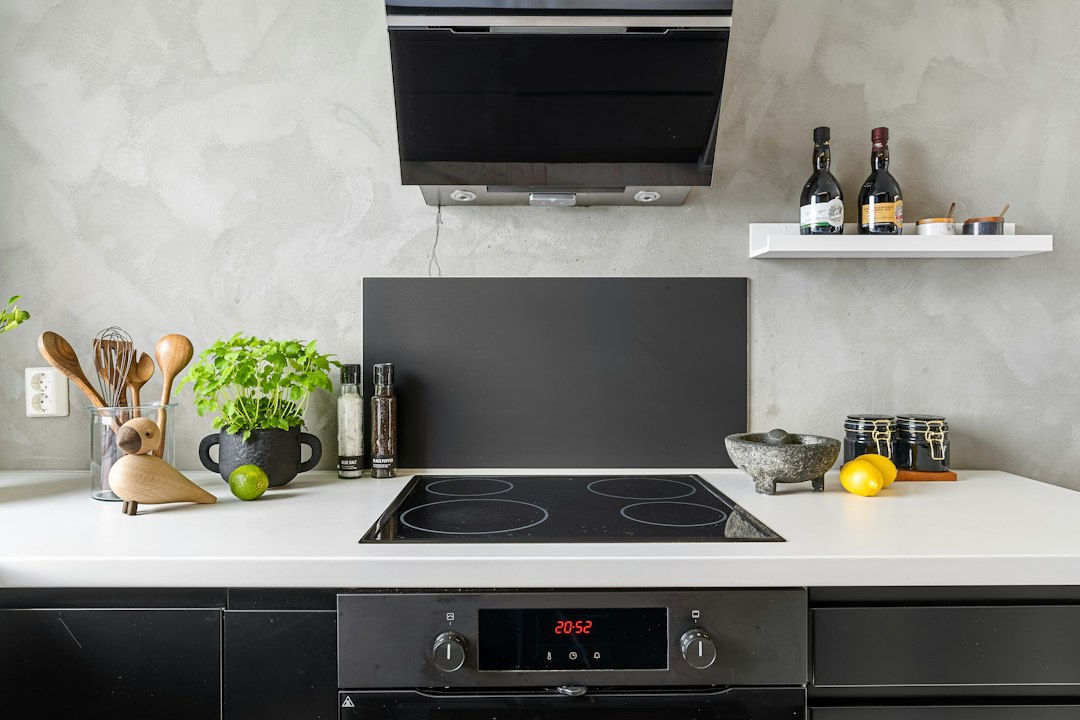
You’ve just invested in a sleek, modern induction cooktop, marveling at its efficiency and precise temperature control. But as you reach for your beloved non-stick skillet, a nagging question arises: will it even work? The answer, you’ll quickly discover, is that not all pans are created equal when it comes to induction. This guide is here to demystify the world of induction-compatible cookware, ensuring you choose the right tools to unlock the full potential of your new kitchen marvel. You’ll learn what makes a pan induction-ready, explore the best materials and designs, and discover the must-have pieces for any discerning home chef.
Understanding the Magic of Induction
Before diving into the nitty-gritty of pan selection, it’s crucial to grasp why certain pans work with induction and others don’t. Induction cooktops don’t generate heat directly like traditional electric or gas stovetops. Instead, they use electromagnetic fields to create rapid heating directly within the cookware itself.
The Science Behind Induction Heating
At the heart of your induction cooktop lies an electromagnet. When you place a compatible pan on the surface, an alternating electric current flows through a coil beneath the glass. This current generates a fluctuating magnetic field. If your cookware possesses ferromagnetic properties (meaning it’s attracted to magnets), this magnetic field will induce eddy currents within the base of the pan. These eddy currents, in turn, generate heat through electrical resistance. Essentially, the pan itself becomes the heating element.
Why Some Pans Fail the Induction Test
This is where the distinction becomes clear. Pans made from materials that are not ferromagnetic – such as aluminum, copper, or glass – will not respond to the magnetic field. The eddy currents simply won’t form, and consequently, no heat will be generated. You could place a perfectly good aluminum saucepan on an induction cooktop, and it would remain stubbornly cold. This is why it’s imperative to choose cookware specifically designed for this technology.
The Magnetic Test: Your First Line of Defense
The simplest way to determine if a pan is induction-compatible is the magnet test. Keep a common refrigerator magnet handy. If the magnet strongly adheres to the base of your pan, it’s likely compatible. Remember, this is a general rule of thumb. While most ferromagnetic materials work, some might have slightly weaker magnetic properties, and some manufacturers might integrate a magnetic layer into a non-ferro material. However, for the vast majority of cookware, a strong magnetic pull is a reliable indicator.
If you’re curious about which pans work best on induction cooktops, you might find the article on induction cooking at Freaky Science particularly helpful. This resource provides valuable insights into the types of materials that are compatible with induction technology, ensuring you make informed choices when selecting cookware for your kitchen.
Essential Qualities of Induction-Compatible Cookware
Now that you understand the underlying principle, let’s delve into the key characteristics that define the best pans for your induction cooktop. These qualities go beyond mere magnetic attraction and encompass factors that contribute to optimal performance, durability, and cooking experience.
Ferromagnetic Material: The Absolute Requirement
As discussed, the primary requirement for induction cookware is the presence of ferromagnetic material in the base. This typically means stainless steel, cast iron, or carbon steel. These metals naturally exhibit magnetic properties, allowing them to interact with the cooktop’s electromagnetic field.
Flat and Thick Base: For Even Heat Distribution
Beyond being magnetic, the shape and thickness of a pan’s base are critical for induction. A perfectly flat base ensures optimal contact with the cooktop’s surface, maximizing the efficiency of the electromagnetic field. Warped or uneven bases can lead to hot spots and inefficient heating, defeating the purpose of induction’s precision. A thicker base also plays a vital role in heat distribution. It acts as a heat sink, absorbing and spreading the generated heat evenly across the cooking surface, preventing scorching and ensuring consistent results. Thin-based pans, even if magnetic, can lead to uneven cooking and potential damage to the cooktop.
Material Composition: Exploring Your Options
While ferromagnetic properties are non-negotiable, the specific material composition of a pan significantly impacts its performance, durability, and price. Understanding these differences will help you choose the right pan for your specific cooking needs.
Stainless Steel: The Versatile Workhorse
Stainless steel is a popular choice for induction cookware due to its durability, non-reactivity, and relative affordability. However, not all stainless steel is created equal. For induction compatibility, look for stainless steel with a magnetic core or a bonded base that includes a magnetic layer, often aluminum or copper sandwiched between stainless steel.
- Pros: Excellent durability, rust-resistant, non-reactive (won’t impart metallic flavors to food), easy to clean, often dishwasher safe, generally mid-range pricing.
- Cons: Can have hot spots if not designed with a thick, multi-ply base; food can sometimes stick if not properly preheated or oiled.
- Types to Look For: Multi-ply or clad stainless steel cookware, often referred to as “tri-ply” or “five-ply,” is ideal. These constructions feature layers of different metals (typically stainless steel and aluminum or copper) bonded together to create superior heat conduction and retention.
Cast Iron: The Enduring Classic
Cast iron is a natural ferromagnetic material and an excellent conductor of heat. Its inherent properties make it a fantastic choice for induction cooking, offering unparalleled heat retention and the ability to withstand extremely high temperatures.
- Pros: Exceptional heat retention, incredible durability (can last a lifetime if cared for properly), develops a natural non-stick surface over time with proper seasoning, ideal for searing and slow cooking.
- Cons: Very heavy, requires specific seasoning and maintenance to prevent rust, can react with acidic foods if not well-seasoned, can scratch glass cooktops if dragged carelessly.
- Types to Look For: Both raw cast iron and enameled cast iron are induction-compatible. Raw cast iron requires regular seasoning, while enameled cast iron offers a non-reactive, easier-to-clean surface.
Carbon Steel: The Chef’s Secret Weapon
Carbon steel offers a unique blend of cast iron’s heat retention and stainless steel’s responsiveness. It’s lighter than cast iron but still boasts excellent heat conductivity and durability.
- Pros: Excellent heat conductivity and responsiveness, heats up quickly, develops a natural non-stick surface with seasoning, lightweight compared to cast iron, very durable.
- Cons: Requires seasoning and maintenance similar to cast iron to prevent rust and maintain its non-stick properties, can react with acidic foods when not well-seasoned.
- Types to Look For: Look for pans with a thick, flat base. They are often found in styles like woks, skillets, and crepe pans.
The Best Pan Types for Your Induction Kitchen
Now that you understand the fundamental qualities, let’s explore the specific types of pans that will serve you best on an induction cooktop. Having a well-rounded collection will allow you to tackle a wide range of culinary tasks with confidence.
The Indispensable Skillet
A good skillet is arguably the most versatile piece of cookware you can own, and this is especially true for induction. Its ability to heat rapidly and evenly makes it perfect for everything from searing steaks to sautéing vegetables.
Everyday Skillets: Your Go-To for Versatility
For everyday cooking, a 10-inch or 12-inch skillet is a must-have. Look for one with a thick, magnetic base – ideally multi-ply stainless steel or a well-seasoned cast iron or carbon steel skillet.
- Considerations: Think about the weight and handle comfort, especially if you’ll be flipping or tossing food frequently. A good balance between heat distribution and maneuverability is key.
Searing Skillets: Achieving the Perfect Crust
When you want that restaurant-quality sear on your meats, a dedicated searing skillet is invaluable. These are often heavier and designed for superior heat retention, allowing you to achieve a beautiful crust without overcooking the interior.
- Material Preference: Cast iron and carbon steel excel in this area due to their ability to hold and radiate intense heat. Heavy-gauge stainless steel with a thick, conductive core can also perform admirably.
The Essential Saucepan
Saucepans are fundamental for sauces, boiling, simmering, and reheating. On an induction cooktop, their quick and precise heating capabilities shine.
Small Saucepans: For Delicate Sauces and Smaller Batches
A 1- or 2-quart saucepan is perfect for making delicate sauces, reducing liquids, or cooking small portions.
- Key Features: Look for a saucepan with a tight-fitting lid to prevent evaporation and ensure efficient cooking. A sturdy handle that stays cool during use is also important.
Medium Saucepans: For Soups and Grains
A 3- or 4-quart saucepan is ideal for making soups, cooking grains like rice or quinoa, or boiling pasta.
- Capacity Considerations: Choose a size that suits your typical cooking needs. It’s better to have a slightly larger saucepan that you use occasionally than to constantly overcrowd a smaller one.
The Mighty Stockpot
For larger culinary projects like making stock, simmering soups for a crowd, or boiling large quantities of pasta, a stockpot is indispensable.
Large-Capacity Stockpots: For Big Batches and Beyond
A 6-quart or larger stockpot is a significant investment, but one that will pay dividends for entertaining and meal prepping.
- Induction Compatibility: Ensure the entire base of the stockpot is ferromagnetic. Thick-gauge stainless steel with a robust, magnetic core is usually the best choice for large stockpots.
Specialty Pans: Enhancing Your Culinary Repertoire
While skillets, saucepans, and stockpots form the backbone of any induction cookware collection, several specialty pans can elevate your cooking and make specific tasks much easier.
Woks: Stir-Frying at its Finest
Induction cooktops can achieve the high, consistent heat needed for authentic stir-frying, especially when paired with a compatible wok.
- Flat-Bottom Woks: For induction, you’ll need a flat-bottomed wok designed to make full contact with the cooktop. Traditional round-bottom woks will not work efficiently.
- Material: Carbon steel is the traditional and often preferred material for woks due to its excellent heat conductivity and responsiveness. Stainless steel woks are also available and can be induction-compatible.
Griddles and Grill Pans: Achieving Charred Perfection
Achieving those desirable grill marks or a perfectly griddled breakfast is entirely possible on an induction cooktop.
- Grill Pans: Look for heavy-gauge cast iron or stainless steel grill pans with raised ridges that create grill marks. Ensure the entire base is ferromagnetic and flat.
- Griddles: A flat griddle, typically made of cast iron or a heavy-gauge non-stick material with a magnetic core, is perfect for pancakes, eggs, and quesadillas.
Dutch Ovens: Braising and Baking Brilliance
Dutch ovens, particularly those made of enameled cast iron, are fantastic for induction. Their excellent heat retention makes them ideal for slow cooking, braising, and even baking bread.
- Enameled Cast Iron: This is the most common and recommended type of Dutch oven for induction. The enamel coating protects the cast iron from rust and reactivity, while the cast iron base ensures even heating.
Choosing the Right Materials: A Deeper Dive
Beyond the broad categories, understanding the nuances of material construction will help you make informed decisions about specific pan purchases.
The Importance of Multi-Ply Construction
For stainless steel cookware, the term “multi-ply” or “clad” is a signal of quality and performance on an induction cooktop. This construction involves bonding multiple layers of different metals together.
Tri-Ply Construction: The Sweet Spot
Tri-ply cookware features three layers: usually a core of aluminum or copper sandwiched between two layers of stainless steel. This combination offers the benefits of stainless steel’s durability and non-reactivity with the superior heat conductivity of aluminum or copper.
- Benefits: Even heat distribution, reduced hot spots, quicker heating and cooling response.
Five-Ply and Beyond: Enhanced Performance
Some premium cookware takes this layering further with five or even seven plies. These often incorporate additional layers of stainless steel or other conductive materials to further enhance heat distribution and retention, offering exceptional performance but at a higher price point.
Enameled vs. Non-Enameled Cast Iron
Both types of cast iron are induction-compatible, but they offer different user experiences.
Enameled Cast Iron: The Low-Maintenance Option
Enameled cast iron cookware is coated with a porcelain enamel finish. This coating makes it non-reactive, rust-resistant, and much easier to clean than raw cast iron.
- Ideal For: Those who want the heat retention of cast iron without the extensive seasoning and maintenance.
Non-Enameled Cast Iron: The Traditionalist’s Choice
Raw cast iron requires regular seasoning to build up a natural non-stick surface and protect it from rust.
- Benefits: Can achieve an exceptional non-stick surface over time, incredibly durable, offers a more traditional cooking experience.
Considering Non-Stick Surfaces on Induction Pans
While traditional non-stick pans (like those with PTFE or ceramic coatings) may not be induction-compatible on their own, many manufacturers now offer induction-ready non-stick cookware.
Induction-Compatible Non-Stick: The Best of Both Worlds
These pans typically feature a ferromagnetic base (often stainless steel or aluminum) to which a non-stick coating is applied. This allows you to enjoy the convenience of non-stick cooking with the efficiency of an induction cooktop.
- Look for: Explicit labeling that the pan is induction-compatible. Always check the manufacturer’s specifications.
When exploring the best cookware for induction cooktops, it’s essential to understand which materials are compatible with this technology. Induction cooktops require magnetic materials to function effectively, making stainless steel and cast iron excellent choices. For a deeper dive into this topic, you can read a related article that provides insights on the types of pans that work best on induction cooktops. This resource will help you make informed decisions about your kitchen essentials. Check it out here.
Practical Tips for Using Induction Cookware
Once you’ve acquired the perfect pans, a few practical tips will ensure you get the most out of your induction cooking experience.
Preheating is Key for Even Cooking
Induction heats incredibly fast. This means you need to be mindful of preheating your pans properly.
Gentle Preheating: Avoid Scorching
Start with your induction cooktop on a medium-low setting to preheat your pan for a few minutes. This allows the heat to distribute evenly throughout the base before you add your food.
- The Water Drop Test: A common test for proper preheating is to flick a few drops of water into the pan. If they sizzle and evaporate immediately, the pan is too hot. If they form small beads that dance around, it’s ready.
Understanding Heat Control and Responsiveness
Induction is renowned for its precise temperature control and rapid responsiveness.
Adjusting Heat Settings: Fine-Tuning Your Cooking
Because induction heats so quickly, you’ll find yourself adjusting the heat settings more frequently than with other cooktops. Don’t be afraid to experiment with lower settings to maintain a gentle simmer or higher settings for a quick sear.
- Practice Makes Perfect: Getting a feel for your cooktop’s responsiveness takes a little practice, but once you do, you’ll appreciate the fine control it offers.
Cleaning and Maintenance: Protecting Your Investment
Proper care will ensure your induction cookware lasts for years to come.
Specific Cleaning Instructions: Read the Manual
Always refer to the manufacturer’s instructions for cleaning and maintenance. Different materials and coatings have different requirements.
- Avoid Abrasives: For most induction cookware, especially stainless steel and enameled cast iron, avoid abrasive scrubbers or harsh cleaning chemicals that can scratch or damage the surfaces.
- Cast Iron Care: For raw cast iron, a thorough seasoning and drying process after each wash is essential to prevent rust.
By understanding these principles and selecting the right cookware, you’re well on your way to becoming an induction cooking master. Enjoy the speed, precision, and efficiency of your new cooktop, and let your culinary adventures begin!

The Pan Is the Heater: How Induction Cooking Really Works
FAQs
What is an induction cooktop?
An induction cooktop uses electromagnetic technology to heat pots and pans directly, rather than using a flame or heating element.
What types of pans work on induction cooktops?
Pans made of magnetic materials such as cast iron, stainless steel, and some types of aluminum work best on induction cooktops.
Can I use non-induction pans on an induction cooktop?
Non-induction pans can be used on an induction cooktop if they have a magnetic base or are made of a magnetic material that can be magnetized.
How can I tell if a pan is compatible with an induction cooktop?
To check if a pan is compatible with an induction cooktop, use a magnet to see if it sticks to the bottom of the pan. If the magnet sticks, the pan can be used on an induction cooktop.
Are there any pans that are not suitable for use on induction cooktops?
Pans made of non-magnetic materials such as copper, glass, and ceramic are not suitable for use on induction cooktops as they will not heat up properly.