
You stand at a precipice, a crossroads where your immediate needs intersect with the future of humanity. The world’s population, a relentless tide, continues to swell, demanding more sustenance with each passing year. How do you, as a responsible steward of this planet, ensure that everyone is fed without irrevocably damaging the very systems that sustain you? The answer, you’re increasingly realizing, lies not in a singular, simplistic solution, but in a delicate and dynamic dance: the balancing of synthetic fertilizer use with the burgeoning demands of a growing world population.
You look at the numbers, and they’re stark. Projections paint a picture of a world housing nearly 10 billion people by mid-century. This isn’t a distant, abstract concept; it’s your reality, the demographic pressure you must contend with. Every new mouth to feed represents an increased demand for food, and for food, you need fertile land and robust crop yields.
The Agricultural Imperative
Your agricultural systems, the bedrock of human civilization, are already straining. You’ve expanded farmland, sometimes at the expense of precious ecosystems. You’ve intensified farming practices. But as the population grows, the pressure to produce more food per unit of land intensifies. This is where the conversation about synthetic fertilizers truly begins. You cannot simply wish for more food; you must cultivate it, and to cultivate it at scale, you need to augment the natural fertility of your soils.
Historical Context: From Scarcity to Abundance
You can recall, or at least have learned about, times when food scarcity was a constant, gnawing fear for vast swathes of the population. Famines were tragically common. Then came the Green Revolution, a period of unprecedented agricultural advancement. Central to this revolution was the widespread adoption of synthetic fertilizers, particularly nitrogen-based ones. These chemical marvels, born from scientific ingenuity, unlocked the potential of the soil, leading to dramatically increased crop yields and effectively averting widespread starvation. You owe a debt to this innovation, a debt that allows you to stand here today, with a population far larger than ever before, yet with relatively less widespread hunger.
The Double-Edged Sword of Progress
However, you are also acutely aware that this success has not come without consequences. You’re seeing the other side of the synthetic fertilizer coin. While they are undeniably powerful tools for boosting food production, their overuse or mismanagement can lead to a cascade of environmental problems. This is the core of your current dilemma: how to harness their benefits while mitigating their drawbacks.
As the global population continues to rise, the demand for food production intensifies, leading to an increased reliance on synthetic fertilizers. A related article discusses the implications of this dependency on agricultural sustainability and environmental health. For more insights on this critical issue, you can read the article here: Synthetic Fertilizers and World Population.
The Indispensable Role of Synthetic Fertilizers
Let’s be clear: synthetic fertilizers are not inherently evil. You understand their fundamental contribution to your food security. They provide essential nutrients that are often depleted from the soil by continuous cropping or are naturally deficient in certain soils.
Nitrogen: The Yield Multiplier
Nitrogen is king. It’s a crucial component of chlorophyll, the molecule that allows plants to capture sunlight and convert it into energy. Without adequate nitrogen, plants are stunted, their leaves yellow, and their yields plummet. Synthetic nitrogen fertilizers, primarily derived from natural gas through the Haber-Bosch process, are a highly efficient way to supply this vital nutrient. You’ve seen the dramatic difference they make in the growth and productivity of staple crops like wheat, rice, and corn – the very crops that form the backbone of global diets.
Phosphorus and Potassium: The Supporting Cast
While nitrogen often takes center stage, phosphorus and potassium are equally vital. Phosphorus plays a critical role in energy transfer within the plant, root development, and flowering. Potassium is essential for water regulation, disease resistance, and overall plant health. Synthetic sources of these nutrients, mined from phosphate rock and potash deposits respectively, supplement what’s naturally available in the soil, ensuring that your crops have access to a balanced nutritional profile.
Addressing Nutrient Deficiencies
You recognize that not all soils are created equal. Some are naturally rich in nutrients, while others are inherently poor. Intensive farming practices, where crops are harvested year after year, can deplete the soil of its natural reserves. Synthetic fertilizers act as a critical intervention, replenishing these depleted nutrients and preventing the decline of soil fertility. Without them, you would be forced to abandon vast tracts of land or face drastically reduced harvests, an unacceptable prospect given your growing population.
Bridging the Yield Gap
In many parts of the world, particularly in developing nations, there’s a significant “yield gap” – the difference between the potential yield of a crop and the actual yield achieved. Synthetic fertilizers, when applied correctly, can be instrumental in closing this gap, allowing farmers to produce more food on the same amount of land. This is not just about increasing production; it’s about improving food security and livelihoods for millions.
The Environmental Toll: A Cost You Cannot Ignore

You can no longer afford to turn a blind eye to the environmental consequences of synthetic fertilizer use. The very advancements that have fed you are now presenting you with new challenges, threatening the delicate balance of your planet’s ecosystems.
Eutrophication: The Algal Bloom Menace
One of the most visible and damaging impacts is eutrophication, particularly in aquatic ecosystems. When excess nitrogen and phosphorus from fertilizers run off agricultural fields into rivers, lakes, and coastal waters, they act as potent stimulants for algal growth. This can lead to massive algal blooms. When these blooms die and decompose, they consume vast amounts of dissolved oxygen in the water, creating “dead zones” where fish and other aquatic life cannot survive. You’ve seen the devastating impact on fisheries and the aesthetic degradation of your waterways.
Greenhouse Gas Emissions: A Climate Connection
The production and application of synthetic fertilizers are significant contributors to greenhouse gas emissions. The Haber-Bosch process for nitrogen fertilizer production is energy-intensive, relying heavily on fossil fuels. Furthermore, the microbial breakdown of nitrogen fertilizers in the soil can release nitrous oxide (N2O), a potent greenhouse gas with a global warming potential far greater than carbon dioxide. You are acutely aware of the urgency of addressing climate change, and this is an area where you must find solutions.
Soil Degradation and Biodiversity Loss
While fertilizers can boost nutrient levels, their excessive or unbalanced use can, over time, disrupt the natural soil ecosystem. They can alter soil pH, reduce the abundance and diversity of beneficial soil microorganisms, and even lead to nutrient imbalances within the plant itself. This can make the soil less resilient and more susceptible to erosion. Furthermore, the expansion of agricultural land to meet food demands, often fueled by the promise of high yields from fertilizers, can lead to habitat destruction and biodiversity loss.
Water Contamination: A Threat to Health
Nitrate from fertilizers can leach into groundwater, contaminating drinking water supplies. High nitrate levels in drinking water can pose serious health risks, particularly to infants, leading to a condition known as methemoglobinemia, or “blue baby syndrome.” You have a responsibility to ensure the safety of your water sources.
Strategies for Sustainable Balance: Your Path Forward
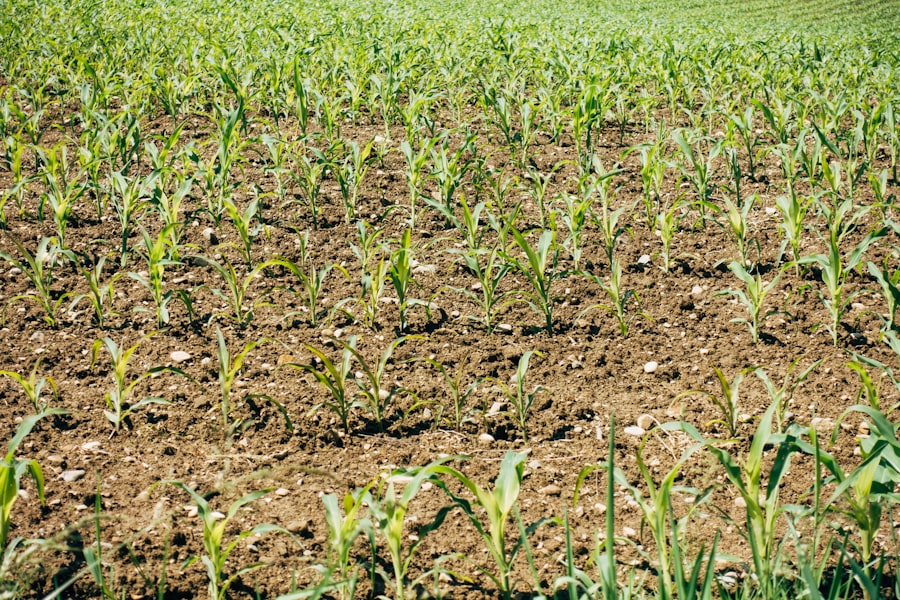
The good news is that you are not powerless. You have the knowledge, the ingenuity, and the growing awareness to implement strategies that can strike a more sustainable balance between synthetic fertilizer use and the demands of a growing population. This is not about abandoning synthetic fertilizers entirely, but about using them more wisely, more efficiently, and in conjunction with other sustainable practices.
Precision Agriculture: Smarter Application, Less Waste
You are embracing the power of technology. Precision agriculture, also known as smart farming, is revolutionizing how you apply fertilizers. Instead of blanket applications, you are using data-driven approaches to determine the exact nutrient needs of specific areas of your fields.
Variable Rate Application
This involves using GPS technology and soil sensors to map nutrient levels across a field. Based on this data, you can then adjust the amount of fertilizer applied to different zones, ensuring that plants receive what they need, where they need it, and no more. This minimizes waste, reduces environmental runoff, and saves you money.
Soil Testing and Plant Analysis
You are also recommitting to fundamental practices. Regular soil testing provides a baseline understanding of nutrient levels. Furthermore, plant tissue analysis allows you to monitor nutrient uptake by the crops themselves, enabling you to make real-time adjustments to your fertilization strategy.
Integrated Nutrient Management (INM): A Holistic Approach
You are moving beyond a sole reliance on synthetic inputs. Integrated Nutrient Management (INM) is a strategy that combines the use of synthetic fertilizers with other nutrient sources and soil improvement techniques.
Organic Fertilizers and Soil Amendments
You are rediscovering the value of organic matter. Compost, manure, and crop residues are not just waste products; they are valuable sources of slow-release nutrients and they improve soil structure, water retention, and microbial activity. Integrating these organic materials can reduce your dependence on synthetic fertilizers and build healthier, more resilient soils.
Legumes and Cover Crops
You are incorporating nitrogen-fixing legumes into your crop rotations. Legumes, like soybeans and peas, have a symbiotic relationship with certain soil bacteria that can convert atmospheric nitrogen into a form usable by plants. This naturally enriches the soil, reducing the need for synthetic nitrogen. Cover crops, planted between main cropping seasons, can also help to prevent nutrient leaching and improve soil health.
Biological Nitrogen Fixation
You are also exploring the potential of enhancing biological nitrogen fixation. Research into beneficial soil microbes that can naturally fix nitrogen is ongoing, offering the promise of further reducing synthetic nitrogen fertilizer requirements in the future.
Policy and Education: Shaping Behavior for the Better
Your individual actions are important, but systemic change requires broader support. You are recognizing the role of policies and education in fostering more sustainable fertilizer practices.
Government Incentives and Regulations
Governments can play a crucial role by offering incentives for adopting sustainable fertilizer practices, such as reduced rates for organic inputs or support for precision agriculture technologies. Conversely, regulations that limit nutrient runoff or set standards for fertilizer application can also drive positive change.
Farmer Training and Extension Services
You need to ensure that farmers have access to the knowledge and training necessary to implement these complex strategies. Robust extension services that provide practical advice, workshops, and demonstrations are vital for disseminating best practices and fostering innovation.
Consumer Awareness and Demand
Your choices as a consumer also have an impact. As you become more aware of the environmental footprint of your food, you can increasingly demand products that are produced using sustainable agricultural methods, including responsible fertilizer management. This consumer demand can create market incentives for farmers to adopt these practices.
As the global population continues to rise, the demand for food production intensifies, leading to an increased reliance on synthetic fertilizers. These fertilizers play a crucial role in enhancing crop yields, but their widespread use also raises concerns about environmental sustainability and soil health. For a deeper understanding of the implications of synthetic fertilizers on agriculture and their relationship with the growing world population, you can explore this insightful article on the topic at Freaky Science.
The Future of Food: Innovation and Responsibility
| Year | World Population | Synthetic Fertilizer Use (million metric tons) |
|---|---|---|
| 1960 | 3.03 billion | 10.5 |
| 1980 | 4.43 billion | 100.5 |
| 2000 | 6.12 billion | 150.5 |
| 2020 | 7.8 billion | 200.5 |
The challenge of feeding a growing world population sustainably is immense, but it is not insurmountable. You are on a journey of discovery, constantly seeking better ways to nourish humanity without sacrificing the health of your planet. The future of food lies in your ability to innovate and your willingness to take responsibility.
Biotechnology and Genetic Engineering
You are looking to science for answers. Advances in biotechnology and genetic engineering hold the potential to develop crop varieties that are more efficient at nutrient uptake, requiring less fertilizer. Crops that are more resistant to pests and diseases can also reduce the need for a range of chemical inputs.
Precision Fermentation and Alternative Proteins
As you think about the future, you are also exploring entirely new ways of producing food. Precision fermentation and the development of alternative proteins, such as plant-based meats and lab-grown meat, could significantly reduce the land and resource footprint associated with traditional animal agriculture, and by extension, the demand for fertilizers used in feed production.
Circular Economy Principles in Agriculture
You are increasingly applying the principles of a circular economy to agriculture. This means viewing waste not as an end product, but as a resource. Recycling nutrients from agricultural waste, urban wastewater, and food processing byproducts back into the soil can create a more closed-loop system, reducing reliance on virgin fertilizer inputs.
Global Collaboration and Knowledge Sharing
The challenges you face are global, and so too must be your solutions. You are recognizing the importance of international collaboration, sharing research, best practices, and technologies across borders. This ensures that the most effective and sustainable approaches are adopted worldwide.
Your Personal Commitment: The Power of Individual Action
Ultimately, the balance you seek will be achieved through a collective effort. But this collective effort begins with you. You are not merely an observer of this global challenge; you are an active participant.
Educate Yourself and Others
Your journey starts with understanding. Learn about the impact of synthetic fertilizers, the benefits of sustainable practices, and the innovations shaping the future of agriculture. Share this knowledge with your family, your friends, and your community.
Support Sustainable Agriculture
When you shop, make choices that support farmers who are employing sustainable practices. Look for certifications that indicate responsible fertilizer management and a commitment to environmental stewardship.
Advocate for Change
Use your voice to advocate for policies that support sustainable agriculture and responsible fertilizer use. Engage with your local representatives and support organizations working on these critical issues.
You hold in your hands the potential to shape the future of food and the health of your planet. By embracing a balanced approach to synthetic fertilizer use, by integrating innovative solutions, and by committing to responsible stewardship, you can ensure that a growing world population is nourished, and that the earth that sustains you remains vibrant and healthy for generations to come. The path is clear, though challenging. Your choices, starting today, will determine whether you tread it successfully.

We Figured Out How to Turn Air Into Food
FAQs
What is synthetic fertilizer?
Synthetic fertilizer is a man-made chemical substance that is used to provide essential nutrients to plants for their growth and development. It is produced through industrial processes and is often used in agriculture to enhance crop yields.
How does synthetic fertilizer impact world population?
Synthetic fertilizer has played a crucial role in supporting the world’s growing population by increasing agricultural productivity. It has allowed farmers to produce larger quantities of food to meet the demands of a growing population, helping to alleviate food scarcity in many regions.
What are the environmental impacts of synthetic fertilizer?
The use of synthetic fertilizer can lead to environmental issues such as water pollution, soil degradation, and greenhouse gas emissions. Excessive use of synthetic fertilizer can contribute to nutrient runoff into water bodies, leading to algal blooms and harming aquatic ecosystems.
Are there alternatives to synthetic fertilizer?
Yes, there are alternative methods to synthetic fertilizer such as organic farming practices, crop rotation, and the use of natural fertilizers like compost and manure. These methods aim to improve soil health and fertility without relying on synthetic chemicals.
What are the future implications of synthetic fertilizer on world population?
As the world population continues to grow, the demand for food will also increase. Synthetic fertilizer will likely continue to play a significant role in meeting this demand, but there is a need to address its environmental impacts and explore sustainable agricultural practices to ensure food security for future generations.