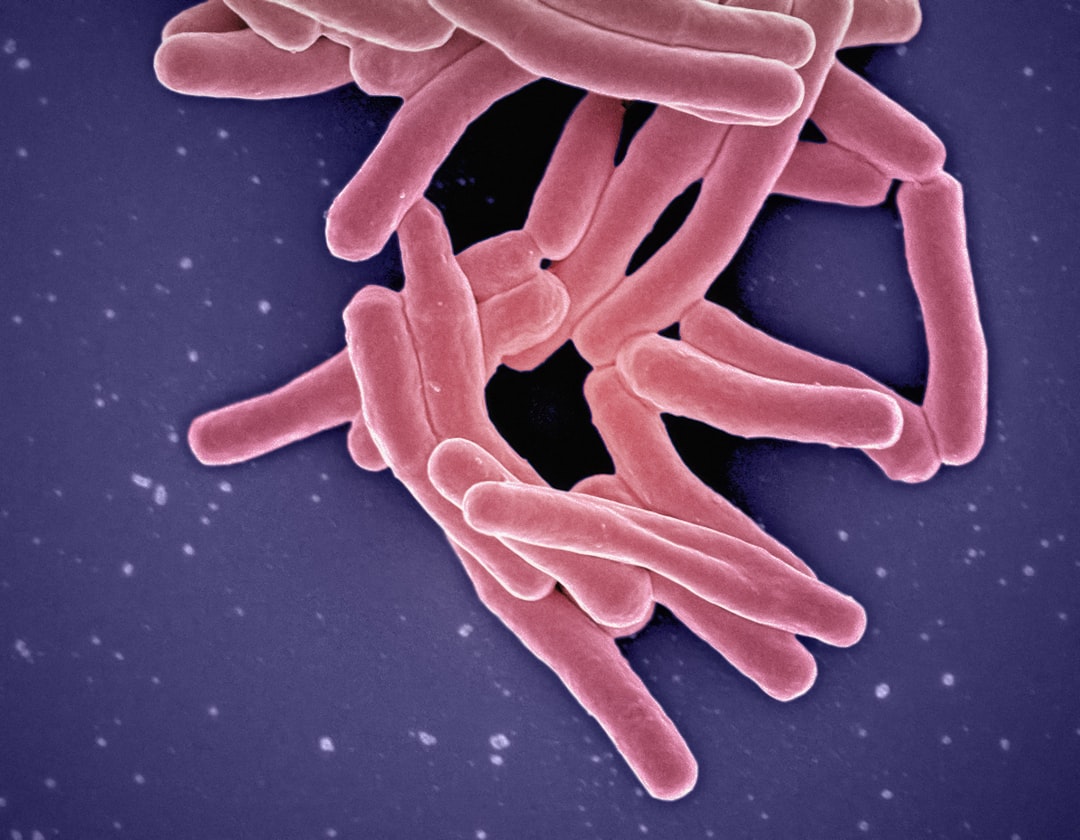
You are accustomed to thinking of bone as a sterile, inert structure, primarily a scaffold for muscles and a reservoir for minerals. However, recent investigations have revealed a surprising truth: bone is a dynamic ecosystem harboring a diverse community of microorganisms, a concept that challenges established biological paradigms. Among the most frequently detected and functionally significant bacterial phyla residing within bone are Proteobacteria and Actinobacteria. Understanding their presence, roles, and interactions is crucial for a comprehensive understanding of bone health and disease.
The human body, often perceived as a single, unified entity, is in reality a complex mosaic of microbial ecosystems. While the gut has long dominated microbiological research due to its sheer abundance of bacteria, it is becoming increasingly evident that other anatomical sites, previously considered sterile, are also colonized. Bone, in particular, has emerged as a fascinating frontier in microbiome research.
Challenges in Sampling and Isolation
Investigating the bone microbiome presents unique methodological hurdles. Unlike readily accessible sites like the skin or saliva, obtaining uncontaminated bone samples requires invasive procedures, often during orthopedic surgery or post-mortem examination. The inherent mineralized nature of bone also poses challenges for bacterial DNA extraction and culturing, as the harsh environment can degrade nucleic acids and inhibit microbial growth.
Surgical Biopsies: A Window into the Living Bone
Surgical biopsies, taken during procedures such as fracture repair or joint replacement, offer a direct glimpse into the bone microbiome of living individuals. Careful sterile techniques are paramount to avoid external contamination. The timing of the biopsy and the specific location within the bone can influence the detected microbial community, highlighting the importance of detailed sample provenance.
Post-Mortem Samples: Historical Perspectives
Post-mortem bone samples provide a valuable resource for studying the long-term presence of bacteria within bone. However, the decomposition process can significantly alter the microbial landscape. Researchers must employ techniques to differentiate between resident bacteria and those that colonize after death.
Culture-Dependent vs. Culture-Independent Methods
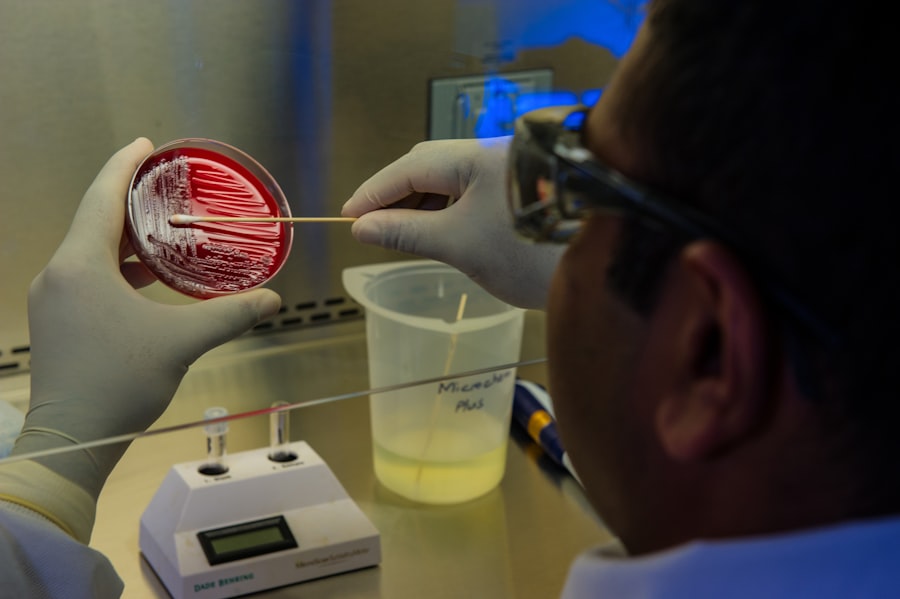
Historically, microbial identification relied heavily on culturing techniques, which involve growing bacteria on petri dishes. This approach, however, is limited by the fact that many bacteria are unculturable under standard laboratory conditions. Modern molecular techniques, such as 16S ribosomal RNA (rRNA) gene sequencing (a culture-independent method), have revolutionized our understanding by allowing for the detection of a broader range of bacteria, even those that cannot be grown in vitro.
Advantages of 16S rRNA Sequencing
16S rRNA sequencing targets a conserved gene present in all bacteria, but with variable regions that allow for phylogenetic identification. This method provides a comprehensive snapshot of the bacterial community, revealing the relative abundance of different taxa without the need for cultivation. It is particularly valuable for identifying the low-abundance and often unculturable microbes that may play critical roles in the bone environment.
Limitations and Considerations
While powerful, 16S rRNA sequencing is not without its limitations. It primarily provides taxonomic information and does not directly reveal the functional capabilities of the bacteria. Furthermore, biases can be introduced during DNA extraction, PCR amplification, and sequencing, which can affect the accuracy of relative abundance estimations.
Recent studies have highlighted the significant roles that proteobacteria and actinobacteria play in bone health and disease. These bacterial groups are not only crucial for maintaining the microbiome but also influence bone metabolism and the immune response within the skeletal system. For further insights into the relationship between these bacteria and bone health, you can refer to this informative article on the topic: Freaky Science.
Proteobacteria: Ubiquitous and Diverse Bone Inhabitants
Proteobacteria represent one of the most abundant and diverse bacterial phyla found in various environments, and bone is no exception. This phylum encompasses a wide range of Gram-negative bacteria, many of which are known for their metabolic versatility and significant roles in biogeochemical cycles. Their presence in bone suggests a complex interplay with the host and the bone matrix.
Key Classes within Proteobacteria Found in Bone
Within the phylum Proteobacteria, several classes are consistently identified in bone microbiomes. Their specific roles and implications for bone health are areas of active investigation.
Gammaproteobacteria: Opportunistic and Pathogenic Members
The class Gammaproteobacteria includes notorious pathogens like Escherichia coli and Pseudomonas aeruginosa. In the context of bone, these bacteria are often associated with osteomyelitis, a serious infection of the bone. However, their presence in non-pathological bone samples, albeit at low abundance, suggests they might also be transient or commensal residents under specific conditions.
Escherichia coli in Bone: Beyond Gut Colonization
While primarily known as a gut bacterium, E. coli has been detected in bone samples. Its ability to adapt to different environments and its potential for virulence make its presence in bone a subject of concern, particularly in individuals with compromised immune systems or pre-existing bone pathologies.
Pseudomonas aeruginosa: A Persistent Threat in Chronic Conditions
P. aeruginosa is a common cause of hospital-acquired infections and is particularly problematic in patients with cystic fibrosis or prosthetic implants. Its presence in bone, especially in the context of chronic wounds or implants, can lead to persistent infections that are difficult to eradicate due to its intrinsic resistance to antibiotics.
Alphaproteobacteria: Potential Metabolic and Signaling Roles
The class Alphaproteobacteria includes a variety of bacteria with diverse metabolic capabilities. Some species within this class have been implicated in nutrient cycling and can synthesize various compounds. Their presence in bone might contribute to host metabolism or influence bone remodeling processes.
Rickettsia Species: Obligate Intracellular Parasites
Certain Rickettsia species are known to infect various host cells, including endothelial cells. While typically associated with diseases like Rocky Mountain spotted fever, their detection in bone warrants further investigation into their potential interactions with osteoblasts and other bone cells.
Betaproteobacteria and Deltaproteobacteria: Emerging Players
Members of Betaproteobacteria and Deltaproteobacteria are also identified in bone microbiomes, though often at lower frequencies than Gammaproteobacteria and Alphaproteobacteria. Research into their specific contributions to bone physiology and pathology is ongoing.
Neisseria Species in Bone: Unusual but Observed
While most commonly associated with the respiratory tract, Neisseria species have been occasionally detected in bone. The significance of this finding remains unclear, and it could represent transient colonization or a more specialized interaction.
Proteobacteria and Bone Health: A Double-Edged Sword
The role of Proteobacteria in bone health is complex. While some members are clearly pathogenic and contribute to bone infections, others may play more nuanced roles.
Osteomyelitis: The Dark Side of Proteobacteria
Osteomyelitis, a severe bone infection, is frequently caused by Proteobacteria. These bacteria can enter the bone through the bloodstream (hematogenous spread), direct inoculation (trauma or surgery), or contiguous spread from nearby infected tissues. Once established, they can damage bone tissue, leading to pain, inflammation, and structural weakening.
Potential Commensalism and Modulation of Inflammation
In contrast to their pathogenic role, some studies suggest that certain Proteobacteria might exist as commensals within bone, potentially contributing to immune system development or modulating inflammatory responses. This aspect requires more in-depth investigation to distinguish between opportunistic pathogens and true commensals in a healthy bone environment.
Actinobacteria: Architects of Adaptation and Decomposition
The phylum Actinobacteria is another prominent inhabitant of bone, characterized by their filamentous growth and rich metabolic potential, including the ability to degrade complex organic matter. They are often associated with soil environments, but their presence in bone suggests an adaptation to diverse niches.
Key Genera within Actinobacteria in Bone
Several genera within Actinobacteria are frequently encountered in bone samples, each with potentially distinct roles.
Streptomyces: Antibiotic Producers and Decomposers
Streptomyces is a well-known genus famed for its production of antibiotics, such as streptomycin and tetracycline. Their presence in bone could imply a role in interacting with other resident microbes, potentially through antibiotic production, or in the breakdown of organic components within the bone matrix.
Antibiotic Production in Bone: A Microbial Arms Race?
The hypothesis that Streptomyces produces antibiotics within the bone environment to compete with other bacteria warrants further research. This could have implications for the overall microbial community structure and antibiotic resistance mechanisms.
Corynebacterium: Diverse Metabolism and Potential Pathogenicity
The genus Corynebacterium comprises a diverse group of bacteria, some of which are commensals, while others can be pathogenic. Corynebacterium diphtheriae, the causative agent of diphtheria, is one example. In bone, Corynebacterium species may contribute to metabolic processes or, in certain contexts, play a role in bone pathology.
Corynebacterium and the Bone Matrix: Degradation or Contribution?
Researchers are exploring whether Corynebacterium species contribute to the degradation of bone matrix components or participate in the metabolism of substances found within bone.
Nocardia: Opportunistic Pathogens with Filamentous Growth
Nocardia species are Gram-positive bacteria that exhibit filamentous growth, similar to fungi. They are known as opportunistic pathogens that can cause a range of infections, including in the lungs and skin. Their detection in bone can lead to nocardiosis, a severe infection.
Complicating Diagnosis: Fungal Mimicry
The filamentous morphology of Nocardia can sometimes lead to its misidentification as a fungus, complicating diagnosis and treatment of bone infections caused by these bacteria.
Actinobacteria’s Role in Bone Metabolism and Resilience
Actinobacteria, with their diverse metabolic capabilities, are not merely passive residents of bone. Their activities may influence the bone environment and contribute to its overall health or susceptibility to disease.
Degradation of Organic Components: Nutrient Cycling in Bone
The ability of Actinobacteria to break down complex organic molecules suggests a role in nutrient cycling within the bone. This could involve the decomposition of dead cells, extracellular matrix components, or even other microbial debris, providing essential nutrients for other bone residents or for the host.
Phagocyte Interaction and Immune Evasion: A Balancing Act
Some Actinobacteria possess mechanisms to interact with host immune cells, such as macrophages. Understanding these interactions is crucial to determine whether they contribute to persistent low-grade inflammation or if they are effectively cleared by the immune system.
Potential for Biofilm Formation: A Protective Shield
Certain Actinobacteria are known to form biofilms, which are communities of bacteria encased in a self-produced matrix. Biofilms can provide resistance to antibiotics and host immune responses, making infections more persistent and difficult to treat. This could be a factor in chronic bone infections.
Interplay and Interactions: A Microbial Community in Miniature

The bone microbiome is not a collection of isolated bacteria; it is a dynamic ecosystem where different species interact with each other and with the host. Proteobacteria and Actinobacteria, as prominent members, likely engage in complex relationships that shape the overall bone environment.
Competition for Resources: Survival of the Fittest
Within the confined space of bone, resources such as nutrients and oxygen are limited. Proteobacteria and Actinobacteria, along with other bacterial groups, likely compete for these resources. This competition can influence the relative abundance of different species and potentially drive evolutionary adaptations.
Nutrient Availability and Microbial Distribution
The availability of specific nutrients within the bone matrix can dictate which bacterial groups thrive. For instance, the presence of certain extracellular matrix components might favor Actinobacteria, while other metabolic substrates might be more readily utilized by Proteobacteria.
Synergistic and Antagonistic Relationships
It is plausible that certain species of Proteobacteria and Actinobacteria exhibit synergistic or antagonistic interactions. For example, one group might produce a metabolite that benefits another group, or conversely, one group might produce antimicrobial compounds that inhibit the growth of another.
Cross-Feeding and Metabolic Cooperation
The concept of cross-feeding, where one organism excretes a substance that another organism utilizes as a nutrient, could be at play in the bone microbiome. This could lead to the establishment of stable microbial communities.
Microbial Warfare: Antibiotic Production and Virulence Factor Secretion
As mentioned, Streptomyces may produce antibiotics, creating a competitive advantage. Conversely, pathogenic Proteobacteria might secrete virulence factors that damage host tissues, potentially creating opportunities for other microbes to colonize.
The Host as a Modulator: Immune Surveillance and Nutrient Supply
The host plays a crucial role in shaping the bone microbiome. The immune system constantly surveilles the bone for microbial invaders, and its response can influence the composition and activity of the resident bacteria. Furthermore, the host provides nutrients through blood supply and bone remodeling processes.
Immune Cell Interactions: Recognition and Clearance
Immune cells, such as osteoclasts and osteoblasts, are not only involved in bone remodeling but also interact with microbes. Understanding how these cells recognize and respond to the presence of Proteobacteria and Actinobacteria is critical.
Bone Remodeling and Microbial Dynamics
Bone remodeling, a continuous process of old bone being replaced by new bone, can also influence the microbial community. It can expose dormant bacteria, alter nutrient availability, and potentially disrupt established microbial niches.
Recent studies have highlighted the significant roles of proteobacteria and actinobacteria in bone health and disease, shedding light on their potential impact on bone metabolism. For a deeper understanding of these microbial communities and their interactions with bone tissue, you can explore a related article that discusses the intricate relationships between these bacteria and skeletal health. This research underscores the importance of maintaining a balanced microbiome for optimal bone function. To read more about this fascinating topic, visit this article.
Implications for Bone Health and Disease: Towards a Deeper Understanding
| Microorganism | Abundance in Bone | Role |
|---|---|---|
| Proteobacteria | High | Involved in bone metabolism and homeostasis |
| Actinobacteria | Low | Potential role in bone health and disease |
The presence and activities of Proteobacteria and Actinobacteria in bone have significant implications for understanding and treating a range of bone-related conditions. Moving beyond the traditional view of bone as sterile offers new avenues for therapeutic development.
Osteomyelitis: New Strategies for a Challenging Infection
The role of Proteobacteria in osteomyelitis highlights the need for targeted therapeutic approaches. Understanding the specific species involved, their antibiotic resistance patterns, and their ability to form biofilms is crucial for effective treatment.
Beyond Antibiotics: Targeting Biofilms and Host Defenses
Given the challenges in eradicating bacteria in biofilms, future treatments might involve strategies to disrupt biofilm formation, enhance host immune responses to clear internalized bacteria, or utilize bacteriophages.
Periodontal Disease: A Link Between Oral Microbiome and Bone Loss
Periodontal disease, an infection affecting the gums and supporting bone, often involves a shift in the oral microbiome, where Proteobacteria and Actinobacteria can play significant roles. Their involvement in this condition underscores the connection between systemic health and oral hygiene and its impact on bone tissue.
The Oral-Bone Axis: Mechanisms of Action
Investigating the mechanisms by which oral bacteria, including Proteobacteria and Actinobacteria, contribute to alveolar bone loss is vital for developing preventive and therapeutic strategies for periodontal disease.
Osteoarthritis and Rheumatoid Arthritis: Inflammation and Microbial Triggers
Emerging research suggests that the bone microbiome may play a role in the pathogenesis of inflammatory joint diseases like osteoarthritis and rheumatoid arthritis. Dysbiosis, an imbalance in the microbial community, could contribute to chronic inflammation and joint destruction.
Unraveling the Inflammatory Pathways
Research aims to identify specific microbial signatures associated with these conditions and to elucidate the molecular pathways through which they might trigger or exacerbate inflammation in the bone and surrounding tissues.
Bone Healing and Fracture Repair: A Microbial Contribution?
The process of bone healing after a fracture is complex and involves intricate biological signaling. It is emerging that the bone microbiome might also influence this process, potentially accelerating or hindering repair depending on its composition.
Pro-Bone Healing Microbes: A Hopeful Prospect
Identifying beneficial bacterial species that might promote bone regeneration and accelerate fracture healing presents an exciting area for future research and potential therapeutic interventions.
Future Directions: Unlocking the Bone Microbiome’s Potential
The field of bone microbiome research is rapidly evolving, with new discoveries constantly reshaping our understanding. Future investigations will likely focus on more sophisticated methods and broader clinical applications.
Functional Metagenomics and Metabolomics: Understanding “What They Do”
While 16S rRNA sequencing tells us “who is there,” functional metagenomics and metabolomics aim to reveal “what they are doing.” These techniques can identify the genes and metabolic pathways active within the bone microbiome, providing insights into the actual functions performed by Proteobacteria, Actinobacteria, and other resident microbes.
Linking Microbial Activity to Bone Physiology
Connecting the observed microbial activities to specific physiological processes in bone, such as nutrient metabolism, immune modulation, and matrix remodeling, will be a key focus.
Longitudinal Studies: Tracking Changes Over Time
Longitudinal studies that track the composition and activity of the bone microbiome in individuals over extended periods are crucial for understanding how it changes in response to aging, disease, and therapeutic interventions.
Impact of Age and Disease Progression on Bone Microbiome
Observing how the bone microbiome evolves with age and in the progression of various bone diseases will provide valuable context for its role in health and disease.
Therapeutic Interventions: Microbiome-Based Strategies
The ultimate goal of understanding the bone microbiome is to develop novel therapeutic strategies. This could include probiotics specifically designed for bone health, prebiotics to foster beneficial microbial communities, or even FMT (fecal microbiota transplantation) for specific bone conditions, though this is highly speculative for bone.
Precision Medicine and Personalized Microbiome Therapies
As our understanding grows, it is envisioned that microbiome-based therapies will become increasingly personalized, tailored to the specific microbial composition and needs of individual patients.
The journey into the bone microbiome, with Proteobacteria and Actinobacteria at its forefront, is just beginning. By embracing this microbial perspective, you can move towards a more complete and nuanced understanding of bone health and disease, potentially unlocking new avenues for diagnosis, prevention, and treatment of a wide array of bone-related conditions.
FAQs
What are proteobacteria and actinobacteria?
Proteobacteria and actinobacteria are two major phyla of bacteria. Proteobacteria are a diverse group of bacteria that includes many well-known pathogens such as Escherichia coli and Salmonella. Actinobacteria are known for their high G+C content in their DNA and include species such as Mycobacterium tuberculosis and Streptomyces.
How are proteobacteria and actinobacteria related to bone health?
Recent research has shown that proteobacteria and actinobacteria play a role in bone health. These bacteria have been found to be present in the bone microbiome and may influence bone metabolism and homeostasis.
What is the significance of proteobacteria and actinobacteria in bone health?
Understanding the role of proteobacteria and actinobacteria in bone health is important for developing new strategies for preventing and treating bone-related diseases such as osteoporosis. By studying the interactions between these bacteria and bone cells, researchers hope to uncover new insights into bone health and disease.
How do proteobacteria and actinobacteria interact with bone cells?
Proteobacteria and actinobacteria can interact with bone cells through various mechanisms, including the production of metabolites that can influence bone metabolism, as well as direct interactions with bone cells through cell surface receptors.
What are the potential implications of this research for human health?
Understanding the role of proteobacteria and actinobacteria in bone health could lead to the development of new probiotic or antibiotic therapies to target these bacteria and improve bone health. Additionally, this research may provide insights into the link between the gut microbiome and bone health, opening up new avenues for preventing and treating bone-related diseases.