
You might think that your blood type is just a label, a simple identifier for transfusions. However, emerging research suggests there’s more to it, particularly when it comes to B type blood and its intricate relationship with insulin sensitivity. This isn’t about definitive pronouncements or magic bullets; rather, it’s an exploration of observed correlations and potential physiological links that warrant your attention if you have B blood and are concerned about metabolic health.
Before delving into the specifics of B type blood, it’s crucial to grasp the fundamental role of insulin. Insulin is a hormone produced by your pancreas that acts as a key, allowing glucose (sugar) from your bloodstream to enter your cells for energy. Imagine your cells as houses needing fuel; insulin is the delivery truck bringing that fuel.
The Glucose-Insulin Cycle
Your body tightly regulates blood glucose levels. When you eat, particularly carbohydrates, your blood glucose rises. In response, your pancreas releases insulin. This insulin then signals your liver, muscles, and fat cells to absorb glucose from the blood, thereby lowering blood glucose levels. This continuous cycle is essential for maintaining stable energy for your body’s functions.
What is Insulin Sensitivity?
Insulin sensitivity refers to how effectively your cells respond to insulin. In a state of good insulin sensitivity, your cells readily take up glucose when insulin signals them. This means your pancreas doesn’t have to produce excessive amounts of insulin to keep your blood glucose within a healthy range.
When Sensitivity Declines: Insulin Resistance
Conversely, insulin resistance occurs when your cells become less responsive to insulin. Your pancreas then has to work harder, producing more insulin to achieve the same effect. Over time, this can lead to chronically elevated blood glucose levels and is a precursor to type 2 diabetes.
Factors Influencing Insulin Sensitivity
It’s important to recognize that insulin sensitivity is not solely determined by genetics. A multitude of factors play a significant role, including:
Body Weight and Composition
Excess body fat, particularly visceral fat (fat around your organs), is strongly linked to insulin resistance.
Physical Activity Levels
Regular exercise improves insulin sensitivity. When you exercise, your muscles use glucose for energy, and your cells become more responsive to insulin.
Diet
The types and quantities of food you consume directly impact blood glucose and insulin levels. Diets high in processed foods, sugar, and unhealthy fats can negatively affect insulin sensitivity.
Sleep Quality
Inadequate or poor-quality sleep can disrupt hormonal balance, including those that regulate appetite and glucose metabolism, potentially leading to insulin resistance.
Stress Levels
Chronic stress can lead to elevated cortisol levels, which can in turn interfere with insulin signaling.
Recent research has explored the intriguing connection between blood type and insulin sensitivity, particularly focusing on individuals with type B blood. A related article discusses how genetic factors associated with blood type can influence metabolic responses and insulin regulation. For more insights into this topic, you can read the full article here: Freaky Science. This exploration sheds light on the potential implications for dietary and lifestyle choices for those with type B blood, emphasizing the importance of personalized health strategies.
The Blood Type Connection: B Type and Observed Trends
Now, let’s turn our attention to the specific observations regarding B type blood and insulin sensitivity. It’s important to preface this by stating that these are correlations, not direct cause-and-effect relationships that apply universally to everyone. However, the consistency of these observations in various studies warrants further investigation and consideration.
Historical Context of Blood Type Research
The ABO blood group system was discovered in the early 20th century. While its primary use has been in blood transfusions due to antigen compatibility, researchers have for decades explored potential associations between blood types and various health conditions. These early investigations were often met with skepticism, but as scientific methodologies have advanced, more nuanced and credible associations are being identified.
Early Indicators and Research Findings
Some of the earliest research that hinted at a link between blood type and metabolic health emerged from studies examining risk factors for cardiovascular disease and diabetes. While not exclusively focused on insulin sensitivity, these studies often noted patterns that suggested certain blood types might be more predisposed to certain metabolic challenges.
Specific Observations for B Type Blood
A recurring theme in studies exploring blood types and metabolic health is a perceived slightly higher prevalence or increased risk of certain metabolic abnormalities in individuals with B type blood. This has been observed in relation to conditions like:
Blood Glucose Dysregulation
Some research has suggested a potential link between B type blood and a slightly higher likelihood of experiencing fluctuations in blood glucose levels, even in the absence of diagnosed diabetes. This could imply a subtle difference in how the body processes or responds to glucose.
Higher Prevalence of Metabolic Syndrome Components
Metabolic syndrome is a cluster of conditions that increase your risk of heart disease, stroke, and type 2 diabetes. Components include high blood pressure, high blood sugar, excess body fat around the waist, and abnormal cholesterol or triglyceride levels. Some studies have indicated a marginally higher prevalence of these components, or individual risk factors within this cluster, among individuals with B type blood.
The Nuance of Correlation vs. Causation
It is paramount to reiterate that these are correlations, not definitive causes. Having B type blood does not predestine you to metabolic issues. many individuals with B type blood are perfectly healthy and have excellent insulin sensitivity. These observed trends highlight potential areas for increased awareness and proactive health management.
Exploring Potential Physiological Mechanisms
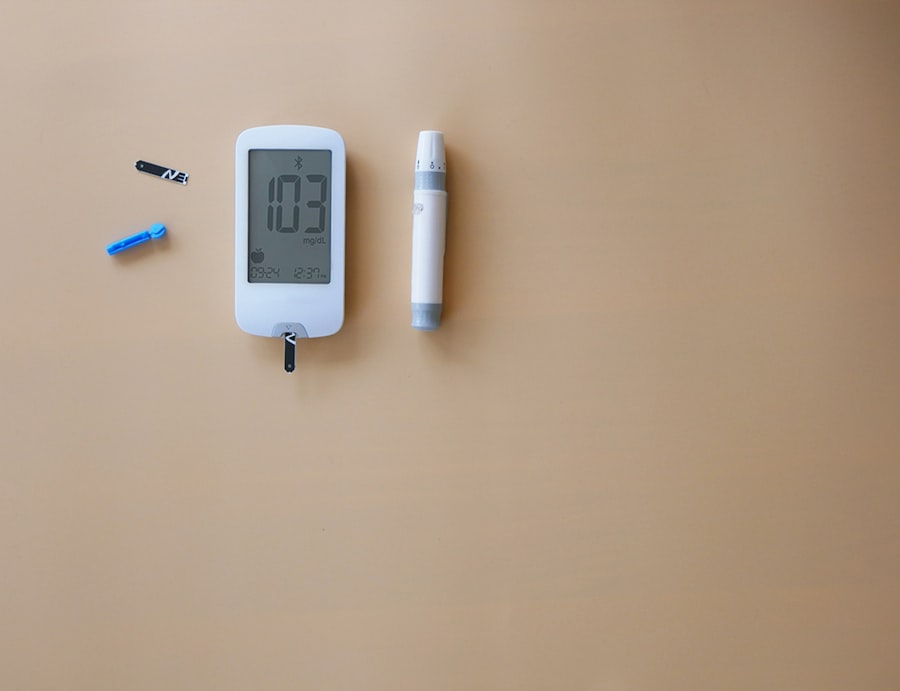
The question then becomes: if there’s a correlation, what could be the underlying biological reasons? Scientists are still unraveling these complexities, but several hypotheses are being explored, focusing on how the antigens present on red blood cells might influence various bodily processes.
The Role of ABO Antigens
Your blood type is determined by the presence or absence of specific antigens (proteins and sugars) on the surface of your red blood cells.
A Antigen
Individuals with A type blood have A antigens.
B Antigen
Individuals with B type blood have B antigens.
AB Type
Individuals with AB type blood have both A and B antigens.
O Type
Individuals with O type blood have neither A nor B antigens.
Hypotheses Linking B Antigens to Metabolic Processes
The presence of the B antigen, and potentially its interaction with other biological molecules, is being investigated for its possible influence on metabolic pathways.
Influence on Gut Microbiome Composition
Emerging research suggests that blood type antigens may play a role in shaping the composition of your gut microbiome. The gut microbiome is the community of microorganisms living in your digestive tract, and it plays a crucial role in nutrient absorption, immune function, and even hormone regulation, all of which can impact insulin sensitivity.
Specific Bacterial Preferences
It’s theorized that the specific B antigen might create an environment that favors the growth of certain types of gut bacteria over others. These differences in bacterial populations could then influence the production of metabolites that either promote or hinder insulin sensitivity.
Short-Chain Fatty Acids (SCFAs) and Gut Health
Certain gut bacteria produce short-chain fatty acids (SCFAs), such as butyrate, which have been shown to have beneficial effects on metabolic health, including improving insulin sensitivity. If the B antigen contributes to microbiome compositions that produce fewer beneficial SCFAs, this could be a contributing factor.
Potential Impact on Inflammation
Chronic low-grade inflammation is a known contributor to insulin resistance. Some hypotheses suggest that blood type antigens might influence the body’s inflammatory response.
Immune System Activation
The presence of B antigens could potentially interact with immune cells or molecules in a way that subtly alters inflammatory signaling pathways. This is a complex area of study, and more research is needed to understand these intricate interactions.
Endothelial Function and Blood Vessel Health
Insulin resistance is often accompanied by issues with endothelial function, which is the health of the lining of your blood vessels.
Glycocalyx Interactions
The glycocalyx is a protective layer of molecules on the surface of endothelial cells. Blood group antigens are carbohydrates, and there’s speculation that they might interact with or influence the integrity of the glycocalyx, potentially impacting blood flow and nutrient delivery to tissues.
The Complexity of Genetic and Environmental Interactions
It’s crucial to understand that any potential influence of blood type antigens is likely to be one factor among many, interacting with your genetics, diet, lifestyle, and environment. You are not simply defined by your blood type.
Lifestyle Interventions for Improved Insulin Sensitivity

Regardless of your blood type, the most impactful strategies for improving insulin sensitivity involve a proactive approach to your lifestyle. These interventions are universally beneficial and can help mitigate any potential predispositions.
The Foundation: Diet and Nutrition
What you eat has a direct and profound impact on your insulin sensitivity.
Prioritizing Whole, Unprocessed Foods
Focus on a diet rich in vegetables, fruits, lean proteins, and healthy fats. These foods are generally lower in refined carbohydrates and sugars, which can cause sharp spikes in blood glucose.
The Impact of Refined Carbohydrates
Refined carbohydrates, found in white bread, sugary cereals, and pastries, are rapidly broken down into glucose, leading to higher insulin demands.
The Benefits of Fiber
Dietary fiber, found in whole grains, legumes, fruits, and vegetables, slows down glucose absorption, leading to more stable blood sugar levels and less strain on your pancreas.
Managing Sugar Intake
Minimizing added sugars in your diet is one of the most effective ways to improve insulin sensitivity.
Hidden Sugars
Be aware of hidden sugars in processed foods, sauces, and beverages. Reading food labels carefully is essential.
Healthy Fats for Metabolic Health
Incorporating healthy fats, such as those found in avocados, nuts, seeds, and olive oil, can be beneficial for metabolic health and may help improve insulin sensitivity.
Saturated vs. Unsaturated Fats
While moderation is key for all fat types, prioritizing unsaturated fats over excessive saturated and trans fats is generally recommended for cardiovascular and metabolic well-being.
The Power of Physical Activity
Regular exercise is a cornerstone of improving insulin sensitivity.
Aerobic Exercise for Glucose Uptake
Aerobic activities like brisk walking, running, swimming, or cycling directly increase glucose uptake by your muscles, even without insulin.
Duration and Frequency
Aim for at least 150 minutes of moderate-intensity aerobic activity or 75 minutes of vigorous-intensity activity per week, spread throughout the week.
Strength Training for Muscle Mass
Building muscle mass through strength training is also crucial. Muscle tissue is metabolically active and plays a significant role in glucose disposal.
The Metabolic Advantage of Muscle
More muscle mass means your body can utilize glucose more efficiently, even at rest, contributing to better insulin sensitivity.
Stress Management and Sleep Quality
These often-overlooked factors have a significant impact on your hormonal balance and metabolic health.
The Hormonal Effects of Stress
Chronic stress elevates cortisol, a hormone that can promote insulin resistance and fat storage.
Mindfulness and Relaxation Techniques
Practicing stress-reduction techniques like meditation, deep breathing exercises, yoga, or spending time in nature can be highly beneficial.
The Importance of Restorative Sleep
Poor sleep quality can disrupt hormones that regulate appetite and glucose metabolism, leading to insulin resistance.
Establishing a Sleep Routine
Aim for 7-9 hours of quality sleep per night by establishing a regular sleep schedule and creating a conducive sleep environment.
Recent studies have suggested a fascinating connection between blood type and insulin sensitivity, particularly for individuals with type B blood. According to an article on this topic, people with type B blood may experience different metabolic responses compared to those with other blood types, which could influence their risk of developing insulin resistance. For more insights into this intriguing relationship, you can read the full article here. Understanding these dynamics could be crucial for tailoring dietary and lifestyle interventions for better health outcomes.
Understanding Genetic Predispositions and Blood Type Testing
| Category | Insulin Sensitivity |
|---|---|
| Fasting Insulin Levels | Lower than type A blood type |
| Glucose Tolerance | Higher than type A blood type |
| Diabetes Risk | Lower than type A blood type |
While the link between B type blood and insulin sensitivity is still an area of ongoing research, understanding your genetic predispositions can be a valuable part of a comprehensive health strategy.
The Role of Genetics in Metabolic Health
Genetics undeniably play a role in how your body functions, including your predisposition to conditions like type 2 diabetes and insulin resistance.
Family History as an Indicator
If you have a strong family history of diabetes or metabolic disorders, you may have a higher genetic risk, regardless of your blood type.
Blood Type Testing Beyond Transfusion Needs
You are likely aware of your blood type from a medical perspective, primarily for blood transfusions. However, knowing your blood type can be part of a broader understanding of your personal health profile.
Accessibility of Blood Type Information
Most individuals are aware of their blood type through medical records or previous testing. If you are unsure, it can be easily determined through a simple blood test at your doctor’s office or a commercial lab.
How Blood Type “Information” Can Inform Your Approach
Knowing that some research suggests a potential nuanced relationship between B type blood and insulin sensitivity could serve as a gentle nudge, not a definitive decree.
Empowering Proactive Health Choices
If you have B type blood and are concerned about metabolic health, use this information as motivation to be even more diligent with your lifestyle choices. It reinforces the importance of healthy eating, regular exercise, stress management, and adequate sleep, which are beneficial for everyone.
Avoiding Over-Interpretation
It’s crucial to avoid over-interpreting blood type findings. A statistically observed correlation does not mean an individual will experience a particular outcome. Your lifestyle is a far more powerful determinant of your metabolic health.
Conclusion: A Holistic Approach to Metabolic Well-being
The exploration of B type blood and its potential association with insulin sensitivity serves as a fascinating example of how seemingly simple biological markers might be woven into the complex tapestry of our health. While the scientific community continues to unravel the precise mechanisms, the overarching message remains clear: your proactive engagement with your health is paramount.
The Interplay of Factors
Remember that your health is a multifactorial equation. Your blood type is just one variable among many, and its influence, if any, is likely subtle and intertwined with your genetics, environment, diet, and lifestyle choices.
Focusing on Modifiable Risk Factors
The most empowering aspect of this discussion is that the factors most strongly linked to insulin sensitivity and metabolic health are largely within your control. You have the power to influence your body’s response to insulin through your daily habits.
Blood Type as a Potential Conversation Starter
If knowing your blood type is B, consider it an opportunity to initiate a conversation with your healthcare provider about strategies to optimize your metabolic health. It might prompt a more detailed discussion about your personal risk factors and the most effective interventions for you.
The Universality of Healthy Habits
Ultimately, the advice for maintaining good insulin sensitivity transcends blood types. A balanced, nutrient-dense diet, regular physical activity, adequate sleep, and effective stress management are the cornerstones of metabolic well-being for every individual. Embrace these principles, and you pave the way for a healthier, more energetically balanced life, regardless of the antigens on your red blood cells. Your commitment to your well-being is the most significant factor in achieving optimal insulin sensitivity.
FAQs
What is type B blood type?
Type B blood type is one of the four main blood types, determined by the presence of specific antigens on the surface of red blood cells. People with type B blood have the B antigen on their red blood cells and anti-A antibodies in their plasma.
What is insulin sensitivity?
Insulin sensitivity refers to how sensitive the body’s cells are to the effects of insulin. When cells are insulin sensitive, they respond well to insulin and are able to efficiently take up glucose from the bloodstream. Insulin sensitivity is important for maintaining stable blood sugar levels and preventing insulin resistance and type 2 diabetes.
Is there a relationship between type B blood type and insulin sensitivity?
Some research suggests that individuals with type B blood type may have a lower risk of insulin resistance and type 2 diabetes compared to individuals with other blood types. However, more studies are needed to fully understand the relationship between blood type and insulin sensitivity.
How can individuals with type B blood type improve their insulin sensitivity?
To improve insulin sensitivity, individuals with type B blood type can focus on maintaining a healthy weight, engaging in regular physical activity, and following a balanced diet that includes plenty of fruits, vegetables, whole grains, and lean proteins. Managing stress levels and getting enough sleep may also help improve insulin sensitivity.
Are there any specific dietary recommendations for individuals with type B blood type to improve insulin sensitivity?
Some proponents of the blood type diet suggest that individuals with type B blood type may benefit from consuming a diet rich in green vegetables, eggs, certain meats, and dairy products, while avoiding foods like corn, wheat, lentils, and peanuts. However, there is limited scientific evidence to support the blood type diet, and individuals should consult with a healthcare professional before making significant dietary changes.