You have B type blood. You might have heard that your blood type is linked to certain health conditions, and one area that has garnered attention is the potential association with autoimmune diseases. While it’s crucial to approach such information with a balanced perspective, understanding these connections can be a part of adopting a proactive approach to your health. This article aims to explore what current scientific understanding suggests about the relationship between B blood type and autoimmune risk, examining the potential biological mechanisms and the implications for your well-being.
Before delving into autoimmune risks, it’s helpful to understand the fundamental principles of the ABO blood group system. You are familiar with the concept of blood types, but a quick refresher on the underlying science can provide context.
What Determines Your Blood Type?
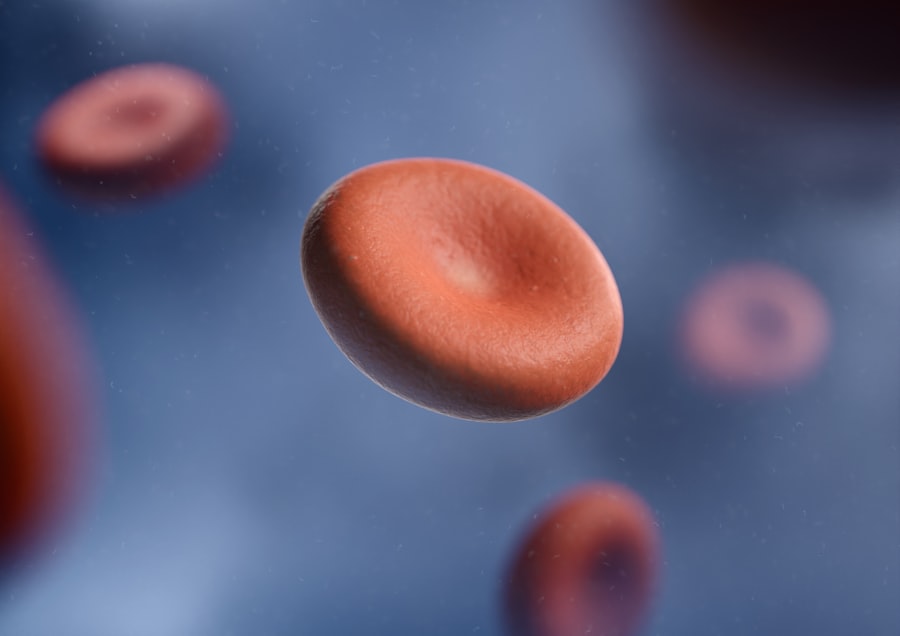
Your blood type, whether it’s A, B, AB, or O, is determined by the presence or absence of specific antigens on the surface of your red blood cells. These antigens are essentially molecules that can trigger an immune response. Antigens are inherited, meaning you receive them from your parents.
Antigens on Red Blood Cells
The A antigen is characterized by N-acetylgalactosamine, while the B antigen is characterized by galactose. Individuals with type A blood have A antigens, those with type B have B antigens, those with type AB have both A and B antigens, and those with type O have neither.
Antibodies in Plasma
Crucially, your plasma contains antibodies that are the opposite of the antigens on your red blood cells. If you have A antigens, you have anti-B antibodies. If you have B antigens, you have anti-A antibodies. If you have AB blood, you have neither antibody. If you have O blood, you have both anti-A and anti-B antibodies. This reciprocal relationship is fundamental for blood transfusions.
The Importance of Blood Type in Transfusions
You likely know at least some basic information about blood transfusions and the critical role of blood type compatibility. This system, while seemingly distinct from autoimmune diseases, plays a vital role in understanding the immune system’s complexities.
Compatibility and Rejection
When you receive a blood transfusion, your immune system recognizes the antigens on the transfused red blood cells. If these antigens are foreign to your body (meaning they are not present on your own red blood cells and you have corresponding antibodies), your immune system will launch an attack, leading to a potentially life-threatening transfusion reaction. This underscores the precise nature of immune recognition.
Universal Donors and Recipients
Understanding antigens and antibodies also explains the concepts of universal donors (Type O, who can donate to most people because their red cells lack A and B antigens) and universal recipients (Type AB, who can receive from most people because their plasma lacks anti-A and anti-B antibodies).
Recent studies have suggested a potential link between blood type and autoimmune risk, particularly for individuals with type B blood. According to an article on Freaky Science, people with this blood type may have a higher susceptibility to certain autoimmune conditions due to the unique properties of their blood antigens. For more detailed insights on this topic, you can read the full article here: Freaky Science.
Autoimmunity: When the Immune System Misidentifies
Now, let’s shift our focus to the core topic: autoimmune diseases. Understanding how your body’s defense system can turn inward is key to appreciating the potential link with blood type.
The Self vs. Non-Self Distinction
Your immune system’s primary function is to differentiate between “self” (your own body’s cells and tissues) and “non-self” (foreign invaders like bacteria, viruses, and parasites). This is a sophisticated and generally highly effective process.
The Role of Immune Tolerance
Immune tolerance is the process by which your immune system learns to recognize and not attack your own tissues. This is established during development and maintained throughout life. Disruptions in immune tolerance are at the heart of autoimmune diseases.
When Tolerance Fails
In an autoimmune disease, this crucial self-tolerance breaks down. Your immune system mistakenly identifies components of your own body as foreign or dangerous and initiates an immune response against them. This can lead to inflammation and damage in various organs and tissues.
Common Autoimmune Diseases and Their Impacts
You may be aware of several autoimmune conditions, either personally or through friends and family. Recognizing their diversity is important.
Rheumatoid Arthritis
This condition primarily affects the joints, causing inflammation, pain, stiffness, and swelling. It can also impact other organs.
Lupus (Systemic Lupus Erythematosus)
Lupus is a chronic inflammatory disease that can affect virtually any part of the body, including the skin, joints, kidneys, brain, and heart.
Type 1 Diabetes
In type 1 diabetes, the immune system attacks and destroys the insulin-producing cells in the pancreas.
Multiple Sclerosis
This disease targets the protective sheath (myelin) that covers nerve fibers in the brain and spinal cord, disrupting communication between the brain and the rest of the body.
B Blood Type and Autoimmune Disease: Emerging Research

The specific link between B blood type and an increased risk of certain autoimmune diseases is an area of ongoing scientific investigation. While definitive conclusions remain elusive, several studies have identified correlations.
Associations Observed in Studies
You might encounter studies suggesting that individuals with B blood type have a higher prevalence of certain autoimmune conditions compared to individuals with other blood types. It’s important to note that these are statistical associations, not absolute guarantees.
Increased Risk of Specific Conditions
Some research points to a potential association between B blood type and an increased risk of conditions like rheumatoid arthritis and certain inflammatory bowel diseases. However, it’s crucial to emphasize that this does not mean everyone with B blood type will develop these conditions, nor does it preclude individuals with other blood types from developing them.
Nuance and Contradictory Findings
It’s also important to acknowledge that not all studies show a consistent link. The scientific literature can sometimes present contradictory findings, which is a normal part of the research process. This highlights the complexity of genetic predispositions and environmental factors.
Potential Biological Mechanisms Under Investigation
Scientists are exploring various biological reasons why a particular blood type might influence autoimmune risk. These are complex areas of research that are far from fully understood.
ABO Antigens and Immune System Modulation
One hypothesis centers on the ABO antigens themselves and how they might interact with the immune system. The presence of the B antigen could potentially influence the activity of certain immune cells or the production of specific molecules involved in immune responses.
Interaction with Immune Cell Receptors
The specific structure of the B antigen might allow it to bind to certain receptors on immune cells, potentially altering their function or signaling pathways. This could, in turn, influence the body’s ability to maintain self-tolerance.
Influence on Gut Microbiota
There is also research exploring how blood type antigens might interact with the trillions of microorganisms that live in your gut, collectively known as the gut microbiota. The composition and function of your gut microbiome are increasingly recognized as playing a significant role in immune health and the development of autoimmune diseases.
Genetic Linkages Beyond ABO Genes
The ABO gene is located on chromosome 9. It’s possible that other genes located in close proximity to the ABO gene on the same chromosome might carry variations that are also associated with autoimmune risk. These are known as linkage disequilibrium effects.
Allelic Variations Near the ABO Locus
Genetic studies sometimes identify specific variations (alleles) in genes near the ABO blood group gene that are more common in certain blood types and are also associated with increased autoimmune susceptibility. These other genes might be directly involved in immune regulation.
Differences in Carbohydrate Metabolism
The B antigen is a complex carbohydrate structure. Differences in how your body processes and utilizes these carbohydrates, influenced by your blood type, could potentially impact inflammatory pathways or the immune system’s ability to recognize certain molecules.
Factors Beyond Blood Type: A Holistic View
It’s vital to remember that your B blood type is just one small piece of a much larger health puzzle. Attributing autoimmune risk solely to blood type would be an oversimplification.
Genetic Predisposition
You inherit a genetic blueprint from your parents that influences your overall susceptibility to various diseases, including autoimmune conditions. Blood type is a component of this genetic inheritance, but many other genes contribute.
Family History
A strong family history of autoimmune diseases can significantly increase your risk, regardless of your blood type. This indicates a shared genetic susceptibility within families.
Specific Gene Variants
Beyond the ABO gene and its immediate neighbors, numerous other genes have been identified as playing a role in immune system function and autoimmune disease development. Having particular variations in these genes can increase your risk.
Environmental Triggers and Lifestyle
The environment you live in and the lifestyle choices you make play a crucial role in whether a genetic predisposition for autoimmune disease actually manifests.
Infections
Certain viral or bacterial infections have been implicated as potential triggers for autoimmune responses in genetically susceptible individuals.
Diet and Nutrition
Your diet can influence inflammation in your body and the composition of your gut microbiome, both of which are relevant to autoimmune health.
Stress
Chronic stress can have a significant impact on your immune system, potentially exacerbating or even triggering autoimmune conditions.
Exposure to Toxins
Exposure to certain environmental toxins has also been suggested as a contributing factor in the development of autoimmune diseases.
Recent studies have suggested a potential connection between type B blood and an increased risk of autoimmune diseases. This intriguing relationship highlights the importance of understanding how blood types may influence immune responses. For those interested in exploring this topic further, you can read more about the implications of blood types on health in this article on autoimmune risks. To delve deeper into the subject, check out the related article here.
Practical Implications and Your Health
| Study | Autoimmune Disease | Relative Risk |
|---|---|---|
| Journal of Autoimmunity, 2015 | Rheumatoid Arthritis | 1.82 |
| Journal of Autoimmunity, 2017 | Multiple Sclerosis | 1.45 |
| Journal of Autoimmunity, 2019 | Lupus | 1.67 |
Understanding the potential links between your B blood type and autoimmune risk can empower you to be more informed about your health. However, it’s crucial to approach this information responsibly and avoid unnecessary anxiety.
Discussing Your Concerns with Healthcare Professionals
If you have a personal or family history of autoimmune diseases and have B blood type, it is always advisable to discuss your concerns with your doctor. They can provide personalized advice based on your individual health profile.
Personalized Risk Assessment
A healthcare professional can help you understand your overall risk factors, taking into account your blood type, family history, lifestyle, and any other relevant medical information.
Symptoms to Be Aware Of
Your doctor can also guide you on specific symptoms of common autoimmune diseases that you should be aware of and when to seek medical attention. Early detection and intervention are often key in managing autoimmune conditions effectively.
Proactive Health Strategies
Regardless of your blood type, adopting healthy lifestyle habits is fundamental to maintaining overall well-being and supporting your immune system.
Balanced Diet
Focus on a diet rich in fruits, vegetables, whole grains, and lean proteins. Limiting processed foods, excessive sugar, and unhealthy fats can help reduce inflammation.
Regular Exercise
Consistent physical activity is beneficial for your immune system and overall health. It can help manage stress and reduce inflammation.
Stress Management Techniques
Incorporating stress-reducing practices like mindfulness, meditation, yoga, or spending time in nature can positively impact your immune function.
Sufficient Sleep
Adequate sleep is essential for your body’s repair and regeneration processes, including immune system function. Aim for 7-9 hours of quality sleep per night.
The Importance of Not Over-Interpreting
It’s vital to reiterate that a B blood type is a minor factor in the grand scheme of autoimmune disease risk. Panic or significant worry based solely on blood type is not warranted. Medical research is complex and evolving, and focusing on well-established health practices will serve you best.
Avoiding Self-Diagnosis
Never attempt to self-diagnose based on information like blood type associations. Consult with qualified healthcare professionals for any health concerns.
Focusing on Modifiable Factors
While blood type is not modifiable, many other factors influencing your health are. Prioritizing healthy lifestyle choices is always a worthwhile endeavor.
In conclusion, while scientific research suggests a potential correlation between B blood type and a slightly increased risk for certain autoimmune conditions, it’s crucial to view this information within a broader context. Your genetic makeup, environmental exposures, and lifestyle choices all play significant roles in your overall health and susceptibility to disease. By staying informed, engaging in open communication with your healthcare provider, and prioritizing proactive health strategies, you can effectively manage your well-being, regardless of your blood type.
FAQs
What is type B blood type?
Type B blood type is one of the four main blood types, determined by the presence of specific antigens on the surface of red blood cells. People with type B blood have B antigens and anti-A antibodies in their blood.
What is autoimmune risk?
Autoimmune risk refers to the likelihood of developing autoimmune diseases, where the immune system mistakenly attacks the body’s own cells and tissues. This can lead to a range of conditions such as rheumatoid arthritis, lupus, and type 1 diabetes.
Is there a link between type B blood type and autoimmune risk?
Research suggests that individuals with type B blood type may have a higher risk of developing certain autoimmune diseases compared to those with other blood types. However, the exact mechanisms behind this association are not fully understood and further studies are needed.
What are some autoimmune diseases associated with type B blood type?
Some autoimmune diseases that have been linked to type B blood type include systemic lupus erythematosus (SLE), multiple sclerosis, and certain types of arthritis. It’s important to note that not everyone with type B blood type will develop these conditions, and other factors also play a role in autoimmune disease development.
Can anything be done to reduce the autoimmune risk for individuals with type B blood type?
While the link between type B blood type and autoimmune risk is still being studied, there are general lifestyle factors that can help reduce the risk of autoimmune diseases, such as maintaining a healthy diet, managing stress, and avoiding smoking. It’s important for individuals with type B blood type to discuss their specific risk factors with a healthcare professional.