
The aviation industry operates on a bedrock of meticulous engineering and stringent safety protocols. Among the myriad of systems designed to ensure flight safety, those related to engine relighting and the management of oxygen—both for crew and passengers—occupy a critical position. Engine relight failures, though statistically rare, represent a significant hazard, demanding robust contingency planning and a deep understanding of the factors influencing their occurrence. Concurrently, maintaining adequate oxygen availability under various flight conditions is paramount for physiological well-being and crew performance. This article delves into the complexities of aviation relight failures and the essential concept of oxygen margins, exploring their causes, consequences, and mitigation strategies.
An engine relight failure in aviation refers to the inability of a jet engine to ignite its fuel-air mixture and resume its normal operational state after flameout or shutdown. This can occur due to a variety of factors, often exacerbated by the unique environmental conditions encountered during flight. The engine, like a finely tuned instrument, relies on a precise interplay of fuel, air, and ignition to sustain combustion. When this delicate balance is disrupted, a flameout can occur, and subsequently, a successful relight may prove elusive.
Causes of Flameouts
Flameouts are the precursors to relight failures and are themselves triggered by the disruption of the combustion process within the engine. These disruptions can stem from external environmental factors or internal engine anomalies.
Environmental Factors
- Ingestion of Foreign Object Damage (FOD): Birds, ice, or debris ingested by the engine can disrupt the airflow and fuel-air mixture, leading to flameout. Imagine a delicate dance suddenly interrupted by a stray pebble; the rhythm is broken.
- Severe Turbulence and Wind Shear: Violent changes in airflow can destabilize the combustion flame, causing it to extinguish. This is akin to a candle flame being buffeted by a strong gust of wind.
- Icing Conditions: Ice accretion on compressor blades or within the combustion chamber can alter airflow and introduce moisture, leading to flameout.
- Extreme Altitudes and Temperatures: At very high altitudes, the air is thin and cold, making combustion less efficient and more prone to disruption. Similarly, extreme cold can affect fuel properties and engine performance.
Engine System Malfunctions
- Fuel System Issues: Clogging or failure of fuel nozzles, fuel pumps, or control valves can interrupt the supply of fuel to the combustion chamber. This is like the arteries supplying an organ becoming blocked.
- Ignition System Failure: Malfunctioning igniters or the ignition exciters can prevent the initial spark needed to ignite the fuel-air mixture.
- Compressor Stall or Surge: These are aerodynamic instabilities within the compressor section that can lead to a sudden disruption of airflow and flameout.
- Sensor Failures: Faulty sensors providing incorrect information about parameters like fuel flow, temperature, or pressure can mislead the engine control system, potentially leading to shutdown.
The Relight Process
The relight process is a controlled sequence designed to re-establish combustion within an engine that has experienced a flameout. This typically involves the ignition system providing a spark while fuel is reintroduced into the combustion chamber. The success of this process is highly dependent on the engine’s state, the ambient conditions, and the functioning of various engine systems.
Ignition and Fuel Introduction
- Ignition System Activation: Once a flameout is detected, the aircraft’s ignition system is typically activated to provide a continuous spark within the combustion chamber.
- Fuel Metering: The engine control system, or in some older aircraft, the pilot, will adjust fuel flow to create an ignitable mixture with the incoming air. The precise amount of fuel is critical; too little, and it won’t ignite; too much, and it can lead to a rich mixture that is difficult to burn or can even cause damage.
Factors Affecting Relight Success
- Altitude: As altitude increases, air density decreases, making it harder to achieve the necessary fuel-air ratio and maintain sufficient combustion energy. Relighting at lower altitudes is generally more straightforward.
- Airspeed: Sufficient airspeed is required to force air through the engine and create the necessary airflow for combustion. At very low airspeeds, relighting can be extremely challenging.
- Engine Temperature: A hot engine is generally more conducive to relighting than a cold one, as the residual heat can assist in ignition and combustion.
- Aerodynamic Conditions: The presence of turbulence or engine rotation speed can significantly impact the success of a relight.
In the context of aviation safety, understanding the implications of relight failure and oxygen margins is crucial for ensuring the reliability of aircraft operations. A related article that delves deeper into this topic can be found at Freaky Science, where it explores the critical factors that influence oxygen availability during flight and the potential consequences of relight failures in various flight scenarios. This resource provides valuable insights for both aviation professionals and enthusiasts interested in the complexities of aircraft performance and safety measures.
Implications of Engine Relight Failures
The inability to relight an engine, particularly at critical phases of flight, can have severe consequences, ranging from increased pilot workload and diversion to catastrophic loss of control. The redundancy built into multi-engine aircraft is a testament to the understanding of these potential failures.
Single-Engine vs. Multi-Engine Operations
- Single-Engine Aircraft: A relight failure in a single-engine aircraft is almost invariably an emergency, requiring immediate diversion to the nearest suitable airport. The aircraft’s ability to maintain altitude and control is compromised, and the pilot must manage a glide to landing.
- Multi-Engine Aircraft: While multi-engine aircraft are designed to operate with one engine out, a failure to relight can still be highly problematic. The crew must assess the situation, manage the remaining engines, and potentially conduct an emergency landing. The loss of thrust from an unserviceable engine, coupled with the inability to restore it, places a significant demand on the aircraft’s performance envelope and the crew’s decision-making.
Critical Flight Phases
- Takeoff and Initial Climb: This is perhaps the most critical phase for engine issues. The aircraft is at its lowest altitude, lowest airspeed, and highest weight, making it least capable of coping with unexpected thrust loss. A relight failure here significantly increases the risk of runway excursion or inability to gain sufficient altitude.
- Approach and Landing: While aircraft often have more performance margin on approach, a relight failure can complicate landing procedures, especially in challenging weather or at airports with short runways.
Pilot Workload and Decision Making
The occurrence of an engine relight failure dramatically increases pilot workload. The crew must:
- Identify the failed engine and confirm no relight.
- Execute appropriate emergency checklists.
- Manage aircraft control with asymmetric thrust.
- Communicate with air traffic control.
- Make critical decisions regarding diversion or emergency landing.
- Monitor the performance of the remaining engines.
This cognitive load is amplified under stress, underscoring the importance of thorough training and standardized procedures.
Aviation’s Oxygen System: A Lifeline in the Sky
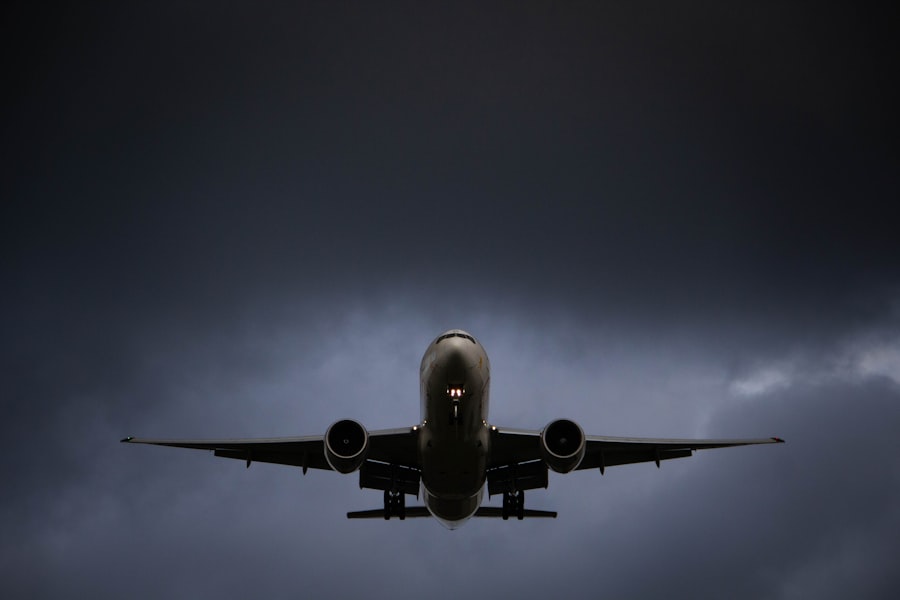
Beyond the mechanics of engine operation, the aviation industry places immense importance on ensuring adequate oxygen supply throughout the flight. This is crucial for both the physiological well-being of the flight crew and passengers, and for maintaining optimal performance in emergency situations. Oxygen margins refer to the surplus of available oxygen beyond the minimum required for normal operations and emergencies, providing a buffer against unforeseen circumstances.
Physiological Effects of Hypoxia
Hypoxia, a deficiency in the amount of oxygen reaching the tissues, can have a progressive and insidious effect on human physiology and cognitive function. The effects are often subtle at first, but can rapidly become incapacitating.
Crew Performance Impairment
- Impaired Judgment and Decision Making: Even mild hypoxia can impair judgment, leading to errors in complex tasks and decision-making. This can be like trying to solve a complex puzzle with clouded vision.
- Decreased Coordination and Dexterity: Fine motor skills and coordination are diminished, affecting the pilot’s ability to control the aircraft.
- Reduced Situational Awareness: The ability to perceive and process information about the aircraft’s state, its environment, and potential threats is compromised.
- Euphoria or Drowsiness: In some cases, early hypoxia can induce a false sense of well-being (euphoria) or a feeling of drowsiness, making individuals less likely to recognize their impairment.
Passenger Well-being
While passengers have less direct responsibility for flight operations, adequate oxygen is essential for their comfort and safety, especially in the event of cabin depressurization.
Oxygen Supply Systems
Aircraft are equipped with various oxygen supply systems designed to provide breathable air under different conditions. These systems are engineered with redundancy and reliability in mind.
On-Board Oxygen Generation Systems (OBOGS)
- Principles of Operation: Increasingly common, OBOGS systems generate oxygen from the surrounding air using molecular sieves or other technologies. These systems offer advantages in terms of weight and the elimination of the need to carry bulky oxygen tanks.
- Advantages and Disadvantages: OBOGS systems can provide a continuous supply of oxygen, but their output can be affected by ambient air temperature and pressure.
Stored Oxygen Systems
- Oxygen Cylinders: Traditional systems utilize high-pressure oxygen cylinders. These are reliable but have a finite capacity and require regular refilling.
- Dilution Systems: In some aircraft, oxygen is not supplied directly but is mixed with cabin air to create a breathable atmosphere rich enough to prevent hypoxia. This conserves stored oxygen.
Emergency Oxygen Requirements
During flight, specific regulations dictate the minimum amount of oxygen that must be carried and the duration for which it must be available in emergency situations, such as cabin depressurization.
Cabin Depressurization Events
- Rapid Depressurization: A sudden loss of cabin pressure requires immediate deployment of oxygen masks for all occupants. The duration of emergency oxygen supply is calculated to allow the aircraft to descend to a safe altitude or land.
- Gradual Depressurization: Slower leaks in the cabin pressure can lead to a more insidious onset of hypoxia, making it difficult to detect. This highlights the importance of crew monitoring and oxygen monitoring systems.
Quantifying Oxygen Margins
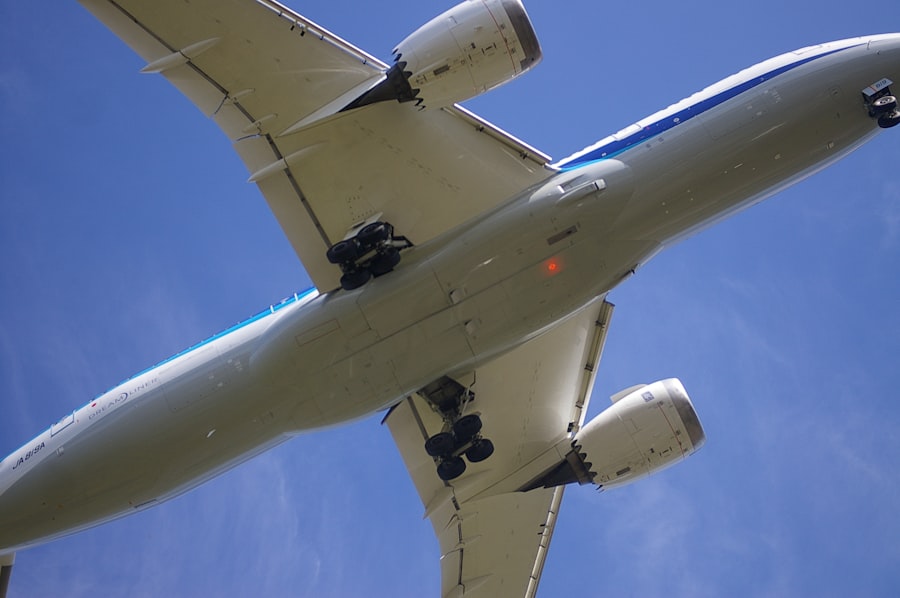
Oxygen margins are not an arbitrary concept but a carefully calculated aspect of flight safety. They represent the difference between the oxygen required and the oxygen available, providing a buffer against worst-case scenarios.
Factors Influencing Oxygen Requirements
Several factors influence the amount of oxygen an aircraft and its occupants require. Understanding these variables is crucial for accurate margin calculations.
Altitude and Flight Duration
- Higher Altitudes: As aircraft climb to higher altitudes, the partial pressure of oxygen in the atmosphere decreases, necessitating the use of supplemental oxygen even for healthy individuals. This is the fundamental reason for oxygen systems in commercial aviation.
- Longer Flights: Longer flight durations mean more time spent at altitude, increasing the cumulative oxygen demand.
Passenger Load and Physiology
- Number of Occupants: The total number of people on board directly impacts the overall oxygen requirement.
- Individual Physiological Needs: Factors such as age, health conditions (e.g., respiratory or cardiovascular issues), and individual acclimatization to altitude can influence oxygen needs for specific passengers.
Calculating Available Oxygen
The total available oxygen onboard is a sum of the oxygen provided by the aircraft’s systems, minus any buffer or reserve requirements.
System Capacity and Performance
- OBOGS Output: The rate at which an OBOGS can generate oxygen, and its performance at various altitudes, are critical factors.
- Stored Oxygen Volume and Pressure: The volume of oxygen in stored cylinders and the pressure within them dictate the duration of supply, especially at higher altitudes where the oxygen is used at a faster rate per unit volume.
Establishing Safety Margins
The concept of oxygen margins is about building in layers of safety. It’s like having a spare tire in your car; you hope you never need it, but its presence provides peace of mind and a critical capability if the primary tire fails.
Regulatory Requirements and Best Practices
Aviation authorities establish minimum oxygen requirements based on extensive research and historical data. These regulations serve as the baseline for oxygen margin calculations. Airlines often implement supplemental policies that exceed these minimums to further enhance safety.
Contingency Planning for Unforeseen Events
Oxygen margins are designed to accommodate deviations from planned flight conditions, such as unexpected delays, extended holding patterns, or the need for a higher-than-planned descent profile due to air traffic control instructions.
A recent article on aviation safety highlights the critical importance of understanding oxygen margins in the context of relight failures during flight. The discussion emphasizes how inadequate oxygen levels can impact engine performance and overall flight safety, making it essential for pilots and engineers to be aware of these factors. For a deeper dive into this topic, you can read more about it in the article found here. This resource provides valuable insights into the complexities of aviation systems and the measures needed to ensure safe operations.
Mitigation Strategies and Future Directions
| Parameter | Value | Unit | Description |
|---|---|---|---|
| Oxygen Margin | 15 | % | Percentage of excess oxygen available during relight |
| Minimum Oxygen Concentration | 19.5 | % | Minimum oxygen concentration required for successful relight |
| Relight Time | 5 | seconds | Time allowed for engine relight after flameout |
| Oxygen Flow Rate | 2.5 | liters/second | Oxygen flow rate supplied during relight attempt |
| Failure Rate | 0.02 | % | Percentage of relight attempts that fail due to oxygen margin issues |
| Altitude at Relight | 10,000 | feet | Typical altitude where relight failure due to oxygen margin is assessed |
Addressing engine relight failures and ensuring robust oxygen margins are ongoing efforts within the aviation industry. Continuous research, technological advancements, and rigorous training play vital roles.
Improving Engine Relight Technology
Efforts are constantly underway to improve the reliability and performance of engine relight systems.
Enhanced Ignition Systems
- Advanced Igniter Designs: Research into more robust and efficient igniter designs aims to increase the probability of successful ignition under a wider range of conditions.
- Automated Relight Systems: Modern engines feature sophisticated automated systems that can detect flameouts and initiate relighting sequences with greater speed and accuracy.
Predictive Maintenance and Monitoring
- Engine Health Monitoring (EHM): Advanced EHM systems can detect subtle anomalies in engine performance that may indicate an increased risk of flameout, allowing for proactive maintenance.
- Real-time Diagnostics: The ability to monitor engine parameters in real-time provides valuable data for diagnosing issues and informing decisions during flight.
Enhancing Oxygen System Reliability and Capacity
The focus on oxygen systems is on ensuring their performance and capacity under all foreseeable circumstances.
Innovations in Oxygen Generation
- More Efficient OBOGS: Ongoing development in OBOGS technology aims to improve their efficiency, reliability, and output capacity, particularly at higher altitudes.
- Backup and Redundant Systems: Designing aircraft with redundant oxygen generation or supply systems provides an additional layer of safety in the event of a primary system failure.
Crew Training and Simulation
- Realistic Scenario Training: Pilots undergo extensive training in simulators that replicate engine relight failures and depressurization events. This ensures they are proficient in executing emergency procedures under high-stress conditions.
- Human Factors Training: Understanding the psychological impact of emergencies, including the effects of hypoxia and stress on decision-making, is a critical component of pilot training.
The aviation industry’s commitment to safety is a dynamic process, continuously evolving to meet the challenges of flight. The meticulous attention paid to engine relight capabilities and oxygen margins is a testament to this dedication, ensuring that the skies remain the safest place to travel.

WATCH NOW ▶️ SHOCKING: Why Your Air Is Literally A Lie
FAQs
What is aviation relight failure?
Aviation relight failure refers to the inability of an aircraft engine to successfully restart or “relight” after flameout or shutdown during flight. This can occur due to various factors such as fuel supply issues, compressor stalls, or adverse atmospheric conditions.
Why are oxygen margins important in aviation relight scenarios?
Oxygen margins represent the available oxygen levels necessary for combustion during engine relight attempts. Adequate oxygen margins ensure that the engine can reignite properly, especially at high altitudes where oxygen concentration is lower, making relight more challenging.
At what altitudes is relight failure most critical?
Relight failure is most critical at high altitudes, typically above 30,000 feet, where the air is thinner and oxygen levels are reduced. At these altitudes, the engine requires precise oxygen margins to successfully restart, and failure to do so can compromise flight safety.
What measures are taken to prevent relight failure in aircraft engines?
Aircraft engines are designed with advanced ignition systems, fuel control mechanisms, and monitoring sensors to optimize relight capability. Pilots are also trained in specific procedures to manage engine flameouts and attempt relight, including adjusting aircraft attitude and airspeed to improve oxygen availability.
How do oxygen margins affect pilot decision-making during an engine flameout?
Oxygen margins influence pilot decisions by determining the feasibility and timing of an engine relight attempt. Pilots must consider altitude, airspeed, and environmental conditions to ensure sufficient oxygen is available for combustion. If oxygen margins are insufficient, pilots may need to descend to lower altitudes before attempting a relight.