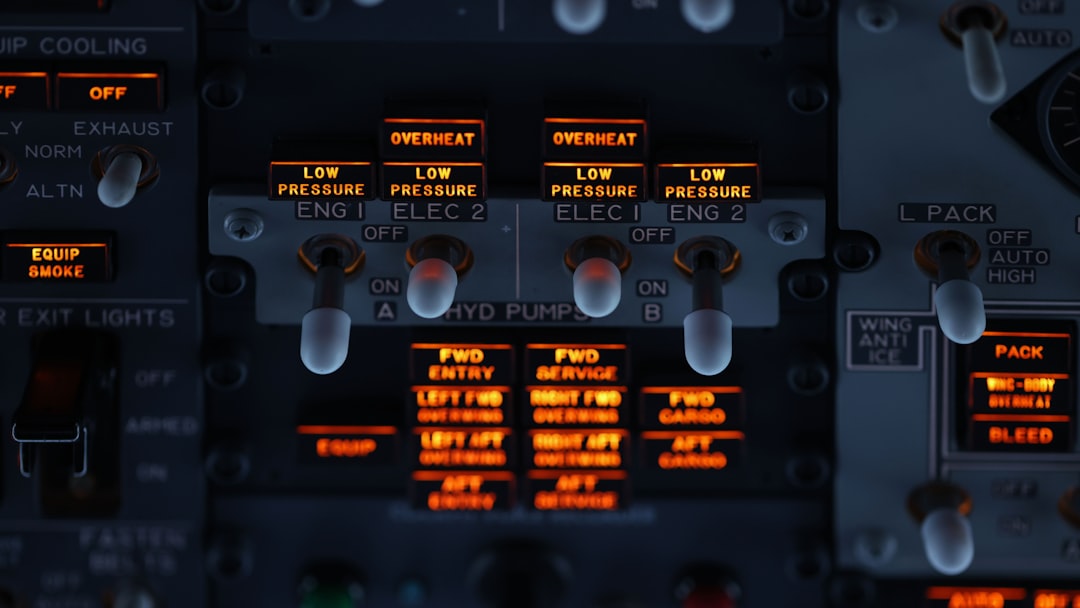
Radiation monitoring has become essential for protecting aviation personnel. As global air travel increases, cosmic radiation exposure poses a growing health concern for aviation workers. Pilots, flight attendants, and crew members experience higher radiation levels than the general population due to their work at high altitudes and extended flight hours.
Systematic monitoring and management of radiation exposure is necessary to protect these workers’ health. Radiation monitoring serves two primary functions. First, it safeguards the health of aviation crews by tracking their exposure levels.
Second, it ensures compliance with regulatory requirements established by aviation authorities. Effective radiation monitoring systems enable airlines to verify that employees remain within recommended exposure limits. This approach establishes a safety-focused organizational culture and strengthens operational standards, which builds confidence among passengers and stakeholders.
The Earth’s Magnetic Field plays a crucial role in protecting our planet from solar radiation.
Key Takeaways
- Radiation tracking is crucial to protect aviation crews from harmful exposure during flights.
- Understanding radiation risks helps in developing effective safety protocols for crew health.
- Advanced technology and tracking systems enable accurate monitoring of radiation levels.
- Training and education empower crews to manage and minimize radiation exposure effectively.
- Collaboration and regulation are essential to ensure consistent radiation safety standards in aviation.
Understanding the Risks of Radiation Exposure in Aviation
The risks associated with radiation exposure in aviation are multifaceted and warrant careful consideration. Cosmic radiation, which originates from outer space, increases with altitude, meaning that flight crews are exposed to higher levels than individuals on the ground. This exposure can lead to various health issues, including an increased risk of cancer, genetic mutations, and other long-term health effects.
Understanding these risks is essential for both aviation professionals and regulatory bodies tasked with ensuring their safety. Moreover, the cumulative nature of radiation exposure adds another layer of complexity to the issue. Unlike many occupational hazards that may be acute or isolated, radiation exposure accumulates over time.
This means that even relatively low levels of exposure can pose significant risks if not monitored and managed effectively. As such, it is crucial for aviation crews to be educated about these risks and for airlines to implement robust tracking systems that can accurately measure and report radiation levels encountered during flights.
How Radiation Exposure Affects Aviation Crews
The effects of radiation exposure on aviation crews can manifest in various ways, both physically and psychologically. Physically, studies have shown that long-term exposure to elevated levels of cosmic radiation can lead to an increased incidence of certain types of cancer, particularly skin cancer and leukemia. Additionally, there are concerns about potential reproductive health issues and other chronic conditions that may arise from prolonged exposure.
These health risks underscore the necessity for vigilant monitoring and management of radiation levels among flight crews. Psychologically, the awareness of potential health risks associated with radiation exposure can lead to anxiety and stress among aviation personnel. The knowledge that they are regularly exposed to higher-than-average levels of radiation can create a sense of unease, impacting their overall job satisfaction and performance.
Therefore, addressing both the physical and psychological effects of radiation exposure is essential for maintaining a healthy and effective workforce in the aviation industry.
Implementing Radiation Tracking Systems for Aviation Crews
Implementing effective radiation tracking systems is vital for managing the exposure levels of aviation crews. These systems can take various forms, from personal dosimeters worn by crew members to centralized monitoring systems that track radiation levels in real-time during flights. By utilizing advanced technology, airlines can ensure that they are accurately measuring the radiation exposure experienced by their employees, allowing for timely interventions if necessary.
Moreover, the implementation of these systems requires collaboration between airlines, regulatory bodies, and technology providers. Establishing standardized protocols for radiation tracking ensures consistency across the industry and helps to build trust among aviation crews regarding their safety. By fostering an environment where safety is prioritized through effective tracking measures, airlines can enhance their reputation while also protecting their most valuable asset—their employees.
The Role of Technology in Radiation Tracking for Aviation Crews
| Metric | Description | Typical Range | Unit | Measurement Frequency |
|---|---|---|---|---|
| Cosmic Radiation Dose | Amount of ionizing radiation received from cosmic sources during flight | 2 – 9 | microsieverts per hour (µSv/h) | Per flight hour |
| Cumulative Annual Dose | Total radiation dose accumulated by crew over a year | 1 – 6 | millisieverts (mSv) | Annually |
| Flight Altitude | Altitude at which the aircraft operates, affecting radiation exposure | 30,000 – 45,000 | feet | Per flight |
| Flight Duration | Length of each flight segment | 1 – 15 | hours | Per flight |
| Solar Activity Level | Solar radiation intensity affecting cosmic radiation levels | Low, Moderate, High | N/A | Daily |
| Radiation Dose per Flight | Estimated radiation dose received during a single flight | 0.01 – 0.1 | millisieverts (mSv) | Per flight |
| Exposure Limit | Maximum recommended radiation dose for aviation crew | 20 | millisieverts per year (mSv/year) | Annually |
Technology plays a pivotal role in enhancing radiation tracking for aviation crews. Innovations such as portable dosimeters equipped with advanced sensors allow for precise measurement of radiation exposure in real-time. These devices can provide immediate feedback to crew members about their exposure levels, enabling them to make informed decisions about their work schedules and flight assignments.
Additionally, data analytics and cloud computing have revolutionized how airlines manage and analyze radiation exposure data. By aggregating data from multiple flights and crew members, airlines can identify trends and patterns in radiation exposure, leading to more informed policy decisions regarding flight routes and schedules. This technological integration not only improves safety but also contributes to a more efficient operational framework within the aviation industry.
Training and Education for Aviation Crews on Radiation Safety
Training and education are essential components in promoting radiation safety among aviation crews. Comprehensive training programs should be developed to inform crew members about the sources of radiation they may encounter during flights, the potential health risks associated with exposure, and the importance of monitoring their own exposure levels. By equipping crew members with knowledge, airlines empower them to take an active role in managing their health and safety.
Furthermore, ongoing education is crucial as new research emerges regarding radiation exposure and its effects. Regular workshops and refresher courses can help keep aviation crews informed about best practices for minimizing exposure and understanding the latest advancements in radiation tracking technology. This commitment to education not only enhances safety but also fosters a culture of continuous improvement within the airline industry.
Monitoring and Assessing Radiation Exposure for Aviation Crews
Monitoring and assessing radiation exposure is a continuous process that requires diligence from both airlines and regulatory bodies. Airlines must establish protocols for regularly reviewing exposure data collected from tracking systems to ensure compliance with safety standards. This involves analyzing trends over time to identify any potential areas of concern or patterns that may indicate increased risk.
In addition to internal monitoring, collaboration with external regulatory agencies is essential for maintaining transparency and accountability in radiation safety practices. Regular audits and assessments by these agencies can help ensure that airlines are adhering to established guidelines while also providing valuable insights into best practices within the industry. By fostering a collaborative approach to monitoring and assessment, all stakeholders can work together to enhance the safety and well-being of aviation crews.
Collaboration and Regulation in Ensuring Radiation Safety for Aviation Crews
Collaboration among various stakeholders is vital in ensuring effective radiation safety measures for aviation crews. Regulatory bodies play a crucial role in establishing guidelines and standards that govern acceptable levels of radiation exposure for flight personnel. These regulations must be informed by scientific research and data analysis to ensure they reflect current understanding of radiation risks.
Airlines must actively engage with regulatory agencies to stay abreast of changes in guidelines and best practices related to radiation safety. This collaboration can lead to the development of industry-wide standards that promote consistency in how airlines monitor and manage radiation exposure among their crews. By working together, airlines, regulatory bodies, and technology providers can create a safer working environment for aviation professionals while also enhancing public confidence in air travel.
Addressing Concerns and Misconceptions About Radiation Exposure in Aviation
Addressing concerns and misconceptions about radiation exposure in aviation is essential for fostering a culture of safety within the industry. Many individuals may harbor fears about the dangers associated with cosmic radiation without fully understanding the context or the measures in place to mitigate risks. It is crucial for airlines to engage in transparent communication with their employees about the realities of radiation exposure, including statistical data on risk levels compared to other occupational hazards.
Educational initiatives aimed at dispelling myths surrounding radiation exposure can help alleviate anxiety among aviation crews. By providing clear information about how radiation is monitored, what safety measures are implemented, and how risks are managed, airlines can empower their employees with knowledge that promotes confidence in their work environment.
The Future of Radiation Tracking for Aviation Crews
The future of radiation tracking for aviation crews looks promising as advancements in technology continue to evolve. Emerging technologies such as artificial intelligence (AI) and machine learning have the potential to revolutionize how airlines monitor radiation exposure. These technologies can analyze vast amounts of data quickly, identifying patterns that may not be immediately apparent through traditional methods.
Additionally, as awareness grows regarding the importance of occupational health and safety, there will likely be increased investment in research focused on understanding the long-term effects of radiation exposure on aviation personnel. This research will inform future regulations and best practices, ensuring that airlines remain at the forefront of safety measures designed to protect their crews.
Ensuring the Well-being of Aviation Crews Through Radiation Safety Measures
Ultimately, ensuring the well-being of aviation crews through effective radiation safety measures is a shared responsibility among all stakeholders in the industry. Airlines must prioritize the health and safety of their employees by implementing robust tracking systems, providing comprehensive training programs, and fostering a culture of transparency regarding radiation risks.
As air travel continues to grow, maintaining a focus on safety will be paramount in ensuring that aviation remains a safe mode of transportation for both crew members and passengers alike.
A recent article on aviation crew radiation tracking highlights the importance of monitoring exposure levels for flight personnel, given the increasing awareness of the potential health risks associated with cosmic radiation at high altitudes. For more in-depth information on this topic, you can read the article on Freaky Science by following this link: Freaky Science.
WATCH THIS! 💡 NASA KNEW: The Magnetic Field Secret They Didn’t Tell You
FAQs
What is aviation crew radiation tracking?
Aviation crew radiation tracking refers to the monitoring and recording of cosmic radiation exposure experienced by airline crew members during flights. This is important because at high altitudes, cosmic radiation levels are higher than at ground level.
Why is radiation tracking important for aviation crew?
Radiation tracking is important because prolonged exposure to cosmic radiation can increase health risks for flight crew, including potential increased risk of cancer. Monitoring helps ensure that exposure stays within safe regulatory limits.
What sources of radiation do aviation crews face?
The primary source of radiation for aviation crews is cosmic radiation from outer space, which is more intense at higher altitudes and latitudes. Solar particle events can also temporarily increase radiation levels.
How is radiation exposure measured for aviation crews?
Radiation exposure is typically measured using dosimeters worn by crew members or through software models that estimate exposure based on flight altitude, latitude, duration, and solar activity.
Are there regulations governing radiation exposure for flight crews?
Yes, many countries have regulations and guidelines to limit occupational radiation exposure for flight crews. For example, the International Commission on Radiological Protection (ICRP) recommends dose limits and monitoring practices.
What tools or systems are used for tracking radiation exposure?
Tools include personal dosimeters, flight data-based software programs, and airline or regulatory agency tracking systems that calculate cumulative radiation doses for crew members.
Can radiation exposure be reduced during flights?
While cosmic radiation cannot be completely avoided, exposure can be minimized by optimizing flight routes, altitudes, and scheduling to reduce time spent at high altitudes and latitudes during periods of increased solar activity.
Who is responsible for monitoring aviation crew radiation exposure?
Airlines, aviation authorities, and occupational health organizations typically share responsibility for monitoring and managing radiation exposure among flight crews.
Is radiation exposure a concern for passengers as well?
Passengers are exposed to cosmic radiation during flights, but because their exposure is generally infrequent and of short duration, it is not considered a significant health risk compared to occupational exposure for crew.
How often is radiation exposure data reviewed for aviation crews?
Radiation exposure data is usually reviewed regularly, such as monthly or quarterly, to ensure cumulative doses remain within safe limits and to adjust work schedules if necessary.