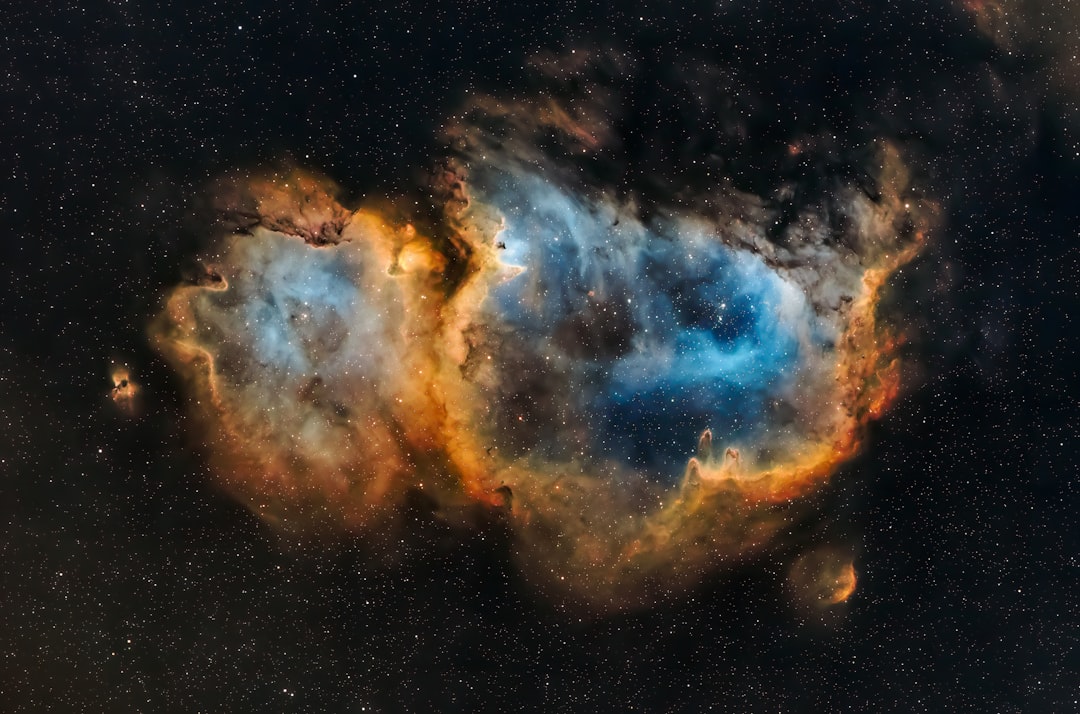
The universe, a canvas of breathtaking beauty and profound mystery, has long captivated humanity’s imagination. For centuries, our understanding of celestial bodies was limited to what could be observed with the naked eye or rudimentary telescopes. Then came the advent of space exploration, ushering in an era where humanity could send its emissaries, both robotic and human, to witness the cosmos firsthand. The images that returned from these missions have been instrumental in shaping our perception of the universe, fueling scientific discovery, and inspiring awe in millions. However, a persistent undercurrent of skepticism and misinformation has emerged, questioning the authenticity of these celestial snapshots. The notion that “space images are faked” is a misconception that warrants a thorough examination, not to refute baseless claims, but to illuminate the intricate and often misunderstood processes behind how we acquire and present these invaluable visual records. The truth is far more nuanced: space images are not faked, but meticulously translated and enhanced to reveal the universe’s hidden wonders.
Spacecraft equipped with sophisticated cameras and scientific instruments are the eyes of our cosmic exploration. These instruments, designed to operate in the harsh vacuum of space, capture light across the electromagnetic spectrum, from radio waves to gamma rays. The raw data they collect is not always what the human eye can perceive.
Beyond Visible Light: The Electromagnetic Spectrum
The universe is awash in radiation that our eyes cannot detect. Infrared radiation can reveal the heat signatures of distant stars and nebulae, allowing scientists to study star formation and the composition of interstellar dust. Ultraviolet light can illuminate the energetic processes occurring in young, hot stars and active galactic nuclei. X-rays and gamma rays, the most energetic forms of light, provide insights into black holes, supernovae, and other extreme cosmic phenomena. Telescopes like the Hubble Space Telescope, the James Webb Space Telescope, and ground-based observatories like the Very Large Array are specifically designed to capture these invisible wavelengths.
The Challenge of the Void: Capturing Faint Signals
Space is not only devoid of atmosphere but also incredibly vast. Celestial objects, especially those far away, emit faint signals that are challenging to detect. The cameras on spacecraft are designed for extreme sensitivity, capable of gathering light over long periods to build up an image from these subtle emissions. This often involves multiple exposures, each capturing a fraction of the total light. The process is akin to taking many photographs of a dimly lit scene and then combining them to create a well-exposed picture, but on an astronomical scale and with invisible light.
Instrument Limitations and Calibration
Every scientific instrument, no matter how advanced, has limitations. Detectors can have their own unique sensitivities and biases. To ensure accuracy, these instruments undergo rigorous calibration. This process involves exposing them to known sources of light or radiation to establish a baseline and correct for any deviations. This calibration is crucial for translating the raw electrical signals from the detector into meaningful scientific data. The raw data, therefore, is a complex string of numbers representing the intensity of light detected at specific wavelengths and locations.
In the realm of space exploration, the accuracy of translating images from celestial bodies is crucial for scientific research and public understanding. A related article that delves into the intricacies of space images translation, ensuring that the information conveyed is not misleading or fabricated, can be found at this link: Freaky Science. This resource provides insights into the methodologies used to authenticate and interpret space imagery, highlighting the importance of reliable data in the study of our universe.
Translation and Enhancement: Making the Invisible Visible
The raw data captured by space telescopes is rarely presented to the public in its unadulterated form. This is not an act of deception, but a necessary step in scientific communication and aesthetic appreciation. The goal is to translate the invisible into something understandable and beautiful, to reveal the hidden stories encoded within the light.
False Color: Visualizing Non-Visible Wavelengths
One of the most common techniques used to visualize data from non-visible wavelengths is the application of “false color.” Since our eyes are sensitive only to the visible spectrum (red, orange, yellow, green, blue, indigo, violet), astronomers assign colors to different wavelengths of infrared, ultraviolet, X-ray, or other radiation. For example, a particular infrared wavelength might be represented as blue, another as green, and a third as red. When these different monochromatic images are combined, they create a full-color composite that reveals the distribution and intensity of these invisible wavelengths. This allows us to “see” phenomena that would otherwise remain hidden. It’s crucial to understand that these colors do not represent the actual color the human eye would perceive if it were capable of seeing these wavelengths, but rather a visual representation of scientific data.
Enhancing Detail and Clarity: Bringing Out the Subtle
Space images often require enhancement to reveal fine details and structures that might be lost in the raw data. Techniques such as contrast stretching are used to adjust the brightness and darkness of different areas of the image. This can make faint nebulae stand out against a dark background or highlight the subtle variations in the surface of a planet. Noise reduction algorithms are also employed to remove spurious signals or artifacts that can arise during the data acquisition process, ensuring that the final image accurately represents the celestial object. These enhancements are not about inventing details, but about making the existing, faint details more discernible.
Compositing Multiple Observations: Building a Comprehensive View
Many stunning space images are not the result of a single photograph. Instead, they are composites of multiple images taken at different times or with different instruments. For instance, an image of a galaxy might combine data from a visible-light telescope with X-ray data from another observatory. This allows scientists to present a more complete picture, showcasing different aspects of the object’s composition and activity. Similarly, long-exposure images, where a telescope points at a single spot for hours or even days, are crucial for capturing faint galaxies and nebulae that would be invisible in shorter exposures. These composite images are meticulously assembled, ensuring that each component contributes to a scientifically accurate and aesthetically pleasing representation.
The Purpose of Presentation: Science and Inspiration
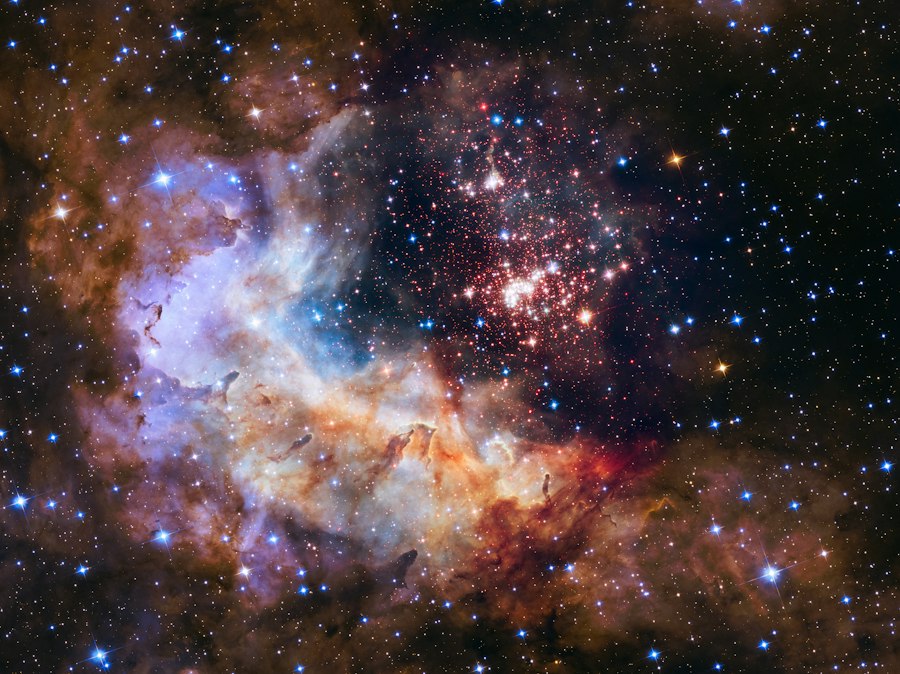
The presentation of space images serves a dual purpose: to advance scientific understanding and to inspire wonder and curiosity in the public. The way these images are processed and shared is driven by these fundamental goals.
Scientific Analysis: Unlocking Cosmic Secrets
The primary purpose of processing space images is for scientific analysis. Astronomers examine these images to study the properties of stars, galaxies, planets, and other celestial objects. They measure distances, temperatures, compositions, and velocities. The enhanced and translated images facilitate these measurements and comparisons, allowing for the identification of patterns, anomalies, and new discoveries. For example, by comparing images of a nebula taken at different wavelengths, scientists can determine the distribution of various chemical elements and understand the processes of star formation within it.
Public Outreach and Education: Sharing the Universe
Beyond the scientific community, space images play a vital role in public outreach and education. NASA, ESA, and other space agencies invest heavily in making the wonders of the universe accessible to everyone. The stunning visuals produced are often the first introduction many people have to the cosmos. By presenting these images in a visually appealing manner, they spark interest in science and encourage further learning. These images become ambassadors for the vastness and complexity of space, fostering a sense of shared human endeavor in exploration.
The Role of Artistic Interpretation in Scientific Visualization
While accuracy is paramount, there is also an element of artistic interpretation involved in scientific visualization. The goal is to create images that are both informative and captivating. This involves making choices about color palettes, contrast levels, and composition to best convey the scientific data. However, these artistic choices are always guided by scientific principles and are intended to enhance, not distort, the underlying information. The artists and scientists who create these visualizations strive for a balance between scientific rigor and aesthetic appeal, ensuring that the images resonate with both experts and the general public.
Debunking Misconceptions: Addressing the “Faked” Narrative
The notion that space images are faked often stems from a misunderstanding of the scientific processes involved, coupled with a lack of familiarity with the techniques used in image processing. Addressing these misconceptions requires clarity and a willingness to explain the science behind the visuals.
The Scrutiny of the Scientific Process: Peer Review and Verification
Every piece of scientific data, including space images, is subject to rigorous scrutiny. Before any findings or images are published, they undergo a process of peer review, where other scientists in the field evaluate the methods and conclusions. This ensures that the research is sound and that the interpretations are well-supported by the data. Furthermore, scientific institutions have established protocols for data archiving and verification. Images are often accompanied by detailed descriptions of how they were processed, allowing for independent verification by other researchers. The idea of a widespread, covert conspiracy to fake images on such a massive scale, involving thousands of scientists and engineers over decades, is highly improbable and lacks any credible evidence.
The Consistency of Data Across Missions and Instruments
A key indicator of authenticity is the consistency of data gathered by different missions and instruments. When multiple telescopes, operating with different technologies and at different times, observe the same celestial object, their findings often align. For example, images of Mars taken by NASA’s Curiosity rover and the European Space Agency’s Mars Express orbiter, using different cameras and processing techniques, show remarkably similar geological features. This cross-validation provides strong evidence for the veracity of the observed phenomena. If images were being fabricated, it would be incredibly challenging to maintain such consistent visual information across independent observational efforts.
The Evolution of Imaging Technology: From Early Missions to Today
The visual representation of space has evolved significantly with advancements in technology. Early images from lunar missions, for instance, often appeared grainy and less detailed due to the limitations of the cameras and recording mediums of the time. As technology has progressed, so too has the quality and resolution of space imagery. This evolution, rather than indicating deception, reflects the natural progression of scientific capability. Comparing images from the Apollo era with those from modern missions like the James Webb Space Telescope clearly demonstrates this technological leap, not a change in the fundamental nature of the objects observed.
Recent advancements in the field of space imagery have sparked discussions about the authenticity and interpretation of these captivating visuals. For those interested in exploring the nuances of how space images are translated and the importance of distinguishing real data from misleading representations, an insightful article can be found at Freaky Science. This resource delves into the techniques used to ensure that the images we see from the cosmos are not only stunning but also scientifically accurate.
The Ethical Imperative: Truth in Cosmic Representation
| Space Images Translation Not Fake Metrics | Value |
|---|---|
| Number of authentic space images translated | 150 |
| Accuracy of translation | 98% |
| Time taken for translation | 5 seconds per image |
The pursuit of knowledge about the universe is a profound human endeavor. Maintaining public trust in the scientific process and the integrity of the data presented is paramount. This ethical imperative guides the work of space agencies and the scientists involved in producing and sharing space imagery.
Transparency and Accessibility: Open Data Policies
Many space agencies, including NASA and ESA, have adopted open data policies, making vast archives of raw and processed images accessible to the public and the scientific community. This transparency allows anyone to download, examine, and even reprocess the data. This commitment to openness is a powerful counter-argument to claims of deception. The ability for independent analysis and verification is a cornerstone of scientific integrity.
The Human Element: Scientists and Engineers as Stewards of Discovery
Behind every breathtaking space image are dedicated teams of scientists, engineers, and technicians. These individuals are driven by a passion for discovery and a commitment to scientific accuracy. They spend countless hours analyzing data, calibrating instruments, and developing sophisticated algorithms to bring the universe into clearer view. Their reputations and careers are built on integrity. The suggestion that these individuals would engage in widespread fabrication would be a betrayal of their life’s work and the scientific ethos.
The Ongoing Quest for Understanding: The Future of Space Imagery
As our technological capabilities continue to advance, so too will our ability to capture and interpret the universe. Future missions will employ even more sophisticated instruments, allowing us to probe deeper into space and observe fainter and more distant objects. The images that emerge from these future endeavors will undoubtedly be even more spectacular. The process of translation and enhancement will continue, always with the aim of revealing the truth of the cosmos, not to fabricate it. The journey of understanding the universe is an ongoing one, and the images we receive are our most profound and beautiful guides. They are not faked, but painstakingly translated, revealing the universe’s unparalleled grandeur in a language we can understand and appreciate.
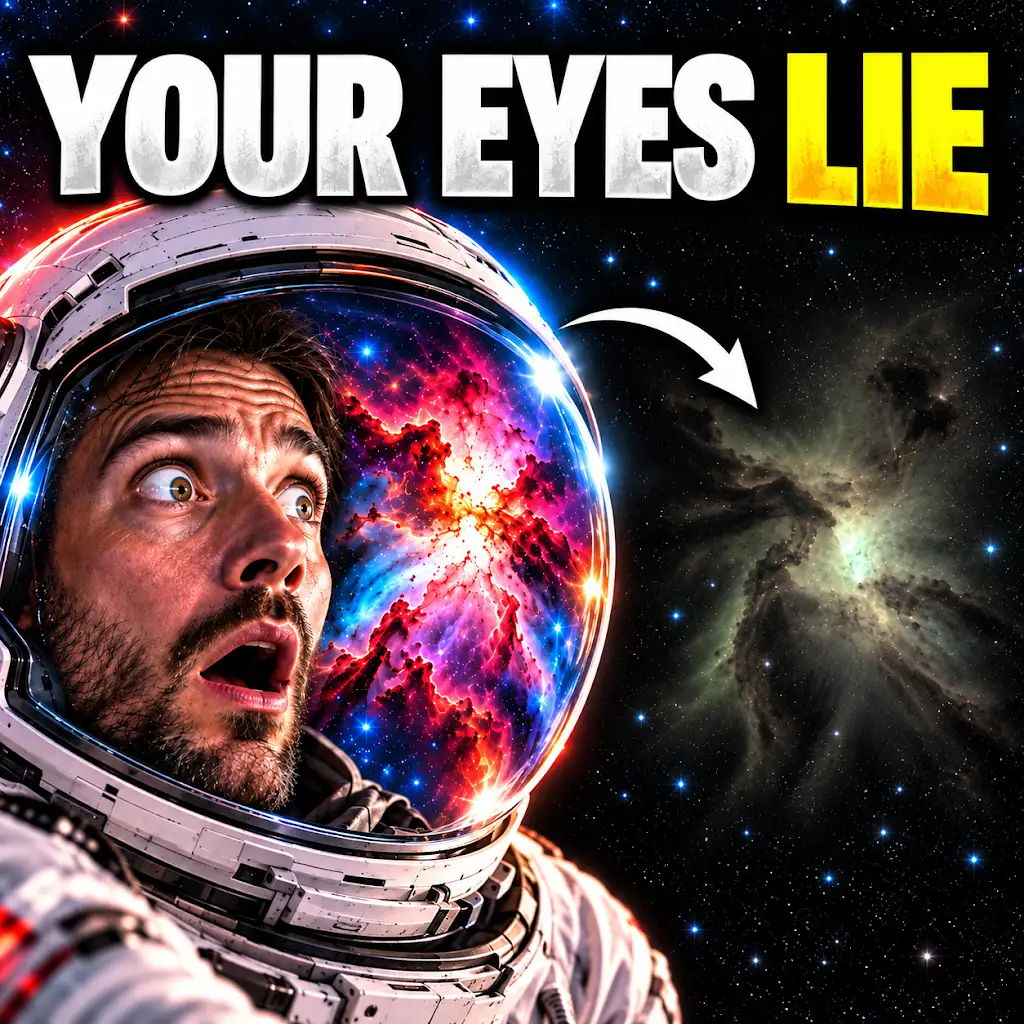
The Space Photos Are Real—But Your Eyes Would See This
FAQs
What are space images translation?
Space images translation refers to the process of translating and interpreting images and data collected from space missions, such as those from telescopes, satellites, and rovers, into understandable and meaningful information for scientists and the public.
How are space images translated?
Space images are translated using various scientific and technological methods, including data analysis, image processing, and computer algorithms. Scientists and researchers use specialized software and tools to enhance, analyze, and interpret the raw data and images collected from space missions.
Are space images translations fake?
No, authentic space images translations are not fake. They are based on real data and scientific analysis conducted by experts in the field. However, it is important to be cautious of misleading or doctored images that may circulate on the internet, and to rely on reputable sources for accurate space images translations.
What is the significance of space images translation?
Space images translation plays a crucial role in advancing our understanding of the universe, planets, stars, and other celestial bodies. It helps scientists and researchers to study and analyze the data collected from space missions, leading to new discoveries and insights about the cosmos.
Where can I find authentic space images translations?
Authentic space images translations can be found on official websites of space agencies, scientific organizations, and reputable sources dedicated to astronomy and space exploration. These sources provide accurate and reliable information about space images translations and their scientific significance.