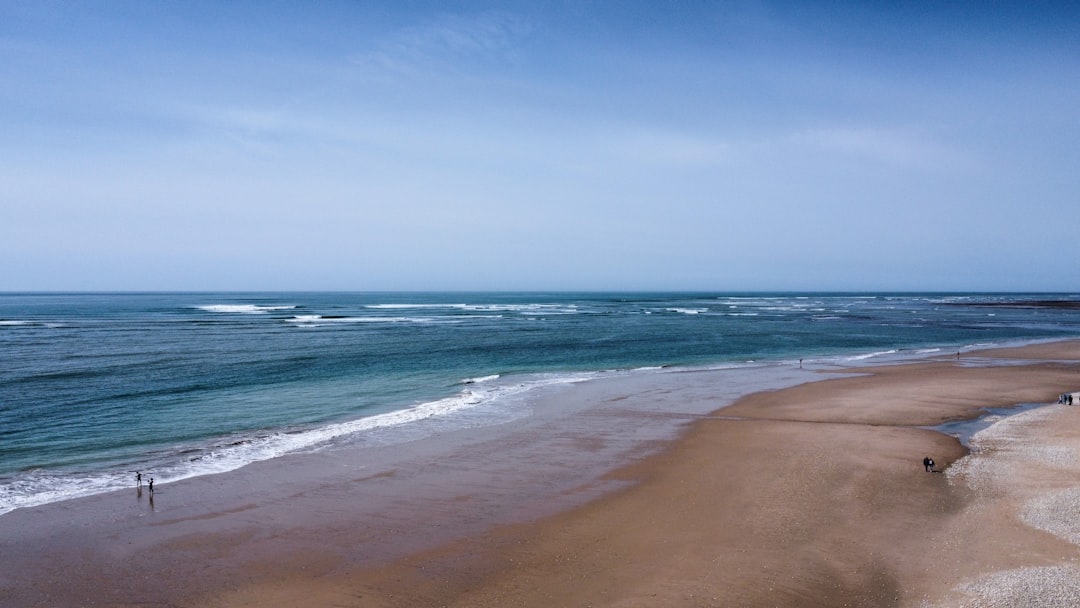
The Atlantic Ocean, a dynamic and vast body of water, is currently experiencing significant shifts in its salinity patterns. These changes are not isolated events but rather interconnected phenomena with far-reaching consequences for marine ecosystems, global climate, and human societies. This article will delve into the multifaceted nature of Atlantic Ocean salinity shifts, exploring their underlying causes, observed impacts, and potential implications for the future.
Ocean salinity refers to the concentration of dissolved salts in seawater, primarily sodium chloride. It is a fundamental property of ocean water, influencing its density, stratification, and circulation. Salinity is measured in practical salinity units (PSU) or parts per thousand (‰). Globally, the average ocean salinity is approximately 35 PSU, though this figure varies considerably across different ocean basins and depths.
Factors Influencing Salinity
Several natural processes govern ocean salinity. Readers should consider these as the gears of a complex hydrological machine.
- Evaporation: The removal of freshwater from the ocean surface through evaporation leaves behind a higher concentration of salts, increasing salinity. This process is particularly pronounced in warm, arid regions.
- Precipitation: Rainfall and snowfall add freshwater to the ocean, diluting the salt concentration and decreasing salinity.
- River Runoff: Rivers discharge large volumes of freshwater into the ocean, contributing to localized reductions in salinity, particularly near continental margins.
- Ice Formation and Melting: When seawater freezes, the dissolved salts are excluded from the ice lattice, leaving behind a brine that is saltier than the original seawater. Conversely, the melting of sea ice or glaciers releases freshwater, decreasing salinity.
- Ocean Circulation: Large-scale ocean currents redistribute heat and salt, influencing the spatial distribution of salinity. For instance, the Atlantic Meridional Overturning Circulation (AMOC) plays a crucial role in transporting saline waters northward.
Measuring Salinity
The measurement of ocean salinity has evolved significantly over time. Early methods involved chemical titration, while modern techniques primarily rely on conductivity measurements. Salinometers, equipped with highly accurate sensors, measure the electrical conductivity of seawater, which is directly proportional to its salt content. Satellite altimetry and remote sensing also provide valuable data for monitoring large-scale salinity patterns.
Recent studies have highlighted significant changes in the salinity of the Atlantic Ocean, which could have profound implications for global climate patterns. For a deeper understanding of the factors influencing these changes and their potential impacts, you can refer to a related article on this topic at Freaky Science. This resource provides insights into the complex interactions between ocean currents, temperature variations, and salinity levels, shedding light on the broader consequences for marine ecosystems and weather systems worldwide.
Observed Salinity Shifts in the Atlantic
Recent decades have witnessed notable and often contrasting salinity changes across different regions of the Atlantic Ocean. These shifts are characterized by both increases in some areas and decreases in others, creating a complex tapestry of change.
The Salter-Gets-Salter, Fresher-Gets-Fresher Paradigm
A prominent observation in the Atlantic is the intensification of existing salinity contrasts. This phenomenon, often termed the “salter-gets-salter, fresher-gets-fresher” paradigm, highlights a global pattern where regions already saline are becoming more so, while fresher regions are experiencing further dilution. In the Atlantic, this translates to:
- Increased Salinity in Subtropical Gyres: The subtropical North and South Atlantic, characterized by high evaporation and low precipitation, have shown a trend of increasing salinity. This region acts as a great evaporative lung, exhaling freshwater vapor and leaving behind denser, saltier water.
- Decreased Salinity in High Latitudes: Conversely, the subpolar North Atlantic and the Southern Ocean have experienced freshening. This is attributed to increased freshwater input from melting glaciers and ice sheets, as well as enhanced precipitation in these regions, reflecting the global hydrological cycle’s shifting gears.
Regional Variations and Anomalies
While the general “salter-gets-salter, fresher-gets-fresher” trend holds broadly, specific regions within the Atlantic exhibit unique salinity anomalies.
- North Atlantic Freshening Events: Historically, periods of significant freshening have been observed in the subpolar North Atlantic, particularly during the 1960s and 1970s. These events were linked to enhanced freshwater delivery from Arctic rivers and melting sea ice. Such events can act as a natural brake on ocean circulation.
- South Atlantic Salinification: The South Atlantic has, in general, shown a trend towards increased salinity, particularly in its upper layers. This is consistent with increased evaporation and reduced precipitation in tropical and subtropical regions.
- Amazon River Plume Influence: The immense discharge of the Amazon River creates a significant freshwater plume that extends into the tropical North Atlantic, locally reducing salinity and influencing marine biochemical processes. This plume is a massive freshwater lens, constantly reshaping the ocean’s surface.
Drivers of Atlantic Salinity Changes

Attributing the observed salinity shifts to specific drivers is a complex endeavor, as multiple factors often interact. However, scientific consensus points towards anthropogenic climate change as a primary, overarching force.
Climate Change and the Intensified Water Cycle
The most significant driver of Atlantic salinity changes is the intensification of the global hydrological cycle, directly linked to rising global temperatures. As the planet warms:
- Enhanced Evaporation: Warmer ocean temperatures lead to increased evaporation from the ocean surface, particularly in subtropical gyres. This acts like a giant distiller, removing freshwater and leaving behind a saltier residue.
- Increased Precipitation in High Latitudes: A warmer atmosphere can hold more moisture, leading to increased precipitation, especially in high-latitude regions. This additional freshwater acts as a diluent, reducing salinity.
- Melting Ice Sheets and Glaciers: One of the most visually dramatic consequences of global warming is the accelerating melt of land-based ice, including the Greenland Ice Sheet and various glaciers. This freshwater runoff directly flows into the Atlantic, contributing to freshening in the subpolar regions.
Changes in Ocean Circulation
The intricate network of ocean currents plays a pivotal role in redistributing heat and salt throughout the Atlantic. Shifts in these circulation patterns can profoundly impact salinity distribution.
- Atlantic Meridional Overturning Circulation (AMOC): The AMOC, a critical component of global ocean circulation, transports warm, saline waters northward and colder, less saline waters southward at depth. Evidence suggests a weakening of the AMOC in recent decades, with potential implications for salinity transport. A weakening AMOC could mean reduced northward transport of salt, potentially contributing to freshening in the subpolar North Atlantic and increased salinity in the subtropics. This is akin to a conveyor belt slowing down, affecting the delivery of its cargo.
- Regional Current Shifts: Smaller-scale current systems and eddies also influence localized salinity patterns. Changes in their intensity, trajectories, or frequency can have regional impacts on freshwater and salt distribution.
Natural Variability
While anthropogenic warming is a dominant factor, natural climate variability also contributes to salinity fluctuations.
- Atlantic Multidecadal Oscillation (AMO): The AMO is a naturally occurring oceanic phenomenon characterized by multidecadal oscillations in sea surface temperatures across the North Atlantic. These temperature fluctuations are often associated with changes in trade winds, evaporation, and precipitation, consequently affecting salinity.
- North Atlantic Oscillation (NAO): The NAO is an atmospheric pressure seesaw between the Icelandic Low and the Azores High. Its phases influence storm tracks, precipitation patterns, and surface wind stress, all of which can alter ocean salinity on interannual to decadal timescales.
Impacts on Marine Ecosystems
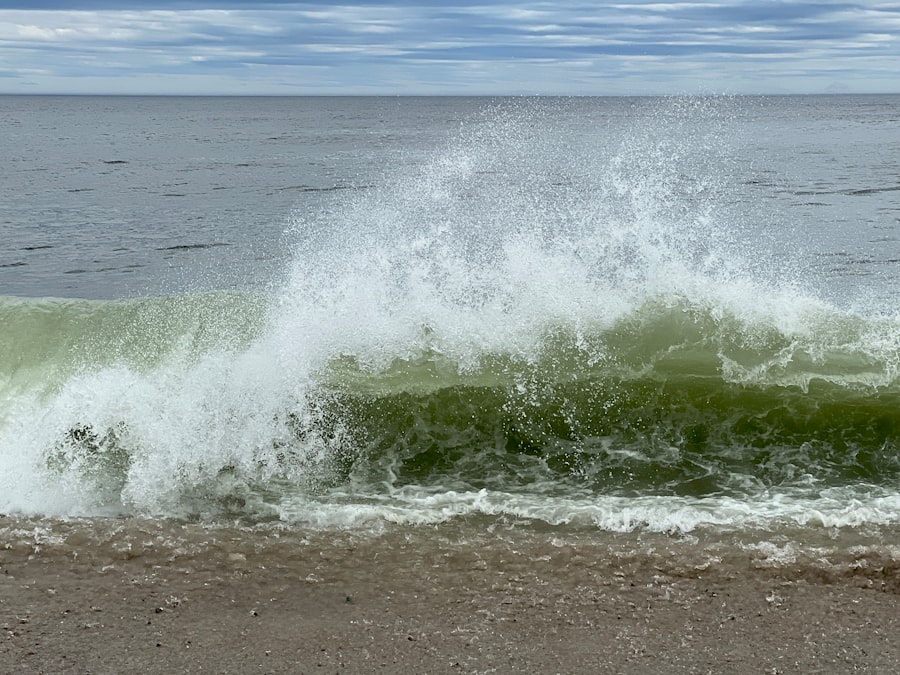
The shifts in Atlantic Ocean salinity have profound and widespread repercussions for marine ecosystems, affecting everything from phytoplankton to apex predators.
Stratification and Ocean Mixing
Salinity, alongside temperature, determines seawater density. Changes in salinity can alter the vertical stratification of the water column.
- Increased Stratification: Freshening of surface waters can lead to increased stratification, where a less dense freshwater layer sits atop denser, saltier water. This inhibits vertical mixing, acting as a lid on the ocean’s surface. Reduced mixing can limit the upward transport of nutrients from deeper waters, potentially impacting primary productivity.
- Impacts on Phytoplankton: Phytoplankton, the base of the marine food web, rely on the availability of nutrients. Increased stratification can lead to nutrient limitation in surface waters, potentially reducing phytoplankton biomass and altering community composition. This has a cascading effect throughout the food web.
Species Distribution and Adaptation
Marine organisms are adapted to specific salinity ranges. Shifts in these ranges can force species to relocate, adapt, or face population decline.
- Habitat Shifts: Fisheries, in particular, are vulnerable to salinity changes. Many commercially important fish species have specific spawning and nursery habitats that are sensitive to salinity. Shifts could force these species to move to more suitable waters, impacting fishing industries and coastal communities. Imagine a fish finding its preferred nursery turning into an unwelcoming environment.
- Physiological Stress: Organisms exposed to salinities outside their optimal range experience physiological stress, affecting growth, reproduction, and survival. This can be particularly challenging for species with limited mobility or those with highly specialized life cycles.
Impact on the Carbon Cycle
Ocean salinity also indirectly influences the ocean’s capacity to absorb atmospheric carbon dioxide, a critical process in regulating Earth’s climate.
- Solubility Pump: The solubility of CO$_{2}$ in seawater is influenced by temperature and salinity. Colder, fresher waters tend to absorb more CO$_{2}$. Changes in these properties can therefore affect the efficiency of the ocean’s “solubility pump,” its ability to draw carbon from the atmosphere.
- Biological Pump: Alterations in primary productivity due to stratification changes can also impact the biological pump, the process by which carbon is sequestered in the deep ocean through biological processes. A reduction in primary productivity could thus lessen the ocean’s capacity to absorb CO$_{2}$.
Recent studies have highlighted significant changes in the salinity of the Atlantic Ocean, which could have profound implications for global climate patterns. A related article discusses the potential impacts of these salinity shifts on ocean currents and marine ecosystems, emphasizing the need for further research in this area. For more insights, you can read the full article here. Understanding these changes is crucial for predicting future climate scenarios and ensuring the health of our oceans.
Implications for Global Climate and Human Societies
| Year | Region | Average Salinity (PSU) | Change from Previous Decade (%) | Notes |
|---|---|---|---|---|
| 1980 | North Atlantic | 35.1 | — | Baseline measurement |
| 1990 | North Atlantic | 35.3 | +0.57% | Increase linked to evaporation rates |
| 2000 | North Atlantic | 35.4 | +0.28% | Continued salinity rise |
| 2010 | North Atlantic | 35.5 | +0.28% | Warming trends affecting salinity |
| 2020 | North Atlantic | 35.6 | +0.28% | Freshwater input decrease observed |
| 1980 | South Atlantic | 35.0 | — | Baseline measurement |
| 1990 | South Atlantic | 34.9 | -0.29% | Increase in precipitation |
| 2000 | South Atlantic | 34.8 | -0.29% | Freshwater influx from rivers |
| 2010 | South Atlantic | 34.7 | -0.29% | Continued dilution effect |
| 2020 | South Atlantic | 34.6 | -0.29% | Salinity decline stabilizing |
The ripples from Atlantic Ocean salinity shifts extend far beyond marine ecosystems, influencing global climate patterns and impacting human societies dependent on the ocean.
Impact on Ocean Circulation and Climate
The AMOC is a critical component of global climate regulation, influencing regional temperatures and weather patterns.
- Weakening AMOC and Regional Cooling: A significant weakening or collapse of the AMOC, possibly intensified by freshwater input from melting ice, could lead to regional cooling in parts of the North Atlantic and Western Europe. This scenario, often referred to as a “tipping point,” could have profound and abrupt impacts on regional climates, shifting the established climatic architecture.
- Changes in Storm Tracks: The AMOC also influences atmospheric circulation patterns, including the positioning of storm tracks. Changes in AMOC strength could alter the frequency and intensity of storms in the North Atlantic region, affecting coastal communities and infrastructure.
Sea Level Rise
While not a direct consequence of salinity changes, the drivers of salinity shifts—namely, melting ice sheets and glaciers—are major contributors to global sea level rise.
- Greenland Ice Sheet Melt: The accelerated melt of the Greenland Ice Sheet, a primary source of freshwater to the North Atlantic, is a significant contributor to global sea level rise. This continuous infusion of freshwater has a dual impact: freshening the ocean and swelling its volume.
- Thermal Expansion: Warmer ocean temperatures, a driver of evaporation and salinity changes, also cause seawater to expand, contributing to sea level rise.
Fisheries and Food Security
Human societies are intrinsically linked to the health of the Atlantic Ocean, particularly through its vast marine resources.
- Fishery Declines and Economic Impacts: Changes in species distribution, productivity, and ecosystem health due to salinity shifts can lead to declines in fish stocks, impacting commercial fisheries and the livelihoods of fishing communities. This could result in food insecurity in coastal regions.
- Aquaculture Challenges: Aquaculture operations are also vulnerable to changes in ocean conditions, including salinity fluctuations. Maintaining optimal growing conditions for farmed species requires careful monitoring and potential adaptation strategies.
Future Projections and Mitigation Strategies
Projecting future Atlantic Ocean salinity shifts involves significant uncertainty, but climate models consistently suggest the continuation and intensification of current trends under various emissions scenarios.
Model Projections
Climate models generally project a continued intensification of the global hydrological cycle, leading to:
- Continued Freshening of High Latitudes: Increased freshwater input from melting ice and enhanced precipitation are expected to continue to freshen the subpolar North Atlantic and Southern Ocean.
- Continued Salinification of Subtropical Gyres: Enhanced evaporation will likely continue to increase salinity in the subtropical Atlantic.
- Potential AMOC Weakening: Projections for the AMOC range from a continued gradual weakening to a more abrupt shutdown, with significant implications for salinity transport and broader climate. The exact timing and magnitude of such changes remain a subject of ongoing research.
Adaptation and Mitigation
Addressing Atlantic Ocean salinity shifts requires a two-pronged approach: mitigation of greenhouse gas emissions and adaptation strategies.
- Greenhouse Gas Emission Reduction: The primary mitigation strategy is to drastically reduce global greenhouse gas emissions to curb anthropogenic warming. This directly addresses the root cause of the intensified hydrological cycle and many of the observed salinity changes. This is the cornerstone upon which all other efforts rest.
- Ecosystem-Based Management: Adapting to changing salinity patterns requires a proactive, ecosystem-based approach to marine management. This includes:
- Dynamic Fisheries Management: Adjusting fishing quotas and practices to account for shifting fish distributions and productivity changes.
- Marine Protected Areas (MPAs): Establishing and expanding MPAs to protect vulnerable habitats and provide refugia for species.
- Coastal Adaptation: Implementing measures such as sea walls, mangrove restoration, and community relocation to address the impacts of sea level rise and altered storm patterns.
- Enhanced Monitoring and Research: Continuous monitoring of ocean salinity and other essential oceanographic variables is crucial for understanding ongoing changes and validating climate model projections. Further research is needed to refine our understanding of the complex interactions between salinity, circulation, and ecosystems.
The Atlantic Ocean’s salinity shifts are a clear manifestation of a changing planet. While the complexity of these changes presents challenges, understanding their causes and implications is the first step towards developing effective strategies to mitigate their impacts and adapt to a new oceanic reality. The Atlantic Ocean, a vital artery of our planet, demands our concerted attention and action.
FAQs
What causes changes in the salinity of the Atlantic Ocean?
Changes in Atlantic Ocean salinity are primarily caused by variations in evaporation, precipitation, river runoff, and ocean circulation patterns. Climate factors such as temperature and atmospheric conditions also play significant roles.
How does salinity affect ocean circulation in the Atlantic?
Salinity influences the density of seawater, which affects ocean circulation patterns like the Atlantic Meridional Overturning Circulation (AMOC). Higher salinity increases water density, promoting sinking and driving deep ocean currents that regulate climate.
What are the recent trends in Atlantic Ocean salinity?
Recent studies have observed increasing salinity in the subtropical Atlantic due to enhanced evaporation and decreasing salinity in the subpolar regions from increased freshwater input. These changes reflect shifts in the global water cycle and climate change impacts.
Why is monitoring Atlantic Ocean salinity important?
Monitoring salinity helps scientists understand changes in ocean circulation, climate variability, and the global water cycle. It also aids in predicting weather patterns, sea level changes, and the health of marine ecosystems.
How do freshwater inputs affect Atlantic Ocean salinity?
Freshwater inputs from rivers, melting ice, and precipitation dilute seawater, reducing salinity levels. Increased freshwater input can disrupt ocean circulation by altering water density and stratification, impacting climate and marine life.