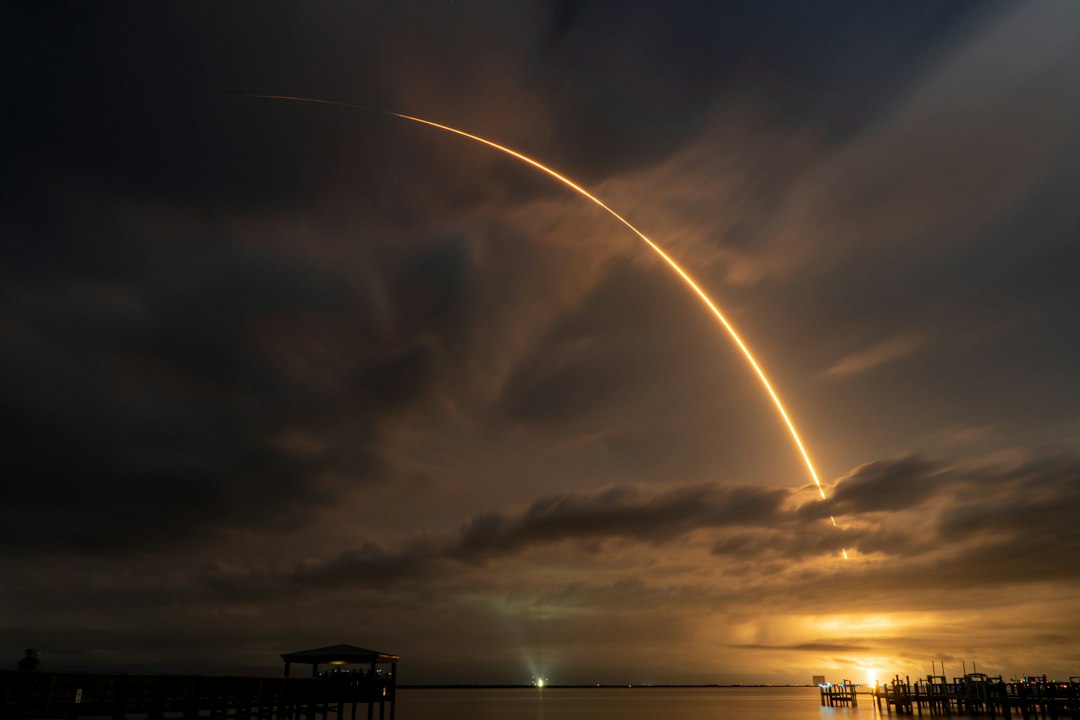
The Artemis II mission, a monumental stride in humanity’s return to deep space, culminated in a breathtaking display of engineering prowess during the Orion spacecraft’s reentry and splashdown. This critical phase of the mission, designed to test the spacecraft’s ability to withstand the fiery descent through Earth’s atmosphere and ensure the safe return of its crew, marked a significant milestone in the ongoing endeavor to explore the Moon and beyond. The successful completion of the reentry segment not only validated years of meticulous design and rigorous testing but also served as a powerful testament to the resilience and innovation driving the Artemis program.
The reentry of the Orion spacecraft is a meticulously orchestrated ballet of physics and engineering, a crucial test of its thermal protection system and aerodynamic control. As Orion hurtled towards Earth at speeds exceeding 25,000 miles per hour, it encountered the tenuous outer layers of the atmosphere, transforming the spacecraft into a blazing meteor. This intense interaction generates immense heat, a challenge that the Orion’s advanced heat shield is specifically designed to overcome. The sheer velocity of the spacecraft means that the air molecules in front of it are compressed and heated to incredibly high temperatures, creating a plasma sheath that envelops the vehicle. The heat shield, composed of an ablative material, sacrifices itself layer by layer, absorbing and dissipating this extreme thermal energy, preventing it from reaching the crew module and its sensitive components. This intricate process is not merely about surviving the heat; it’s about controlling the descent and ensuring a stable trajectory through the increasingly dense atmosphere.
The Role of the Heat Shield
The heart of Orion’s reentry capability lies in its state-of-the-art heat shield. This marvel of material science is engineered to withstand temperatures reaching thousands of degrees Fahrenheit. Unlike some previous spacecraft that employed ceramic tiles, Orion utilizes an ablative material, a composite that is designed to burn away in a controlled manner during reentry. As the outer layers char and vaporize, they carry away a significant amount of heat, effectively shielding the spacecraft and its occupants. This sacrificial process is meticulously calculated to ensure that the underlying structure of the Orion remains within acceptable temperature limits. The design and performance of the heat shield are paramount, representing a critical layer of protection against the unforgiving conditions of atmospheric entry. Engineers spent years developing and testing various materials and configurations to guarantee its effectiveness, understanding that a failure in this system would have catastrophic consequences. The Artemis II mission provided the ultimate real-world validation of this vital component.
Aerodynamic Forces and Trajectory Control
Beyond the thermal onslaught, reentry also subjects the spacecraft to immense aerodynamic forces. As Orion plows through the atmosphere, it experiences significant drag and deceleration. The spacecraft’s design, including the shape of its crew module and the orientation it maintains during descent, plays a crucial role in managing these forces. The orientation is carefully controlled to optimize the balance between slowing down and managing the heat load. While the heat shield absorbs the brunt of the thermal energy, the way the spacecraft interacts with the air molecules also dictates the rate of deceleration and the overall trajectory. Engineers use sophisticated modeling and simulation to predict and control these forces, ensuring that Orion follows the desired reentry path. Small adjustments to the spacecraft’s orientation, often executed by thrusters, can subtly alter the drag and lift, fine-tuning the descent profile and ensuring that it remains within the safe operational parameters. The Artemis II reentry demonstrated a remarkable ability to maintain this precise control even under extreme conditions.
The upcoming Artemis II mission is set to make history as it prepares for the Orion spacecraft’s reentry, marking a significant step in NASA’s efforts to return humans to the Moon. For those interested in learning more about the technological advancements and challenges associated with this mission, a related article can be found at Freaky Science, which delves into the intricacies of spacecraft reentry and the innovations that make it possible.
Mission Objectives and Key Successes of Artemis II Reentry
The Artemis II mission, while not a lunar landing, was a crucial stepping stone towards future lunar expeditions. Its primary objective was to validate the Orion spacecraft’s performance in the deep space environment and, critically, to test its ability to safely return the crew to Earth. The reentry phase was therefore a linchpin of this overarching goal, serving as the ultimate proving ground for the spacecraft’s life support systems, navigation, and, most importantly, its reentry capabilities. The success of the Artemis II reentry is a direct measure of the mission’s success in proving these vital functionalities.
Proving Orion’s Systems Under Extreme Conditions
The Artemis II mission was designed to push the Orion spacecraft and its systems to their limits, simulating the stresses and strains of a lunar mission. This included extended periods in the harsh vacuum of space, exposure to radiation, and the demanding maneuver of returning to Earth. The reentry phase, with its extreme temperatures and G-forces, served as the final, most challenging test. The successful performance of the heat shield, the robustness of the crew module’s structure, and the continued functioning of the life support systems throughout the descent all contribute to the mission’s success in proving Orion’s readiness for future crewed lunar missions. Each sensor reading, each telemetry data point from the reentry provided invaluable feedback to engineers, confirming the reliability and resilience of the systems they developed.
The Significance of a Safe Crew Return
The safe return of astronauts to Earth is the ultimate priority of any crewed space mission. The Artemis II reentry was a direct demonstration of NASA’s commitment to astronaut safety. The successful splashdown in the Pacific Ocean, with the crew emerging unharmed and the Orion spacecraft intact, represented a profound accomplishment. It affirmed that the rigorous design, testing, and training protocols put in place are effective. This safe return not only validates the engineering but also provides psychological reassurance to future astronauts embarking on even more ambitious voyages. The meticulous planning that went into the recovery operations, involving naval assets and specialized teams, further underscored the importance placed on ensuring the crew’s well-being from the moment they begin their descent.
The Splashdown: A Gentle Landing for a Mighty Spacecraft
Following the fiery descent, the Orion spacecraft transitioned to its final phase: the splashdown. This controlled landing in the ocean is designed to bring the spacecraft and its crew to a gentle halt, minimizing stress on the astronauts and the vehicle. The process involves a series of precise maneuvers and the deployment of crucial systems that ensure a safe and effective landing. The choice of the ocean as a landing site is a long-standing tradition in space exploration, offering a vast and forgiving surface for spacecraft recovery.
Parachute Deployment and Deceleration
As Orion slowed from hypersonic speeds, the deployment of its parachutes became the critical next step. This sequence is precisely timed to further decelerate the spacecraft to a manageable landing speed. The system typically involves a series of parachutes, starting with drogue chutes to stabilize the spacecraft and then progressively larger main chutes to ensure a gentle touchdown. The forces experienced during parachute deployment are still significant, but they are far less extreme than those encountered during the initial reentry. The engineering behind these parachutes is complex, ensuring they open reliably and perform optimally even after enduring the harsh conditions of reentry. The Artemis II mission’s successful parachute deployment was a testament to the meticulous design and testing of this vital deceleration system.
Recovery Operations and Crew Extraction
Once Orion settled on the ocean surface, the recovery operations commenced. This highly coordinated effort involves specialized teams and assets, including naval vessels equipped to safely retrieve the spacecraft and its crew. The primary goal is to quickly and efficiently extract the astronauts from the Orion, ensuring their immediate well-being and the secure handling of the spacecraft. Divers and recovery personnel approach the capsule, assess its condition, and then assist the crew in exiting. The recovery process is a critical part of the mission, demanding swift action and precise execution to ensure that the astronauts receive any necessary medical attention and that the valuable data and equipment within Orion are preserved. The success of these operations on Artemis II provided invaluable experience for future, more complex recovery scenarios.
Lessons Learned and Future Implications for Artemis
The Artemis II reentry and splashdown were not merely the end of a mission; they were a rich source of data and experience that will inform and shape the future of lunar exploration. Every aspect of the reentry, from the thermal performance of the heat shield to the communication protocols during descent, provided critical insights that will be analyzed and incorporated into the design and operation of subsequent Artemis missions. The successful validation of Orion’s capabilities is a direct enabler for the more ambitious goals of the Artemis program.
Data Analysis and System Refinement
The wealth of data collected during the Artemis II reentry is a treasure trove for engineers and scientists. Telemetry from countless sensors within the Orion spacecraft provides a detailed account of the temperatures, pressures, and forces experienced throughout the descent. This data will be meticulously analyzed to identify any anomalies, confirm performance predictions, and fine-tune future mission parameters. Any deviation from expected results, however small, will be investigated to understand its root cause and to implement necessary refinements to the spacecraft and its operational procedures. This iterative process of data analysis and system refinement is fundamental to the continuous improvement of spaceflight technology.
Paving the Way for Lunar Missions
The success of the Artemis II reentry is a direct and essential precursor to landing humans on the Moon and eventually establishing a sustained presence there. By demonstrating the safety and reliability of Orion for crewed return missions, Artemis II has laid a critical foundation. It builds confidence in the entire Artemis architecture, from the Space Launch System (SLS) rocket to the lunar gateway and surface systems. The lessons learned from this reentry will directly influence the design and operation of future missions, including those that will carry astronauts to lunar orbit and to the lunar surface itself. The successful completion of this phase significantly de-risks future, more complex missions, making the dream of lunar exploration more tangible than ever before.
As NASA prepares for the Artemis II mission, the focus is increasingly on the Orion spacecraft’s reentry process, which is crucial for ensuring the safety of astronauts returning to Earth. This aspect of the mission has been explored in detail in a related article that discusses the technology and engineering behind safe reentry. For more insights on this topic, you can read the full article here. Understanding these complexities is vital as we move closer to a new era of lunar exploration.
The Human Element: Astronaut Experience and Training
| Metric | Value | Unit | Notes |
|---|---|---|---|
| Reentry Velocity | 11.2 | km/s | Approximate speed at Earth’s atmosphere interface |
| Heat Shield Temperature | 2200 | °C | Peak temperature experienced during reentry |
| Reentry Angle | 6.5 | degrees | Angle relative to Earth’s surface for safe reentry |
| Deceleration G-Force | 6 | g | Maximum deceleration experienced by crew |
| Reentry Duration | 12 | minutes | Time from atmospheric interface to splashdown |
| Landing Site | Pacific Ocean | – | Planned splashdown location |
| Capsule Mass at Reentry | 25,000 | kg | Mass of Orion capsule including crew and equipment |
While the engineering and physics of reentry are awe-inspiring, it is crucial to remember the human element at its core. The Artemis II astronauts, having journeyed into deep space and experienced the rigors of reentry, represent the pinnacle of human endeavor and dedication. Their training and their direct experience of these extreme conditions are invaluable. The successful return of these individuals is a testament to their courage, their resilience, and the rigorous preparation they underwent.
Astronaut Preparedness and Physiological Response
The astronauts on Artemis II underwent extensive training to prepare them for every phase of the mission, including the intense experience of reentry. This training simulates the G-forces, the disorientation, and the sensory inputs they would encounter. Understanding and managing the physiological response to these forces is a critical aspect of astronaut preparation. The Artemis II crew’s ability to perform their duties and maintain their composure during reentry highlights the effectiveness of this training. Their debriefings and personal accounts will provide invaluable qualitative data on the human experience of returning from deep space, information that cannot be replicated by simulations alone.
The Psychology of Return and Future Journeys
The psychological impact of a successful return from a deep space mission is profound. For the Artemis II crew, it represents the culmination of years of training and a successful execution of a critical mission objective. Their experience of reentry and splashdown will undoubtedly influence their perspective on future space travel and will serve as a beacon of inspiration for future generations of astronauts. The psychological readiness and adaptability of the crew are as vital as the technological readiness of the spacecraft. The safe return of the Artemis II astronauts not only signifies a triumph of engineering but also a triumph of the human spirit, bolstering confidence and enthusiasm for the ambitious journey that lies ahead in the Artemis program.

There’s Only One Safe Way Back to Earth From the Moon
FAQs
What is the Artemis II Orion reentry mission?
The Artemis II Orion reentry mission is part of NASA’s Artemis program, which aims to return humans to the Moon and eventually send astronauts to Mars. The Artemis II mission will be the first crewed flight of the Orion spacecraft, which will orbit the Moon before returning to Earth.
When is the Artemis II Orion reentry mission scheduled to take place?
The Artemis II Orion reentry mission is currently scheduled to take place in 2023. NASA is working towards this timeline, but specific dates may be subject to change based on various factors.
What is the purpose of the Artemis II Orion reentry mission?
The primary purpose of the Artemis II Orion reentry mission is to test the spacecraft’s ability to safely return astronauts from deep space missions, such as those to the Moon and Mars. This mission will help NASA gather valuable data and insights to inform future crewed missions.
How will the Artemis II Orion spacecraft reenter Earth’s atmosphere?
The Artemis II Orion spacecraft will reenter Earth’s atmosphere at a high velocity, protected by its heat shield. The spacecraft will experience intense heat and pressure during reentry, but the heat shield is designed to withstand these conditions and ensure a safe return for the astronauts on board.
What are the key milestones leading up to the Artemis II Orion reentry mission?
Leading up to the Artemis II Orion reentry mission, NASA will conduct various tests and preparations to ensure the spacecraft’s readiness for the mission. These milestones may include additional uncrewed test flights, integration with the Space Launch System (SLS) rocket, and astronaut training for the mission.