
The captivating allure of a white cat is undeniable. Their pristine coats, reminiscent of freshly fallen snow or the purest silk, often draw admiration. Beyond their aesthetic appeal, white cats are sometimes associated with a particular health concern: deafness. This perception has permeated popular culture and pet owner conversations for decades. But is there scientific backing to this common belief? Are white cats truly more predisposed to hearing loss than their feline counterparts? This article delves into the scientific evidence and the fascinating biological mechanisms that may explain this perceived link.
Unraveling the Genetic Connection: The Dominant White Gene and Its Consequences
The prevalence of deafness in white cats is not merely anecdotal; it is a well-documented phenomenon with a clear genetic basis. The primary culprit behind this association is the gene responsible for the dominant white (W) coat color. This gene, when expressed, masks all other color genes, resulting in a completely white coat. However, the W gene’s influence extends beyond pigmentation. It plays a crucial role in the development of melanocytes, the cells responsible for producing pigment in the skin, hair, and importantly, in the inner ear.
The Role of Melanocytes in Hearing
To understand why white cats might be deaf, it’s essential to appreciate the intricate relationship between melanocytes and the auditory system. Within the cochlea, the spiraling, fluid-filled structure of the inner ear responsible for converting sound vibrations into nerve impulses, lie the organ of Corti. This remarkable structure contains sensory hair cells that are vital for hearing. Surrounding and supporting these hair cells is a layer of stria vascularis, a highly vascularized tissue that maintains the electrochemical environment necessary for optimal hair cell function.
Melanocytes are integral to the health and proper functioning of the stria vascularis. They contribute to its vascularization and also play a role in supplying essential nutrients and maintaining the ionic balance within the cochlea. When the dominant white gene is present, it can disrupt the migration and development of melanocytes. In many cases, the W gene leads to a lack of melanocytes in the inner ear, particularly in the stria vascularis. This deficiency can impair the stria vascularis’s ability to function correctly, leading to degeneration of the hair cells and, consequently, hearing loss.
The Ocular Link: Eyes and Ears in Tandem
Interestingly, the same genetic mechanism that can lead to deafness in white cats also has a strong association with blue eyes. The dominant white gene, by affecting melanocyte development, can also impact pigmentation in the iris of the eye. Cats with the dominant white gene are more likely to have blue eyes, and this blue-eyed characteristic often correlates with a higher incidence of deafness.
This correlation is not absolute, but it is statistically significant. A white cat with blue eyes is more likely to be deaf than a white cat with non-blue eyes. The exact reason for this strong link between blue irises and deafness in white cats is still an area of ongoing research. However, it is believed that the genes controlling melanocyte development in the skin, hair, and eyes are closely linked to those influencing melanocyte presence and function in the inner ear. Therefore, the absence or reduction of melanocytes, which results in a white coat and blue eyes, can also impact the development of the auditory system.
Research has shown that there is a notable correlation between the coat color of cats and the likelihood of deafness, particularly in white cats. This phenomenon is attributed to the genetic factors that influence both pigmentation and auditory function. For a deeper understanding of this topic and to explore related findings, you can read the article available at Freaky Science.
Understanding the Nuances: Not All White Cats Are Deaf
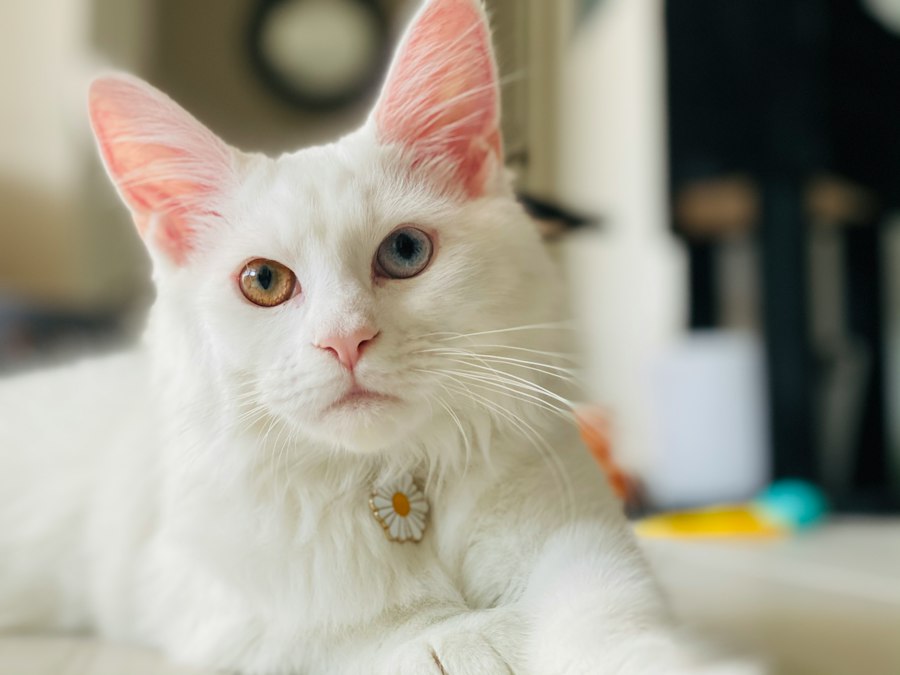
It is crucial to dispel the myth that all white cats are inherently deaf. While the genetic predisposition exists, the presence of the dominant white gene does not guarantee hearing loss. Several factors influence whether a white cat will experience deafness.
The Inheritance Pattern: A Matter of Genes
The dominant white gene operates on a simple dominant inheritance pattern. This means that if a cat inherits just one copy of the W allele from either parent, it will express the white coat phenotype. However, the penetrance of deafness associated with the W gene can vary. Penetrance refers to the likelihood that a genotype will manifest in a phenotype. In this case, not every cat with the W gene will develop deafness. The severity of the genetic expression, combined with other genetic modifiers and environmental factors, can influence the outcome.
Furthermore, not all white cats have the dominant white gene. Some cats have a recessive white phenotype, meaning they have two copies of a different gene that masks other colors. These cats are not associated with the same increased risk of deafness as those with the dominant white gene. Distinguishing between these genetic causes of white fur can be challenging without genetic testing.
The Ocular Phenotype: A Visual Clue
As mentioned earlier, the color of a white cat’s eyes can serve as a valuable indicator. While not a definitive diagnosis, a significant correlation exists between blue eyes and deafness in white cats. White cats with two blue eyes have a higher probability of being deaf. This is because the same gene responsible for the dominant white coat color often affects the melanocytes in the iris, leading to blue coloration.
However, the situation is more complex. White cats can also have odd eyes, meaning one blue eye and one eye of a different color (e.g., green, amber, or copper). In these cases, the deafness is often unilateral, meaning the cat is deaf in the ear on the same side as the blue eye. This is because the genetic disruption affecting melanocyte development can be more pronounced in one ear than the other. A white cat with two eyes of non-blue color has a lower chance of being deaf, though it is not entirely impossible.
Beyond Genetics: Other Contributing Factors to Deafness in Cats

While genetics plays a significant role in the increased incidence of deafness in white cats, it is not the sole determinant. Several other factors can contribute to hearing loss in felines, regardless of their coat color.
Age-Related Hearing Loss
Just like in humans, cats can experience age-related hearing loss, also known as presbycusis. As cats age, the delicate structures within their inner ear can undergo gradual degeneration. The hair cells, responsible for detecting sound, can become damaged or wear out over time, leading to a diminished ability to hear. This type of hearing loss typically occurs gradually and may not be as noticeable in its early stages. It is a natural part of the aging process and is not directly linked to coat color.
Ototoxic Medications and Infections
Certain medications can be ototoxic, meaning they can cause damage to the inner ear and result in hearing loss. Antibiotics, such as aminoglycosides, are known to have this side effect in some cases. If a cat is administered these medications, especially at high doses or for prolonged periods, there is a risk of developing hearing impairment. It is crucial for veterinarians to consider the potential ototoxic effects of medications when treating feline patients.
Furthermore, chronic or severe ear infections can also lead to deafness. Infections that reach the inner ear can cause inflammation and damage to the delicate auditory structures. Untreated or recurrent ear infections pose a significant risk to a cat’s hearing. Regular ear care and prompt veterinary attention for any signs of ear problems are essential for maintaining a cat’s auditory health.
Trauma and Disease
Physical trauma to the head or ears can also result in hearing loss. A severe blow to the head, particularly if it affects the temporal bone (which houses the ear structures), can damage the auditory pathway. Certain diseases, such as feline leukemia virus (FeLV) or feline immunodeficiency virus (FIV), can also compromise a cat’s overall health, potentially leading to secondary issues that affect hearing. While less common, these factors underscore that deafness can arise from various causes in any cat.
Identifying and Managing Deafness in White Cats
Recognizing the signs of deafness in a cat is crucial for their well-being and safety. Once identified, appropriate management strategies can significantly improve their quality of life.
Recognizing the Signs of Hearing Loss
Deafness in cats can manifest in several observable behaviors. Often, owners may notice a lack of response to everyday sounds, such as their name being called, the crinkling of a treat bag, or the doorbell ringing. If a cat is startled easily or doesn’t react to things they previously did, it could indicate a decline in hearing. A deaf cat might also vocalize more loudly than usual, as they cannot gauge their own volume. They may sleep more soundly and be harder to wake. In environments with potential hazards, such as near busy roads, a deaf cat’s inability to hear approaching dangers poses a significant risk, making them more prone to accidents.
Veterinary Diagnosis and Confirmation
If deafness is suspected, a veterinary professional should be consulted. While behavioral observations are important, a definitive diagnosis often requires specialized tests. The most common and reliable method for diagnosing deafness in cats is a Brainstem Auditory Evoked Response (BAER) test. This non-invasive procedure measures the electrical activity in the brain in response to sound stimuli. It can determine whether a cat can hear and the degree of hearing loss, as well as whether it is unilateral or bilateral.
Living with a Deaf Cat: Adapting and Thriving
Deafness does not mean a cat cannot live a happy and fulfilling life. With understanding and adaptation, deaf cats can thrive. The key is to create a safe environment and communicate effectively.
Safety Precautions for Deaf Felines
The primary concern for a deaf cat is their safety. Since they cannot hear approaching dangers, outdoor access needs to be carefully considered. If an outdoor space is provided, it should be completely enclosed and secure. For indoor cats, it’s essential to be mindful of potential hazards such as open doors leading to busy areas, or even a dropped object that could startle them. Always check for the cat before closing doors or drawers.
Communication Strategies and Enrichment
Communicating with a deaf cat involves using alternative methods. Visual cues and gentle physical touch become paramount. Owners can train their deaf cats using hand signals and vibrations. For example, stomping on the floor gently can create a vibration that the cat can feel, alerting them to your presence. Using a bright flashlight to get their attention, or a gentle touch on their flank, are effective ways to communicate.
Enrichment remains vital for a deaf cat’s mental and physical stimulation. Puzzle feeders, interactive toys that can be seen or felt, and opportunities for play are still important. Owners might find that their deaf cat develops heightened senses of smell and touch, making them incredibly attuned to their environment in other ways. Patience, understanding, and a commitment to their safety are the cornerstones of providing a wonderful life for a deaf feline companion.
Research has shown that there is a notable correlation between the coat color of cats and their likelihood of being deaf, particularly in white cats. This intriguing phenomenon is explored in greater detail in a related article that discusses the genetics behind feline deafness. If you’re curious to learn more about this topic, you can read the article here: Freaky Science. Understanding these genetic factors can help cat owners and enthusiasts better care for their pets and appreciate the unique traits that different breeds exhibit.
The Wider Implications: Ethical Considerations and Responsible Ownership
| Metric | Value | Notes |
|---|---|---|
| Percentage of white cats with congenital deafness | 20-40% | Varies by presence of blue eyes |
| Percentage of white cats with blue eyes that are deaf | 50-85% | Higher likelihood if both eyes are blue |
| Percentage of white cats with one blue eye that are deaf | 20-40% | Deafness usually affects the ear on the same side as the blue eye |
| Percentage of white cats with no blue eyes that are deaf | 5-10% | Lower risk compared to blue-eyed white cats |
| Percentage of non-white cats with congenital deafness | Less than 1% | Much lower incidence compared to white cats |
The understanding of deafness in white cats has significant implications for responsible cat breeding and ownership. It highlights the importance of genetic awareness and the ethical considerations surrounding traits that may impact an animal’s health.
Responsible Breeding Practices
For breeders of cats, particularly those specializing in breeds where white coloration is common (such as Persians, Oriental Shorthairs, and some breeds of domestic cats), understanding the genetic link between white fur and deafness is paramount. Responsible breeders will conduct genetic testing or utilize BAER testing on their breeding stock to identify and manage cats with the dominant white gene. They will aim to breed away from a high incidence of deafness by selecting mates that do not carry the gene or have a lower predisposition. This ensures that they are not perpetuating a trait that can lead to significant health and welfare issues for the animals.
Ethical Ownership and Adoption
For potential cat owners, awareness of the potential for deafness in white cats is essential. If considering adopting a white cat, especially one with blue eyes, it is advisable to inquire about any known hearing issues. Many animal shelters and rescue organizations will have already identified and tested white cats for deafness.
Adopting a deaf cat can be an incredibly rewarding experience. These cats are often just as affectionate and playful as their hearing counterparts. However, potential adopters must be prepared to provide a safe environment and adapt their communication methods. It is important to understand that a deaf cat will require special care and attention to ensure their well-being. Responsible ownership means being fully informed and committed to meeting the unique needs of any pet, including those with special requirements.
The Science of Coat Color and Health
The relationship between white coat color and deafness in cats serves as a compelling example of how seemingly superficial traits can be intertwined with complex biological processes and health conditions. It underscores the importance of ongoing research into feline genetics and the intricate interplay between genes, physical characteristics, and overall health. As our understanding of these connections deepens, we can continue to improve the lives of our feline companions through more informed breeding, better veterinary care, and more knowledgeable ownership. The captivating allure of a white cat, with or without the challenges of deafness, continues to inspire admiration and a desire to understand these fascinating creatures more deeply.

Which Cat Color Lives Longest? The Research Has a Twist
FAQs
1. Are white cats more likely to be deaf?
Yes, studies have shown that white cats with blue eyes are more likely to be deaf compared to cats with other coat colors.
2. What causes deafness in white cats?
Deafness in white cats is often linked to a genetic mutation that affects the development of the inner ear, leading to hearing loss.
3. Are all white cats with blue eyes deaf?
Not all white cats with blue eyes are deaf, but the likelihood of deafness is higher in this specific group compared to white cats with other eye colors.
4. Can deafness in white cats be prevented?
Deafness in white cats cannot be prevented, as it is often a result of genetics. However, early detection and proper care can help manage the condition.
5. How can I determine if my white cat is deaf?
If you suspect that your white cat may be deaf, you can observe their response to sounds, such as clapping or calling their name. A veterinarian can also perform tests to assess your cat’s hearing abilities.
If you suspect that your white cat may be deaf, you can observe their response to sounds, such as clapping or calling their name. A veterinarian can also perform tests to assess your cat’s hearing abilities.