The cosmos, a realm of unfathomable beauty and staggering distances, has captivated humanity for millennia. Our insatiable curiosity has driven us to peer ever deeper into its mysteries, and in the modern era, this exploration is largely conducted through the lens of advanced technology. Space agencies like NASA and ESA, along with private entities, consistently release breathtaking images of distant galaxies, nebulae, and planets. These visuals, often shared across the globe, spark wonder and inspire awe. However, a persistent question often arises in the public consciousness: are these space photos truly as they appear, or are they heavily edited? This article aims to unveil the truth behind space photography, delving into the processes and reasons behind the stunning images we see.
The journey of a space photograph from its origin in the vacuum of space to our screens is a complex one, far removed from the simple act of pressing a button on a handheld camera. Unlike terrestrial photography, where light is abundant and easily captured by a single exposure, the conditions in space present unique challenges and opportunities that necessitate a sophisticated approach.
The Harsh Realities of Space Photography
The environment of space is inherently hostile to delicate electronic equipment. Extreme temperature fluctuations, from the searing heat of direct sunlight to the frigid cold of shadow, can affect sensor performance. Radiation, a constant companion in the cosmos, can corrupt data and degrade image quality. Furthermore, the vast distances involved mean that the light reaching our spacecraft’s instruments is often faint, requiring long exposure times.
Telescopes as the Eyes of Humanity
The primary tools for capturing space imagery are not your typical cameras. Advanced telescopes, equipped with specialized sensors, are the real workhorses. These instruments are designed to collect specific wavelengths of light, ranging from visible light to infrared, ultraviolet, and X-rays. Each of these wavelengths reveals different aspects of celestial objects, offering a more complete picture than what the human eye can perceive. For instance, infrared light can penetrate dust clouds that obscure visible light, allowing us to see stars forming within nebulae. Ultraviolet light can reveal hot, energetic phenomena, while X-rays pinpoint the most energetic cosmic events.
The Role of Specialized Sensors
The sensors within these telescopes are highly sophisticated. Unlike the CCD (Charge-Coupled Device) or CMOS (Complementary Metal-Oxide-Semiconductor) sensors found in consumer cameras, space-based sensors are often custom-built to withstand the harsh conditions and optimized for specific scientific objectives. They are designed to be extremely sensitive, capable of detecting the faintest of photons, and to minimize noise – unwanted signals that can degrade image quality. The resolution of these sensors is also crucial, allowing for the capture of incredibly fine details in distant celestial bodies.
The debate over whether space photos are real or edited has sparked considerable interest among enthusiasts and skeptics alike. For those looking to delve deeper into this topic, a related article can be found at Freaky Science, which explores the various techniques used in space photography and the implications of image editing on public perception of space exploration. This resource provides valuable insights into how images from telescopes and spacecraft are processed, shedding light on the balance between artistic enhancement and scientific accuracy.
The Art and Science of Image Processing: Why “Editing” is Essential
The term “editing” often carries a negative connotation, implying manipulation for deceptive purposes. However, in the context of space photography, processing is not about creating an illusion; it is a fundamental scientific and artistic necessity to translate raw data into visually comprehensible and scientifically informative images. Without this crucial step, the raw data captured by telescopes would be largely unintelligible to the human eye.
From Raw Data to Visible Light
Telescopes gather data in digital form, essentially streams of numbers representing the intensity of light detected at each pixel. This raw data, often in monochrome or in separate channels for different wavelengths, is not directly what we see. Image processing involves translating these numerical values into a format that our eyes can interpret. This includes mapping different data values to different color intensities.
The Multi-Wavelength Universe Revealed
One of the most significant reasons for image processing is the ability to visualize phenomena that are invisible to the human eye. As mentioned earlier, telescopes capture light across the electromagnetic spectrum. To create a single, composite image that conveys the maximum scientific information, data from different wavelength bands are often combined.
False Color: A Tool for Scientific Understanding
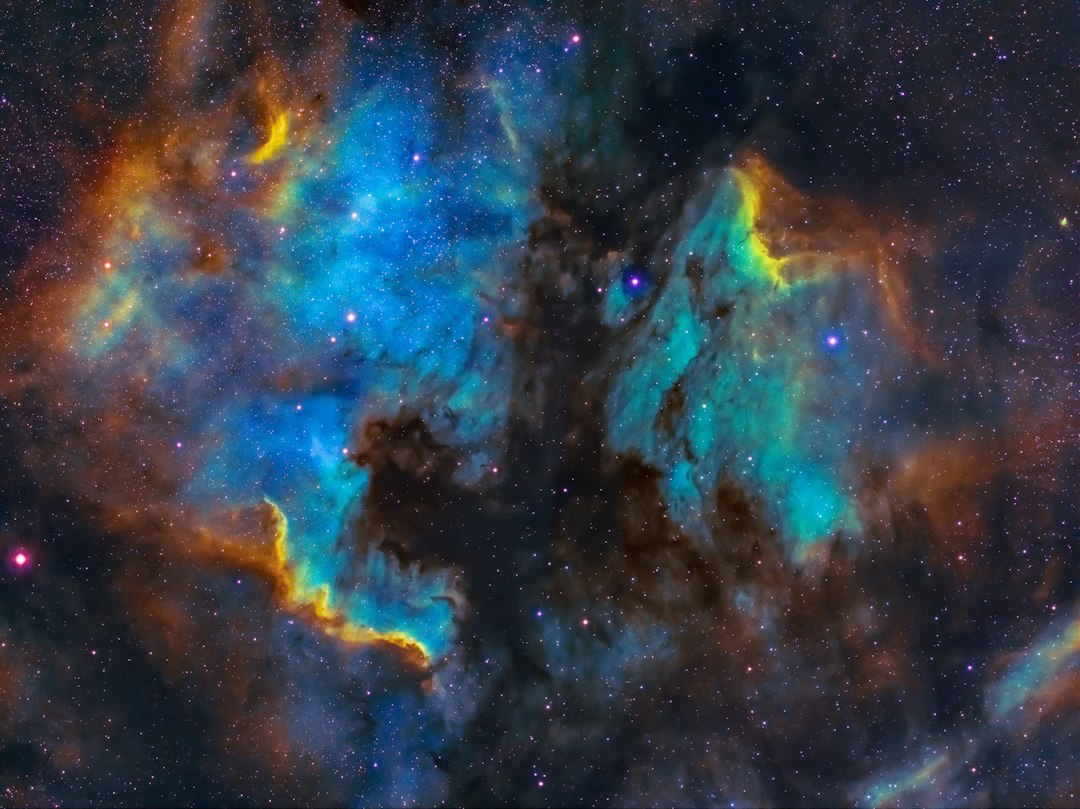
This is where the concept of “false color” comes into play. Colors are assigned to specific wavelengths of light to highlight particular features or chemical compositions. For example, hydrogen gas might be depicted in red, oxygen in blue, and sulfur in green. This allows astronomers to distinguish between different elements and understand the physical processes occurring within celestial objects. It’s crucial to understand that these colors are not the “true” colors of the object as perceived by the human eye, but rather a visual representation of scientifically significant data.
Enhancing Detail and Revealing Structure
Beyond false coloring, processing techniques are employed to enhance details that might be lost in the raw data. This includes techniques like contrast adjustment, sharpening, and noise reduction. These methods help to bring out subtle structures, faint features, and the intricate patterns within nebulae, galaxies, and planetary surfaces that would otherwise be indistinguishable. Without these enhancements, the images would appear flat, grainy, and lacking the visual impact that sparks our imagination.
Stacking Multiple Exposures: Improving Signal-to-Noise Ratio
To capture faint celestial objects, telescopes often take multiple exposures over extended periods. These individual exposures are then “stacked” or combined during the processing phase. This process significantly improves the signal-to-noise ratio, meaning that the actual light from the object becomes more prominent relative to the random electronic noise within the sensor. Think of it like taking many blurry photos of a distant object and then averaging them together to create a sharper, clearer image. This is a standard scientific practice in astronomy.
Addressing Misconceptions: What “Edited” Doesn’t Mean in Space Photography
The common perception of “editing” often conjures images of airbrushed celebrities or fabricated scenes. It is vital to distinguish this from the rigorous scientific process involved in space image processing. The goal is never to create something that isn’t there, but rather to make what is there more understandable and visually compelling.
Accuracy and Scientific Integrity
Space agencies are committed to scientific integrity. The processing of images is done in a way that accurately represents the data collected. While creative choices are made in how data is visualized, these choices are guided by scientific understanding and are often documented. The primary objective is to convey scientific information, not to mislead.
Reproducibility and Transparency
Crucially, the raw data from space telescopes is often made publicly available. This allows other scientists and researchers to independently process the data and verify the findings. This transparency is a cornerstone of scientific practice and ensures that the images we see are grounded in objective reality. When a processed image is released, the methods used are usually described, allowing for scrutiny and understanding.
The Difference Between Enhancement and Fabrication
Enhancement techniques aim to reveal existing details that are difficult to perceive in their raw form. Fabrication, on the other hand, involves adding or altering elements that are not present in the original data. Space photography strictly adheres to the former, never the latter. For instance, while a faint nebula might be made more prominent through contrast adjustment, no artificial stars or galaxies are ever added.
The Human Element: Artistry in Scientific Visualization
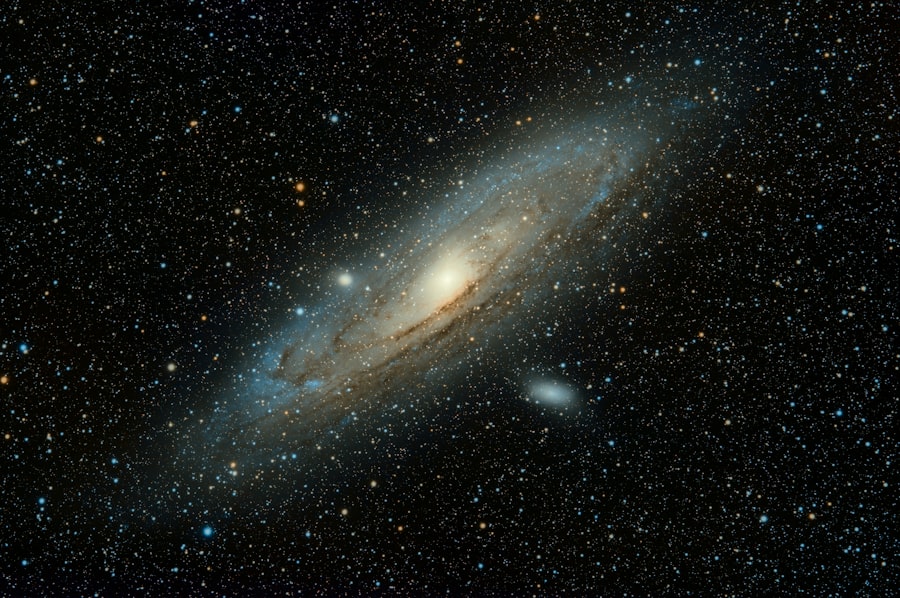
While the science behind space image processing is paramount, there is also an undeniable artistic element involved. Astronomers and image specialists are tasked with translating complex scientific data into images that are not only informative but also beautiful and inspiring. This artistic sensibility plays a crucial role in how these images resonate with the public.
Aesthetic Choices and Public Engagement
The choices made in assigning colors, adjusting contrast, and highlighting specific features can significantly impact the aesthetic appeal of an image. These choices are made to best communicate the scientific narrative and to evoke a sense of wonder and connection with the universe. A well-processed image can capture the imagination and inspire future generations of scientists and explorers.
The Role of Image Processing Teams
Dedicated teams of scientists and image processors work collaboratively to bring these cosmic visions to life. They possess a deep understanding of both the scientific data and the artistic principles of visualization. Their expertise ensures that the processed images are both scientifically accurate and visually captivating. These individuals are akin to translators, converting the language of numbers and light into a language of visual beauty and understanding.
Balancing Scientific Rigor with Aesthetic Appeal
The challenge lies in striking a balance between scientific accuracy and aesthetic appeal. Over-processing can lead to an unnatural or misleading representation, while under-processing can result in an image that is scientifically informative but lacks the visual impact to truly engage the audience. This is an ongoing process of refinement and collaboration.
The debate surrounding the authenticity of space photos has sparked considerable interest among enthusiasts and skeptics alike. Many wonder if the stunning images we see are genuine representations of the cosmos or if they have been altered for aesthetic purposes. A related article that delves deeper into this topic can be found here, where it explores the techniques used in space photography and the reasons behind any modifications. Understanding the balance between artistic enhancement and scientific accuracy is crucial for anyone fascinated by the universe. You can read more about it in this insightful article.
Why Our Perception Differs from the Raw Data
| Data/Metric | Description |
|---|---|
| Telescope Images | Photos taken by telescopes in space |
| Spacecraft Images | Photos taken by spacecraft in space |
| Edited Photos | Photos that have been digitally altered or enhanced |
| Raw Photos | Original, unaltered photos taken in space |
| Verification Process | Methods used to verify the authenticity of space photos |
It is natural for the images we see to differ from what our eyes would perceive if we were somehow transported to that location. This difference is not a sign of deception, but a testament to the power of scientific visualization and the limitations of human perception.
The Limits of Human Vision
The human eye is a remarkable organ, but it is limited in its ability to perceive the full spectrum of light and the faintest of celestial objects. We are most sensitive to visible light, and our eyes struggle to detect the extremely dim light from distant galaxies or the specific wavelengths emitted by certain gases. Space telescopes, by design, overcome these limitations.
The Vastness of Space and Light Years
The sheer distances involved in space mean that the light we are observing from a galaxy billions of light-years away has traveled for billions of years. This light can be incredibly faint and stretched due to the expansion of the universe. Our perception on Earth is immediate; space photography offers a glimpse into an ancient past, captured and presented to us in a digestible format.
The Advantage of Advanced Technology
Our technology allows us to gather light over extended periods, to filter out noise, and to combine data from different instruments and wavelengths. This sophisticated approach provides us with a level of detail and information that is simply impossible to achieve with our unaided senses. The processed images are a culmination of human ingenuity and our drive to understand the universe.
In conclusion, the stunning images of space that grace our screens are not fabrications but rather meticulously processed scientific data. While the term “edited” might evoke images of manipulation, in the realm of space photography, it signifies the essential scientific and artistic endeavor of translating raw data into comprehensible and inspiring visuals. These images are a testament to humanity’s relentless curiosity, our technological prowess, and our enduring desire to unravel the breathtaking mysteries of the cosmos. They are real, in the sense that they accurately represent the data gathered by our most advanced instruments, and they are enhanced to reveal the wonders that lie beyond our immediate perception, inviting us to explore and to dream.

The Space Photos Are Real—But Your Eyes Would See This
FAQs
1. What are space photos?
Space photos are images taken by telescopes, satellites, and spacecraft that capture the beauty and wonder of the universe beyond Earth’s atmosphere.
2. Are space photos real or edited?
Space photos are real in the sense that they capture actual celestial objects and phenomena. However, they often undergo editing and processing to enhance their clarity and detail, as well as to bring out colors that may not be visible to the naked eye.
3. How are space photos edited?
Space photos are edited using specialized software to adjust contrast, brightness, and color balance. Additionally, techniques such as stacking multiple images and using filters are employed to bring out finer details and reduce noise.
4. Why are space photos edited?
Editing space photos allows scientists and astronomers to study celestial objects in greater detail and to bring out features that may not be readily apparent in the original images. It also helps to create visually stunning images that capture the public’s imagination and interest in space exploration.
5. Can we trust the authenticity of space photos?
While space photos undergo editing and processing, the underlying data and imagery are based on real observations and measurements. Scientists and researchers adhere to ethical standards in presenting space photos to the public, and the authenticity of these images is upheld through peer review and scrutiny within the scientific community.