
The integrity of your brain, a marvel of intricate biological engineering, relies on precise spatial organization. Within this complex network, astrocytes, star-shaped glial cells, play a crucial role in maintaining neuronal health and function. A key element of this astrocytic organization is the specialized distribution of aquaporin-4 (AQP4) water channels, forming polarized domains that act as gatekeepers for water movement. When your brain sustains a traumatic brain injury (TBI), this delicate AQP4 polarity can be profoundly disrupted, leading to a cascade of detrimental effects that hinder recovery and exacerbate damage. Understanding this disruption in AQP4 polarity is akin to understanding how a carefully constructed dam can be breached, leading to uncontrolled flooding and widespread devastation within its usual confines.
Your brain’s exquisite functionality is built upon a foundation of highly organized cellular structures. Among these, astrocytes are indispensable partners to neurons, providing not just structural support but also actively participating in synaptic transmission, regulating neurotransmitter levels, and maintaining the blood-brain barrier (BBB). A cornerstone of astrocytic function, and indeed of neuronal health, is the polarized localization of AQP4 water channels.
What are Aquaporin-4 Water Channels?
AQP4 molecules are integral membrane proteins that form tetrameric channels, specifically designed to facilitate the rapid passage of water across cell membranes. While other aquaporins are found throughout the body, AQP4 is predominantly expressed in the central nervous system, with particularly high concentrations in astrocytes. Think of them as highly efficient cellular spigots, precisely placed to control the flow of water into and out of cells.
Polarization: The Art of Astrocytic Organization
In a healthy brain, AQP4 channels are not uniformly distributed across the entire astrocytic membrane. Instead, they exhibit remarkable polarization, congregating in specific domains. The most well-characterized of these polarized AQP4 clusters are found at the astrocytic endfeet, which are specialized expansions of astrocyte processes that envelop and seal off capillaries of the brain vasculature. This strategic placement at the BBB is no accident; it allows astrocytes to act as critical intermediaries between the blood supply and neuronal tissue. Imagine these endfeet as meticulously placed filtration systems, ensuring that the right amount of fluid reaches the delicate neural circuitry.
Another significant polarized AQP4 domain is located at the glia-neuronal interface, particularly surrounding synapses. Here, AQP4 contributes to the regulation of extracellular water volume, influencing ion concentrations and the efficiency of synaptic transmission. This localized control of water is like fine-tuning the humidity in a sensitive laboratory environment, ensuring optimal operating conditions.
Functions Driven by AQP4 Polarity
The polarized distribution of AQP4 channels underpins several vital physiological processes:
Regulating Extracellular Fluid Volume
The brain exists in a tightly controlled fluid environment. AQP4, particularly at the glia-neuronal interface, plays a critical role in maintaining this delicate balance. By facilitating water movement, it helps to buffer fluctuations in extracellular osmolarity, preventing cellular swelling or shrinkage that could impair neuronal function. This is analogous to your body’s ability to maintain a stable internal temperature, crucial for all biological processes.
Facilitating Waste Clearance (The Glymphatic System)
Perhaps one of the most groundbreaking discoveries regarding AQP4’s role revolves around the glymphatic system. This perivascular pathway, which becomes more active during sleep, utilizes AQP4-dependent water flux to clear metabolic waste products, including amyloid-beta, from the brain’s interstitial space. The polarized AQP4 channels at astrocytic endfeet are fundamental to the convective flow of cerebrospinal fluid (CSF) along the paravascular spaces and into the brain parenchyma, carrying waste materials away. Think of the glymphatic system as your brain’s nightly cleaning crew, and AQP4 as the essential plumbing that allows them to do their job effectively. When AQP4 polarity is compromised, this cleaning process falters, akin to a clogged drain preventing proper waste removal.
Maintaining Blood-Brain Barrier Integrity
While the BBB is primarily formed by endothelial cells, astrocytes and their AQP4-rich endfeet are crucial partners in its function. AQP4 contributes to the regulation of water and solute transport across the BBB, influencing its permeability and preventing the uncontrolled influx of harmful substances into the brain. This is like reinforcing the walls of a fortress, with AQP4 playing a key role in ensuring its structural and functional integrity.
Recent research has highlighted the role of aquaporin-4 (AQP4) polarity in the pathophysiology of traumatic brain injury (TBI). A study published in a related article explores how the mislocalization of AQP4 can exacerbate edema and neuronal damage following TBI, suggesting that targeting AQP4 could be a potential therapeutic strategy. For more detailed insights, you can read the full article [here](https://www.freakyscience.com/sample-page/).
Traumatic Brain Injury: A Devastating Insult to the Brain
Traumatic brain injury, often a blunt force or penetrating injury to your head, is a complex and heterogeneous condition. It encompasses a spectrum of damage, from mild concussions to severe, life-altering injuries. The immediate mechanical forces of TBI trigger a cascade of cellular and molecular events that can lead to widespread neuropathology.
The Initial Mechanical Trauma
The initial impact of a TBI can cause direct cellular damage, axonal shearing, and vascular disruption. This is the initial shockwave that rattles the delicate structures within your skull.
Secondary Injury Cascades
Following the primary injury, a complex series of secondary injury mechanisms unfolds. These include:
- Excitotoxicity: Aberrant release and accumulation of excitatory neurotransmitters, particularly glutamate, lead to overstimulation and death of neurons.
- Neuroinflammation: Microglia and astrocytes become activated, releasing pro-inflammatory cytokines that can cause further neuronal damage.
- Oxidative Stress: An imbalance between reactive oxygen species and antioxidant defenses results in cellular damage.
- Cerebral Edema and Increased Intracranial Pressure (ICP): Swelling of the brain tissue and accumulation of fluid within the skull can lead to dangerously elevated ICP, further compromising blood flow and causing secondary ischemic injury.
These secondary processes, like a wildfire spreading after an initial spark, can extend the damage far beyond the initial impact zone.
Consequences of Traumatic Brain Injury
The consequences of TBI can be profound and long-lasting, affecting cognitive function, motor control, emotional regulation, and sleep. Recovery is often a long and arduous journey, heavily influenced by the severity of the initial injury and the effectiveness of subsequent interventions.
Disruption of AQP4 Polarity in Traumatic Brain Injury
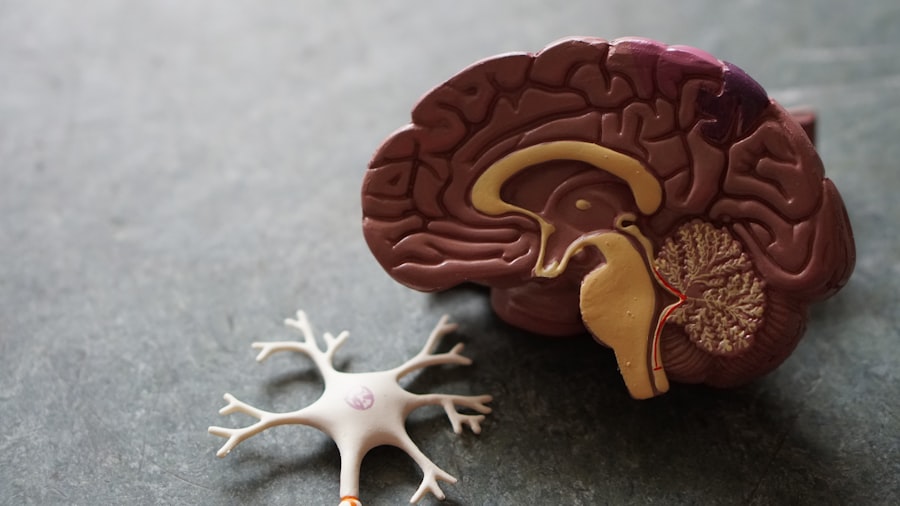
When your brain experiences the violent forces of a TBI, the meticulously organized AQP4 polarity within astrocytes is one of the first casualties. This disruption is not a minor inconvenience; it is a fundamental breakdown in one of the brain’s critical water regulatory systems, akin to severing the conduits of a vital irrigation system during a drought.
Mechanical Forces and AQP4 Redistribution
The shearing and stretching forces exerted during a TBI can directly dislodge AQP4 channels from their polarized locations. Astrocytic endfeet, adhering tightly to blood vessels, are particularly vulnerable to these mechanical stresses. This detachment can lead to a scattering of AQP4 channels across the astrocytic membrane, losing their concentrated functional domains. Imagine the carefully stacked bricks of a wall tumbling loose, leaving gaps and structural weaknesses.
Excitotoxicity and AQP4 Dysfunction
Excitotoxicity, a hallmark of TBI, directly impacts astrocytes and their AQP4 channels. Elevated extracellular glutamate can trigger calcium influx into astrocytes, leading to cellular swelling and activation. This inflammatory response can further disrupt the machinery responsible for AQP4 trafficking and localization, exacerbating the loss of polarity.
Neuroinflammation and AQP4 Signaling
The pervasive neuroinflammatory response following TBI also plays a significant role. Inflammatory mediators can alter the expression and function of AQP4, as well as interfere with the signaling pathways that maintain its polarized distribution. This creates a vicious cycle where inflammation further damages AQP4 localization, and impaired AQP4 function contributes to edema and waste accumulation, fueling more inflammation.
Impaired Glymphatic Clearance
The breakdown of AQP4 polarity directly cripples the glymphatic system. With AQP4 channels no longer concentrated at astrocytic endfeet, the efficient bulk flow of CSF for waste removal is severely compromised. This impaired clearance means that metabolic byproducts, including neurotoxic substances, accumulate within the brain parenchyma, creating an unhealthy environment that hinders neuronal survival and repair. This is like a garbage collection system failing, leading to an accumulation of refuse that pollutes the living space.
Contribution to Cerebral Edema
One of the most immediate and dangerous consequences of disrupted AQP4 polarity is the exacerbation of cerebral edema. In a healthy brain, polarized AQP4 at astrocytic endfeet helps regulate water movement from the brain parenchyma into the capillaries. When this polarization is lost, and AQP4 channels become more diffusely distributed, they can contribute to an influx of water from the blood into the brain tissue, or a poorly regulated movement of water out of the brain. This leads to increased interstitial fluid accumulation and exacerbates swelling, raising ICP and further damaging brain tissue. This is akin to a faulty valve allowing uncontrolled water ingress into an already waterlogged area.
Consequences of AQP4 Dysfunction for Brain Recovery
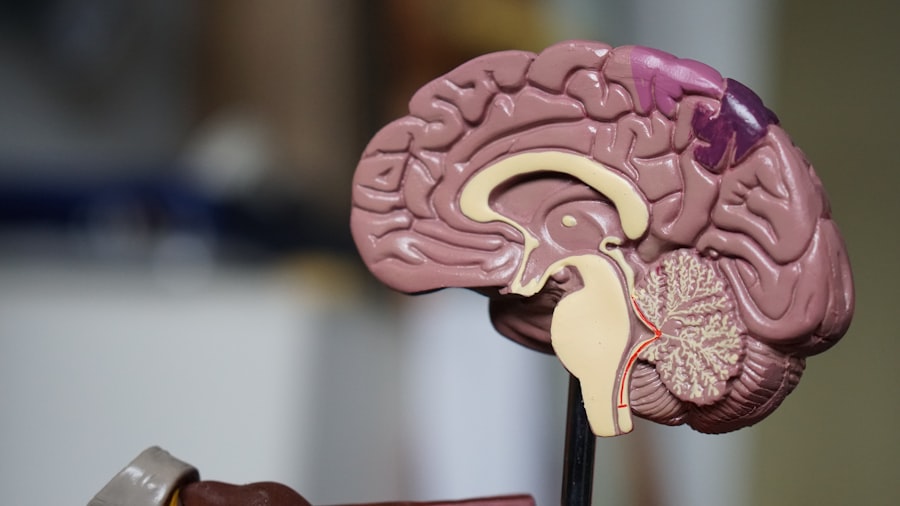
The disruption of AQP4 polarity is not merely an observable event; it has profound and detrimental consequences for your brain’s ability to recover from TBI. The loss of precise water regulation and waste clearance pathways creates a hostile environment for neuronal repair and regeneration.
Impaired Neuronal Survival and Function
With impaired waste clearance and altered extracellular fluid balance, neurons are subjected to neurotoxic insults and unfavorable osmotic conditions. This can lead to delayed neuronal death and persistent dysfunction even after the initial injury has occurred. Damaged neurons, like struggling seedlings in poisoned soil, find it difficult to thrive.
Exacerbation of Secondary Injury Mechanisms
The accumulation of waste products and the dysregulated water balance contribute to the perpetuation of secondary injury mechanisms. For instance, increased interstitial fluid can worsen excitotoxicity and neuroinflammation, creating a chronic inflammatory state that impedes recovery. This is like a persistent festering wound that refuses to heal.
Hindrance to Neurogenesis and Synaptic Plasticity
The brain’s ability to repair itself relies on processes such as neurogenesis (the birth of new neurons) and synaptic plasticity (the brain’s ability to reorganize itself by forming new neural connections). The toxic microenvironment created by impaired AQP4 function can suppress these vital regenerative processes, limiting the potential for functional recovery. The fertile ground for new growth is rendered barren.
Long-Term Cognitive and Neurological Deficits
The persistent consequences of disrupted AQP4 polarity contribute significantly to the long-term cognitive and neurological deficits experienced by individuals with TBI. Memory impairments, difficulties with attention and executive function, and motor deficits can all be exacerbated by the ongoing cellular insults stemming from this water dysregulation and waste accumulation.
Recent studies have explored the role of aquaporin-4 (AQP4) polarity in the context of traumatic brain injury, highlighting its potential impact on brain edema and recovery processes. For a deeper understanding of this relationship, you can refer to an insightful article that discusses the mechanisms by which AQP4 influences fluid regulation in the brain following injury. This article provides valuable information on how manipulating AQP4 polarity might offer new therapeutic avenues for improving outcomes in patients with traumatic brain injuries. To learn more, visit this related article.
Therapeutic Implications and Future Directions
| Metric | Value | Unit | Description |
|---|---|---|---|
| AQP4 Polarity Index | 0.65 | Ratio | Ratio of perivascular to non-perivascular AQP4 expression in brain tissue |
| Brain Edema Volume | 12.3 | mm³ | Volume of brain swelling measured post-TBI |
| Water Content Increase | 7.8 | % | Percentage increase in brain water content after injury |
| AQP4 Expression Level | 1.9 | Fold Change | Relative increase in AQP4 protein expression compared to control |
| Neurological Severity Score (NSS) | 8 | Score | Assessment of neurological function post-TBI (higher is worse) |
| Time Post-Injury | 24 | Hours | Time elapsed since traumatic brain injury |
The growing understanding of AQP4’s critical role in TBI has opened up exciting avenues for therapeutic intervention. Targeting AQP4 and its associated pathways offers the potential to mitigate damage, promote recovery, and improve outcomes for individuals who have sustained a TBI.
Targeting AQP4 Localization
One promising strategy involves developing interventions that can restore or preserve AQP4 polarity following TBI. This could involve pharmacological agents that stabilize astrocytic endfeet, molecules that enhance AQP4 trafficking to its correct locations, or interventions that dampen the inflammatory pathways that disrupt polarization. Imagine reinforcing the weakened points of the dam, or actively guiding the building materials back to their proper places.
Modulating the Glymphatic System
Given the crucial role of AQP4 in glymphatic clearance, therapies aimed at enhancing glymphatic function hold significant promise. These could include strategies to promote sleep, pharmacologically stimulating glymphatic flow, or even potentially using targeted ultrasound to improve CSF circulation. Reinvigorating the brain’s cleaning crew and ensuring their plumbing works optimally is a key goal.
Addressing Neuroinflammation
Since neuroinflammation is a major driver of AQP4 disruption, anti-inflammatory therapies remain a critical component of TBI management. By reducing inflammation, these therapies may indirectly help to preserve or restore AQP4 polarity and its associated functions. Taming the internal conflict within the brain tissue is essential for allowing its natural repair mechanisms to function.
Biomarkers for Prognosis and Treatment Response
Future research will likely focus on identifying AQP4-related biomarkers that can predict TBI severity, prognosis, and response to specific therapies. Measuring levels of AQP4 expression, assessing its polarization status, or monitoring the efficiency of glymphatic clearance could provide valuable insights into individual patient needs and guide treatment strategies. Understanding how AQP4 is affected could become a crucial diagnostic tool, much like checking vital signs to assess a patient’s overall health.
In conclusion, the intricate dance of your brain’s cellular machinery relies on precise organization, and AQP4 polarity within astrocytes is a critical choreographer in this performance. Traumatic brain injury throws this delicate ballet into disarray, disrupting water balance, hindering waste removal, and ultimately impeding your brain’s ability to heal. Unraveling the complexities of this AQP4 dysfunction offers a beacon of hope for developing more effective strategies to mend the damaged neural landscape and restore the vital functions that define your cognitive and physical world.
FAQs
What is traumatic brain injury (TBI)?
Traumatic brain injury (TBI) is a form of brain damage caused by an external mechanical force, such as a blow or jolt to the head, which disrupts normal brain function. It can range from mild concussions to severe brain damage.
What role does AQP4 polarity play in the brain?
AQP4 (Aquaporin-4) is a water channel protein predominantly found in the brain, especially in astrocyte endfeet surrounding blood vessels. Its polarized distribution helps regulate water homeostasis and maintain the blood-brain barrier integrity.
How is AQP4 polarity affected by traumatic brain injury?
Traumatic brain injury can disrupt the normal polarized distribution of AQP4 in astrocytes, leading to impaired water regulation and contributing to brain edema (swelling) and other pathological changes after injury.
Why is maintaining AQP4 polarity important after TBI?
Maintaining AQP4 polarity is crucial for controlling brain water balance and minimizing edema formation. Disruption of AQP4 polarity can exacerbate swelling, increase intracranial pressure, and worsen neurological outcomes following TBI.
Are there potential treatments targeting AQP4 polarity in TBI patients?
Research is ongoing to develop therapies that preserve or restore AQP4 polarity after TBI. Such treatments aim to reduce brain edema and improve recovery, but no specific clinical therapies targeting AQP4 polarity are currently approved.