
The Apollo spacecraft, a marvel of engineering designed to carry humanity to the Moon and back, faced its most perilous final act after each mission: atmospheric reentry. This critical phase, often overshadowed by the triumphs of lunar landings and space walks, was a ballet of physics and robust design, where the slightest miscalculation or material failure could spell disaster. The astronauts within the Command Module, often referred to as the “capsule,” relied on a combination of sophisticated technology, meticulously planned procedures, and sheer resilience to survive the fiery descent through Earth’s atmosphere. Navigating this treacherous passage demanded an understanding of aerodynamics, heat transfer, and the unforgiving nature of plasma, all compressed into a nail-biting sequence of events.
Atmospheric reentry is a violent encounter between a spacecraft traveling at immense velocities and the Earth’s gaseous envelope. As the Apollo Command Module, having completed its lunar excursion and detached from the Service Module, plunged back towards Earth at speeds exceeding 24,000 miles per hour (approximately 11 kilometers per second), the friction generated with the atmosphere became immense. This friction didn’t just slow the spacecraft; it ignited the air surrounding it, creating a superheated plasma sheath. This plasma, reaching temperatures of thousands of degrees Fahrenheit, posed a significant threat to the capsule and its occupants. The challenge for Apollo engineers was to design a spacecraft capable of withstanding this inferno and decelerating safely to a splashdown in the ocean.
The Physics of Deceleration
The fundamental principle at play during reentry is the conversion of kinetic energy into heat. The Apollo Command Module, carrying significant momentum from its translunar coast, had to shed this energy rapidly. While the atmosphere acted as a natural brake, the rate of deceleration and the associated heat generation were extreme. The spacecraft’s trajectory was meticulously calculated to optimize this process. Too shallow an entry angle, and the spacecraft would skip off the atmosphere like a stone on water, potentially leading to orbital decay or uncontrolled re-entry. Too steep an angle, and the forces and heat experienced would exceed the capsule’s design limits, potentially leading to structural failure or premature burnout of the heat shield.
Orbital Mechanics and Entry Angles
The precision of the entry angle was paramount. Engineers determined a narrow corridor, often referred to as the “reentry corridor,” within which the spacecraft had to enter. This corridor was defined by a minimum and maximum angle relative to the Earth’s horizon. Entering too high (above the corridor) meant less atmospheric drag and insufficient deceleration, while entering too low (below the corridor) meant excessive drag and heating. The Apollo spacecraft, after jettisoning the Service Module, was essentially a blunt object designed to maximize drag. Its shape, particularly the rounded heat shield facing forward, was intentional, creating a shockwave that compressed and heated the air in front of it, diverting much of the intense heat away from the capsule’s structure.
The Role of Aerodynamic Heating
The extreme temperatures generated during reentry were not merely a consequence of friction but also of the rapid compression of air. As the spacecraft pierced the upper atmosphere at hypersonic speeds, it created a powerful shockwave that stood ahead of its blunt nose. This shockwave compressed the air, raising its temperature dramatically, creating a plasma. The heat generated by this plasma was then transferred to the spacecraft’s outer surfaces. Without adequate protection, these temperatures would melt or vaporize the capsule’s structure. The Apollo designers had to account for this intense convective and radiative heating, ensuring that the spacecraft’s thermal protection system could manage the influx of energy.
Heat Transfer Mechanisms
Several mechanisms contributed to the heat experienced by the Apollo capsule. Convective heat transfer occurred as the superheated plasma flowed over the spacecraft’s surface, carrying thermal energy. Radiative heat transfer was also significant, as the incredibly hot plasma itself emitted thermal radiation. The blunt shape of the Command Module played a crucial role in mitigating these effects. It ensured that the shockwave was detached from the vehicle’s surface, creating a layer of lower-temperature, ionized air between the hottest part of the shockwave and the heat shield. This effectively “spooned” the heat away.
The Apollo capsule’s atmospheric reentry is a critical phase of its mission, requiring precise calculations and engineering to ensure the safety of the astronauts aboard. For a deeper understanding of the challenges and innovations involved in this process, you can explore a related article that delves into the science behind reentry dynamics and the technology used to protect the capsule. Check it out here: Freaky Science.
The Indispensable Heat Shield: A Sacrificial Guardian
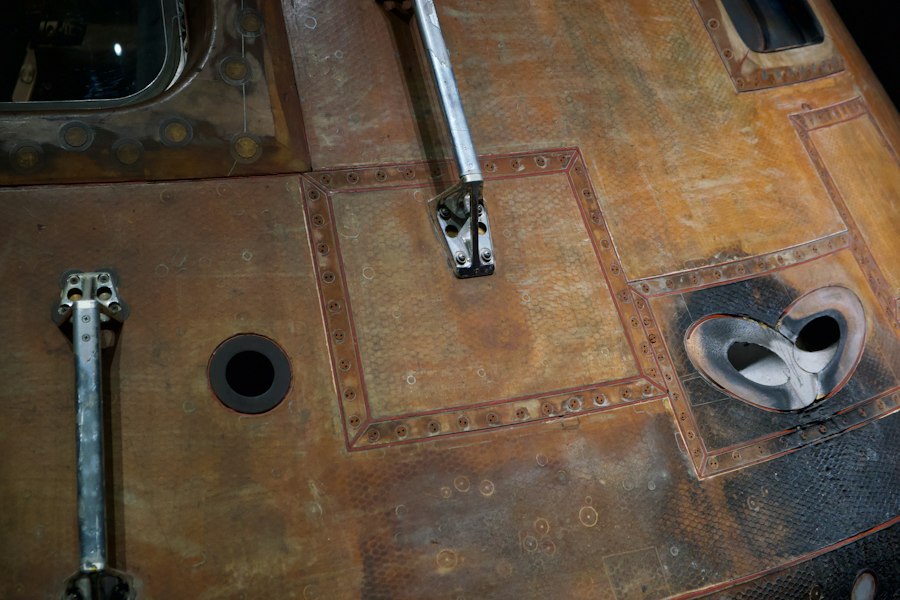
The Apollo Command Module’s heat shield was the unsung hero of atmospheric reentry. This sophisticated system was designed not to resist the heat indefinitely, but to absorb and dissipate it by intentionally ablating – a process where the material vaporizes or burns away in a controlled manner. This sacrificial layer carried away enormous amounts of thermal energy, protecting the underlying spacecraft structure and the astronauts within. The development and testing of this heat shield were critical to the success of the Apollo program.
Ablative Materials and Their Properties
The primary material used for the Apollo heat shield was a phenolic resin impregnated with fiberglass. This composite material was chosen for its excellent ablative properties. When exposed to the extreme heat of reentry, the resin would char and then vaporize, absorbing a significant amount of energy in the process. This char layer also acted as an insulator, further protecting the underlying layers. The exact composition and thickness of the heat shield were meticulously engineered to withstand the predicted thermal loads for the specific mission profiles.
Designing for Thermal Loads
Engineers used extensive computational fluid dynamics (CFD) and wind tunnel testing to predict the thermal loads experienced during reentry. These predictions informed the design of the heat shield’s thickness and its layered structure. Different densities and types of ablative material might be used in different areas of the heat shield to optimize performance and minimize weight. The goal was to ensure that the heat shield would ablate completely and uniformly, leaving the underlying structure intact and within acceptable temperature limits by the time the spacecraft reached lower, less extreme altitudes.
The Ablation Process in Action
As the Apollo capsule entered the atmosphere, the heat shield began its critical task. The outer layers of the ablative material would start to char, turning into a dark, porous carbonaceous material. This char layer would then vaporize, carrying away heat as it transitioned from solid to gas. This process continued, layer by layer, as the spacecraft descended. The astronauts could often see flames and glowing plasma outside the windows, a testament to the violent environment they were passing through. The success of the ablation was directly tied to the precise calculations and material science employed in its design.
Visual Indicators of Ablation
The visual phenomena associated with ablation were striking. The superheated plasma surrounding the capsule would glow brightly, often appearing as a vibrant orange or yellow. The ablating heat shield itself would shed incandescent particles, creating streaks of light visible from within the spacecraft. This fiery display, while awe-inspiring, was a constant reminder of the immense thermal forces being overcome. The integrity of the heat shield was also monitored, though direct visual inspection during reentry was impossible.
Navigational Precision: The Reentry Trajectory
Achieving a successful reentry was not solely about withstanding heat; it also required precise navigation. The Apollo spacecraft had to enter the atmosphere at the correct angle and at the correct point along its trajectory. This demanded sophisticated guidance systems and a deep understanding of orbital mechanics to ensure that the capsule would arrive at Earth’s atmosphere at the precise time and location required for a safe descent.
The Role of the Guidance and Navigation System
The Apollo Guidance Computer (AGC) played a crucial role in managing the reentry trajectory. After jettisoning the Service Module, the AGC would take control, orienting the Command Module correctly for entry. It continuously monitored the spacecraft’s attitude, velocity, and altitude, making minor adjustments to maintain the desired trajectory. The astronauts also had the ability to override the AGC if necessary, though this was rarely done during the critical reentry phase.
Pre-Programmed Trajectories and Real-time Adjustments
The reentry trajectory was pre-programmed into the AGC based on extensive simulations and mission planning. However, the system also had the capability to make real-time adjustments based on sensor data. Small firings of the Reaction Control System (RCS) thrusters could be used to fine-tune the attitude and orientation of the capsule, ensuring it remained within the narrow reentry corridor. This dynamic control was essential for compensating for any slight deviations from the ideal path.
The “Skip” Maneuver and its Importance
For some Apollo missions, a deliberate “skip” maneuver was incorporated into the reentry. After the initial deceleration in the atmosphere, the spacecraft would momentarily re-enter a region of thinner atmosphere, causing it to “skip” upwards slightly. This maneuver helped to further reduce the peak deceleration forces and heat loads experienced by the capsule, making the reentry more survivable, especially for missions returning from the Moon with higher velocities.
Managing G-Forces and Deceleration
The skip maneuver was designed to manage the intense G-forces that would otherwise be experienced during a direct, steep reentry. By briefly reducing the rate of deceleration, the astronauts were subjected to more manageable acceleration forces. This was crucial for their physiological well-being and for the structural integrity of the spacecraft. The precise timing and angle of the skip were critical; an uncontrolled skip could lead to an undesirable trajectory.
Surviving the Plasma: The Role of the Spacecraft’s Structure
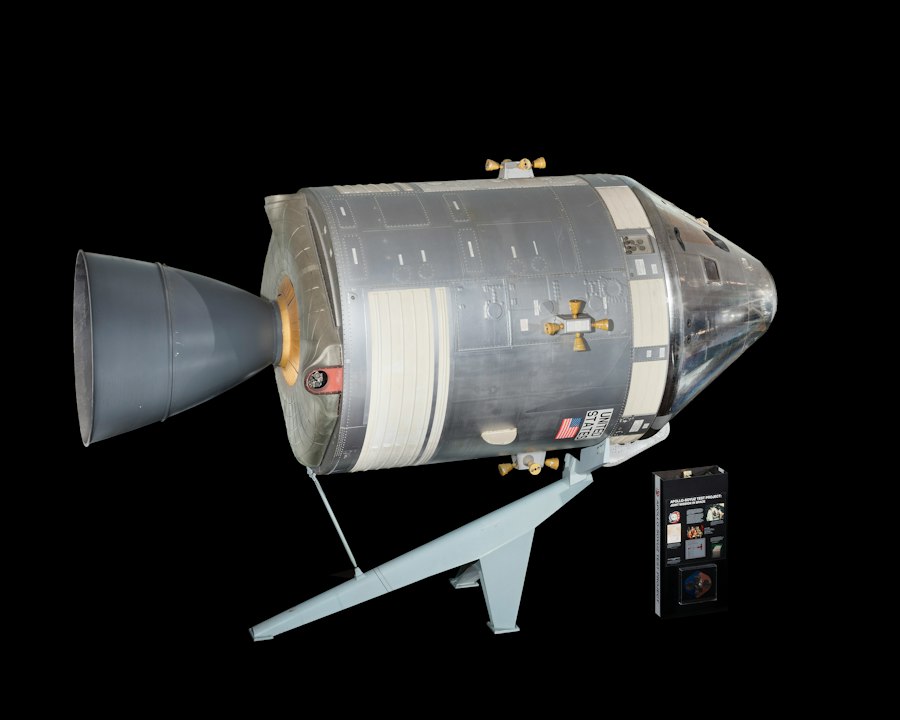
Beyond the heat shield, the Apollo Command Module’s entire structure was designed to withstand the rigors of reentry. The spacecraft’s internal components, life support systems, and the astronauts themselves needed to be protected from extreme temperatures, pressures, and vibrations. This required robust materials and a carefully designed internal layout.
The Pressurized Crew Cabin
The pressurized crew cabin was the sanctuary for the astronauts during reentry. It was a sealed environment, designed to maintain a stable atmosphere and temperature. The walls of the cabin were insulated to protect against the heat conducted from the outer layers of the spacecraft. The integrity of this cabin was paramount, as any breach would expose the astronauts to the vacuum of space or the superheated plasma.
Environmental Control Systems
The Environmental Control System (ECS) within the Command Module played a vital role in maintaining a habitable environment during reentry. It regulated cabin pressure, temperature, and humidity, removing carbon dioxide and other contaminants. The ECS had to be robust enough to function under the extreme conditions of reentry, ensuring that the astronauts had breathable air and a stable environment throughout the descent.
The Role of the Pressure Vessel
The Command Module was constructed with a robust pressure vessel, designed to withstand the internal pressure of the cabin and external forces experienced during flight and reentry. This pressure vessel was typically made of strong, lightweight alloys. Its structural integrity was essential for maintaining the sealed environment and for ensuring the overall safety of the mission.
Shock Absorption and Vibration Dampening
Reentry was a turbulent experience, involving significant vibrations and shockwaves. The Apollo spacecraft incorporated shock absorption and vibration dampening systems to protect the sensitive instruments and the astronauts. These systems helped to smooth out the ride, reducing the impact of the atmospheric forces on the internal components and the crew.
The Apollo capsule’s atmospheric reentry is a fascinating subject that highlights the complexities of space travel and the engineering challenges involved. For those interested in exploring this topic further, a related article provides an in-depth analysis of the reentry process and the technology that ensures the safety of astronauts during their return to Earth. You can read more about it in this insightful piece on Freaky Science. Understanding these mechanisms not only sheds light on past missions but also informs future endeavors in human space exploration.
The Final Descent: From Plasma to Parachutes
| Parameter | Value | Unit | Description |
|---|---|---|---|
| Reentry Velocity | 11,000 | m/s | Velocity of Apollo capsule entering Earth’s atmosphere |
| Peak Deceleration | 6 | g (gravity) | Maximum deceleration experienced during reentry |
| Peak Heating Rate | 1,650 | W/cm² | Maximum heat flux on heat shield surface |
| Heat Shield Material | Phenolic Impregnated Carbon Ablator (PICA) | – | Material used for thermal protection |
| Reentry Angle | 6.5 | Degrees | Flight path angle relative to Earth’s surface |
| Atmospheric Entry Interface Altitude | 121,920 | m | Altitude where atmospheric reentry begins |
| Duration of Reentry | 6 | minutes | Time from atmospheric interface to splashdown |
| Capsule Mass | 5,560 | kg | Mass of Apollo Command Module during reentry |
As the Apollo spacecraft descended through the increasingly dense atmosphere, the intense plasma sheath began to dissipate. The aerodynamic forces continued to decelerate the capsule, but the extreme heating subsided. The final stage of reentry involved the deployment of parachutes, a critical step that would bring the spacecraft to a safe landing in the ocean.
Parachute Deployment Sequence
The deployment of the parachutes was a carefully orchestrated sequence. First, a drogue parachute was deployed at a high altitude to further slow the spacecraft and stabilize its descent. This drogue parachute was a smaller, more robust parachute designed to withstand high speeds. Following the drogue parachute, the main parachutes, a set of three large, specially designed chutes, were deployed at lower altitudes to bring the capsule to its final, splashdown speed.
Drogue and Main Parachutes
The drogue parachute was designed to act as a “sea anchor” in the initial phase of parachute descent, preventing the capsule from tumbling. The main parachutes were considerably larger, providing the bulk of the deceleration needed for a safe landing. These parachutes were made of high-strength nylon and were engineered to deploy reliably even under significant stress.
Splashdown and Recovery
The Apollo missions concluded with a splashdown in the ocean. The Command Module, designed to float, would gently impact the water’s surface. Recovery forces, including naval ships and helicopters, were prepositioned in the expected splashdown zone to retrieve the astronauts and the capsule. The success of the mission was not complete until the crew was safely back on solid ground.
The Importance of Recovery Operations
The recovery operations were as crucial as the reentry itself. Prompt retrieval of the astronauts ensured their safety and prevented them from being exposed to the elements or potential hazards in the ocean. The recovery teams were highly trained and equipped to handle the recovery of the spacecraft and its precious cargo – the returning astronauts. The sight of the recovery helicopters hovering over the floating capsule was a symbol of a successful mission completed. The journey of the Apollo capsule through atmospheric reentry was a testament to human ingenuity, meticulous planning, and the courage of those who dared to venture beyond Earth’s embrace, only to face the ultimate test on their return.

There’s Only One Safe Way Back to Earth From the Moon
FAQs
What is an Apollo capsule atmospheric reentry?
An Apollo capsule atmospheric reentry refers to the process in which the Apollo spacecraft reenters Earth’s atmosphere after completing its mission in space.
How does the Apollo capsule survive the intense heat during reentry?
The Apollo capsule is equipped with a heat shield made of ablative material that absorbs and dissipates the heat generated during reentry, protecting the spacecraft and its occupants.
What is the speed of the Apollo capsule during atmospheric reentry?
The Apollo capsule reaches speeds of up to 25,000 miles per hour as it reenters Earth’s atmosphere, creating intense friction and heat.
What happens after the Apollo capsule reenters the atmosphere?
After reentry, the Apollo capsule deploys parachutes to slow down its descent and safely land in the designated recovery area, typically in the ocean.
How many Apollo missions successfully completed atmospheric reentry?
A total of 11 Apollo missions successfully completed atmospheric reentry, with Apollo 7 being the first manned mission to do so in 1968.