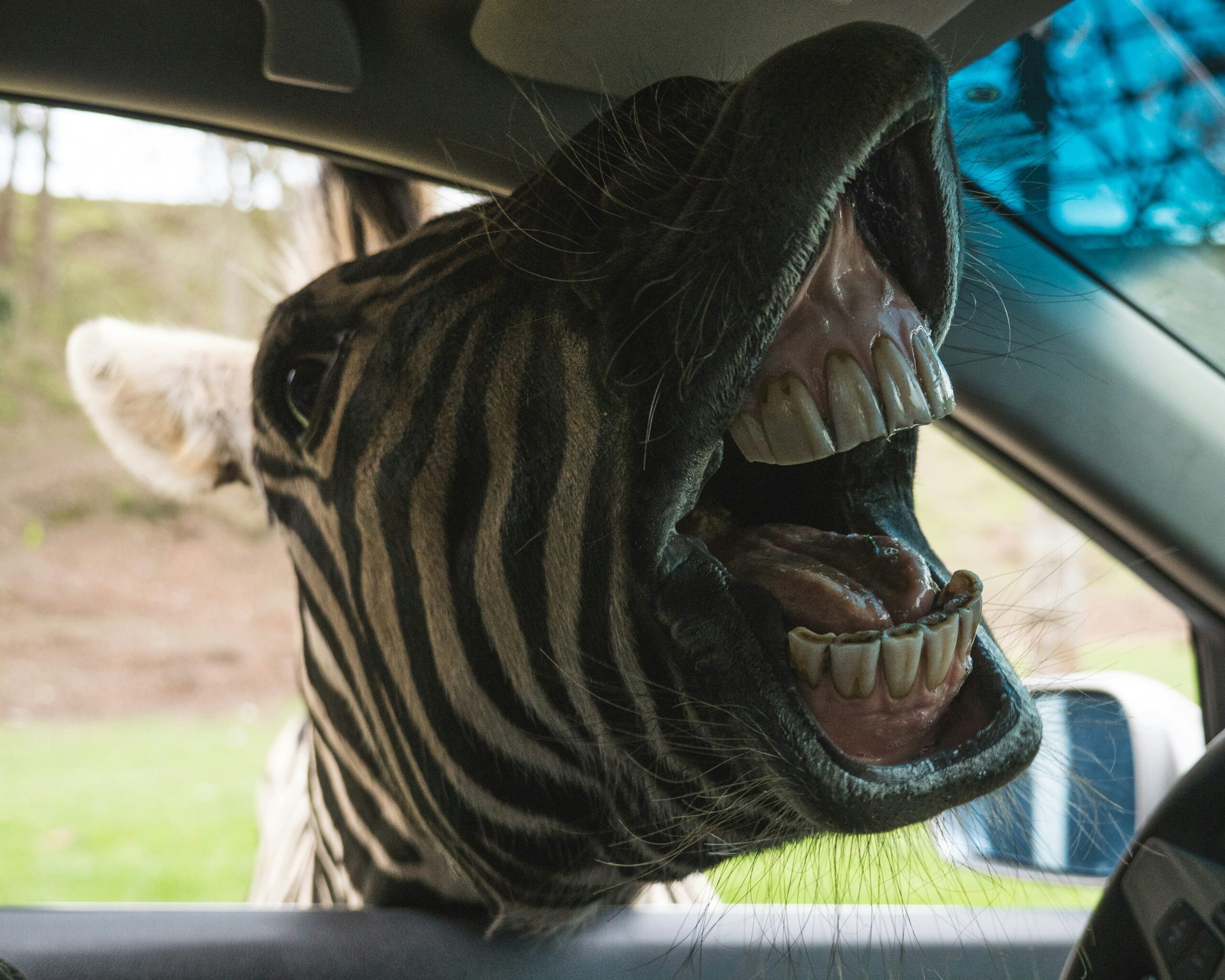
Animals experience the world in ways profoundly different from humans, shaped by their unique sensory systems, evolutionary adaptations, and biological imperatives. To understand how they see, hear, smell, taste, and feel is to peel back layers of perception, revealing a rich tapestry of realities that often elude human comprehension. This exploration delves into the remarkable diversity of animal perspectives, illustrating the intricate ways in which non-human creatures navigate and interpret their environments.
Human vision, while well-developed, is but one facet of a vast visual spectrum. Animals possess an astonishing array of ocular adaptations that allow them to perceive the world in ways that challenge our fundamental understanding of sight. From detecting ultraviolet light to seeing in near-total darkness, their visual worlds are as diverse as the creatures themselves.
Ultraviolet Vision: A World of Hidden Colors
Many animals, including insects, birds, and some mammals like reindeer, can see into the ultraviolet (UV) portion of the electromagnetic spectrum. This opens up a hidden dimension of color and pattern invisible to humans. For insects, UV patterns on flowers act as vital landing strips, guiding them to nectar. For birds, UV coloration on feathers can play a crucial role in mate selection, with vibrant displays that are invisible to our eyes. Reindeer, living in the Arctic, utilize UV vision to spot lichen, a primary food source, against the snow during the long winter months, as they absorb UV light while snow reflects it. This ability to perceive UV light profoundly alters their perception of landscapes, food sources, and social interactions.
Infrared Vision: Sensing the Heat Signature
While not as common as UV vision, some animals possess infrared (IR) sensing capabilities, allowing them to perceive heat. Pit vipers, for example, have specialized pit organs that detect infrared radiation emitted by warm-blooded prey. This allows them to hunt effectively in complete darkness, pinpointing the precise location of their targets. Certain bats also have heat-sensing capabilities, which they use in conjunction with echolocation to locate prey, particularly flying insects. Their world is one of thermal signatures, where the warmth of a living creature stands out starkly against a cooler background.
Compound Eyes: A Mosaic of Perception
Insects and crustaceans often possess compound eyes, which are made up of thousands of individual lenses called ommatidia. Each ommatidium captures a small portion of the visual field, and the brain assembles these into a mosaic image. This type of vision can offer a wider field of view and excellent motion detection, allowing insects to react quickly to predators or prey. While they may not perceive fine detail in the same way humans do, their ability to detect rapid movements is far superior. The world for an insect is a rapidly changing panorama of light and shadow, constantly analyzed for potential threats and opportunities.
Vision in Low Light: Adapting to the Dark
Many nocturnal animals have evolved remarkable adaptations for vision in low-light conditions. Cats, for example, have a high concentration of rod cells in their retinas, which are highly sensitive to light. They also possess a tapetum lucidum, a reflective layer behind the retina that bounces light back through the photoreceptor cells, giving them a second chance to absorb photons. This is responsible for the characteristic “eye shine” seen in cats and other nocturnal creatures. Owls, with their enormous eyes and forward-facing vision, are masters of the night, able to spot the slightest movement of prey from great distances. Their visual world is dominated by subtle gradations of gray and the outlines of shapes illuminated by moonlight or starlight.
Color Vision: A Spectrum of Possibilities
While humans are trichromats (seeing red, green, and blue), the color vision of other animals varies dramatically. Birds often have tetrachromatic vision, possessing an additional cone type sensitive to UV light, giving them a richer and more complex color experience. Dogs, on the other hand, are dichromats, seeing primarily in blues and yellows, with reds and greens appearing as shades of yellow or gray. This means their world is less vibrant than ours, but they still perceive color, just differently. The way an animal perceives color influences its interactions with its environment, from foraging for ripe fruits to recognizing conspecifics.
Understanding how animals perceive reality is a fascinating topic that delves into the sensory experiences and cognitive processes of various species. For a deeper exploration of this subject, you can read the article on animal perception at Freaky Science. This resource provides insights into how different animals interpret their environments, showcasing the diversity of sensory modalities and the unique ways in which they interact with the world around them.
The Symphony of Sound: Diverse Auditory Worlds
Hearing is another critical sense that shapes animal perception, with a vast range of frequencies and sensitivities found across the animal kingdom. From the ultrasonic chirps of bats to the infrasonic rumblings of elephants, sound plays a vital role in communication, navigation, and survival.
Echolocation: Navigating with Sound
Bats and dolphins are renowned for their sophisticated echolocation abilities. They emit high-frequency sound waves and interpret the returning echoes to create a detailed “sound map” of their surroundings. This allows them to navigate in complete darkness, locate prey with incredible precision, and even differentiate between various objects based on their texture and shape. The world for a bat in flight is a dynamic three-dimensional acoustic space, where every object has a unique sonic signature.
Hearing the Unheard: Ultrasonic and Infrasonic Frequencies
Many animals can perceive sound frequencies far beyond the human range. Dogs and cats can hear ultrasonic sounds, which is why they often react to noises imperceptible to their human companions, such as the high-pitched whine of some electronic devices. Conversely, elephants and some whales can produce and detect infrasonic sounds, low-frequency vibrations that can travel for miles through the ground or water. This allows them to communicate over vast distances, coordinating group movements or warning of danger. Their auditory world is a silent symphony for humans, a constant stream of communication and environmental information.
Sound Localization: Pinpointing the Source
The ability to accurately locate the source of a sound is crucial for many animals. Owls, with their asymmetrical ear openings and facial discs, can precisely pinpoint the location of prey by analyzing the subtle differences in the time and intensity of sound reaching each ear. Many predators use sound localization to hunt, and prey animals use it to detect approaching threats. This sonic triangulation allows them to orient themselves and react accordingly, transforming the auditory landscape into a map of potential dangers and food sources.
Vocalizations and Communication: A Language of Sound
The diversity of animal vocalizations is staggering, serving a multitude of communicative purposes. Birdsong is used for territory defense and mate attraction, whale songs are complex and long-ranging, and the growls, barks, and meows of domestic animals convey a range of emotions and intentions. Even seemingly simple sounds like the buzzing of an insect or the chirping of a cricket are forms of communication, conveying information about presence, mating readiness, or warning. Understanding these vocalizations is key to deciphering the social and emotional lives of these creatures.
The Power of Scent: An Olfactory Landscape
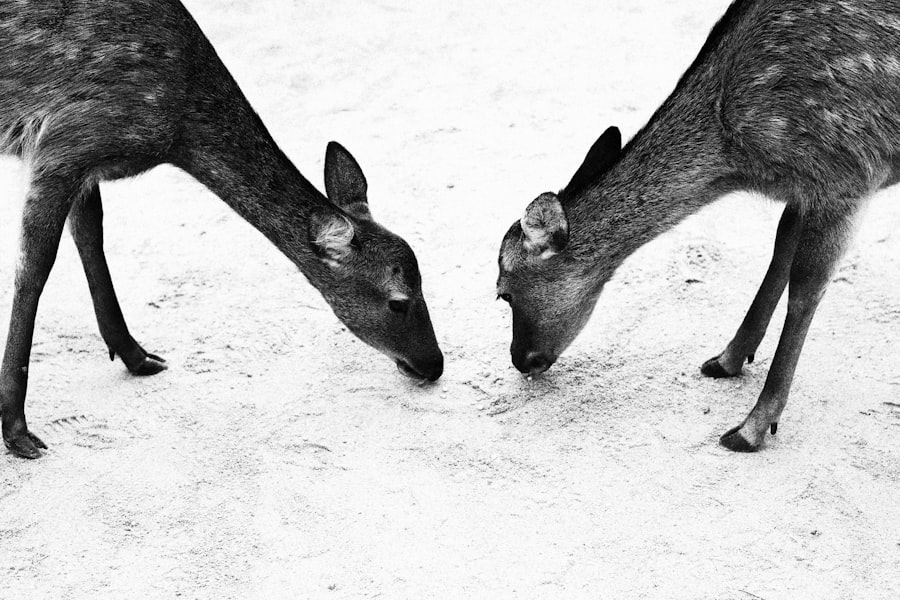
Olfaction, the sense of smell, is often considered the most developed sense in many animals, far surpassing human capabilities. Scent plays a crucial role in a vast array of behaviors, from finding food and partners to navigating complex social structures and avoiding danger.
Tracking and Navigation: The Invisible Trail
Many animals, particularly canids like wolves and dogs, possess an extraordinary sense of smell, with olfactory receptors numbering in the hundreds of millions. They can detect scents from miles away and follow faint trails with remarkable accuracy, using scent as their primary navigation tool. This allows them to hunt effectively, find mates, and maintain social bonds within their packs. The world for a dog is a rich tapestry of olfactory information, constantly informing them about who has been where, when, and what they were doing.
Social Communication and Recognition: The Scent Mark
Chemical signals, or pheromones, are a vital form of communication for many species. Animals use scent marks to define territories, signal reproductive status, and communicate social hierarchies. Cats rub their faces on objects and people to deposit scent, lions mark their territory with urine, and ants leave scent trails to guide their colony. These invisible messages create a complex social landscape, where individuals constantly receive and interpret olfactory cues about the presence and intentions of others.
Detecting Danger and Food: An Early Warning System
A keen sense of smell can alert animals to the presence of predators or the proximity of food sources long before they are visible or audible. Many rodents can detect the scent of a predator and flee before it is even seen. Similarly, vultures can smell carrion from great heights, leading them to carcasses. This olfactory radar provides a critical survival advantage, allowing animals to react proactively to threats and opportunities.
The Nuances of Taste: Beyond Sweet and Sour
While often linked to smell, taste also plays a significant role in animal perception, influencing foraging decisions and identifying safe food sources. Some animals have highly specialized taste preferences, while others are more opportunistic. The way an animal experiences taste is often a complex interplay with its olfactory system, creating a rich sensory experience that guides its dietary choices.
The World of Touch and Vibration: Feeling the Environment

Touch and the perception of vibration are fundamental sensory inputs that allow animals to interact physically with their environment and each other. These senses are often overlooked but are crucial for a wide range of behaviors.
Tactile Sensing: Feeling Their Way
Many animals rely heavily on touch to explore their surroundings. The whiskers of cats and rodents are highly sensitive tactile organs that help them navigate in tight spaces and detect prey. The sensitive pads on the feet of many animals allow them to feel vibrations and pressure changes in the ground. For aquatic creatures, whiskers or specialized sensory barbels are essential for detecting food and navigating in murky waters.
Vibrotactile Perception: Sensing Through Ground and Water
Some animals have evolved to sense vibrations through their bodies, providing them with information about their surroundings. Elephants can communicate and detect distant threats through seismic communication, sensing vibrations traveling through the ground. Spiders can detect the vibrations of their prey on their webs, and many aquatic animals can sense pressure waves and vibrations in the water, aiding in prey detection and predator avoidance. This allows them to perceive a world that is not only seen and heard but also felt.
Kinesthesia and Proprioception: The Body’s Internal Map
Beyond external stimuli, animals possess proprioception, the sense of their body’s position and movement in space. This internal awareness is crucial for coordinated movement, balance, and motor control. Without it, even simple actions like walking or flying would be impossible. This inherent understanding of their own physicality allows them to interact with their environment with grace and precision.
Understanding how animals perceive reality is a fascinating topic that delves into the differences in sensory experiences across species. For instance, research has shown that many animals have heightened senses that allow them to interpret their environment in ways humans cannot fully comprehend. To explore this further, you might find the article on animal perception at Freaky Science particularly enlightening, as it discusses various studies that reveal the unique ways animals interact with their surroundings.
The Influence of Instinct and Cognition: Shaping Perception
| Animal | Perception | Reality |
|---|---|---|
| Dogs | Colorblind, sensitive to motion | Relies on smell and hearing |
| Cats | Nocturnal vision, keen sense of smell | Highly sensitive to vibrations |
| Birds | Color vision, keen eyesight | Can see ultraviolet light |
| Snakes | Heat-sensing pits, poor eyesight | Relies on thermal vision |
While sensory input provides the raw data, an animal’s perception is also shaped by its innate instincts, learned behaviors, and cognitive abilities. These internal factors filter, interpret, and prioritize information, leading to species-specific responses and individual variations.
Instinctual Drives: Immediate Reactions and Innate Knowledge
Instincts are pre-programmed behavioral responses that are crucial for survival. The innate drive of a bird to build a nest, the reflex of a frog to catch an insect, or the migratory urge of a salmon are all driven by instincts. These deeply ingrained behaviors shape how animals interpret sensory information and react to their environment, often leading to immediate and life-saving actions before conscious thought can process the situation.
Learned Behaviors and Memory: Adapting and Evolving Perception
Learning and memory allow animals to adapt their perceptions and behaviors based on past experiences. A predator learns which prey is easier to catch or which routes are more efficient. A social animal learns individual recognition and complex social cues. These learned adaptations refine their understanding of the world, allowing them to navigate its complexities with greater skill and efficiency. Memory of past dangers or successful foraging strategies directly influences how an animal interprets present sensory input, leading to more informed decisions.
Emotional and Social Context: A Subjective Experience
The emotional state and social context in which an animal finds itself profoundly influence its perception. Fear can heighten sensitivity to perceived threats, while contentment can lead to a more relaxed engagement with the environment. The presence of conspecifics can trigger a cascade of social behaviors and alter how an individual perceives social cues. This highlights that animal perception is not purely objective but is colored by their internal emotional and social landscapes, creating a subjective experience of the world.
In conclusion, the world as experienced by animals is a kaleidoscope of sensory input and internal processing, vastly different from our own. By delving into their visual, auditory, olfactory, tactile, and cognitive worlds, we begin to appreciate the rich and complex tapestry of life on Earth. Understanding these diverse perspectives is not merely an academic pursuit; it fosters a deeper empathy and respect for the myriad ways in which life unfolds, reminding us that our human perception is but one of many valid interpretations of reality.

Birds Can Sense Something Humans Never Will
FAQs
What is animal perception of reality?
Animal perception of reality refers to the way in which animals interpret and understand the world around them through their senses, such as sight, hearing, smell, taste, and touch.
How do animals perceive the world differently from humans?
Animals perceive the world differently from humans due to variations in their sensory capabilities. For example, some animals have a much stronger sense of smell or hearing than humans, while others may have different visual capabilities, such as the ability to see ultraviolet light.
What role does evolution play in animal perception of reality?
Evolution plays a significant role in shaping animal perception of reality, as animals’ sensory abilities have evolved over time to help them survive and thrive in their specific environments. For example, prey animals may have heightened senses to detect predators, while predators may have specialized senses to locate and capture prey.
How do animals use their perception of reality to navigate their environment?
Animals use their perception of reality to navigate their environment by relying on their senses to find food, avoid danger, communicate with others, and locate mates. For example, some animals use echolocation to navigate in the dark, while others use scent trails to find their way.
Can animals perceive reality in ways that humans cannot?
Yes, animals can perceive reality in ways that humans cannot due to their unique sensory abilities. For example, some animals can detect electrical fields, sense magnetic fields, or perceive ultraviolet light, which are not within the range of human perception.