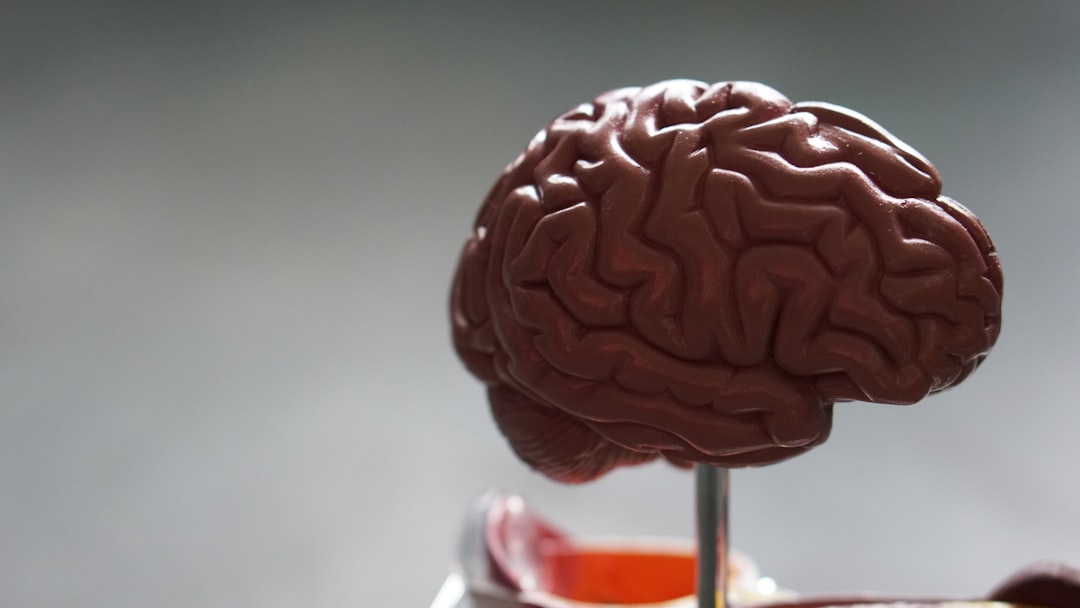
You’re lying there, the sterile scent of the operating room filling your nostrils. A mask is placed over your face, and you’re instructed to breathe deeply. The world begins to blur, a gentle fading, and then… nothing. You’ve just experienced the profound power of anesthetic drugs, substances that temporarily suspend your consciousness and eliminate pain. But what exactly is happening inside your brain during this orchestrated oblivion? It’s a fascinating journey into the intricate circuitry of your mind, and understanding these effects can demystify the process and highlight the incredible advancements in medicine.
The journey into unconsciousness induced by anesthetic drugs is a complex cascade of neurochemical events. It’s not a simple “off switch,” but rather a finely tuned disruption of the brain’s communication networks. Imagine your brain as a bustling city, with billions of neurons acting as individual buildings and their axons and dendrites as the roads and communication lines. Anesthetics, in various ways, aim to slow down or reroute this traffic, effectively dimming the lights and quieting the noise until the city falls silent.
Targeting the Synapse: The Crucial Junction
At the heart of neural communication lies the synapse, the tiny gap between two neurons where chemical messengers, called neurotransmitters, are released. These neurotransmitters bind to receptors on the next neuron, either exciting it to fire an electrical signal or inhibiting it, preventing it from firing. Anesthetics exert their primary effects by interfering with these synaptic transmissions.
Enhancing Inhibition: The Power of GABA
One of the most common mechanisms by which anesthetics induce unconsciousness is by amplifying the effects of gamma-aminobutyric acid (GABA). GABA is the brain’s primary inhibitory neurotransmitter. Think of it as the brake pedal for neuronal activity. When GABA binds to its receptors (GABA-A receptors are particularly important here), it opens ion channels that allow chloride ions to enter the neuron. This influx of negative charge hyperpolarizes the neuron, making it harder for it to generate an electrical impulse.
Anesthetic drugs like propofol, benzodiazepines (such as midazolam), and barbiturates directly interact with GABA-A receptors. They don’t just passively enhance GABA’s actions; they actually bind to specific sites on the receptor, increasing its affinity for GABA and/or increasing the frequency or duration of chloride channel opening. This means that even a normal amount of GABA becomes much more effective at suppressing neuronal firing, leading to widespread inhibition throughout the brain. You can visualize this as putting extra, heavier weights on the brake pedal, making it much more difficult for the neuronal engine to accelerate.
Suppressing Excitation: Dampening the Accelerators
While enhancing inhibition is a major player, anesthetics also work by dampening excitatory neurotransmission. The primary excitatory neurotransmitter in the brain is glutamate. Glutamate binds to receptors like NMDA (N-methyl-D-aspartate) and AMPA (α-amino-3-hydroxy-5-methyl-4-isoxazolepropionic acid) receptors, which open channels allowing positive ions like sodium and calcium to enter the neuron, depolarizing it and making it more likely to fire.
Many anesthetics, including ketamine and nitrous oxide, act by blocking these excitatory receptors. Ketamine, for instance, is a potent NMDA receptor antagonist. By blocking NMDA receptors, it prevents glutamate from activating them, effectively jamming the signal on the accelerator. This reduction in excitatory signaling complements the increase in inhibitory signaling, creating a powerful combination that leads to loss of consciousness. Imagine applying the brakes with one foot while simultaneously preventing the engine from revving up with the other.
The Domino Effect: Disrupting Neural Networks
The targeted actions at the synapse have a ripple effect throughout the brain’s complex neural networks. Consciousness isn’t localized to a single “consciousness center”; rather, it emerges from the coordinated activity of widespread brain regions. Anesthetics disrupt this coordination.
Thalamocortical Oscillations: The Brain’s Rhythm Section
The thalamus, a relay station for sensory information, and the cerebral cortex, responsible for higher-level cognitive functions, have a crucial functional relationship. They communicate through synchronized electrical activity called thalamocortical oscillations. These oscillations are thought to be essential for integrating sensory information, maintaining attention, and generating conscious experience.
Anesthetics can significantly alter these oscillations. For example, propofol can induce slow, high-amplitude oscillations in the thalamocortical pathways. This disruption in the normal rhythmic communication is believed to impair the brain’s ability to process and integrate information, contributing to the loss of consciousness and awareness. It’s like a symphony orchestra suddenly playing out of sync, with different sections producing random noises instead of harmonious music. The integrated melody of consciousness is lost.
Network Connectivity: The Communication Breakdown
Beyond specific oscillations, anesthetics also affect the overall connectivity between different brain regions. Consciousness requires the seamless flow of information between various areas, including those involved in sensory processing, memory formation, and executive function. Anesthetics can reduce this functional connectivity, essentially creating communication blockades between these regions.
Studies using functional magnetic resonance imaging (fMRI) have shown that during anesthesia, the brain becomes more segregated, with reduced communication between prefrontal cortex, parietal cortex, and other key areas. This breakdown in network integration is a significant factor in the anesthetic state, as it prevents the unified experience of consciousness from being maintained. Imagine the city’s communication network being severed, with different districts isolated and unable to share vital information.
Anesthetic drugs play a crucial role in modern medicine by inducing a temporary state of controlled unconsciousness, allowing for painless surgical procedures. These substances work by altering neurotransmitter activity in the brain, effectively dampening neural communication and resulting in a loss of sensation and awareness. For a deeper understanding of how these drugs interact with the brain and their implications for patient care, you can read a related article at Freaky Science.
Stages of Anesthesia: A Gradient of Brain Activity
Anesthesia is not a binary state of “awake” or “unconscious.” Instead, it’s a continuum with distinct stages, each characterized by specific levels of brain activity and observable effects. Understanding these stages provides further insight into how anesthetic drugs gradually subdue the brain’s functions.
Induction: The Descent into Oblivion
The induction phase is the period from the administration of the anesthetic to the loss of consciousness. During this phase, you’ll typically experience a range of sensations, from a warm flush and a metallic taste to auditory hallucinations or a feeling of detachment. Physiologically, your brain is undergoing rapid changes.
Initial Hyperexcitability Followed by Depression
Interestingly, in the very early stages of induction, some anesthetics can paradoxically cause a brief period of neuronal hyperexcitability before depression sets in. This might manifest as involuntary movements or muscle twitches. This transient surge of activity is thought to be a result of initial disinhibition, where certain inhibitory pathways are transiently suppressed before the dominant inhibitory effects of the anesthetic take hold. This is like a quick surge of adrenaline before the calming effect truly kicks in.
As the anesthetic concentration increases, the inhibitory effects begin to dominate. Neuronal firing rates decrease, and synaptic transmission becomes more sluggish. You’ll notice a progressive dimming of your awareness, with sounds becoming muffled and thoughts becoming fuzzy. This is the brain beginning its retreat from the outside world.
Maintenance: The Steady State of Unresponsiveness
Once unconsciousness is achieved, you enter the maintenance phase. During this period, the anesthetic concentration is kept at a level sufficient to maintain unconsciousness, immobility, and amnesia. The brain’s activity is significantly reduced and coordinated in a way that prevents awareness and response to stimuli.
Widespread Neuronal Silence
In the maintenance phase, there’s a widespread suppression of neuronal activity across most brain regions. The excitatory pathways are largely silenced, and the inhibitory pathways are powerfully amplified. This results in a significant reduction in the overall metabolic activity of the brain. Think of it as the city’s lights being dimmed significantly, with only essential services running at a minimal level.
The precise pattern of brain activity during maintenance can vary depending on the anesthetic agent used. However, the overarching theme is a profound depression of cortical and subcortical activity, ensuring that you remain unaware of the surgical procedure. The brain is effectively put into a protective “sleep” mode, preventing the stress and pain of surgery from reaching your conscious awareness.
Emergence: The Gradual Return to Consciousness
The emergence phase is the period from the discontinuation of the anesthetic to the return of full consciousness and cognitive function. This is a gradual process, with awareness returning in stages.
Reawakening of Neural Networks
As the anesthetic is cleared from your system, the inhibitory effects begin to wane. Neuronal excitability gradually increases, and synaptic transmission starts to normalize. The thalamocortical oscillations begin to re-establish their normal patterns, and functional connectivity between brain regions slowly recovers. This is like the city’s lights gradually coming back on, starting with the essential services and slowly illuminating more and more areas.
You might experience a period of confusion, disorientation, or vivid dreams as your brain slowly reboots. Memory formation might be temporarily impaired, leading to gaps in your recollection of the immediate post-anesthetic period. This is the brain slowly piecing itself back together, re-establishing its intricate communication networks.
Specific Brain Regions Affected: A Targeted Disruption
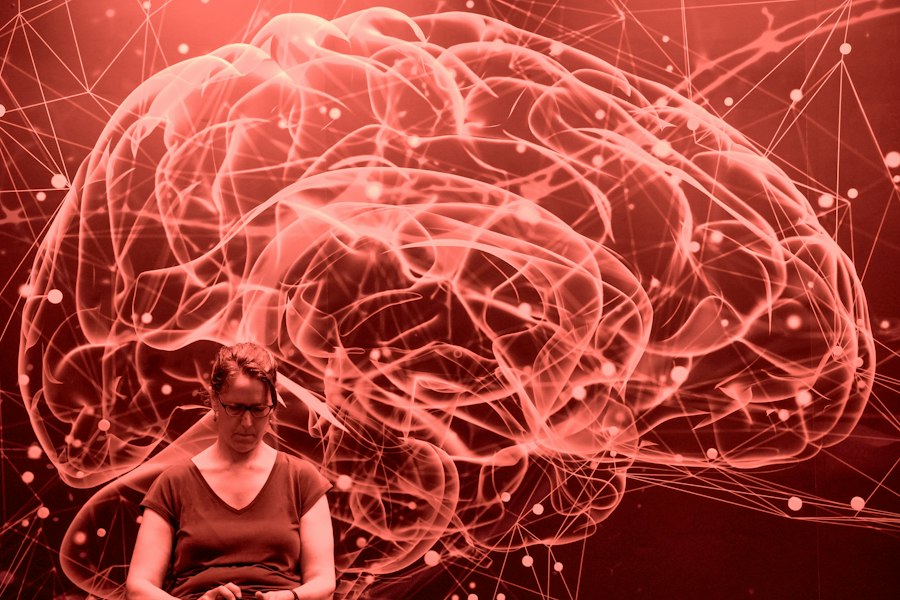
While anesthetics broadly depress brain activity, they don’t affect all brain regions equally. Certain areas are more vulnerable or play more critical roles in the anesthetic state, making them prime targets for anesthetic action.
The Cerebral Cortex: The Seat of Consciousness
The cerebral cortex is the outer layer of the brain, responsible for higher-level cognitive functions such as thought, perception, language, and consciousness. It’s a major target for anesthetic drugs.
Prefrontal Cortex and Executive Functions
The prefrontal cortex, located at the front of the brain, is crucial for executive functions like decision-making, planning, and working memory. Anesthetics significantly impair the activity of the prefrontal cortex, contributing to the loss of awareness and the inability to engage in complex thought processes. This is why you can’t plan your escape or recall specific details while under anesthesia.
Sensory Cortices: Dimming the Input
The sensory cortices, responsible for processing information from your senses (vision, hearing, touch, etc.), are also profoundly affected. Anesthetics reduce the brain’s ability to receive and interpret sensory input, leading to the lack of awareness of the surgical environment. This is why you don’t feel the surgical instruments or hear the beeping of the machines.
The Thalamus: The Gatekeeper of Sensory Information
As mentioned earlier, the thalamus plays a critical role in relaying sensory information to the cortex. Its disruption by anesthetics is central to the anesthetic state.
Thalamic Nuclei and Network Control
The thalamus is composed of various nuclei, each with specific connections to different cortical areas. Anesthetics can selectively modulate the activity of these thalamic nuclei, altering the flow of information to the cortex. This selective disruption helps to explain the widespread loss of consciousness rather than a simple shutdown of all brain function. It’s like a sophisticated traffic controller shutting down specific routes to manage an overwhelming flow of information.
The Hippocampus: The Repository of Memory
The hippocampus, a structure deep within the temporal lobe, is vital for forming new memories. Anesthetics are known to induce amnesia, and the hippocampus is a key player in this effect.
Impaired Memory Encoding
Anesthetics can disrupt the synaptic plasticity and neuronal firing patterns in the hippocampus that are essential for memory encoding. This prevents the formation of new memories during the period of anesthesia, ensuring that you don’t recall the surgical procedure. Imagine the hippocampus as a filing cabinet where new information is stored; anesthetics effectively lock the drawers of this cabinet.
The Brainstem: Maintaining Vital Functions
The brainstem, located at the base of the brain, controls essential life-sustaining functions like breathing, heart rate, and blood pressure. While anesthetics suppress many brain functions, they are carefully designed to spare the brainstem’s vital centers, at least at therapeutic doses.
Relative Preservation of Autonomic Control
General anesthetics, when administered correctly, aim to depress cortical and subcortical activity while largely preserving the autonomic functions controlled by the brainstem. This allows for the maintenance of vital physiological processes during surgery. However, very high doses of anesthetics can depress brainstem function, leading to respiratory and cardiovascular collapse, which is why careful monitoring is crucial.
Neurochemical Changes Under Anesthesia: A Symphony of Messengers
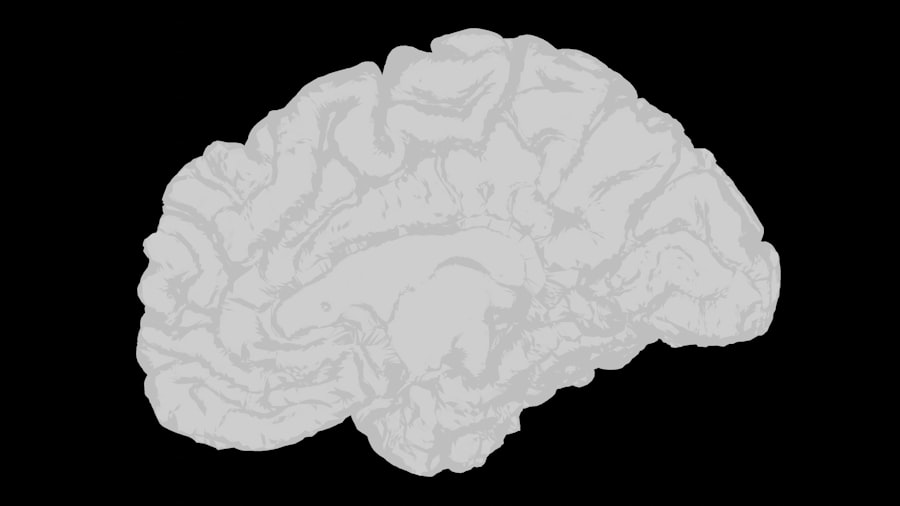
The effects of anesthetic drugs on the brain are mediated by intricate changes in the balance of neurochemicals. Understanding these shifts provides a deeper appreciation of how consciousness is modulated.
The GABAergic System: The Dominant Inhibitory Force
We’ve already discussed the crucial role of GABA. Under anesthesia, the activity of the GABAergic system is significantly amplified, leading to a widespread dampening of neuronal excitability.
Increased GABA-A Receptor Function
As detailed earlier, many anesthetics directly bind to GABA-A receptors, enhancing their activity. This leads to increased influx of chloride ions into neurons, hyperpolarizing them and making them less likely to fire. This is a primary mechanism for inducing sedation and unconsciousness.
The Glutamatergic System: Suppressing Excitation
The reduction in excitatory neurotransmission, particularly via glutamate, is equally important.
NMDA and AMPA Receptor Blockade
Anesthetics that block NMDA and AMPA receptors reduce the excitatory drive in the brain. This prevents neurons from being overly activated, complementing the increased inhibition and contributing to the overall state of neuronal depression. This is like cutting the wires that supply power to the excitatory circuits.
Other Neurotransmitter Systems: A Wider Influence
While GABA and glutamate are central players, anesthetics can also influence other neurotransmitter systems, albeit to varying degrees.
Cholinergic and Noradrenergic Systems: Modulating Arousal
The cholinergic and noradrenergic systems are involved in maintaining arousal and wakefulness. Some anesthetics can modulate the activity of these systems, further contributing to sedation and reduced responsiveness. However, the precise mechanisms and extent of their involvement can vary between different anesthetic agents.
Anesthetic drugs play a crucial role in modern medicine by altering brain activity to ensure patients remain unconscious and pain-free during surgical procedures. These substances interact with various neurotransmitter systems, leading to a temporary state of altered consciousness and perception. For a deeper understanding of how these drugs affect the brain, you can explore a related article that delves into the science behind anesthesia and its impact on neural pathways. This insightful piece can be found at Freaky Science, where you can learn more about the fascinating mechanisms at play.
Long-Term Effects and Future Directions: Beyond the Operating Room
| Anesthetic Drug | Effect on the Brain |
|---|---|
| Propofol | Causes a reversible loss of consciousness by enhancing the activity of the neurotransmitter GABA in the brain. |
| Isoflurane | Reduces the activity of excitatory neurotransmitters, such as glutamate, leading to a state of unconsciousness. |
| Fentanyl | Acts on opioid receptors in the brain to produce analgesia and sedation. |
While the immediate effects of anesthetic drugs are well-understood, research continues to explore potential long-term consequences and the future of anesthetic drug development.
Cognitive Function and Anesthesia: The Debate Continues
The question of whether general anesthesia has long-term effects on cognitive function, particularly in vulnerable populations like the elderly or young children, remains an active area of research. While many studies show no significant long-term deficits, some have suggested subtle cognitive changes.
Neuroinflammation and Synaptic Plasticity
Some research suggests that anesthesia might induce transient neuroinflammation or alter synaptic plasticity, which could potentially contribute to subtle cognitive changes over time. However, the clinical significance of these findings is still being investigated, and the benefits of anesthesia in preventing the harmful effects of surgical stress often outweigh these potential risks.
Developing Safer and More Targeted Anesthetics
The ongoing quest in anesthesia research is to develop drugs that are even safer, more targeted, and allow for faster and smoother recovery.
Targeted Neural Circuit Modulation
Future anesthetic drugs might be designed to more precisely target specific neural circuits involved in consciousness and pain perception, minimizing off-target effects. This could lead to anesthetics that offer greater control over the depth and duration of anesthesia, with fewer side effects.
Real-time Brain Monitoring and Personalized Anesthesia
Advancements in brain imaging and monitoring technologies, such as electroencephalography (EEG) and near-infrared spectroscopy (NIRS), are allowing for real-time assessment of brain activity during anesthesia. This enables personalized anesthesia, where drug administration is precisely tailored to an individual’s brain state, optimizing safety and recovery.
In conclusion, the journey into unconsciousness under anesthetic drugs is a testament to our understanding of the brain’s intricate workings. By manipulating key neurochemical pathways and disrupting neural network communication, these powerful substances temporarily suspend our awareness, allowing for essential medical interventions. As research continues to unravel the complexities of the brain, the future of anesthesia promises even safer, more precise, and personalized experiences for patients worldwide.

You’re Not Asleep Under Anesthesia. So Where Do You Go?
FAQs
What are anesthetic drugs?
Anesthetic drugs are medications that are used to induce a state of anesthesia, which is a reversible loss of sensation. They are commonly used during surgical procedures to prevent pain and discomfort for the patient.
How do anesthetic drugs affect the brain?
Anesthetic drugs work by altering the activity of neurotransmitters in the brain, particularly those involved in the transmission of pain signals. They can also affect the levels of certain chemicals in the brain, leading to a state of unconsciousness and loss of sensation.
What are the potential side effects of anesthetic drugs on the brain?
Some potential side effects of anesthetic drugs on the brain include confusion, memory loss, and cognitive dysfunction. In rare cases, anesthetic drugs can also lead to more serious complications such as postoperative delirium or long-term cognitive decline.
How long do the effects of anesthetic drugs on the brain last?
The duration of the effects of anesthetic drugs on the brain can vary depending on the specific drug used, the dosage, and the individual’s response to the medication. In general, the effects of anesthetic drugs wear off once the drugs are metabolized and eliminated from the body.
Are there any long-term effects of anesthetic drugs on the brain?
While most patients recover fully from the effects of anesthetic drugs on the brain, some studies have suggested that there may be a small risk of long-term cognitive decline, particularly in older adults. However, more research is needed to fully understand the potential long-term effects of anesthetic drugs on the brain.