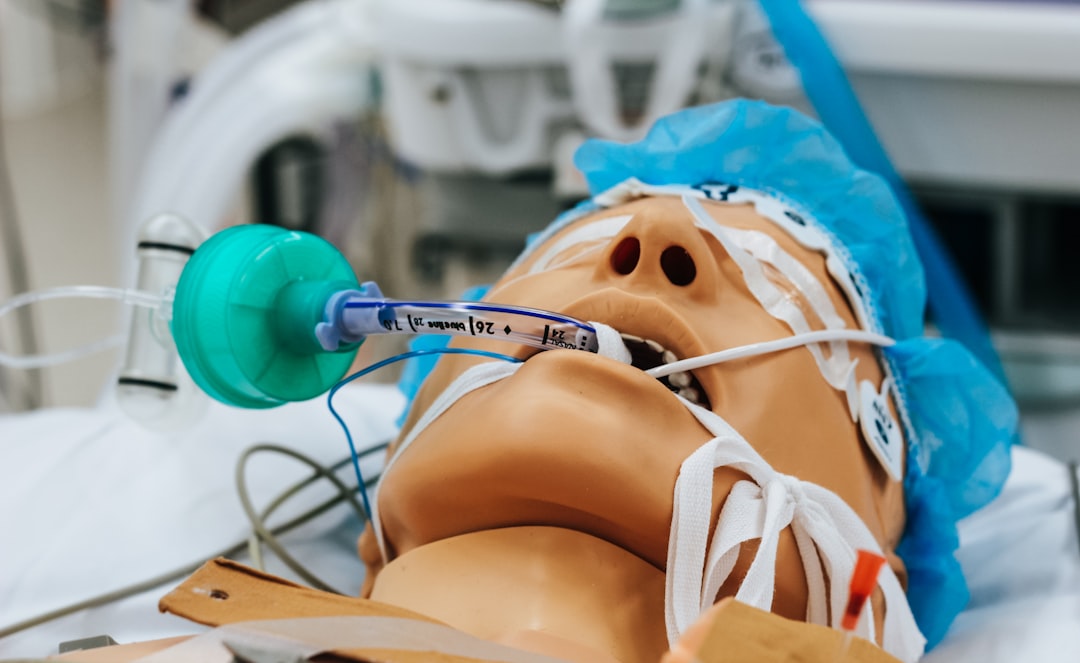
You’re about to undergo a surgical procedure, and the word “anesthesia” likely conjures images of a peaceful, dreamless sleep. But the journey into and out of this state is a complex and fascinating dance orchestrated by your anesthesiologist. It’s not simply a switch being flipped. Instead, anesthesia involves two distinct phases: induction and emergence. Understanding these phases can demystify the process and empower you with knowledge about your own care.
Imagine stepping into a dimly lit room. That’s essentially what induction is for your body and mind. It’s the carefully controlled transition from a conscious, aware state to a state of unconsciousness where surgical procedures can be performed painlessly and safely. This process is not instantaneous; it’s a gradual descent, and your anesthesiologist is your guide, constantly monitoring your vital signs and adjusting medications to ensure a smooth and safe passage.
The Initial Steps: Pre-Induction Preparations
Before the actual induction begins, a crucial period of preparation takes place. This is where your anesthesiologist gets acquainted with you and your medical history.
The Pre-Anesthesia Evaluation: A Crucial Dialogue
You’ll have a conversation with your anesthesiologist before the surgery. This isn’t just a formality. They’ll meticulously review your medical history, including any previous surgeries and anesthesia experiences, allergies, current medications, and any existing health conditions like heart disease, lung problems, or diabetes. Be honest and thorough; this information is vital for them to tailor the anesthetic plan specifically to you. They might ask about your lifestyle habits, such as smoking or alcohol consumption, as these can influence how your body responds to anesthetic agents.
Airway Assessment: Safeguarding Your Breath
A critical part of the pre-induction evaluation involves assessing your airway. Your anesthesiologist will examine your mouth, jaw, and neck to determine how easily they can visualize and access your airway if intubation (placement of a breathing tube) becomes necessary. Factors like the size of your tongue, the flexibility of your neck, and the presence of dental work can all play a role. This assessment helps them anticipate any potential challenges and have the right equipment ready.
Establishing a Baseline: Monitoring Your Vitals
As you settle into the operating room, your anesthesiologist will begin attaching monitoring devices. These are your invisible guardians, providing real-time data about your body’s performance.
Heart Rate and Rhythm: The Conductor of Your Circulation
Electrodes will be placed on your chest to continuously monitor your heart’s electrical activity. This allows your anesthesiologist to track your heart rate and detect any arrhythmias (irregular heartbeats).
Blood Pressure: The Pumping Power of Your System
A cuff will be wrapped around your arm, or an arterial line might be inserted, to measure your blood pressure. This provides vital information about how well your circulatory system is maintaining adequate blood flow.
Oxygen Saturation: The Lifeblood of Your Tissues
A small clip, usually on your finger or earlobe, will measure the amount of oxygen in your blood. This non-invasive device, called a pulse oximeter, is essential for ensuring your tissues are receiving enough oxygen.
Respiratory Rate and Ventilation: The Rhythm of Your Breathing
While not always explicitly attached to a device for basic monitoring, your anesthesiologist will be observing your chest movements and listening for the sounds of your breathing, especially once you start to drift off. They’ll also monitor the carbon dioxide levels exhaled if you are intubated.
The Methods of Entry: Routes of Anesthetic Administration
Once you’re prepped and monitored, the induction process itself begins. This can be achieved through various routes, depending on the type of anesthesia and your individual needs.
Intravenous (IV) Induction: The Direct Route to Unconsciousness
This is the most common method for general anesthesia. A small IV line is inserted into a vein, usually in your arm or hand.
The Rapid Descent: Propofol and Other Agents
Once the IV is in place and you’re comfortable, the anesthesiologist will administer potent anesthetic medications directly into your bloodstream. Propofol is a frequently used agent due to its rapid onset and relatively smooth induction. You’ll likely feel a cooling sensation or a mild sting as it’s injected. Within seconds, you’ll start to feel drowsy, and unconsciousness will follow swiftly. Other IV agents like etomidate or ketamine might be used depending on your medical history and the specific surgical context.
The Importance of Speed: Minimizing Discomfort
The speed of IV induction is crucial. It’s designed to be quick to minimize any lingering awareness or discomfort as you transition into unconsciousness. Your anesthesiologist precisely controls the rate of injection and monitors your response.
Inhalational Induction: Breathing Your Way to Sleep
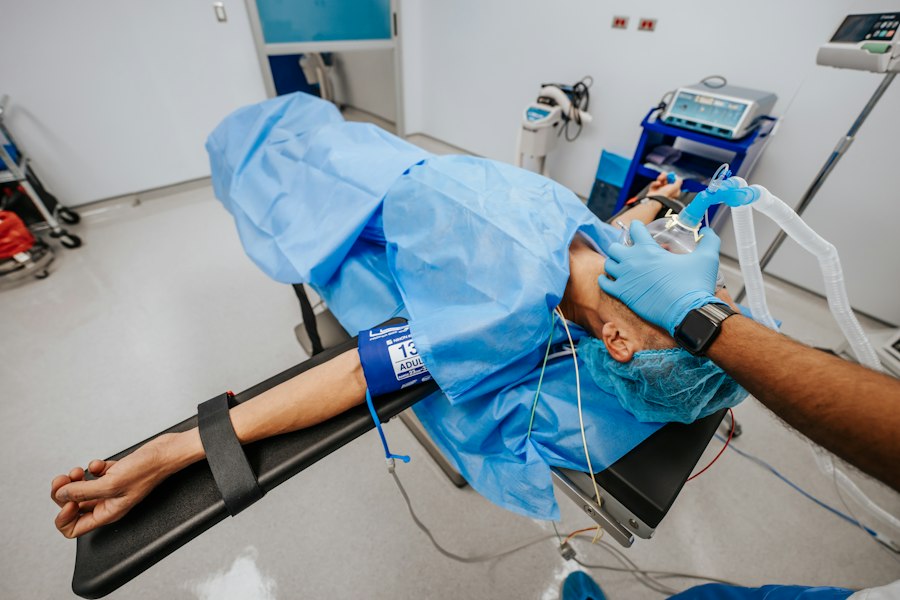
This method is often used for children or patients who have a fear of needles or IV lines. It involves breathing in anesthetic gases or vapors through a mask.
The Sweet Smell of Slumber: Mask Anesthesia
You’ll be asked to breathe normally through a mask that covers your nose and mouth. The anesthetic gases are delivered at a specific concentration, and as you inhale, the anesthetic agent enters your bloodstream through your lungs, gradually inducing unconsciousness. The smell of the gas can vary, but it’s designed to be as unobtrusive as possible.
A Gradual Descent: Suitable for Certain Patients
While inhalational induction can be effective, it’s generally a slower process than IV induction. This makes it a preferred choice for younger patients or those who might be agitated, as it can be less stressful than an IV injection. Your anesthesiologist will carefully monitor your breathing and vital signs throughout the process.
The Art of Maintenance: Keeping You Under
Once induction is complete and you are unconscious, your anesthesiologist’s job isn’t done. They must maintain a consistent level of anesthesia throughout the procedure.
Continuous Monitoring: A Vigilant Watch
The monitoring devices continue their silent vigil, providing a constant stream of data. Your anesthesiologist is actively interpreting these readings, looking for any signs of lightening anesthesia, such as increased heart rate or blood pressure, or changes in breathing patterns.
Adjusting the Dose: Fine-Tuning the Anesthetic Level
Based on the monitoring data and the progress of the surgery, your anesthesiologist will adjust the anesthetic agents. This might involve administering more IV medication or increasing the concentration of inhaled gases. It’s a dynamic process, and they are constantly making small adjustments to keep you at the precise level of unconsciousness needed for safe surgery.
Muscle Relaxation: Facilitating Surgical Access
For many surgical procedures, complete muscle relaxation is essential for the surgeon to operate effectively. This is often achieved with neuromuscular blocking agents, administered intravenously. Your anesthesiologist will monitor the degree of muscle relaxation using a nerve stimulator.
In the ongoing discussion about anesthesia practices, the article on anesthesia induction versus emergence provides valuable insights into the complexities of patient management during surgical procedures. This article explores the differences in techniques and their implications for patient safety and recovery times. For a deeper understanding of these critical phases in anesthesia, you can read more in detail at this article.
The Awakening: Anesthesia Emergence
Emergence is the mirror image of induction – the carefully managed process of your body and mind returning to consciousness after the anesthetic has worn off or been reversed. It’s a gradual reawakening, and just as your anesthesiologist guided you into sleep, they will guide you back to wakefulness.
The Transition Back: Reversing the Anesthetic Effects
Once the surgical procedure is complete, the anesthesiologist begins the process of allowing you to emerge from anesthesia.
Stopping or Reversing Agents: The Unwinding Process
The administration of anesthetic medications is stopped, or if certain agents were used, reversal medications may be administered to counteract their effects. For example, if neuromuscular blocking agents were used, medications like neostigmine or sugammadex might be given to help your muscles regain their function.
The Gradual Return: From Deep Sleep to Awareness
As the anesthetic agents are metabolized and cleared from your system, you’ll begin to stir. This is not an abrupt awakening but a slow and steady return to consciousness. You might feel groggy, disoriented, and experience a range of sensations.
Anesthesia induction and emergence are critical phases in the administration of anesthesia, each with its own set of challenges and considerations. For a deeper understanding of these processes, you might find the article on the effects of different anesthetic agents particularly insightful. It explores how various substances can influence both the induction and emergence phases, ultimately affecting patient outcomes. You can read more about it in this related article. Understanding these nuances can significantly enhance the safety and effectiveness of anesthesia practices.
Navigating the Post-Anesthetic Landscape: What to Expect
Emergence can bring a variety of sensations and experiences. Your anesthesiologist and the recovery room nursing staff will be there to support you through this transition.
Sensory Reawakening: A Symphony of Sensations
As consciousness returns, your senses will gradually reawaken. You might hear sounds, feel the texture of the sheets, or experience sensations in your body.
Auditory Sensations: The First Echoes of Reality
The first sounds you might register are often the voices of the medical team or the beeping of monitoring equipment. It’s important to remember that your hearing is often one of the last senses to fully return.
Tactile Sensations: Feeling Your Surroundings
You might feel the coolness of the air, the pressure of the blankets, or the sensation of movement as you are transferred.
Proprioception and Kinesthesia: Reconnecting with Your Body
As your neuromuscular function returns, you’ll start to regain awareness of your body’s position in space and your ability to move.
Cognitive Reorientation: Piecing Together Your Reality
It takes time for your cognitive functions to return to their pre-anesthetic state. You might experience confusion, memory gaps, or a feeling of detachment.
Momentary Confusion: The Fog of Anesthesia
It’s common to feel confused for a period after anesthesia. You might not immediately recall where you are or what has happened. This is a normal part of the emergence process.
Memory Gaps: The Blackout Period
You will likely have no memory of the induction or emergence phases themselves. This is a deliberate and safe effect of general anesthesia. You will also likely have amnesia for the surgical procedure itself.
Disorientation: A Sense of Being Out of Sync
You might feel disoriented, struggling to place yourself in time and space. This feeling typically subsides as the anesthetic agents clear from your system.
Managing Discomfort: The Post-Anesthesia Pain Experience
While anesthesia’s primary goal is to eliminate pain during surgery, the transition back to consciousness can sometimes be accompanied by discomfort or pain.
Pain Management Strategies: Your Comfort is Key
Your anesthesiologist and surgical team will have a plan in place to manage any post-operative pain you might experience.
Medications: Targeted Relief
This can include intravenous pain medications administered in the recovery room or oral pain relievers prescribed for you to take at home. The type and dosage of medication will be tailored to your individual needs and the nature of your surgery.
Regional Anesthesia: Localized Numbing
In some cases, regional anesthesia techniques (like nerve blocks) might be used in conjunction with general anesthesia. These can provide prolonged pain relief to specific areas of your body after surgery, reducing the need for systemic pain medications.
Non-Pharmacological Approaches: Beyond Medication
Techniques like guided imagery, distraction, or comfortable positioning can also contribute to your comfort and pain management.
The Recovery Room: A Stepping Stone to Home
Once you’re stable and starting to emerge, you’ll be moved to the post-anesthesia care unit (PACU), often called the recovery room. This is a specialized area where nurses trained in post-anesthesia care will continue to monitor you closely.
Continuous Observation: Ensuring a Smooth Transition
Nurses in the PACU will continuously assess your vital signs, pain levels, and overall condition. They’ll be looking for any signs of complications and ensuring that your recovery is progressing as expected.
Encouraging Movement and Deep Breathing: Promoting Healing
You’ll be encouraged to move gently and practice deep breathing exercises. These simple actions are crucial for preventing complications like blood clots and pneumonia and promoting healing.
Hydration and Nutrition: Replenishing Your Body
Once you’re alert enough, you’ll be offered fluids and possibly light nourishment to help rehydrate and replenish your body after the fasting period and the stress of surgery.
The Final Stages: Readiness for Discharge
The ultimate goal of the PACU is to prepare you for discharge, whether that’s back to your own room on the hospital ward or to go home.
Meeting Discharge Criteria: A Checklist for Safety
Before you can leave the PACU, you’ll need to meet specific discharge criteria. These typically include being alert and oriented, having stable vital signs, controlled pain levels, and the ability to drink fluids without nausea or vomiting.
Post-Anesthesia Instructions: Guiding Your Home Recovery
You’ll receive detailed instructions on how to care for yourself at home, including information about medications, activity restrictions, wound care, and when to seek medical attention. Don’t hesitate to ask questions; this is your opportunity to ensure you have all the information you need for a safe and comfortable recovery.
Understanding the distinct yet interconnected phases of anesthesia induction and emergence can transform a potentially anxious experience into one where you feel informed and empowered. Your anesthesiologist is your dedicated partner in navigating these crucial transitions, ensuring your comfort, safety, and successful return to full consciousness.

You’re Not Asleep Under Anesthesia. So Where Do You Go?
FAQs
What is anesthesia induction?
Anesthesia induction is the process of administering anesthesia to a patient to prepare them for a medical procedure. This typically involves the use of intravenous medications or inhaled gases to induce a state of unconsciousness and pain relief.
What is anesthesia emergence?
Anesthesia emergence refers to the process of bringing a patient out of the state of anesthesia at the end of a medical procedure. This involves discontinuing the administration of anesthesia and allowing the patient to regain consciousness and normal bodily functions.
What are the differences between anesthesia induction and emergence?
Anesthesia induction involves the administration of anesthesia to prepare a patient for a medical procedure, while anesthesia emergence involves bringing the patient out of the state of anesthesia at the end of the procedure. Induction aims to induce unconsciousness and pain relief, while emergence aims to allow the patient to regain consciousness and normal bodily functions.
What are the risks associated with anesthesia induction?
Risks associated with anesthesia induction include allergic reactions to anesthesia medications, respiratory depression, and cardiovascular complications. It is important for anesthesiologists to carefully monitor patients during induction to minimize these risks.
What are the risks associated with anesthesia emergence?
Risks associated with anesthesia emergence include post-operative nausea and vomiting, confusion or disorientation, and respiratory complications. Anesthesiologists closely monitor patients during emergence to ensure a smooth transition out of anesthesia.