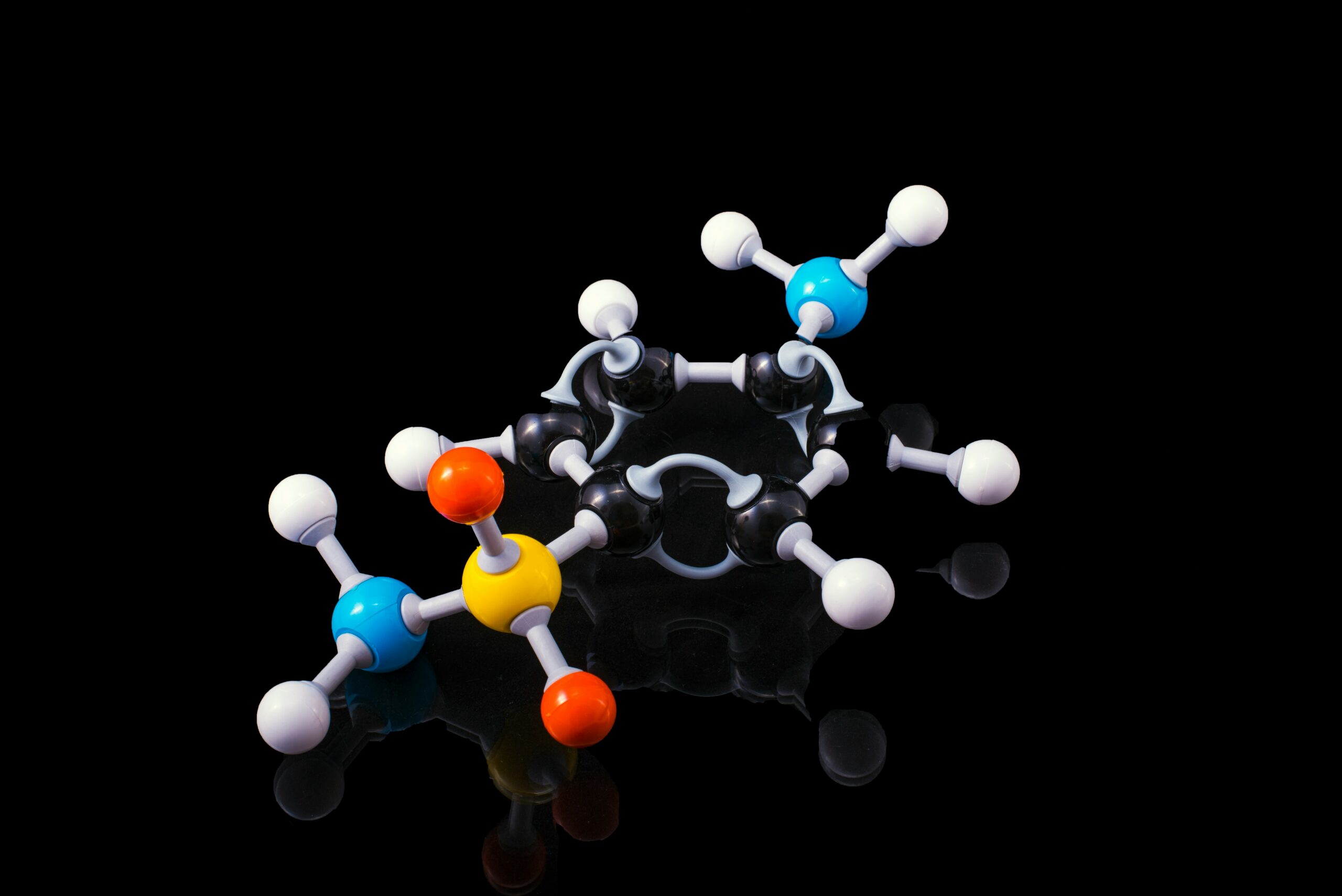
You’ve likely encountered ammonia (NH₃) in your life, perhaps as the pungent scent of cleaning products or a key ingredient in fertilizers that help grow your food. But have you ever wondered how this seemingly simple molecule is produced on an industrial scale? The process, known as the Haber-Bosch process, is a triumph of chemical engineering and a cornerstone of modern agriculture. It’s a story of overcoming thermodynamic hurdles and harnessing catalysts to create a compound that has fundamentally reshaped our world.
This article will take you on a journey through the fascinating chemistry behind ammonia synthesis. We’ll delve into the fundamental principles that govern this reaction, explore the engineering challenges that had to be overcome, and understand why this process remains so critical today. Prepare to discover the intricate dance of nitrogen and hydrogen atoms that leads to the production of this vital chemical.
Ammonia synthesis is a crucial process in the field of chemistry, particularly for its role in fertilizer production and various industrial applications. For a deeper understanding of the mechanisms and advancements in ammonia synthesis, you can explore a related article that delves into the latest research and innovations in this area. To read more, visit Freaky Science, where you will find comprehensive insights and explanations about ammonia synthesis chemistry.
The Fundamental Reaction: Nitrogen and Hydrogen Combine
At its core, ammonia synthesis is a deceptively simple reversible reaction. You are essentially taking two abundant elements, nitrogen (N₂) and hydrogen (H₂), and coaxing them to bond together to form ammonia (NH₃). The balanced chemical equation for this reaction is:
N₂(g) + 3H₂(g) ⇌ 2NH₃(g)
This equation tells you that one molecule of nitrogen gas reacts with three molecules of hydrogen gas to produce two molecules of ammonia gas. The double arrow (⇌) is crucial; it signifies that the reaction is reversible. This means that ammonia can also decompose back into nitrogen and hydrogen. This reversibility is a central challenge in maximizing ammonia production.
Understanding the Thermodynamics: Why is it Difficult?
The synthesis of ammonia is thermodynamically unfavorable under standard conditions. Let’s break down why.
Enthalpy Change (ΔH): An Endothermic Roadblock
The reaction is endothermic, meaning it requires energy input to proceed. The standard enthalpy change (ΔH°) for the Haber-Bosch process is approximately +92 kJ/mol. This means that for every mole of ammonia formed, energy must be absorbed from the surroundings.
- What does this mean for you? If you were to simply mix nitrogen and hydrogen at room temperature and pressure and expect ammonia to form, you wouldn’t see much happening. The natural tendency, based on enthalpy alone, is for the reaction not to proceed readily. Heat needs to be supplied to overcome this energy barrier. However, as we’ll soon see, simply supplying heat isn’t the whole story.
Entropy Change (ΔS): A Shrinking Gas Volume
Entropy is a measure of disorder or randomness in a system. When we look at the moles of gas involved in the reaction, we see a decrease in disorder.
- Reactants: You start with 1 mole of N₂ gas and 3 moles of H₂ gas, a total of 4 moles of gas.
- Products: You end up with 2 moles of NH₃ gas.
This reduction in the number of gas molecules from 4 to 2 represents a significant decrease in randomness. The standard entropy change (ΔS°) for the reaction is approximately -199 J/(mol·K). This negative entropy change indicates that the system becomes more ordered as ammonia is formed.
- What does this mean for you? According to the laws of thermodynamics, systems tend to move towards a state of higher entropy (more disorder). The fact that ammonia synthesis leads to a more ordered state means that, from an entropy perspective, the reaction is also unfavorable.
Gibbs Free Energy (ΔG): The Ultimate Arbiter
The spontaneity of a reaction is ultimately determined by the Gibbs Free Energy change (ΔG), which combines enthalpy and entropy:
ΔG = ΔH – TΔS
Where:
- ΔG is the change in Gibbs Free Energy
- ΔH is the change in Enthalpy
- T is the absolute temperature (in Kelvin)
- ΔS is the change in Entropy
For a reaction to be spontaneous (i.e., to proceed without continuous external energy input), ΔG must be negative.
- At low temperatures: The -TΔS term is small and negative. Since ΔH is positive, ΔG will likely be positive, meaning the reaction is non-spontaneous.
- At high temperatures: The -TΔS term becomes larger and more negative. If the temperature is high enough, this term can overcome the positive ΔH, making ΔG negative and the reaction spontaneous.
This analysis reveals the inherent dilemma: while high temperatures favor spontaneity (making ΔG negative), they also favor the reverse reaction (decomposition of ammonia back into nitrogen and hydrogen). This is because the endothermic nature of ammonia formation means that high temperatures will shift the equilibrium towards the reactants.
The Equilibrium Challenge: Maximizing Ammonia Yield
Because the reaction is reversible, it quickly reaches a state of chemical equilibrium. At equilibrium, the rate of the forward reaction (N₂ + 3H₂ → 2NH₃) equals the rate of the reverse reaction (2NH₃ → N₂ + 3H₂). At this point, the net change in the concentrations of reactants and products is zero, even though both reactions are still occurring.
The Haber-Bosch process aims to shift this equilibrium as much as possible towards the product side, maximizing the yield of ammonia. Two key principles of chemical equilibrium come into play here: Le Chatelier’s Principle and the equilibrium constant (K).
Le Chatelier’s Principle: Manipulating Conditions for Product Formation
Le Chatelier’s Principle states that if a change of condition is applied to a system in equilibrium, the system will shift in a direction that relieves the stress. In the case of ammonia synthesis, we can manipulate several conditions:
Pressure: The Game Changer
As we observed earlier, the synthesis of ammonia involves a decrease in the number of gas molecules (4 moles of reactants → 2 moles of product). According to Le Chatelier’s Principle, increasing the pressure will favor the side with fewer moles of gas, which is the product side (ammonia).
- High Pressure, High Yield: Industrially, the Haber-Bosch process operates at very high pressures, typically between 150 and 350 atmospheres (atm), and sometimes even higher. This high pressure significantly shifts the equilibrium to the right, resulting in a much higher concentration of ammonia in the reaction mixture.
- The Trade-off: While high pressure is beneficial for yield, it comes with significant engineering challenges and costs. Building and maintaining equipment that can withstand such extreme pressures requires robust materials and sophisticated design. Furthermore, the energy required to compress the gases to these pressures is substantial.
Temperature: A Delicate Balance
We’ve already touched on the temperature dilemma. While high temperatures favor spontaneity, they disfavor equilibrium yield. Conversely, low temperatures favor equilibrium yield but make the reaction kinetically slow.
- The Compromise: The Haber-Bosch process strikes a compromise. It operates at moderately high temperatures, typically between 400°C and 500°C. This temperature range is high enough to achieve a reasonable reaction rate but not so high that the equilibrium yield of ammonia is drastically reduced.
- The Role of the Catalyst: This is where the catalyst becomes indispensable. The catalyst doesn’t change the equilibrium position but dramatically increases the rate at which equilibrium is reached. Without a catalyst, the reaction at these temperatures would be impractically slow.
Concentration of Reactants: Driving the Reaction Forward
The Haber-Bosch process continuously feeds fresh nitrogen and hydrogen into the reactor. This increases the concentration of reactants and, according to Le Chatelier’s Principle, drives the equilibrium towards the product side.
- Continuous Flow: The process is designed as a continuous flow system. Reactants are supplied, ammonia is formed and then removed, and unreacted nitrogen and hydrogen are recycled back into the reactor. This constant replenishment of reactants ensures that the equilibrium is perpetually shifted towards ammonia production.
The Equilibrium Constant (K): Quantifying the Balance
The equilibrium constant (K) provides a quantitative measure of the extent to which a reaction proceeds to completion at a given temperature. For the ammonia synthesis reaction, the equilibrium constant, Kp (expressed in terms of partial pressures), is defined as:
Kp = (PNH₃)² / (PN₂ * (PH₂)³)
Where P represents the partial pressure of each gas at equilibrium.
- Temperature Dependence: The value of Kp is highly dependent on temperature. At lower temperatures, Kp is larger, indicating a greater proportion of ammonia at equilibrium. However, as we’ve discussed, the reaction rate is extremely slow at these temperatures. At higher temperatures, Kp decreases significantly, meaning less ammonia is present at equilibrium.
- The Practical Implication: The goal of the Haber-Bosch process is to operate at a temperature and pressure where Kp provides a reasonably high concentration of ammonia, and the reaction rate is acceptable, especially with the aid of a catalyst.
The Catalyst: The Unsung Hero of the Process
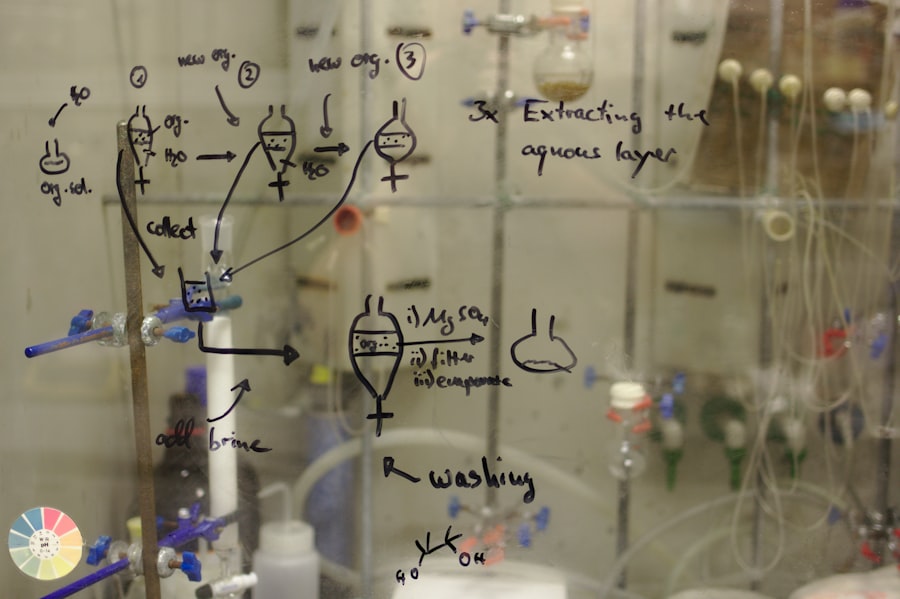
The Haber-Bosch process would be economically unviable without a catalyst. While thermodynamics dictates the maximum possible yield at equilibrium, kinetics dictates how quickly that equilibrium is reached.
The Role of the Iron Catalyst
The most common catalyst used in the Haber-Bosch process is based on iron. The iron catalyst is typically promoted with small amounts of other oxides, such as potassium oxide (K₂O), aluminum oxide (Al₂O₃), and calcium oxide (CaO).
- How it Works: The catalyst provides an alternative reaction pathway with a lower activation energy. It facilitates the breaking of the strong triple bond in the nitrogen molecule (N≡N), which is incredibly difficult to break. The catalyst adsorbs the nitrogen and hydrogen molecules onto its surface, weakening their bonds and allowing them to react more readily.
The Mechanism of Catalysis (Simplified)
While the exact mechanism is complex and still a subject of research, a simplified view of the catalytic cycle involves:
- Adsorption: Nitrogen (N₂) and hydrogen (H₂) molecules adsorb onto the surface of the iron catalyst.
- Dissociation: The catalyst weakens the bonds within the adsorbed molecules, leading to the dissociation of N₂ into individual nitrogen atoms (N) and H₂ into hydrogen atoms (H).
- Surface Diffusion and Reaction: The adsorbed atoms diffuse across the catalyst surface and combine to form NH, NH₂, and finally NH₃.
- Desorption: The ammonia molecule (NH₃) desorbs from the catalyst surface, freeing up the active sites for further reaction.
The Importance of Promoters
The promoters play a crucial role in enhancing the catalyst’s activity and longevity:
- Potassium Oxide (K₂O): Acts as an electronic promoter, increasing the electron density on the iron surface, which helps in the dissociation of nitrogen. It also improves the overall activity.
- Aluminum Oxide (Al₂O₃) and Calcium Oxide (CaO): Act as structural promoters, preventing the sintering (clumping together) of iron particles at high temperatures, thus maintaining a large surface area for the reaction. They also improve the resistance to poisoning.
Catalyst Poisoning: A Constant Threat
Catalysts are susceptible to “poisoning” by impurities present in the reactant gases. Substances like sulfur compounds, carbon monoxide, and water vapor can bind strongly to the active sites of the catalyst, reducing its effectiveness or rendering it inactive.
- Purification is Key: To prevent catalyst poisoning, the nitrogen and hydrogen gases used in the Haber-Bosch process must be rigorously purified to remove any potential poisons. This purification step adds to the complexity and cost of the process.
Ammonia synthesis is a critical process in the field of chemistry, particularly due to its importance in agricultural fertilizers and various industrial applications. For those interested in a deeper understanding of the mechanisms and advancements in ammonia synthesis, a related article can provide valuable insights. You can explore more about this fascinating topic in the article found here, which delves into the latest research and developments in the field.
The Industrial Process: From Raw Materials to Ammonia
| Aspect | Explanation |
|---|---|
| Chemical Reaction | The synthesis of ammonia involves the reaction between nitrogen and hydrogen gases to produce ammonia gas, according to the equation: N2 + 3H2 → 2NH3. |
| Catalyst | The Haber-Bosch process, which is the most common method for industrial ammonia synthesis, uses iron-based catalysts to facilitate the reaction at lower temperatures and pressures. |
| Temperature and Pressure | Ammonia synthesis typically occurs at high temperatures (400-500°C) and high pressures (150-250 atmospheres) to maximize the yield of ammonia. |
| Raw Materials | The raw materials for ammonia synthesis are nitrogen gas, which is obtained from the air, and hydrogen gas, which is usually derived from natural gas or other hydrocarbon sources. |
| Uses | Ammonia is a key component in the production of fertilizers, as well as in various industrial processes such as the manufacture of plastics, fibers, and explosives. |
The Haber-Bosch process is a marvel of chemical engineering, carefully designed to optimize yield, efficiency, and safety. It’s not just about mixing chemicals; it’s about controlling precise conditions in a continuous loop.
Raw Material Preparation: Getting the Ingredients Right
The primary raw materials are nitrogen and hydrogen.
Source of Nitrogen: Air Separation
Nitrogen is readily available from the atmosphere, which is about 78% nitrogen. It is obtained through cryogenic air separation, where air is cooled to extremely low temperatures and then fractionally distilled. This process separates nitrogen from oxygen and other atmospheric gases.
Source of Hydrogen: Steam Methane Reforming (Dominant Method)
Hydrogen is the more challenging and energy-intensive component to produce. The most common industrial method for producing hydrogen is steam methane reforming (SMR).
- The Reaction: Natural gas (primarily methane, CH₄) is reacted with steam (H₂O) at high temperatures (700-1000°C) in the presence of a nickel catalyst.
CH₄(g) + H₂O(g) ⇌ CO(g) + 3H₂(g) (Endothermic)
- Further Processing: The carbon monoxide (CO) produced in this step is then reacted with more steam in a water-gas shift reaction to produce more hydrogen and carbon dioxide (CO₂).
CO(g) + H₂O(g) ⇌ CO₂(g) + H₂(g) (Exothermic)
- CO₂ Removal: The carbon dioxide produced is then removed, usually by absorption into a solvent, and the remaining hydrogen is purified.
- Energy Intensive: SMR is an energy-intensive process, and the production of hydrogen from fossil fuels contributes significantly to the carbon footprint of ammonia production. Research is ongoing to develop more sustainable methods for hydrogen production, such as electrolysis powered by renewable energy.
The Reactor Design: Where the Magic Happens
The heart of the Haber-Bosch process is the synthesis reactor. This is where nitrogen and hydrogen are brought together under the extreme conditions of high pressure and temperature in the presence of the catalyst.
- Multi-Stage Reactors: Industrial reactors are typically multi-stage. This means that the gases pass through several beds of catalyst in sequence. This allows for better control of the reaction and more efficient utilization of the catalyst.
- Heat Management: The reaction is exothermic once it’s producing ammonia (though the initial dissociation and formation on the catalyst are complex). Efficient heat management is crucial. Heat exchangers are used to recover heat generated by the reaction and use it to preheat the incoming reactant gases, improving energy efficiency.
- Catalyst Beds: The catalyst is typically packed into fixed beds within the reactor. The reactant gases flow through these beds, allowing for continuous contact with the catalyst.
Separation and Recycling: Completing the Loop
Once the gases leave the synthesis reactor, the mixture contains ammonia, unreacted nitrogen, and unreacted hydrogen.
- Cooling and Condensation: The mixture is cooled, causing the ammonia to condense into a liquid. Nitrogen and hydrogen remain as gases.
- Ammonia Removal: The liquid ammonia is then separated from the gaseous mixture.
- Recycling: The unreacted nitrogen and hydrogen gases are then recycled back into the synthesis reactor to maximize the overall conversion of reactants to ammonia. This recycling step is essential for achieving high overall yields.
The Impact and Future of Ammonia Synthesis
The Haber-Bosch process is undeniably one of the most significant scientific and technological achievements of the 20th century. Its impact on human civilization is profound.
Feeding the World: The Agricultural Revolution
The most significant application of ammonia is in the production of fertilizers. Ammonia is directly used as anhydrous ammonia fertilizer or is converted into other nitrogen-containing fertilizers like urea, ammonium nitrate, and diammonium phosphate.
- Population Growth: Without the Haber-Bosch process, the world would not be able to support its current population. The increased crop yields made possible by synthetic fertilizers have been instrumental in preventing widespread famine. It is estimated that the Haber-Bosch process is responsible for feeding over half of the world’s population.
Beyond Agriculture: Other Applications
While agriculture is the dominant consumer, ammonia has other important uses:
- Chemical Industry: Ammonia is a crucial feedstock for the production of many other chemicals, including nitric acid (used in explosives and plastics), amines, and synthetic fibers.
- Refrigerant: Ammonia is an effective refrigerant, although its use is often limited due to its toxicity and flammability.
- Cleaning Products: Dilute ammonia solutions are common household cleaning agents.
Environmental Concerns and the Future
The Haber-Bosch process, despite its benefits, has environmental drawbacks, primarily related to its energy intensity and reliance on fossil fuels for hydrogen production.
- Green Ammonia: The drive for sustainability is leading to research and development in “green ammonia.” This involves producing hydrogen from renewable sources like wind and solar power through electrolysis of water. When combined with nitrogen from the air, this could lead to a virtually carbon-neutral ammonia production process.
- Decarbonization of Energy: There is also growing interest in using ammonia as a carbon-free fuel, particularly in shipping. Its ability to be stored and transported as a liquid under moderate pressure makes it an attractive alternative to fossil fuels. However, challenges remain in terms of its combustion efficiency and the potential for NOx emissions.
In conclusion, the chemistry behind ammonia synthesis is a testament to human ingenuity. By understanding and manipulating fundamental chemical principles, we have unlocked the ability to create a molecule that has shaped our modern world, from the food on our plates to the materials we use every day. As we look to the future, the evolution of this process towards more sustainable and environmentally friendly methods will be crucial for addressing global challenges.

We Figured Out How to Turn Air Into Food
FAQs
What is ammonia synthesis chemistry?
Ammonia synthesis chemistry refers to the process of producing ammonia (NH3) from nitrogen (N2) and hydrogen (H2) gases. This process typically involves the Haber-Bosch process, which was developed in the early 20th century and is still widely used today.
Why is ammonia synthesis important?
Ammonia is a crucial component in the production of fertilizers, which are essential for global food production. Additionally, it is used in various industrial processes, such as in the production of plastics, fibers, and pharmaceuticals.
How does the Haber-Bosch process work?
The Haber-Bosch process involves reacting nitrogen and hydrogen gases at high temperatures and pressures in the presence of a catalyst, typically iron. This process allows for the conversion of nitrogen and hydrogen into ammonia.
What are the key factors influencing the efficiency of ammonia synthesis?
The efficiency of ammonia synthesis is influenced by factors such as temperature, pressure, catalyst activity, and the ratio of nitrogen to hydrogen gases. Higher temperatures and pressures generally favor ammonia production, but they also require more energy.
What are the environmental impacts of ammonia synthesis?
Ammonia synthesis is energy-intensive and can contribute to greenhouse gas emissions. Additionally, the production of ammonia can lead to nitrogen pollution if not managed properly. Efforts are being made to develop more sustainable and environmentally friendly methods for producing ammonia.