
You’re curious about the subtle magic held within a gaze, the way eyes can command attention or convey a universe of emotion. Perhaps you’ve found yourself drawn to someone with striking amber eyes, or maybe you’re fascinated by the ever-shifting beauty of hazel. The distinction between these two eye colors, while sometimes blurry, is rooted in distinct physiological and perceptual factors. Understanding what sets amber eyes and hazel eyes apart can deepen your appreciation for the intricate tapestry of human irises.
The foundation of all eye color lies in melanin, the same pigment responsible for skin and hair coloration. The concentration and distribution of melanin within the iris are the primary determinants of whether you see amber, hazel, or any other hue. It’s a complex interplay, and variations in these microscopic components lead to the macroscopic differences you observe.
Melanin Type and Concentration
Pheomelanin vs. Eumelanin
There are two main types of melanin: eumelanin and pheomelanin. Eumelanin is responsible for darker shades, ranging from brown to black. Pheomelanin, on the other hand, contributes to red and yellow tones. The ratio of these two pigments, along with their overall quantity, plays a crucial role in differentiating amber and hazel eyes.
Stratal Distribution: Anterior vs. Posterior Layers
The iris is structured in layers, and melanin isn’t uniformly distributed throughout. The anterior stromal layer is particularly important for determining lighter eye colors. If there’s a significant amount of pheomelanin or a specific arrangement of collagen fibers in the stroma, it can scatter light in a way that produces yellowish or golden hues, characteristic of amber eyes. In contrast, hazel eyes often have a more varied distribution, with patches of melanin that can lead to their multi-tonal appearance.
Light Scattering and Rayleigh Scattering
Beyond pigment, the way light interacts with the iris’s structure is also key. When light strikes the iris, it can be absorbed, reflected, or scattered. The specific way collagen fibers and melanin granules scatter light influences the perceived color. This phenomenon, akin to why the sky appears blue, is known as Rayleigh scattering. In lighter irises, particular scattering patterns can create the illusion of more vibrant colors than the actual pigment content might suggest.
If you’re curious about the differences between amber eyes and hazel eyes, you might find it interesting to explore a related article that delves deeper into the unique characteristics of these eye colors. Amber eyes are often described as having a golden or copper hue, while hazel eyes can exhibit a mix of green, brown, and gold tones. For more detailed insights on this topic, check out this informative article on eye color variations at Freaky Science.
Amber Eyes: A Golden Hue in Focus
Amber eyes are often described as having a solid, uniform golden or coppery tint. This distinct coloration is less about a mix of colors and more about a dominant, warm tone that can shift slightly depending on lighting conditions.
The Dominance of Pheomelanin
The defining characteristic of amber eyes is the prevalence of pheomelanin. While eumelanin might be present in small amounts, the significant concentration of pheomelanin is what gives amber eyes their signature yellowish or golden appearance. This is different from a brown eye, which has a higher proportion of eumelanin.
Lack of Significant Blue or Green Pigmentation
Unlike hazel eyes, amber eyes typically lack substantial amounts of blue or green undertones. The color is more singular, leaning towards shades of yellow, gold, copper, or russet. This uniformity contributes to their striking and often perceived as intense appearance.
How Lighting Affects Amber
While the underlying pigment is consistent, ambient light can subtly alter the perception of amber eyes. In bright sunlight, the golden tones might become more pronounced and radiant. In dimmer conditions, they might appear a deeper amber or even lean towards a brown-gold. However, the fundamental hue remains.
Amber vs. Light Brown Eyes
It’s important to differentiate amber from light brown eyes. Light brown eyes are still predominantly governed by eumelanin, offering a spectrum of browns. Amber eyes, conversely, are defined by the presence of pheomelanin, giving them a distinctly golden or coppery cast that’s separate from the brown spectrum.
Hazel Eyes: A Symphony of Shifting Colors
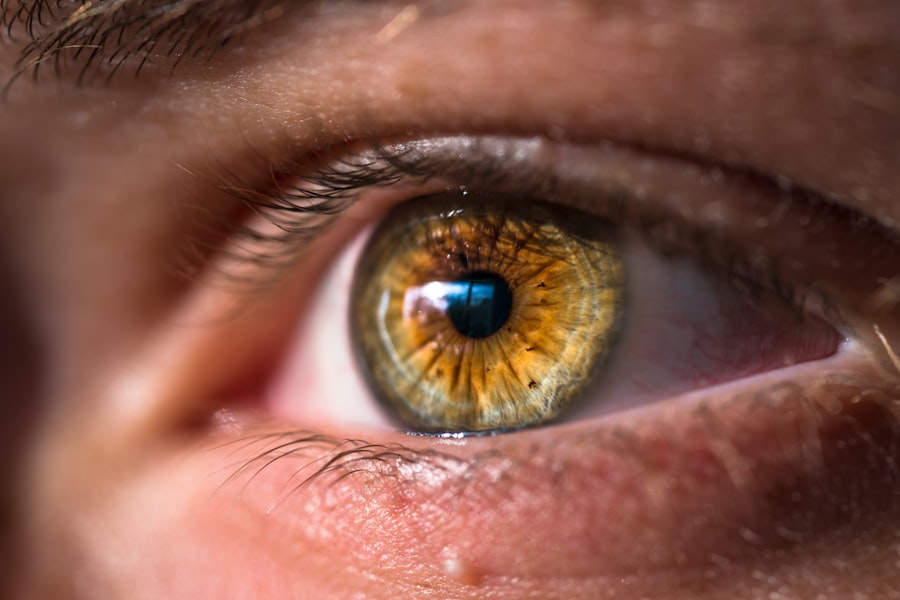
Hazel eyes are celebrated for their complexity and dynamism. They are a mosaic of colors, often appearing to change hue depending on the wearer’s clothing, mood, or environment. This variability is their defining feature.
The Multi-Pigment Composition
The essence of hazel eyes lies in their diverse pigment composition. They contain a blend of melanin types, typically a moderate amount of eumelanin along with varying degrees of pheomelanin. This combination is what allows for the presence of multiple colors within a single iris.
The Central Ring and Outer Edges
A common characteristic of hazel eyes is a distinct coloration around the pupil, often appearing as a ring of brown or gold. The outer edge of the iris might then transition to green or even a grayish-blue. This variation in color density and type across the iris is a hallmark of hazel eyes.
The Influence of Clothing and Light
The perceived color of hazel eyes is highly susceptible to external factors. For example, wearing a green shirt might make the green flecks in your hazel eyes appear more prominent. Similarly, the angle and intensity of light can bring out different shades. This perceptual shift is what makes hazel eyes so fascinating and, at times, seems to give them the ability to “change.”
Hazel vs. Green Eyes
While hazel eyes can contain green tones, they are distinct from true green eyes. Green eyes are primarily characterized by the presence of a low concentration of eumelanin and a significant scattering of light that allows blue light to pass through, mixing with residual yellow pigment to appear green. Hazel eyes, in addition to potential green, will also typically exhibit brown or gold, making them a more complex hue.
Green Flecks vs. Golden Glow
The presence of green flecks within a more dominant brown or golden iris is what distinguishes hazel from amber. Amber has a more singular golden appearance, while hazel is a blend where green and brown often coexist.
Genetic Determinants: Inheriting Your Iris Color

Eye color inheritance is a polygenic trait, meaning it’s influenced by multiple genes, not just one. While historically, simplified models existed, modern understanding reveals a more intricate genetic landscape contributing to the development of amber and hazel eyes.
Multiple Genes at Play
OCA2 and HERC2 Genes
The OCA2 gene plays a significant role in melanin production, influencing the amount of pigment in the iris. The HERC2 gene, located nearby, regulates the expression of OCA2. Variations in these genes are strongly linked to the development of brown, blue, and even lighter eye colors.
Other Contributing Genes
While OCA2 and HERC2 are major players, research has identified many other genes that contribute to the finer nuances of eye color. These genes can influence pigment distribution, light scattering, and the specific types of melanin produced, all of which play a part in distinguishing between amber and hazel.
The Spectrum of Inheritance
It’s rarely a simple dominant/recessive inheritance pattern. You might inherit genes for lighter eyes from one parent and genes for darker eyes from the other, leading to a complex interplay that results in unique eye colors like amber or hazel. The specific combination of alleles you inherit from both parents is crucial.
Predicting Eye Color: A Complex Equation
Given the polygenic nature of eye color, predicting a child’s eye color with absolute certainty is challenging, even with knowledge of the parents’ eye colors. The vast number of genetic combinations makes it a fascinating, albeit unpredictable, aspect of genetics.
When exploring the fascinating differences between amber eyes and hazel eyes, many people find themselves intrigued by the unique characteristics that define each eye color. Amber eyes often exhibit a golden or copper hue, while hazel eyes can display a mix of green, brown, and gold tones, creating a captivating blend. For those interested in delving deeper into the nuances of eye colors and their genetic backgrounds, you can check out this informative article on the topic. Understanding these differences can enhance your appreciation for the beauty of human diversity. For more details, visit this article.
Perception and Individuality: The Human Element
| Characteristic | Amber Eyes | Hazel Eyes |
|---|---|---|
| Color | Golden or coppery | Greenish-brown with hints of gold or amber |
| Rarity | Rare | Relatively rare |
| Genetics | Associated with low melanin and a lot of lipochrome | Result from a combination of melanin and lipochrome |
| Associated traits | Often associated with light skin and hair | Can vary widely in appearance |
Beyond the biological underpinnings, how we perceive and describe eye colors is also shaped by individual perception, culture, and even the context in which we see them. What one person calls amber, another might describe as honey-colored or light brown, highlighting the subjective nature of color perception.
Subjectivity in Color Naming
The Uniqueness of Every Iris
While categories like “amber” and “hazel” are useful for general description, the reality is that every iris is unique. The precise arrangement of melanin, the subtle variations in collagen fibers, and the interplay of light create an individual tapestry that defies rigid categorization.
Cultural Nuances in Description
Different cultures might have varying terms or classifications for eye colors. What is considered “amber” in one region might be described differently elsewhere, reflecting linguistic and cultural interpretations of visual phenomena.
The “Color-Changing” Phenomenon
The perceived “color-changing” ability of hazel eyes is a testament to the interplay between biology and perception. It’s not that the iris is physically transforming, but rather that our visual system interprets the existing pigments and light conditions in a dynamic way. This is a fascinating aspect of human visual processing.
The Emotional Impact of Eye Color
While not a scientific differentiator, it’s undeniable that certain eye colors can evoke particular emotional responses or perceptions. Amber eyes might be seen as intense and captivating, while hazel eyes might be perceived as intriguing and mysterious due to their shifting nature. These are subjective associations and do not stem from inherent differences in their biological function.
Final Considerations: Distinguishing the Two
To succinctly distinguish between amber and hazel eyes:
Amber Eyes:
- Dominant Pigment: Primarily high concentrations of pheomelanin, leading to a distinct golden or coppery hue.
- Color Homogeneity: Generally a more uniform color throughout the iris.
- Limited Color Variation: Less prone to significant shifts in perceived color based on external factors.
- Absence of Green/Blue: Little to no blue or significant green undertones.
Hazel Eyes:
- Multi-Pigment Composition: A blend of eumelanin and pheomelanin, allowing for multiple colors.
- Color Heterogeneity: Often exhibit distinct color zones, such as a brown ring around the pupil with outer green or gray tones.
- Perceptual Variability: The perceived color can change significantly with lighting, clothing, and mood.
- Presence of Green/Brown Mix: A characteristic combination of green and brown, often with gold flecks.
Understanding these distinctions allows for a more informed appreciation of the diverse and beautiful spectrum of human eye colors. It’s a reminder of the intricate biological processes and the subjective nature of perception that contribute to the gaze that meets yours.
FAQs
What are the differences between amber eyes and hazel eyes?
Amber eyes are a solid golden or copper color, while hazel eyes have a combination of colors such as green, brown, and gold.
What causes the difference in eye color between amber and hazel eyes?
The difference in eye color is primarily due to the amount and distribution of melanin in the iris. Amber eyes have a low amount of melanin, while hazel eyes have a higher concentration.
Can eye color change from amber to hazel or vice versa?
While it is rare, eye color can change over time due to various factors such as aging, hormonal changes, and certain medical conditions. However, the change from amber to hazel or vice versa is unlikely.
Are there any genetic factors that determine whether someone has amber or hazel eyes?
Yes, eye color is determined by genetics, and the inheritance of specific genes from parents can influence whether someone has amber or hazel eyes. However, the genetics of eye color are complex and not fully understood.
Do people with amber or hazel eyes have any unique characteristics or traits?
There is no scientific evidence to suggest that people with amber or hazel eyes have specific characteristics or traits based solely on their eye color. Eye color is not a reliable indicator of personality or behavior.