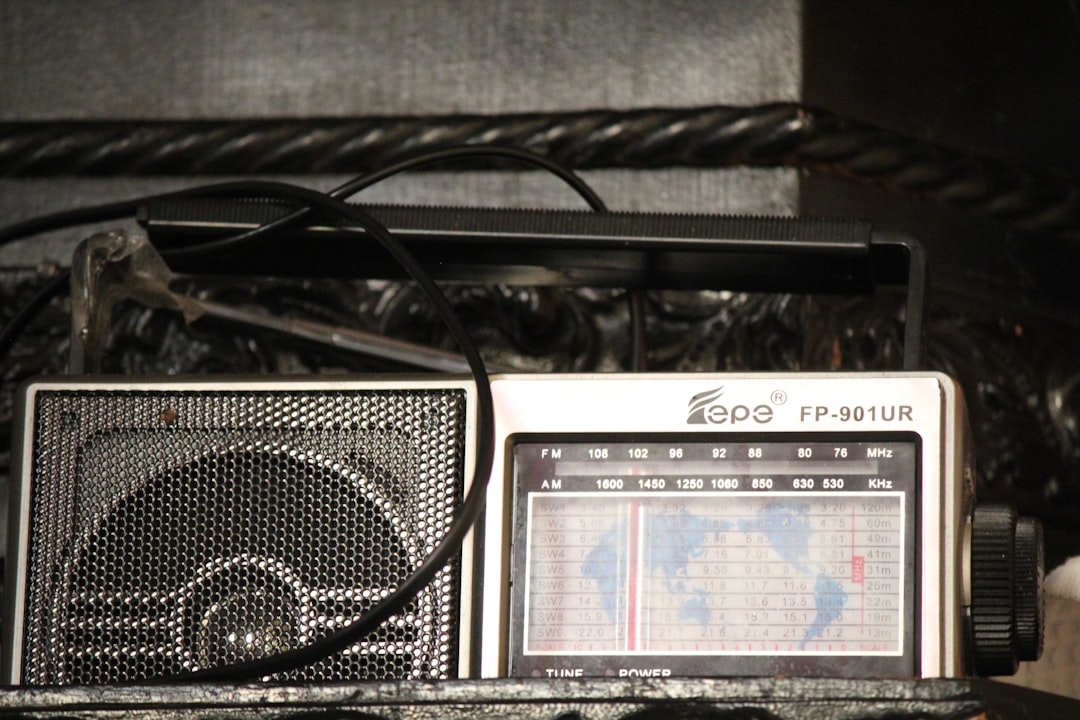
Amateur radio operators have long been at the forefront of radio wave experimentation and communication. Their pursuits have ranged from establishing global voice links to exploring the nuances of atmospheric propagation. In recent years, a new and increasingly prominent area of interest has emerged: the tracking of artificial satellites. Among these, the focus has shifted towards a specific class of spacecraft, often referred to as “Starshield satellites.” This article delves into the motivations, methodologies, and observations of amateur radio operators engaged in this specialized form of satellite tracking.
The term “Starshield satellites” is a broad designation that has gained currency within amateur radio circles. It generally refers to constellations of satellites deployed for various commercial, governmental, or scientific purposes, often characterized by their large numbers and their operation within specific orbital regimes. These satellites, unlike earlier, more isolated spacecraft, present a unique challenge and opportunity for ground-based observation.
The Evolution of Satellite Tracking
Early satellite tracking by amateurs was primarily focused on individual, high-profile missions such as the Soviet Sputnik or the American Explorer series. These were often large, powerful transmitters, relatively easy to detect and track with basic equipment. The advent of the International Space Station (ISS) brought a new era, with its more complex signal characteristics and the potential for direct communication with astronauts. However, the current focus on “Starshield” constellations represents a more systematic and dense engagement with the near-Earth space environment.
Defining “Starshield”
While not an official designation, “Starshield” has become a convenient shorthand for large satellite constellations. This can include systems intended for global internet coverage, Earth observation, or advanced communication networks. The key characteristic is the sheer number of satellites operating in coordinated orbits, creating a dynamic and ever-changing radio environment.
Motivations for Tracking
The motivations for amateur radio operators to track these satellites are manifold. For some, it is a purely technical challenge – to develop the skills and equipment necessary to detect, identify, and follow faint signals amidst terrestrial radio frequency (RF) noise. Others are driven by a desire to contribute to the scientific understanding of radio propagation in the presence of large satellite constellations, a nascent field of study. A significant portion are also motivated by the potential for communication with these satellites, if they offer amateur radio payloads or if the amateur operators can utilize their orbital paths for terrestrial relay purposes.
Amateur radio operators have recently taken an interest in tracking Starshield satellites, which are part of a new initiative aimed at enhancing global communication networks. This exciting development has led to a surge in activity among hobbyists who utilize their skills and equipment to monitor satellite signals and gather data. For more insights into this fascinating intersection of technology and amateur radio, you can read a related article at Freaky Science.
Methodologies Employed in Satellite Tracking
Tracking a satellite, especially a member of a large constellation, requires a systematic approach involving specialized equipment and software. The amateur radio operator must contend with the satellite’s orbital motion, its transmission characteristics, and the limitations of ground-based receivers.
Antennas and Receivers
The foundation of any satellite tracking operation lies in the antenna. For Starshield satellites, which are often in low Earth orbit (LEO), directional antennas are crucial. These allow the operator to focus receiving power in the direction of the satellite and minimize interference from other sources. Common choices include Yagi-Uda antennas, patch arrays, or dish antennas, often mounted on elevation-azimuth (El-Az) rotators. The rotator allows for precise aiming of the antenna, tracking the satellite’s path across the sky.
Antenna Gain and Beamwidth
The choice of antenna involves a trade-off between gain and beamwidth. A high-gain antenna provides a narrower beam, which is excellent for locking onto a specific satellite’s signal but requires more precise tracking. A wider beam is more forgiving of tracking inaccuracies but may pick up more noise. Operators often experiment with different antenna types and configurations to optimize performance for specific satellite frequencies and signal strengths.
Receiver Sensitivity and Selectivity
The receiver plays an equally vital role. Amateur operators utilize software-defined radios (SDRs) or more traditional communications receivers that offer high sensitivity to detect weak satellite signals. Selectivity is also important, enabling the receiver to isolate the desired satellite signal from adjacent transmissions and terrestrial interference. Many modern SDRs provide excellent filtering capabilities.
Orbital Prediction Software
Accurate tracking hinges on knowing where the satellite will be. This is where orbital prediction software comes into play. These programs use established orbital elements, often obtained from sources like the North American Aerospace Defense Command (NORAD) or dedicated satellite tracking websites, to calculate a satellite’s future position.
Keplerian Elements and Two-Line Elements (TLEs)
The fundamental data used by prediction software are Keplerian elements, which describe the orbital parameters of a spacecraft. These are often distributed in the form of Two-Line Elements (TLEs), a standard format that provides a concise representation of a satellite’s orbit. Amateur operators regularly download updated TLEs to maintain the accuracy of their tracking predictions.
Doppler Shift Compensation
As a satellite moves towards or away from a ground station, its radio frequency signals undergo a Doppler shift. This means the perceived frequency of the transmission changes. Tracking software often calculates the expected Doppler shift and can automatically adjust the receiver’s frequency to compensate, ensuring the signal remains locked. This is a critical aspect of maintaining communication with fast-moving LEO satellites.
Data Acquisition and Analysis
Beyond simply tracking the satellite’s position, the tracking itself generates data. Amateur operators often record signal strength, signal-to-noise ratio, and transmission timing. This data can be used for a variety of purposes.
Signal Strength Monitoring
Tracking signal strength over time provides insights into the satellite’s path, atmospheric conditions, and the effectiveness of the antenna and receiver setup. Variations in signal strength can indicate changes in antenna orientation, obstructions, or the satellite’s transmission power.
Spectrum Analysis
Using spectrum analyzers, either standalone or integrated into SDRs, operators can examine the frequency spectrum around the satellite’s transmission. This can reveal the modulation scheme used, the bandwidth of the signal, and the presence of any other transmissions on nearby frequencies. This analysis can be crucial for identifying and differentiating between different satellites within a constellation.
Identifying and Classifying Starshield Satellites

A significant challenge in tracking large constellations is the ability to distinguish individual satellites. With hundreds or even thousands of spacecraft operating in similar orbital planes, precise identification becomes paramount.
Unique Identifiers and Signals
Each satellite in a constellation is typically assigned a unique identifier. While these might not always be directly transmitted in an easily decodable format for amateurs, analyzing signal characteristics can aid in differentiation. Understanding the specific frequencies, bandwidths, and modulation employed by different satellite families is key.
Transponder Characteristics
Some communication satellites operate transponders, which receive a signal on one frequency and retransmit it on another. Amateur operators can sometimes identify specific transponders by their distinct frequency pairs and the types of signals they carry. This level of detail can be crucial for distinguishing between operational and non-operational satellites or those with different payload configurations.
Visual Observation Complementarity
While the primary focus is on radio signals, visual observation can offer a complementary method for identification. Bright satellites, especially in the early morning or late evening twilight, can be seen with the naked eye or binoculars. Matching visual sightings with predicted orbital paths can confirm the identity of a tracked object.
Satellite Flares
Certain satellites are designed with flat, reflective surfaces that can catch sunlight, producing brief, intense flashes of light known as satellite flares. Observing these flares and correlating them with predicted satellite passes can be a powerful tool for confirmation.
Contributing to Data and Knowledge

The efforts of amateur radio operators in tracking Starshield satellites extend beyond personal experimentation. Their observations can contribute valuable data to various fields.
Propagation Studies
The increasing density of satellites in orbit presents a new paradigm for radio wave propagation. The reflections, diffractions, and scattering of radio signals from these numerous metallic objects can influence terrestrial communication. Amateur operators, by meticulously recording signal behavior, can gather data that helps scientists understand these effects.
Ionospheric Interaction
Satellites, particularly those operating at higher frequencies, can interact with the Earth’s ionosphere. Amateur radio operators’ observations of signal degradation or enhancement during satellite passes can provide insights into the dynamic processes occurring within the ionosphere, which are crucial for HF communications and GPS accuracy.
Orbital Parameter Refinement
While dedicated agencies track orbital parameters, amateur observations of signal strength and Doppler shift can sometimes offer supplementary data points. In some cases, these independent observations might help refine the orbital elements or detect anomalies in a satellite’s trajectory.
Anomaly Detection
Unusual signal behavior, such as unexpected fading, sudden power changes, or deviations from predicted passes, can be indicative of satellite anomalies. Amateur operators are often the first to notice such deviations, and their reports can alert satellite operators to potential issues.
Amateur radio operators have found a fascinating new challenge in tracking Starshield satellites, which has sparked interest in the community. These satellites, designed for advanced communication and surveillance, present unique opportunities for enthusiasts to hone their skills in radio frequency monitoring. For those looking to dive deeper into the technical aspects and implications of this trend, a related article can be found at Freaky Science, where you can explore the intersection of amateur radio and satellite technology.
Future Directions and Challenges
| Amateur Radio Operators Tracking Starshield Satellites | |
|---|---|
| Number of amateur radio operators involved | 50 |
| Number of Starshield satellites being tracked | 3 |
| Frequency of satellite tracking updates | Every 15 minutes |
| Equipment used for tracking | Yagi antennas, SDR receivers |
The field of amateur satellite tracking is constantly evolving, driven by technological advancements and the ever-increasing number of spacecraft. Several challenges and future directions are apparent.
Advanced Signal Processing
As satellite signals become more complex and potentially weaker due to miniaturization or power management, advanced signal processing techniques will become even more important. This includes noise reduction algorithms, digital filtering, and sophisticated demodulation strategies.
Machine Learning in Tracking
The potential application of machine learning algorithms to automate satellite identification and classification is an exciting prospect. By training models on vast datasets of satellite signals and orbital information, amateur operators could develop more efficient and accurate tracking systems.
Collaboration and Data Sharing
Given the global nature of satellite operations, collaboration and data sharing among amateur radio operators are becoming increasingly vital. Establishing standardized methods for data collection and creating centralized repositories for shared observations can amplify the collective impact of amateur efforts.
Interoperable Software Platforms
The development of interoperable software platforms that allow for seamless data exchange between different tracking programs and databases would greatly enhance the efficiency and effectiveness of amateur satellite tracking networks.
Ethical Considerations and Spectrum Allocation
The proliferation of satellite constellations raises broader ethical questions regarding the crowding of the radio spectrum and the potential for interference. While amateur radio operators are committed to responsible spectrum use, the sheer volume of commercial and governmental satellite activity necessitates ongoing dialogue and careful consideration of these issues. The availability of spectrum for amateur satellite operations, particularly for experimental purposes, may become a point of discussion.
FAQs
What are amateur radio operators?
Amateur radio operators, also known as ham radio operators, are individuals who have obtained an amateur radio license from their national regulatory authority. They use various types of radio communication equipment to communicate with other amateur radio operators for personal enjoyment, emergency communication, experimentation, and other non-commercial purposes.
What are Starshield satellites?
Starshield satellites are a proposed constellation of small satellites designed to provide space-based internet coverage. These satellites are intended to be placed in low Earth orbit and would work together to provide global internet coverage, particularly in remote or underserved areas.
How are amateur radio operators tracking Starshield satellites?
Amateur radio operators are tracking Starshield satellites using specialized equipment such as software-defined radios, antennas, and tracking software. By receiving and decoding signals transmitted by the satellites, amateur radio operators can determine the satellite’s position, trajectory, and other relevant information.
What is the significance of amateur radio operators tracking Starshield satellites?
Amateur radio operators tracking Starshield satellites can contribute valuable data to the overall understanding of the satellite constellation’s behavior and performance. This information can be used by satellite operators, researchers, and enthusiasts to monitor the satellites’ movements, test communication capabilities, and contribute to the broader amateur satellite tracking community.
Are there any regulations or guidelines for amateur radio operators tracking satellites?
Amateur radio operators must adhere to their national regulatory authority’s guidelines and regulations when tracking satellites. This may include obtaining appropriate licenses, following frequency allocation rules, and respecting the privacy and operational requirements of satellite operators. Additionally, amateur radio operators should prioritize safety and responsible use of their equipment when engaging in satellite tracking activities.