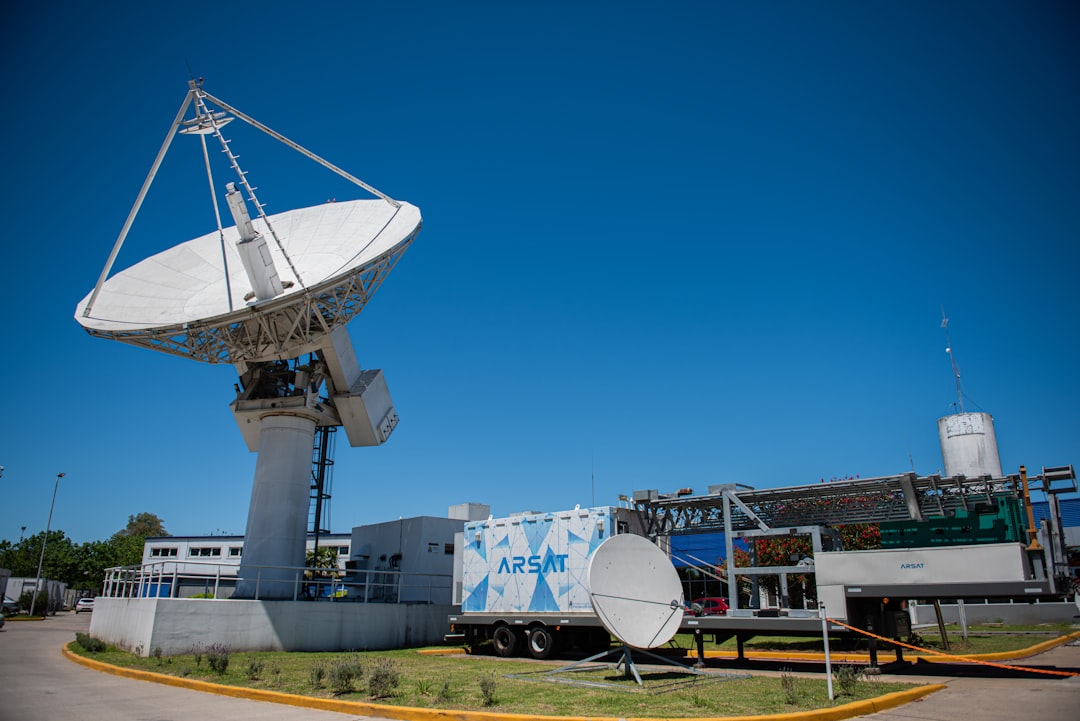
The breach of classified military satellite tracking data, allegedly by amateur individuals, represents a significant challenge to national security and highlights the evolving landscape of information warfare. This incident, which has become colloquially known as “Amateur Leaks Classified Military Satellite Tracking,” brings to the fore questions of digital defense, the motivation of information disseminators, and the potential consequences for global stability.
This section will delve into the specifics of the leaked information, its presumed source, and the methods employed.
What Data Was Compromised?
The core of the leak centers on sensitive information pertaining to the operational status, orbital mechanics, and potential capabilities of a range of military satellites. This likely includes data that, in aggregate, could offer adversaries a clearer picture of surveillance, communication, and potentially weaponized satellite platforms. The precise scope and detail of the leaked data remain under official investigation, but early reports suggest it extends beyond readily available public information, touching upon proprietary tracking algorithms and predictive maintenance schedules. The implications are far-reaching, potentially allowing for the prediction of satellite passes, identification of blind spots in coverage, and even the estimation of the lifespan of critical assets. This kind of intelligence, in the hands of an adversary, could significantly alter the strategic calculus of military operations.
Presumed Origin and Perpetrators
While official investigations are ongoing, the term “amateur” in the leak’s moniker suggests that the perpetrators may not be state-sponsored actors or sophisticated intelligence agencies. Instead, the evidence points towards individuals or small groups with a high degree of technical proficiency but lacking the resources and infrastructure typically associated with nation-state espionage. This could encompass disillusioned insiders, hacktivist collectives, or even individuals driven by ideologies rather than monetary gain or direct geopolitical alignment. The investigation will undoubtedly focus on identifying the specific individuals or entities responsible, and understanding their motivations will be crucial in preventing future incidents and assessing the full impact of this breach. The ease with which seemingly complex data can be exfiltrated in the modern digital age is a stark reminder of the vulnerabilities inherent in even the most secure systems.
Modus Operandi and Technical Mechanisms
The technical means by which classified satellite tracking data was accessed and disseminated remain a subject of intense scrutiny. Early hypotheses suggest a combination of social engineering, exploitation of cybersecurity vulnerabilities within connected systems, and potentially the use of insider credentials. The sophistication of the exploit, whether it involved zero-day vulnerabilities or more rudimentary phishing tactics, will dictate the ongoing security posture adjustments required. The dissemination methods are also under review, with speculation pointing towards encrypted peer-to-peer networks, secure file-sharing platforms, and possibly social media channels designed to mask the origin of the information. The challenge lies in tracing the digital breadcrumbs left by sophisticated actors who are adept at obscuring their tracks.
Recent developments in the realm of classified military satellite tracking have raised concerns following a series of leaks by amateur enthusiasts. These leaks have sparked a debate about the security implications of publicly accessible satellite tracking data. For a deeper understanding of this issue, you can read a related article that explores the intersection of amateur satellite tracking and military secrecy. Check it out here: Freaky Science Article.
Implications for National Security
The leak of military satellite tracking data carries profound implications for how nations conduct military operations, gather intelligence, and maintain their technological edge.
Erosion of Strategic Advantage
Military satellites are cornerstone assets for modern defense capabilities. They provide intelligence, surveillance, and reconnaissance (ISR) capabilities, facilitating real-time situational awareness. They enable secure communication networks, underpin precision-guided munitions, and are integral to early warning systems. Compromised tracking data can directly undermine these functions. Adversaries could exploit knowledge of satellite trajectories and operational schedules to conduct operations with a reduced risk of detection. This could include sophisticated electronic warfare tactics aimed at jamming or spoofing satellite signals, or even the planning of physical attacks on ground infrastructure that supports these vital space assets. The erosion of this strategic advantage could have a cascading effect on military readiness and the ability to respond effectively to evolving threats.
Weakened Intelligence Gathering and Analysis
The effectiveness of intelligence agencies relies heavily on the continuous and covert collection of information. Satellite imagery and data are vital components of this process. If adversaries gain insight into the capabilities and coverage of these platforms, they can adapt their own activities to avoid detection. This includes identifying gaps in surveillance coverage, understanding the limitations of reconnaissance, and tailoring their communications to evade interception. Furthermore, the leaked data might reveal patterns in intelligence collection efforts, allowing adversaries to anticipate future intelligence gathering initiatives. This not only impacts current operations but also compromises the long-term ability to build comprehensive intelligence profiles of potential threats.
Escalation of the Space Arms Race
The revelation of compromised satellite data could accelerate an arms race in space. Nations may feel compelled to invest more heavily in the hardening of existing space assets, the development of counter-space capabilities, and the deployment of new, more resilient satellite systems. This escalation could lead to a more volatile and unpredictable space environment, increasing the risk of accidental or intentional conflict in orbit. The proliferation of space-based weapon systems, or technologies that could neutralize adversaries’ space assets, becomes a more immediate concern. The delicate balance of power in space, already a subject of significant geopolitical tension, could be severely disrupted.
Impact on Diplomacy and International Relations
The dissemination of classified information, particularly that which relates to military capabilities, invariably has repercussions on diplomatic channels. The trust between allies can be strained if the leaked data reveals vulnerabilities that could impact shared security interests. Furthermore, international agreements and treaties related to space exploration and arms control could come under renewed scrutiny. The incident may also embolden revisionist powers or non-state actors who see an opportunity to disrupt the established international order. The perception of vulnerability can embolden adversaries and create instability in existing alliances and partnerships.
The “Amateur” Factor: A New Paradigm?
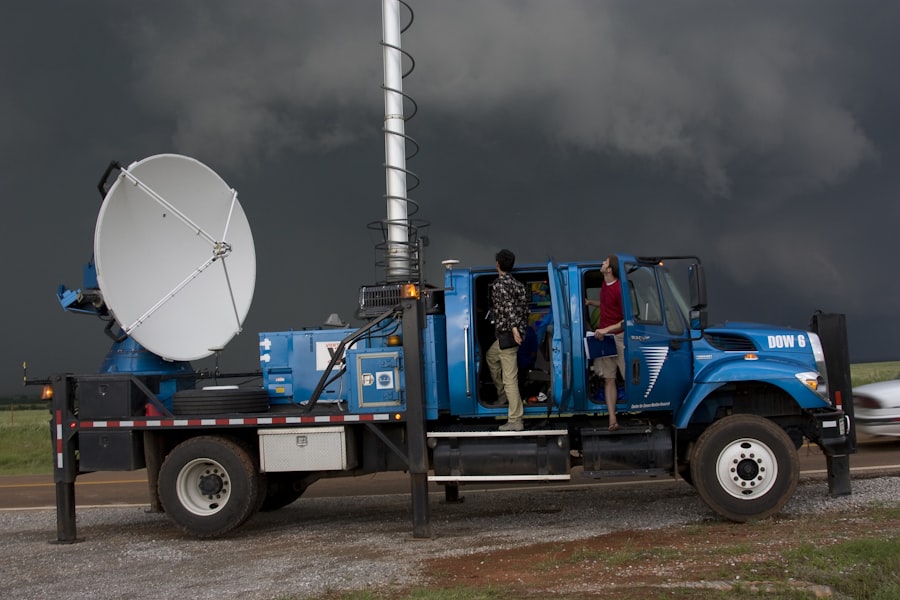
This section will explore the implications of the leak being attributed to individuals rather than state actors.
Redefining the Threat Landscape
The “amateur” designation challenges traditional notions of cyber threats originating from state-sponsored actors or highly organized criminal enterprises. It suggests that individuals with specialized knowledge and access, potentially driven by ideological motivations or a desire to expose perceived wrongdoing, can pose a significant security risk. This necessitates a broader approach to cybersecurity, encompassing internal security measures and the monitoring of individuals with access to sensitive information, regardless of their affiliation. The ease with which sophisticated tools and information can be acquired online lowers the barrier to entry for individuals seeking to disrupt or expose critical infrastructure.
Motivations Beyond Espionage
Unlike state-sponsored espionage, which typically operates with clear geopolitical objectives, the motivations behind amateur leaks can be more varied and complex. These can range from a belief in radical transparency and a desire to inform the public about government activities, to personal grievances or even a misconstrued sense of civic duty. Understanding these diverse motivations is crucial for developing effective countermeasures and for engaging in dialogue that might prevent future incidents. This also raises questions about the ethical implications of whistleblowing and the balance between national security needs and the public’s right to information.
The Challenge of Attribution and Prosecution
Attributing the actions of dispersed or anonymous individuals poses a significant challenge for law enforcement and intelligence agencies. The technical sophistication employed by some amateur groups can make it incredibly difficult to identify and locate perpetrators. Furthermore, the legal frameworks for prosecuting individuals who leak classified information may need to be re-evaluated in light of this evolving threat landscape. The transnational nature of the internet further complicates these efforts, often requiring international cooperation to bring offenders to justice.
Cybersecurity Lessons and Future Preparedness

The “Amateur Leaks Classified Military Satellite Tracking” incident serves as a critical learning opportunity, necessitating a reassessment of current cybersecurity strategies.
Strengthening Insider Threat Detection
The potential involvement of insiders, even those acting in an amateur capacity with malicious intent, underscores the importance of robust insider threat detection programs. This includes implementing stringent access controls, continuous monitoring of user activity, and fostering a culture of security awareness and reporting within organizations handling classified information. The principle of least privilege, ensuring individuals only have access to the data necessary for their roles, is paramount. Behavioral analytics and anomaly detection tools can play a significant role in identifying unusual patterns of data access or exfiltration.
Enhancing Data Encryption and Access Protocols
The fundamental security of sensitive data rests on its encryption and the protocols governing access. This incident demands a review of current encryption standards for classified information and the protocols for granting and revoking access to satellite tracking data. Multi-factor authentication, stringent password policies, and regular audits of access logs are essential. Furthermore, the segmentation of networks and the isolation of critical data repositories can limit the impact of a breach. The concept of “zero trust” architecture, where no user or device is implicitly trusted, is becoming increasingly relevant.
The Role of Public-Private Partnerships
The complexity of modern cyber threats necessitates a collaborative approach. Partnerships between government agencies and private cybersecurity firms are crucial for sharing threat intelligence, developing advanced defensive technologies, and conducting joint exercises. The private sector often possesses cutting-edge expertise and resources that can complement governmental capabilities. This collaboration can facilitate faster detection, more effective response, and the development of innovative solutions to emerging threats. Information sharing agreements and protocols for secure communication between public and private entities are vital.
Continuous Vigilance and Adaptability
The rapid pace of technological advancement means that cybersecurity is not a static endeavor but an ongoing process of adaptation and improvement. Regular security assessments, penetration testing, and vulnerability scanning are essential for identifying and mitigating potential weaknesses before they can be exploited. A culture of continuous learning and professional development within cybersecurity teams is paramount to staying ahead of evolving threats. The “Amateur Leaks Classified Military Satellite Tracking” incident is a stark reminder that vigilance must be maintained at all times.
Recent developments in the realm of classified military satellite tracking have raised significant concerns, especially following a series of amateur leaks that have exposed sensitive information. These leaks not only highlight the vulnerabilities in military operations but also spark a debate about the balance between national security and public knowledge. For a deeper understanding of the implications of these leaks, you can read more in this related article on the topic at Freaky Science, which explores the intersection of technology and security in today’s digital age.
The Broader Geopolitical Context
| Category | Data |
|---|---|
| Satellite Name | Classified |
| Tracking Source | Amateur Leaks |
| Security Level | Classified |
| Leak Date | Not disclosed |
This leak does not occur in a vacuum but is situated within a broader geopolitical landscape characterized by increasing technological competition and evolving conflict paradigms.
Information Warfare as a Modern Battlefield
The leak fits squarely within the growing domain of information warfare, where the control and dissemination of information are as critical as traditional military engagements. Nations and non-state actors alike are increasingly leveraging digital tools for strategic advantage, seeking to disrupt, discredit, or destabilize adversaries through information operations. This incident highlights how seemingly technical breaches can have profound geopolitical consequences. The propaganda potential of such leaks, particularly in shaping public opinion and influencing international discourse, cannot be underestimated.
The Vulnerability of Interconnected Systems
Modern military operations rely on highly interconnected and often globalized systems. This interconnectivity, while enabling unprecedented efficiency and coordination, also creates numerous potential points of vulnerability. The “Amateur Leaks Classified Military Satellite Tracking” incident serves as a potent illustration of how a breach at one node can have ripple effects across an entire complex network. The reliance on commercial off-the-shelf technologies and cloud infrastructure, while beneficial for cost and scalability, also introduces third-party risks and potential supply chain vulnerabilities that need careful management.
The Future of Space-Based Assets
The ongoing reliance on space-based assets for defense and intelligence gathering suggests that the security of these platforms will remain a paramount concern. Future developments may see a greater emphasis on decentralization, redundancy, and the development of more resilient and autonomous satellite systems capable of operating with reduced ground support. The proliferation of smaller, more agile satellite constellations, often referred to as “NewSpace” initiatives, also presents a complex challenge for tracking and defense strategies. The very nature of the space domain is evolving, and so too must the approaches to its security. The “Amateur Leaks Classified Military Satellite Tracking” incident is likely an early indicator of future challenges in this arena.
FAQs
What is the significance of tracking classified military satellites?
Tracking classified military satellites is important for national security and defense purposes. It allows the military to monitor the movements and activities of these satellites to ensure they are functioning properly and to detect any potential threats or unauthorized access.
How are amateur leaks of classified military satellite tracking data concerning?
Amateur leaks of classified military satellite tracking data are concerning because they can potentially compromise national security. This information could be used by adversaries to track the movements of military satellites, gather intelligence, or even interfere with their operations.
What measures are in place to prevent unauthorized access to classified military satellite tracking data?
The military and government agencies have strict protocols and security measures in place to prevent unauthorized access to classified military satellite tracking data. This includes encryption, secure communication channels, and restricted access to sensitive information.
What are the potential consequences of unauthorized access to classified military satellite tracking data?
The potential consequences of unauthorized access to classified military satellite tracking data include compromised national security, the risk of satellite interference or sabotage, and the potential for adversaries to gain valuable intelligence about military operations and capabilities.
How can the public contribute to the protection of classified military satellite tracking data?
The public can contribute to the protection of classified military satellite tracking data by being vigilant about sharing or accessing sensitive information, reporting any suspicious activities or leaks, and supporting efforts to strengthen cybersecurity and data protection measures.