
You’ve likely heard the adage about good posture. It’s often presented as a simple aesthetic, a way to appear more confident or poised. While those are certainly byproducts, the real power of aligned posture lies in its fundamental impact on your body’s ability to move efficiently and effortlessly, enhancing your overall flow through daily life and any physical pursuits. Poor posture isn’t just about how you look; it’s about how your musculoskeletal system is functioning – or in many cases, not functioning optimally. It’s about creating unnecessary tension, limiting range of motion, and setting the stage for discomfort and potential injury. Understanding and actively working to align your posture is not a superficial vanity project; it’s a practical and highly effective strategy for improving your physical well-being.
This article will delve into the mechanics of good posture, explore the detrimental effects of misalignment, and provide actionable guidance for you to begin cultivating a more aligned and fluid state of being. It’s a journey of awareness and subtle, consistent adjustments that can yield significant, long-term benefits.
Before you can effectively align your posture, you need to grasp what “aligned” actually means in a biomechanical sense. It’s not about rigidly holding yourself in an unnatural, statue-like pose, but rather about establishing a neutral skeletal alignment that allows your muscles to work harmoniously. This optimal alignment minimizes strain on joints, ligaments, and muscles, enabling you to move with greater ease and less expenditure of energy.
The Vertebral Column as Your Central Axis
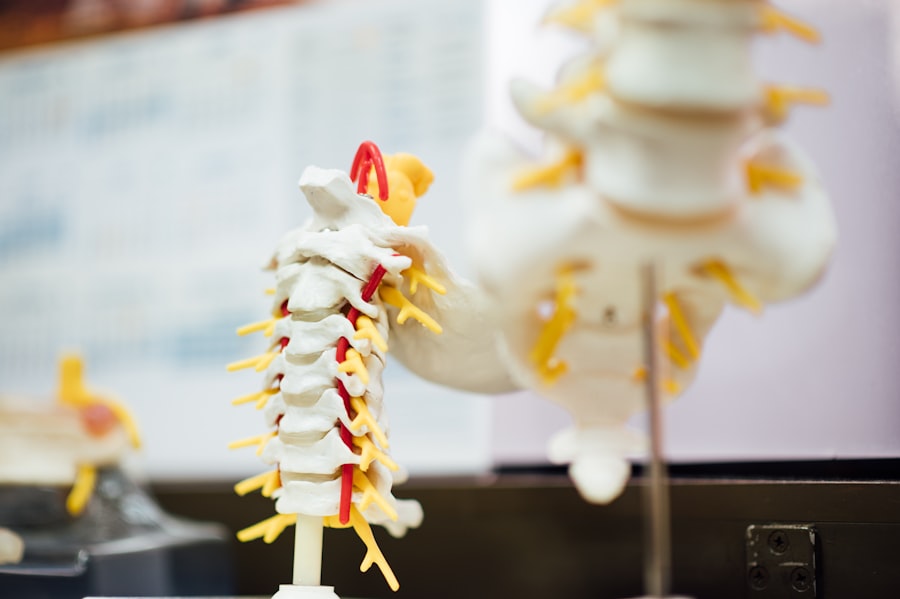
Your spine is the central pillar of your posture. This complex structure, comprised of a series of bones called vertebrae, is designed with natural curves: a slight inward curve in your neck (cervical lordosis), an outward curve in your upper back (thoracic kyphosis), an inward curve in your lower back (lumbar lordosis), and a slight outward curve in your sacrum. These curves are not flaws; they are essential for shock absorption, flexibility, and maintaining balance. When these curves are exaggerated or flattened due to poor posture, the entire system is disrupted.
Cervical Curve: The Head’s Support System
The cervical curve at the top of your spine supports the weight of your head, which, believe it or not, is quite substantial. When your head is properly aligned, tilted slightly forward over your shoulders, the muscles in your neck are engaged minimally. However, if you habitually jut your head forward – often referred to as “text neck” – your neck muscles have to work overtime to keep your head from falling forward. This chronic strain can lead to headaches, neck pain, and stiffness.
Thoracic Curve: The Upper Back’s Natural Hump
The thoracic curve is a natural outward curve. When this curve becomes excessive, you develop a rounded upper back, leading to a hunched appearance. This rounding often brings your shoulders forward, contributing to the cervical spine issues discussed above and restricting the movement of your shoulder blades. Many desk-bound activities encourage this posture.
Lumbar Curve: The Lower Back’s Load Bearing
The lumbar curve is an inward curve that helps support the weight of your torso and allows for forward bending. An excessive inward curve, known as lordosis, or a flattened lumbar spine, can both cause pain and limit your ability to stand and move comfortably. This is often influenced by the position of your pelvis.
Pelvic Alignment: The Base for Your Spine
Your pelvis acts as the foundation for your entire skeletal structure. The way your pelvis is positioned directly impacts the curves of your spine. A neutral pelvic tilt is crucial. If your pelvis is tilted too far forward (anterior tilt), it exaggerates your lumbar lordosis. If it’s tilted too far backward (posterior tilt), it flattens your lumbar spine. Achieving a neutral pelvic position allows your spine to rest in its natural curves.
Anterior Pelvic Tilt: The Swayback Effect
An anterior pelvic tilt is characterized by the front of your pelvis dropping down and your tailbone tucking under. This creates a pronounced swayback and can lead to tightness in your hip flexors and weakness in your abdominal and gluteal muscles.
Posterior Pelvic Tilt: The Flat Back Syndrome
Conversely, a posterior pelvic tilt involves the front of your pelvis lifting up and your tailbone sticking out. This can flatten your lumbar curve, making your lower back feel stiff and reducing your ability to engage your gluteal muscles effectively.
The Role of Your Shoulders and Scapulae
Your shoulders and the shoulder blades (scapulae) that attach to your rib cage are integral to upper body posture. When shoulders are rounded forward, it signifies that your scapulae are not in their optimal position. Proper scapular positioning allows for free movement of the arms and shoulders, enabling lifting, reaching, and rotation without compensatory movements elsewhere in your body.
Scapular Retraction and Depression: Key Elements
To achieve better upper body alignment, you want to aim for a slight retraction of your shoulder blades (drawing them slightly together towards your spine) and a slight depression (drawing them down away from your ears). This counteracts the tendency to hunch and opens up the chest.
Improving your posture can significantly enhance your overall flow and well-being. For a deeper understanding of how to align your posture for better flow, you might find this related article helpful: How to Align Your Posture for Better Flow. This resource offers practical tips and techniques that can help you achieve a more balanced and efficient body alignment, ultimately leading to improved energy and productivity throughout your day.
Consequences of Misaligned Posture: Beyond Aesthetics
The ripple effects of poor posture extend far beyond simply not looking your best. These misalignments create inefficiencies in your body’s biomechanics, leading to a cascade of issues that can impact your comfort, performance, and overall health.
Muscular Imbalances: We Won the Tug-of-War
When your posture is not aligned, certain muscles are constantly overworking to compensate for others that have become weak or lengthened. This creates an imbalance, a continuous tug-of-war within your muscular system that leads to tightness in some areas and weakness in others.
Tight Hip Flexors and Weak Glutes: A Common Pair
A prime example is the common pairing of tight hip flexors and weak gluteal muscles, often a result of prolonged sitting and an anterior pelvic tilt. Your hip flexors, located at the front of your hips, become shortened and tight from constant flexion. Your glutes, responsible for extending the hip, become underutilized and weakened. This imbalance contributes to lower back pain and affects your ability to generate power in activities like walking, running, and jumping.
Overactive Neck and Upper Back Muscles: The Craning Syndrome
Similarly, when your head juts forward, the muscles at the back of your neck and upper back become chronically contracted, trying to hold your head up against gravity. Meanwhile, the deep neck flexors in the front of your neck may become weak, further exacerbating the problem.
Restricted Range of Motion: Movement Becomes a Chore
With tight muscles and misaligned joints, your body loses its natural freedom of movement. What should be a fluid action becomes a restricted, sometimes painful, series of movements. This can impact everything from reaching for an object on a high shelf to performing athletic maneuvers.
Limited Shoulder Mobility: Reaching Becomes an Effort
When your shoulders are rounded forward and your scapulae are not positioned correctly, your ability to lift your arms overhead, reach behind you, or even perform simple tasks like throwing a ball is compromised. The restricted movement can lead to compensatory movements in your lower back or elbows, increasing the risk of injury.
Reduced Spinal Flexibility: The Stiffness Sets In
A spine that is held in a rigid, unaligned position loses its natural suppleness. The ability to bend, twist, and extend your spine smoothly is diminished. This can make even everyday activities like getting out of a chair feel stiff and awkward.
Increased Stress on Joints: Wear and Tear Acceleration
When your body is out of alignment, your joints bear uneven loads. Instead of distributing forces evenly, certain areas of the joint surface experience excessive pressure. Over time, this can lead to accelerated wear and tear, contributing to conditions like osteoarthritis.
Knee and Hip Joint Strain: The Chain Reaction
Misaligned posture, particularly in the pelvis and lower back, directly impacts the alignment of your knees and hips. For example, if your feet tend to roll inward (pronation) due to poor foot alignment, this can create an inward rotation of your tibia (shin bone), which in turn can cause your knee to collapse inward. This creates unnatural stress on the knee joint.
Spinal Joint Compression: Everyday Jarring
In a misaligned spine, the intervertebral discs and facet joints can experience increased compression. This can lead to discomfort, pain, and a gradual degradation of the spinal structures.
Energy Depletion: Fighting Gravity Every Step of the Way
When your body is constantly working against its natural alignment, it expends more energy than it needs to. Muscles that should be relaxed are engaged, and unsupported structures are being held in place through sheer muscular effort. This chronic energy expenditure can leave you feeling fatigued, even when you haven’t engaged in strenuous activity.
The Illusion of Effortlessness: When Movement Feels Hard
Think about how much easier it is to stand tall and balanced compared to slouching or leaning. When your posture is aligned, your skeleton bears much of your weight, and your muscles can act efficiently. When it’s misaligned, your muscles are doing much of the heavy lifting, and you feel it.
Actionable Strategies for Aligning Your Posture
Cultivating aligned posture is an ongoing practice, not a one-time fix. It requires awareness, conscious effort, and the integration of specific exercises and habits into your daily routine. Start by focusing on one or two areas and gradually build from there.
The Power of Body Awareness: Knowing Where You Are
The first and most critical step is to develop a greater awareness of your habitual posture. This involves paying attention to how you sit, stand, and move throughout the day.
Self-Assessment Techniques: Your Personal Posture Check
Take moments throughout your day to consciously check in with your body. Stand in front of a mirror and observe your reflection from the side. Are your ears, shoulders, hips, knees, and ankles generally aligned in a vertical line? When sitting, do you notice yourself slumping or leaning excessively?
Mindfulness and Cueing: Gentle Reminders
Set gentle reminders for yourself to check your posture. This could be a recurring alarm on your phone, a sticky note on your computer monitor, or simply a mental check-in every time you stand up or sit down. The goal is to make these checks a habit.
Strengthening and Lengthening Key Muscle Groups: The Body’s Toolkit
Once you are aware of your posture, you can begin to address the underlying muscular imbalances that contribute to misalignment. This involves both strengthening weak muscles and lengthening tight ones.
Core Engagement: Your Inner Stabilizer
Your core muscles – the abdominals, obliques, and lower back muscles – are vital for stabilizing your spine and pelvis. Strengthening your core provides a solid foundation for good posture.
Plank Variations: Building Endurance
Planks, side planks, and variations thereof are excellent for building isometric strength in your core. Focus on maintaining a straight line from your head to your heels and avoiding sagging in your lower back.
Bird-Dog: Enhancing Stability and Coordination
The bird-dog exercise challenges your core stability by having you extend opposite arm and leg while keeping your torso stable. This also helps improve coordination.
Glute Activation: Rescuing the Powerhouse
As mentioned, weak glutes are a common culprit in postural issues. Activating and strengthening these muscles is crucial for pelvic stability and preventing lower back pain.
Glute Bridges: Simple yet Effective
Glute bridges are a fundamental exercise for targeting the gluteal muscles. Lie on your back with knees bent, feet flat on the floor, and lift your hips off the ground, squeezing your glutes at the top.
Clamshells: Hip Abductor Strength
Clamshells target the hip abductors, which play a role in pelvic stability. Lie on your side with knees bent and lift your top knee open like a clamshell, keeping your feet together.
Shoulder and Upper Back Strengthening: Counteracting the Slouch
To counteract rounded shoulders, you need to strengthen the muscles that pull your shoulder blades back and down.
Rows (Band or Dumbbell): Pulling Your Shoulders Back
Various row exercises, using resistance bands or dumbbells, effectively target the muscles of your upper back, encouraging better scapular retraction. Focus on a controlled movement, squeezing your shoulder blades together at the end of the movement.
Face Pulls: Targeting Rotator Cuff and Upper Back
Face pulls are excellent for strengthening the rotator cuff muscles and the muscles of the upper back that help with external rotation and retraction of the shoulders.
Stretching Tight Muscles: Reclaiming Your Range
Lengthening the muscles that have become chronically shortened is just as important as strengthening.
Hip Flexor Stretches: Releasing the Tightness
Kneeling hip flexor stretches, where you lunge forward while keeping your back knee on the ground and tucking your pelvis, are effective for releasing tight hip flexors.
Chest and Shoulder Stretches: Opening the Chest
Doorway chest stretches, where you place your forearms on the frame of a doorway and lean forward, can help open up a tight chest and counteract rounded shoulders.
Ergonomics and Environmental Adjustments: Your Surrounding Support
Your environment plays a significant role in maintaining good posture. Making adjustments to your workspace and daily habits can make a substantial difference.
Optimizing Your Workstation: The Foundation of Daily Habits
Your desk and chair setup is critical, especially if you spend many hours sitting.
Screen Height: The Eye-Level Principle
Ensure your computer monitor is at a height where the top of the screen is at or slightly below eye level. This prevents you from craning your neck up or down.
Chair Support: Lumbar and Armrests
Choose a chair that provides good lumbar support or use a lumbar roll to maintain the natural curve of your lower back. Armrests should allow your shoulders to relax, not force them to be elevated.
Keyboard and Mouse Placement: Elbow at 90 Degrees
Your keyboard and mouse should be positioned so that your elbows are bent at approximately a 90-degree angle when typing, with your wrists in a neutral position.
Strategic Breaks: Movement is Medicine
Regular movement breaks are essential to combat the negative effects of prolonged sitting or standing.
The Two-Minute Rule: Little and Often
Every 20-30 minutes, stand up, walk around for a minute or two, and perform a few simple stretches. This can prevent stiffness and re-engage muscles that may have become dormant.
Desk Stretches: Small Movements, Big Impact
Incorporate simple stretches at your desk, such as neck rolls, shoulder rolls, and torso twists.
Mindful Movement and Everyday Habits: Integrating Posture into Life
Posture isn’t just about static positions; it’s about how you move through everyday activities.
Walking with Intention: Every Step Counts
When you walk, imagine a string pulling you up from the crown of your head. Engage your core slightly, let your shoulders relax down and back, and swing your arms naturally.
Lifting Safely: Protect Your Back
When lifting objects, always bend your knees and hips, keeping your back straight, and lift with your legs, not your back. Keep the object close to your body.
Sleeping Smarter: Support While You Rest
The position you sleep in and the mattress and pillows you use can impact your posture. Sleeping on your back or side with proper pillow support for your head and neck is generally recommended. Avoid stomach sleeping, which can strain your neck.
Achieving Flow and Enhanced Movement: The Rewards of Alignment
By consistently applying these principles of postural alignment, you’ll begin to notice a profound shift in how you move and feel. This isn’t about becoming a rigid automaton; it’s about unlocking a greater sense of freedom, efficiency, and grace in your physical being.
Effortless Efficiency: Less Energy, More Accomplishment
When your body is aligned, your weight is distributed optimally. Your skeletal structure bears the load, and your muscles work in harmony, rather than in opposition. This means you expend less energy to perform everyday tasks. You’ll find that you can stand for longer periods without feeling as fatigued, and your movements feel less demanding.
The “Unwinding” Sensation: Moving with Less Resistance
Imagine the feeling of a rusty hinge finally being oiled. That’s a bit like what happens when your body becomes aligned. Instead of fighting against misalignments and muscular compensations, your joints and muscles can move through their intended ranges of motion with significantly less resistance. This often translates to a feeling of “unwinding” and greater ease.
Increased Stamina for Daily Activities: No More Midday Drains
The chronic muscle fatigue and energy drain associated with poor posture can be significantly reduced. This means you’ll have more energy available for the activities you enjoy, whether it’s playing with your children, pursuing a hobby, or simply getting through your workday without feeling utterly depleted.
Improved Athletic Performance: Reaching Your Physical Potential
For anyone involved in sports or physical activity, aligned posture is not just beneficial; it’s foundational to optimal performance.
Greater Power and Force Generation: Unleashing Your Strength
When your core is strong and your skeletal alignment is sound, your body can transfer force more effectively. This translates to increased power in your movements, whether you’re kicking a soccer ball, swinging a tennis racket, or jumping for a rebound.
Enhanced Agility and Coordination: Reacting with Precision
Good posture provides a stable base from which to move. This improves your balance and coordination, allowing you to react more quickly and precisely to dynamic situations. You’ll find yourself making sharper turns, changing direction with more control, and moving with a greater sense of fluidity.
Reduced Risk of Injury: Protecting Your Investment
A misaligned body is an injury waiting to happen. By correcting and maintaining good posture, you significantly reduce the strain on your joints, ligaments, and muscles. This proactive approach minimizes your risk of sprains, strains, back pain, and other common injuries that can sideline you from your activities.
A Sense of Grace and Poise: The Natural Outcome of Balance
While we’re not focusing on aesthetics as the primary driver, the natural consequence of physical alignment is an observable sense of grace and poise. When your body moves efficiently and without unnecessary tension, it inherently looks and feels more elegant.
The Effortless Glide: Moving with Intention and Ease
Watch athletes who have exceptional form. They often appear to glide across their sport’s playing field. This isn’t just natural talent; it’s often the result of years of training that has instilled deeply ingrained postural habits and efficient movement patterns. You can cultivate this sense of effortless glide in your own movements.
Increased Confidence Through Physical Competence: Standing Taller, Feeling Stronger
There’s a profound psychological link between how you feel physically and how you carry yourself. As you become more aware of your body and experience the benefits of aligned posture – less pain, more energy, greater physical competence – your confidence naturally grows. You’ll find yourself standing taller, not out of obligation, but out of a genuine sense of strength and well-being.
Improving your posture can significantly enhance your overall flow and well-being, and for those interested in exploring this topic further, a related article can provide valuable insights. By focusing on the alignment of your body, you can not only alleviate discomfort but also boost your energy levels. To learn more about effective techniques for achieving better posture, check out this informative piece on Freaky Science. Adopting these practices can lead to a more balanced and productive lifestyle.
Continuous Refinement and Daily Integration: The Lifetime Journey
| Posture Alignment | Benefits |
|---|---|
| Keep your head up | Reduces strain on neck and shoulders |
| Align shoulders with hips | Improves breathing and circulation |
| Engage core muscles | Supports spine and reduces back pain |
| Keep feet hip-width apart | Improves balance and stability |
Understanding and improving your posture is not a destination; it’s a continuous journey of refinement. The goal is to integrate these principles so seamlessly into your life that they become second nature.
Listening to Your Body: The Ultimate Feedback Mechanism
Your body is constantly providing you with feedback. Learn to listen to its signals. Persistent aches, stiffness, or fatigue are often indicators that your posture needs attention. Don’t ignore these signals; use them as prompts to reassess and readjust.
Recognizing Pain as a Signal: Not Just an Inconvenience
Pain is not something to simply endure. It’s a signal from your body that something is not right. If you experience pain related to your posture, take it as an opportunity to investigate the cause and implement corrective measures.
The Subtle Shift: Noticing the Small Improvements
Sometimes, the changes are subtle. You might notice that you can stand without consciously thinking about it, or that a particular movement feels easier than it did before. Acknowledge and appreciate these small victories. They are the building blocks of lasting change.
Embracing Professional Guidance: When to Seek Expert Help
While self-awareness and practice are crucial, there are times when professional guidance can accelerate your progress and address more complex issues.
Physical Therapists: Addressing Specific Dysfunctions
A physical therapist can diagnose specific muscular imbalances, joint restrictions, and movement dysfunctions contributing to your postural issues. They can provide tailored exercise programs and manual therapy to help you overcome these challenges.
Chiropractors: Spinal Alignment Specialists
For persistent spinal alignment concerns, a chiropractor can offer adjustments to improve spinal mobility and function, which can directly impact your overall posture.
Pilates and Yoga Instructors: Cultivating Core Strength and Flexibility
Qualified Pilates and yoga instructors are highly skilled in teaching core engagement, body awareness, and the precise movements necessary for improving posture. They can provide personalized guidance and modifications to suit your needs.
Making Posture a Lifestyle, Not a Chore: The Power of Habit
The most effective way to maintain aligned posture is to weave it into the fabric of your daily life.
Regular Check-ins and Adjustments: The Daily Routine
Dedicate a few minutes each day to consciously check your posture, perform a few key stretches, and engage your core. These mini-sessions can prevent small postural deviations from becoming ingrained habits.
Mindful Movement in All Activities: Every Action Matters
Whether you’re cooking in the kitchen, gardening, or carrying groceries, approach these activities with a mindful awareness of your body’s alignment. Even small adjustments can make a difference over time.
Continuous Learning and Adaptation: Evolving with Your Body
As your body changes through age, activity levels, or life events, your postural needs may also evolve. Be open to continuous learning and adapting your approach to maintain optimal alignment. Your journey to enhanced flow and movement through aligned posture is a rewarding and empowering one, leading to a more efficient, comfortable, and capable you.
FAQs
1. Why is posture alignment important for better flow?
Posture alignment is important for better flow because it allows for proper circulation of blood and energy throughout the body. When the body is in proper alignment, it can move more freely and efficiently, leading to improved overall flow of movement and energy.
2. How can poor posture affect the body’s flow?
Poor posture can affect the body’s flow by causing blockages in the flow of energy and blood. It can lead to muscle tension, restricted movement, and decreased circulation, which can result in decreased energy levels and overall sluggishness.
3. What are some common signs of poor posture?
Common signs of poor posture include rounded shoulders, a forward head position, an arched lower back, and uneven hips. These can lead to discomfort, pain, and restricted movement, all of which can disrupt the body’s natural flow.
4. What are some techniques for aligning posture for better flow?
Techniques for aligning posture for better flow include practicing proper body mechanics, engaging in regular stretching and strengthening exercises, maintaining a neutral spine, and being mindful of body positioning throughout daily activities.
5. How can improving posture alignment benefit overall well-being?
Improving posture alignment can benefit overall well-being by reducing the risk of musculoskeletal pain and injury, improving breathing and circulation, enhancing energy levels, and promoting a sense of balance and ease in movement.