The abyss, a realm of perpetual twilight and crushing pressure, holds secrets that have captivated humanity for centuries. Beyond the sunlit surface of our oceans lies a vast, unexplored frontier teeming with life so alien, it often feels as though we are peering into another world. These deep-sea discoveries are not merely curiosities; they are vital pieces in the grand puzzle of life’s origins, evolution, and the potential for its existence beyond our planet.
The sheer scale of the deep ocean is staggering. It constitutes over 95% of Earth’s habitable volume, a stark contrast to the comparatively tiny sliver of the planet’s surface occupied by terrestrial life. This immense space, characterized by its extreme conditions, has fostered an evolutionary trajectory dramatically different from that which shaped life on land.
Defining the Deep Sea
The term “deep sea” itself encompasses a broad range of environments, each with its own unique challenges and inhabitants. Generally, it begins where sunlight penetration ceases, typically around 200 meters, and extends to the deepest trenches, plunging thousands of meters below the surface.
The Epipelagic Zone: The Edge of Darkness
While technically the uppermost layer, the epipelagic zone (0-200 meters) is the boundary where light begins to fade. Organisms here are adapted to fluctuating light levels and are often the most visible, yet they represent only the fringe of the deep.
The Mesopelagic Zone: The Twilight Realm
From 200 to 1,000 meters, the mesopelagic zone, or twilight zone, receives only faint, blue light. Bioluminescence becomes increasingly important for communication, predation, and defense in this perpetually dim environment.
The Bathyal Zone: The Midnight Zone
Descending further to 1,000 to 4,000 meters, the bathyal zone, or midnight zone, is a realm of absolute darkness. Here, life relies on chemosynthesis or detritus that drifts down from shallower waters.
The Abyssal Zone: The Vast Plains
Stretching from 4,000 to 6,000 meters, the abyssal zone comprises vast, sediment-covered plains. Pressure is immense, and temperatures are near freezing. Life is sparse but highly specialized.
The Hadal Zone: The Ultimate Frontier
The hadal zone, found in the deepest ocean trenches, exceeds 6,000 meters. Here, pressures are extreme, and life is adapted to these extraordinary conditions, often found only in specific locations.
The Extreme Conditions of Deep-Sea Life
The deep ocean is a testament to life’s resilience. Organisms here contend with:
- Crushing Pressure: The weight of the water column above is immense, reaching hundreds of atmospheres. Deep-sea creatures have evolved specialized cellular structures and protein adaptations to prevent their tissues from collapsing.
- Absolute Darkness: Beyond the reach of sunlight, life has adapted to navigate, hunt, and evade predators without sight. Bioluminescence, chemosensory organs, and enhanced senses of touch and hearing are common.
- Extreme Cold: Temperatures in the deep ocean are consistently cold, often just a few degrees above freezing. Organisms have evolved slow metabolisms and specialized enzymes to function in these frigid environments.
- Limited Food Availability: Nutrients are scarce, primarily relying on organic matter that sinks from the surface (marine snow) or chemosynthesis around hydrothermal vents. This leads to adaptations like slow growth, infrequent reproduction, and efficient energy utilization.
Recent discoveries in the deep ocean have sparked intriguing discussions about the possibility of alien life existing beyond our planet. Researchers have uncovered unique ecosystems thriving in extreme conditions, which some scientists believe could resemble environments on other celestial bodies. For more insights on this fascinating topic, you can read a related article at Freaky Science.
Bioluminescence: The Living Light of the Abyss
Perhaps the most captivating adaptation of deep-sea life is bioluminescence, the ability to produce light through chemical reactions within the organism. This natural light show plays a crucial role in survival in the perpetual darkness.
The Chemistry of Light Production
Bioluminescence typically involves a molecule called luciferin and an enzyme called luciferase. When luciferin is oxidized in the presence of luciferase and often oxygen, it releases energy in the form of light.
Different Colors, Different Functions
The color of bioluminescence varies, with blues and greens being most common because these wavelengths travel furthest in water. However, some organisms produce red or yellow light, often for specialized purposes.
Strategies of Bioluminescent Organisms
- Luring Prey: Anglerfish, with their symbiotic bioluminescent lures, are a classic example of using light to attract unsuspecting meals.
- Defense Mechanisms: Some creatures, like the vampire squid, can eject a cloud of bioluminescent mucus to startle or distract predators, allowing for escape. Others use startling flashes to momentarily blind attackers.
- Camouflage (Counter-illumination): Many mid-water species possess photophores on their undersides that emit light matching the faint sunlight filtering from above. This makes them invisible to predators looking up from below.
- Communication: Bioluminescence is used for attracting mates, signaling to rivals, or coordinating group activities. The patterns and timing of flashes can convey complex messages.
Beyond the Glow: Other Sensory Adaptations
While bioluminescence is striking, other sensory adaptations are equally vital for survival in the deep.
Enhanced Vision in Dim Light
Some deep-sea fish have evolved incredibly large eyes, maximizing their ability to capture the scarce available light. Others have specialized vision, able to detect specific wavelengths, including those produced by other bioluminescent organisms.
The Power of Chemosensation
In a world devoid of visual cues, the sense of smell and taste, or chemosensation, becomes paramount. Deep-sea creatures possess highly developed olfactory organs to detect the faintest traces of prey, mates, or potential dangers.
Lateral Lines and Pressure Detection
Many fish possess a lateral line system, a sensory organ that detects movement and pressure changes in the surrounding water. This allows them to sense the presence of other organisms even in complete darkness.
Hydrothermal Vents: Oases of Life in the Deep
For decades, the deep ocean was thought to be a barren, desolate landscape. The discovery of hydrothermal vents in the late 1970s revolutionized this perception, revealing vibrant ecosystems thriving in conditions previously considered impossible for life.
The Genesis of Hydrothermal Vents
Hydrothermal vents are fissures on the ocean floor, often found along mid-ocean ridges, where geothermally heated water erupts. This superheated water, laden with dissolved minerals and chemicals like hydrogen sulfide, spews into the cold ocean, creating dramatic plumes.
“Black Smokers” and “White Smokers”
The minerals precipitating from the vent fluids create towering chimneys. “Black smokers” release dark, mineral-rich plumes due to the presence of iron and sulfur compounds, while “white smokers” emit lighter plumes due to the presence of barium, calcium, and silicon.
Life Thrives on Chemistry, Not Sunlight
The ecosystems surrounding hydrothermal vents are entirely independent of sunlight. Instead, they are powered by chemosynthesis, a process where specialized bacteria and archaea use chemical energy, primarily from hydrogen sulfide, to produce organic matter.
The Cornerstone of the Food Web: Chemosynthetic Microbes
These chemosynthetic microbes form the base of the vent food web. They live in symbiotic relationships with larger organisms or thrive freely in the nutrient-rich waters.
Iconic Vent Fauna
- Giant Tube Worms: Riftia pachyptila are perhaps the most iconic vent inhabitants. These headless, gutless worms, up to 2 meters long, have a bright red plume that absorbs oxygen and hydrogen sulfide from the water, which is then transported to symbiotic bacteria living within their bodies.
- Vent Mussels and Clams: These bivalves also host chemosynthetic bacteria within their gills, providing them with nourishment.
- Blind Shrimp and Crabs: Many species of shrimp and crabs have adapted to the vent environment, scavenging for food or grazing on microbial mats.
- Vent Fish: Specialized fish species have been found, often with adaptations for navigating the extreme temperatures and chemical gradients.
Exploring the Potential for Extraterrestrial Life
The discovery of chemosynthetic ecosystems on Earth has profound implications for the search for extraterrestrial life. It demonstrates that life can exist and flourish in environments devoid of sunlight and relying on chemical energy, conditions that might be prevalent on other planets and moons.
Life on Europa and Enceladus
Moons like Jupiter’s Europa and Saturn’s Enceladus are thought to harbor vast subsurface oceans. The presence of hydrothermal activity within these oceans, analogous to Earth’s vents, makes them prime candidates for hosting microbial or even more complex life.
The Astrobiological Significance of Vents
Hydrothermal vents provide a tangible model for how life might arise and persist in extraterrestrial environments, expanding the possibilities beyond Earth-like planets with liquid water on their surface.
Unveiling Unfamiliar Forms: Deep-Sea Biodiversity
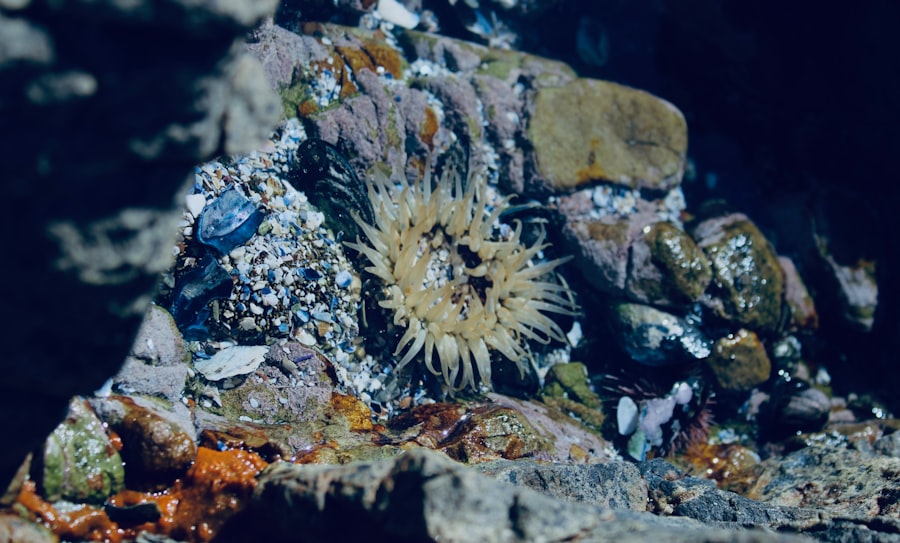
The deep ocean is a treasure trove of biodiversity, featuring creatures that defy conventional biological classifications and exhibit an astonishing array of evolutionary adaptations.
The Strange and Wonderful Creatures of the Abyss
The alien appearance of many deep-sea organisms is a direct result of their adaptations to extreme environments. These adaptations often result in unique body plans, feeding strategies, and reproductive methods.
Remarkable Adaptations in Predators and Prey
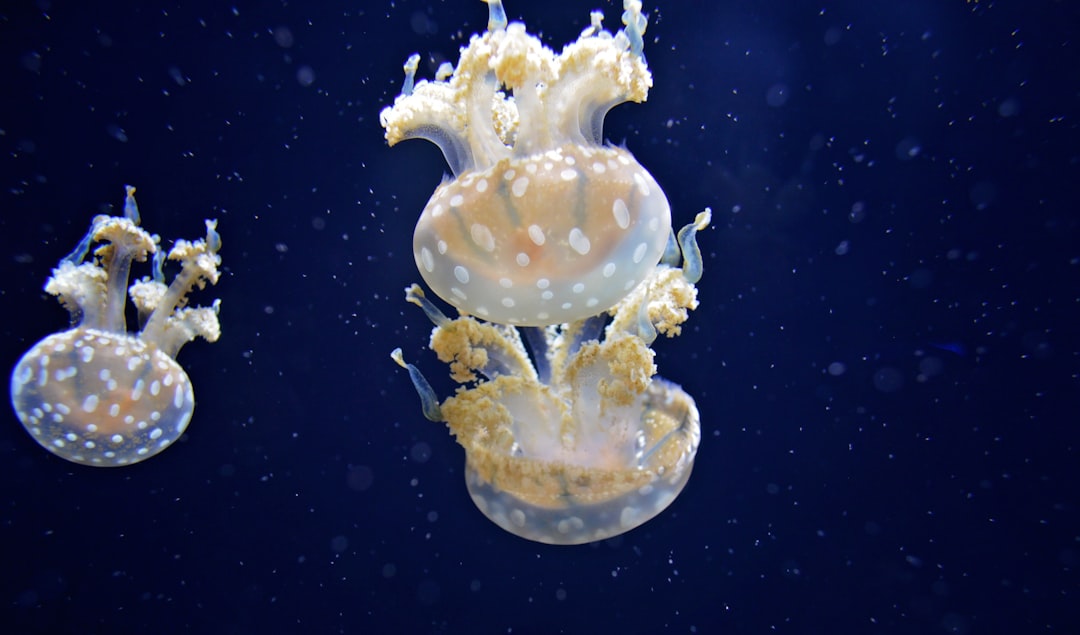
- Jellyfish with Ethereal Forms: From the graceful Atolla jellyfish with its distinctive alarm signal to the more menacing siphonophores, these gelatinous creatures have evolved diverse forms for locomotion and predation.
- The Peculiar Anglerfish: These iconic predators employ a bioluminescent esca (lure) to attract prey in the darkness. The extreme sexual dimorphism, where tiny males fuse to the much larger females, is another fascinating adaptation.
- The Barreleye Fish: Macropinna microstoma is a prime example of an organism with truly alien features. Its transparent head allows its tubular eyes to look upwards through the water, searching for the silhouettes of prey.
- The Gulper Eel: With its enormous mouth and expandable stomach, this eel can engulf prey much larger than itself, a crucial adaptation in an environment where food is scarce.
Deep-Sea Microbiomes: The Unsung Heroes
While large, charismatic creatures often capture the imagination, the microscopic life of the deep ocean is equally, if not more, important. These microbial communities play critical roles in nutrient cycling, energy transfer, and even the health of larger organisms.
Symbiotic Relationships
Many deep-sea invertebrates, including corals, sponges, and tube worms, host symbiotic bacteria within their tissues. These bacteria provide essential nutrients or help the host process toxins.
The Vast Ocean of Microbes
The sheer number and diversity of deep-sea microbes are staggering. They inhabit every niche, from the sediments on the ocean floor to the water column itself. Recent research is revealing the complex interactions within these microbial communities.
The Importance of Deep-Sea Ecosystems
These unique ecosystems, while remote, are interconnected with the rest of the planet. They play a role in carbon sequestration and the global nutrient cycle. Disturbances to these fragile environments can have far-reaching consequences.
Recent discoveries in the deep ocean have sparked intriguing discussions about the possibility of alien life existing in extreme environments similar to those found on other planets. Researchers have uncovered unique ecosystems thriving in complete darkness, relying on chemosynthesis rather than sunlight, which raises questions about the adaptability of life forms. For a deeper exploration of this fascinating topic, you can read more in this related article on the potential for extraterrestrial life in extreme conditions here.
Technological Innovations: Peering into the Unknown
| Metrics | Data |
|---|---|
| Depth of the ocean where alien life is found | Below 200 meters |
| Number of known alien species in the deep ocean | Over 500 |
| Temperature range where alien life thrives | 0°C to 40°C |
| Pressure at the depth where alien life is found | Around 200 atmospheres |
| Methods used to study alien life in the deep ocean | ROVs, submersibles, and deep-sea cameras |
Our ability to explore and understand the deep ocean has been dramatically enhanced by groundbreaking technological advancements. These innovations allow us to venture into realms previously inaccessible to humans.
The Evolution of Submersible Technology
From early bathyspheres to modern remotely operated vehicles (ROVs) and autonomous underwater vehicles (AUVs), the development of submersible technology has been crucial for deep-sea exploration.
Remotely Operated Vehicles (ROVs): The Eyes and Hands of Scientists
ROVs are tethered to a surface ship and equipped with cameras, manipulators, and scientific instruments. They allow scientists to directly observe and collect samples from the deep ocean with unprecedented precision.
Autonomous Underwater Vehicles (AUVs): The Independent Explorers
AUVs are untethered robots that can be programmed to survey large areas of the seafloor or monitor specific oceanographic conditions over extended periods. Their autonomy makes them ideal for exploring remote and challenging environments.
Human-Occupied Vehicles (HOVs): The Ultimate Direct Experience
While less common than ROVs and AUVs, human-occupied vehicles like submersibles provide a unique, firsthand experience of the deep sea. The direct observation and intuitive decision-making capabilities of human pilots are invaluable.
Advanced Imaging and Sampling Techniques
Beyond the vehicles themselves, sophisticated imaging systems and sampling methods are essential for scientific discovery.
High-Resolution Sonar and Mapping
Sonar technology allows scientists to create detailed maps of the seafloor, identifying geological features, potential vent sites, and areas of biological interest.
DNA Sequencing and Environmental DNA (eDNA)
Advances in DNA sequencing allow for the identification of species from even minute traces of genetic material found in water samples (eDNA). This is revolutionizing our understanding of biodiversity, especially in hard-to-sample environments.
High-Pressure and Low-Temperature Sampling Equipment
Specialized equipment is required to collect and preserve samples from the extreme conditions of the deep sea, ensuring that the delicate organisms and their environments are studied accurately.
The Future of Deep-Sea Exploration
The ongoing development of AI, advanced sensor technology, and miniaturized robotics promises to unlock even greater insights into the deep ocean’s mysteries. The prospect of longer-duration missions and more comprehensive data collection is exciting.
The Unanswered Questions: The Frontier of Discovery
Despite significant progress, the deep ocean remains one of the least explored regions on Earth. countless questions persist, driving ongoing scientific inquiry and fueling our fascination with this alien world.
The Origins of Life and Deep-Sea Hydrothermal Systems
The connection between deep-sea hydrothermal vents and the origins of life on Earth is a compelling area of research. Scientists are investigating whether the chemical conditions and energy sources at these vents could have provided the necessary environment for life to emerge.
Panspermia and Extraterrestrial Origins
Some theories suggest that life itself, or the building blocks of life, may have been delivered to Earth from space via comets or asteroids. The study of deep-sea extremophiles provides insights into the potential for life to survive such journeys.
The Impact of Climate Change on Deep-Sea Ecosystems
Rising global temperatures and ocean acidification are posing significant threats to even the most remote marine environments. Understanding how deep-sea ecosystems will respond to these changes is crucial for predicting their future and the health of the planet.
Ocean Acidification and Coral Bleaching
While often associated with shallow-water corals, ocean acidification can also affect deep-sea corals and other calcifying organisms, impacting their ability to build and maintain their skeletons.
Warming Waters and Shifting Species Distribution
Even in the deep, changes in temperature can lead to shifts in species distribution, affecting food webs and the overall balance of these ecosystems.
The Potential for Novel Pharmaceuticals and Bio-Inspired Technologies
The unique biochemistry of deep-sea organisms, honed by millions of years of adaptation to extreme conditions, holds immense potential for the discovery of novel pharmaceuticals, industrial enzymes, and bio-inspired technologies.
Antibiotics and Antivirals from Deep-Sea Microbes
Many deep-sea microbes produce unique compounds in their struggle for survival. These compounds are being investigated for their potential to combat antibiotic-resistant bacteria and viral infections.
Biomaterials and Industrial Applications
The structural integrity of deep-sea organisms, from the strong skeletons of corals to the flexible tissues of jellyfish, can inspire the development of new biomaterials for various industrial applications.
The Ethical Considerations of Deep-Sea Exploration and Exploitation
As our ability to access and understand the deep ocean grows, so too do the ethical considerations surrounding its potential exploitation. Issues of conservation, sustainable resource management, and the impact of human activities are paramount.
Deep-Sea Mining and its Environmental Risks
The potential for deep-sea mining of mineral resources raises serious concerns about habitat destruction, pollution, and the long-term ecological consequences for these slow-growing and vulnerable ecosystems.
Marine Protected Areas and Conservation Efforts
Establishing and enforcing marine protected areas in the deep ocean is crucial for safeguarding its biodiversity and ensuring the long-term health of these vital ecosystems.
The deep ocean, a vast and enigmatic realm, continues to unveil its wonders, challenging our understanding of life and its potential. Each discovery, from the faintest bioluminescent flicker to the most complex chemosynthetic community, pushes the boundaries of our knowledge and reminds us of the incredible adaptability and resilience of life, not just on our own planet, but potentially, among the stars.

The Deeper You Go, the Less Life Looks Like Life
FAQs
What is the deep ocean?
The deep ocean refers to the part of the ocean that is below the photic zone, where sunlight cannot penetrate. It is characterized by high pressure, low temperatures, and complete darkness.
What is the likelihood of finding alien life in the deep ocean?
The deep ocean is considered a potential habitat for alien life due to its extreme conditions and the presence of unique ecosystems. Scientists believe that the deep ocean may harbor microbial life forms that are unlike any found on the surface.
What are some of the unique adaptations of deep ocean organisms?
Deep ocean organisms have evolved unique adaptations to survive in the extreme conditions of the deep ocean, such as bioluminescence, the ability to withstand high pressure, and the ability to extract nutrients from hydrothermal vents.
How do scientists search for alien life in the deep ocean?
Scientists use a variety of methods to search for alien life in the deep ocean, including deep-sea submersibles, remotely operated vehicles (ROVs), and autonomous underwater vehicles (AUVs). They also study deep-sea sediments and hydrothermal vents for signs of microbial life.
What are the implications of discovering alien life in the deep ocean?
The discovery of alien life in the deep ocean would have profound implications for our understanding of life on Earth and the potential for life on other planets. It could also lead to new insights into the origins of life and the potential for habitable environments beyond Earth.