
The silent depths of the ocean have long held an allure for humanity, a vast and mysterious frontier. For centuries, submarines have prowled these hidden realms, their presence a constant shadow in naval strategy and global security. However, the very stealth that makes submarines formidable has also driven continuous innovation in the means of their detection. The constant game of cat and mouse between submersible craft and those tasked with finding them has spurred remarkable advancements in submarine detection technology, transforming the battlefield from a purely acoustic domain to a multi-faceted, interconnected network of sensors and analytical tools.
Submarines have transitioned from rudimentary vessels lurking in shallow waters to sophisticated platforms capable of operating for extended periods beneath the surface, launching advanced weaponry, and exerting significant strategic influence. This evolution has been driven by a confluence of factors, including advancements in materials science, propulsion systems, and sonar technology within the submarines themselves. Consequently, the imperative to detect these elusive craft has never been greater, demanding a sophisticated and adaptive approach from naval forces worldwide.
The Strategic Imperative in a Modern World
In an era of heightened geopolitical tensions and a resurgence of global power competition, the ability to track and counter submarine threats is paramount. Submarines can pose a significant risk to vital sea lanes, nuclear deterrence, and the projection of power. Their silent operation can disrupt reconnaissance efforts, bypass traditional air and surface patrols, and deliver significant offensive capabilities with a degree of surprise. Therefore, understanding the nuances of modern submarine operations is crucial for developing effective countermeasures. The strategic imperative is not merely about finding a submarine; it is about understanding its intent, its capabilities, and its potential impact on regional and global stability.
The Silent Service: A Growing Challenge
The very nature of the “silent service” makes detection an inherent challenge. Modern submarines employ an array of noise reduction techniques, from advanced hull treatments and acoustic baffling to quiet propulsion systems like air-independent propulsion (AIP) and even nuclear power. These innovations dramatically reduce their acoustic signature, making them incredibly difficult to distinguish from the ambient noise of the ocean. This persistent push for silence necessitates a corresponding push for more sensitive and sophisticated detection methods. The ocean is a noisy place, filled with the sounds of marine life, geological activity, and the constant churn of waves. Identifying a man-made intrusion within this cacophony requires technologies that can filter, analyze, and amplify faint signals, often buried within overwhelming background noise.
Multi-Domain Operations and the Need for Integrated Detection
Modern naval warfare is increasingly characterized by multi-domain operations, where actions across the sea, air, land, and cyber domains are coordinated to achieve strategic objectives. Submarine detection, therefore, is no longer an isolated task but an integral component of a larger, interconnected intelligence picture. The challenge is to integrate data from diverse sensor platforms – surface vessels, aircraft, satellites, and even underwater arrays – to create a comprehensive and actionable understanding of the undersea environment. This necessitates robust data fusion and analysis capabilities, allowing disparate pieces of information to be synthesized into a coherent tactical picture.
Submarine detection technology has advanced significantly in recent years, with innovations in sonar and satellite surveillance playing crucial roles in enhancing maritime security. For a deeper understanding of the latest developments in this field, you can read a related article that explores various detection methods and their implications for naval operations. To learn more, visit Freaky Science.
Advancements in Acoustic Detection Technologies
For decades, passive and active sonar have been the bedrock of submarine detection. However, continuous refinement and the development of entirely new approaches have significantly enhanced their effectiveness. The traditional parabolic microphone, while still in use, has been augmented and in many cases surpassed by highly sophisticated digital systems capable of processing and analyzing vast amounts of acoustic data.
Passive Sonar Enhancements: Listening to the Deep
Passive sonar systems listen for sounds generated by submarines, such as engine noise, propeller cavitation, and machinery vibrations.
Improved Hydrophone Sensitivity and Array Design
The sensitivity of individual hydrophones, the underwater microphones, has been dramatically improved. Newer materials and manufacturing processes allow for the capture of fainter acoustic signals. Furthermore, the design of sonar arrays – collections of hydrophones – has become more sophisticated. Long, towed arrays, often stretching for hundreds of meters, can pick up incredibly subtle sounds over vast distances. These arrays are designed to minimize self-noise generated by the towing vessel and optimize the reception of distant, faint signals. The ability to differentiate between the myriad sounds produced by a submarine and the natural resonance of the ocean is a testament to advancements in signal processing.
Advanced Signal Processing and Machine Learning
The sheer volume of acoustic data generated by modern sonar systems is staggering. Advanced signal processing algorithms are crucial for filtering out noise, identifying specific acoustic signatures, and classifying potential threats. This is where artificial intelligence and machine learning are playing an increasingly transformative role.
- Signature Recognition: Machine learning algorithms can be trained to recognize the unique acoustic fingerprints of different submarine classes. This allows for rapid identification and classification, even if the submarine is employing countermeasures.
- Noise Reduction Algorithms: Sophisticated algorithms can effectively isolate faint submarine sounds from the background ocean noise. Techniques like adaptive filtering and spectral analysis are employed to enhance the signal-to-noise ratio.
- Data Fusion from Multiple Platforms: Increasingly, passive sonar data is fused with information from other sensor types, creating a more robust detection picture. For example, a faint acoustic contact might be correlated with suspicious non-acoustic signatures detected by other means.
Active Sonar Evolution: Pinging the Depths with Precision
Active sonar emits sound pulses and analyzes the returning echoes to determine the presence, location, and characteristics of submerged objects.
Low-Frequency Active Sonar (LFAS) and Its Advantages
Low-frequency active sonar, operating at much lower frequencies than traditional systems, offers several advantages for submarine detection.
- Extended Range: Lower frequencies propagate further in the ocean, allowing for detection at greater distances. This is particularly important in the vastness of oceanic environments.
- Penetration Capabilities: LFAS can penetrate the seabed to a certain extent, potentially detecting submarines that are using the seabed for concealment or are operating at very shallow depths.
- Reduced Susceptibility to Jamming: Lower frequencies can be less susceptible to certain types of electronic countermeasures.
Advanced Transducer Technology and Directional Control
New transducer materials and designs have led to more powerful and efficient active sonar systems.
- Beamforming: Modern active sonar systems can precisely control the direction and shape of the sonar beam, allowing for focused ensonification of specific areas and minimizing the spread of acoustic energy. This improves the accuracy of localization and reduces the chance of detection by the target submarine.
- Frequency Agility: The ability to rapidly change the transmitted frequency can overwhelm the target’s acoustic countermeasures and enhance the probability of obtaining a strong echo.
Non-Acoustic Detection Methods: Beyond Sound
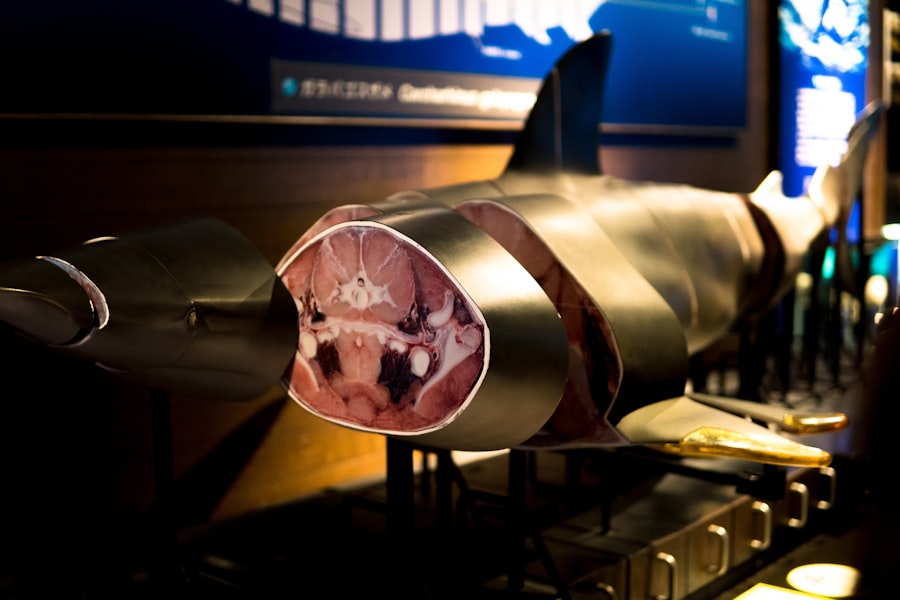
While acoustics remain central, the limitations of sonar alone have driven considerable investment in non-acoustic detection technologies. These methods exploit various physical phenomena that submarines, despite their stealth, inevitably produce.
Magnetic Anomaly Detection (MAD): Sensing the Ocean’s Magnetic Field
Submarines, being large metallic objects, disturb the Earth’s magnetic field. Magnetic Anomaly Detectors (MAD) are designed to sense these subtle disturbances.
Advanced MAD Sensors and Airborne Platforms
MAD sensors are highly sensitive magnetometers.
- Increased Sensitivity and Reduced Noise: Modern MAD sensors boast significantly improved sensitivity and are better at rejecting external magnetic noise, allowing for the detection of smaller magnetic anomalies.
- Integration with Airborne Platforms: MAD systems are commonly deployed on aircraft (like patrol planes and helicopters), which can fly low over suspected submarine operating areas. The aircraft’s altitude allows for a wide search pattern.
- Data Interpretation and Signal Enhancement: Sophisticated algorithms are used to filter out geological magnetic variations and pinpoint actual submarine-induced anomalies.
Wake Detection Technologies: Tracking the Submarine’s Trail
Submarines, as they move through the water, leave subtle traces or wakes that can be detected.
Optical Wake Detection and Imaging Sonar
The physical disturbance of water by a submarine can manifest in various ways that can be detected visually or with specialized sensors.
- Optical Imaging: In clear, shallow waters, the wake or turbulence caused by a submarine’s passage can sometimes be detected with high-resolution optical sensors, especially when looking for disruptions in the water surface or changes in light scattering.
- Garbage Patch Detection: Sometimes described as “garbage patches,” these are areas of disturbed water where a submarine has recently passed. Advanced imaging sonar, particularly synthetic aperture sonar (SAS), can create detailed maps of the seabed and detect subtle disturbances that might indicate a submerged object or its wake.
Chemical and Biological Sensors
The passage of a submarine can also release minute traces of chemicals or affect marine life in subtle ways.
- Trace Chemical Detection: While still largely experimental, research is ongoing into sensors that can detect minute traces of chemicals released by submarine machinery or hull coatings.
- Bio-Acoustic Signatures: Some marine animals react to the presence of submarines. Detecting these altered bio-acoustic patterns could provide indirect clues.
Advanced Surveillance and Reconnaissance (AS&R) Technologies
Satellite imagery and other advanced surveillance methods are increasingly being used to gather intelligence that can indirectly support submarine detection efforts.
Satellite-Based Detection and Oceanographic Monitoring
Satellites equipped with sophisticated sensors can provide a broad overview of oceanic activity.
- Optical and Radar Imaging: High-resolution optical and radar satellites can detect changes in the ocean surface, such as unusual wakes or thermal anomalies, that might be indicative of submarine activity. This is particularly effective in detecting submarines operating at periscope depth or surfacing.
- Oceanographic Data Fusion: By combining satellite-derived data on sea state, temperature, and currents with other sensor inputs, patterns can be identified that might point to the presence or recent passage of a submarine.
Unmanned Systems (UxVs) in Submarine Detection
The proliferation of unmanned vehicles, both in the air and underwater, is revolutionizing submarine detection.
Unmanned Aerial Vehicles (UAVs) for AS&R and MAD
UAVs can carry a range of sensors, including MAD equipment and advanced optical/radar systems, to conduct persistent surveillance over vast ocean areas. Their ability to operate autonomously and for extended periods makes them ideal for reconnaissance missions.
Unmanned Underwater Vehicles (UUVs) for Persistent Acoustic and Non-Acoustic Monitoring
UUVs are increasingly being equipped with sophisticated sonar arrays, MAD sensors, and other detection technologies. They can operate autonomously for weeks or months, forming distributed sensor networks on the seabed or patrolling designated areas. This allows for persistent, localized monitoring that complements the capabilities of surface vessels and aircraft.
Data Fusion and Networked Detection: The Future of Undersea Surveillance
The most significant paradigm shift in submarine detection is the move towards integrated, networked systems. No single sensor is infallible; therefore, combining data from multiple sources creates a more robust and accurate detection picture.
Integrated Sensor Networks and Command & Control Systems
The future of submarine detection lies in the seamless integration of data from a multitude of disparate sensors.
Real-Time Data Sharing and Processing
Modern naval forces are developing sophisticated command and control systems that can ingest data from all available sources in real-time. This allows for immediate situational awareness and rapid response.
- Common Operating Picture (COP): A unified display that integrates all sensor data, providing operators with a comprehensive understanding of the operational environment.
- Automated Threat Assessment: AI-powered systems can analyze the fused data to automatically identify potential threats and provide actionable intelligence to commanders.
The Role of Artificial Intelligence (AI) and Big Data Analytics
AI and big data analytics are not just enhancing individual sensors; they are vital for making sense of the overwhelming amounts of data generated by networked systems.
- Pattern Recognition and Anomaly Detection: AI algorithms can identify subtle patterns and deviations from normal oceanic conditions that might indicate submarine activity, even when individual sensor readings are ambiguous.
- Predictive Analysis: By analyzing historical data and current trends, AI can also be used to predict likely submarine operating areas or routes.
Distributed and Persistent Surveillance Concepts
The concept of a static surveillance network is being replaced by a dynamic, distributed, and persistent approach.
Seabed Acoustic Arrays and Ocean Observatories
Permanent or semi-permanent arrays of hydrophones deployed on the seabed provide continuous acoustic monitoring of critical areas. These “underwater ears” can detect even the faintest sounds over long periods.
Mobile and Adaptable Sensor Platforms
The reliance on fixed installations is being supplemented by a growing fleet of mobile and adaptable sensor platforms, including UUVs, autonomous surface vessels (ASVs), and advanced aircraft. This allows for flexible deployment and adaptation to changing operational requirements.
Recent advancements in submarine detection technology have significantly enhanced naval capabilities, allowing for more effective monitoring of underwater threats. For those interested in exploring this topic further, a related article discusses the latest innovations and their implications for maritime security. You can read more about these developments in the field by visiting this article, which provides valuable insights into the future of underwater surveillance.
Challenges and Future Directions in Submarine Detection
| Technology | Advantages | Disadvantages |
|---|---|---|
| Sonar | Effective in detecting submarines at long ranges | Can be affected by ocean noise and acoustic conditions |
| Magnetic Anomaly Detection (MAD) | Can detect submarines by sensing disturbances in the Earth’s magnetic field | Limited range and sensitivity |
| Acoustic Sensors | Can detect submarines by listening for their noise emissions | Dependent on the submarine’s noise level and acoustic environment |
Despite the remarkable progress, significant challenges remain in the ongoing race to detect submarines. The adaptive nature of submarine technology means that detection methods must constantly evolve.
The Challenge of Counter-Detection and Deception
Submarine operators are not passive; they actively employ strategies to avoid detection.
Advanced quieting technologies and stealth materials
Submarines continue to push the boundaries of acoustic quieting through improved hull designs, advanced anechoic coatings, and even more sophisticated propulsion systems. The development of materials with extremely low acoustic reflectivity remains an area of intense research.
Active and passive deception techniques
Submarines may employ decoys, acoustic jamming, or other electronic warfare techniques to mislead or confuse enemy sensors. The ability to discriminate between genuine contacts and deceptive measures is a growing challenge.
Overcoming Environmental Factors
The ocean is a dynamic and complex environment that can significantly impact sensor performance.
The complexity of the Underwater Environment
Factors such as varying water temperatures, salinity, and currents can create “acoustic ducting” that bends sound waves, leading to false positives or missed detections. The seabed topography also plays a significant role in sound propagation.
The impact of ambient noise
The ocean is a naturally noisy place, filled with the sounds of marine life, weather, and human activity. Differentiating a faint submarine signature from this pervasive background noise is a constant challenge.
Future Research and Development Horizons
The pursuit of superior submarine detection technologies will undoubtedly continue to drive innovation in several key areas.
Advanced Materials Science for Sensor Development
The development of new materials with enhanced piezoelectric properties for hydrophones, improved magnetic permeability for MAD sensors, and stealth characteristics for platforms will be crucial.
Next-Generation AI and Quantum Sensing
The integration of more advanced AI algorithms, including deep learning and reinforcement learning, will further refine data analysis and prediction capabilities. Furthermore, early research into quantum sensing technologies holds the promise of unprecedented sensitivity in magnetic and inertial sensing, which could revolutionize submarine detection in the future.
Enhanced Networked and Autonomous Systems
The trend towards fully autonomous and interconnected sensor systems will continue, with an emphasis on self-healing networks and intelligent decision-making at the edge. The goal is to create a truly pervasive and adaptive undersea surveillance capability.
In conclusion, the advancement of submarine detection technology is a testament to human ingenuity and the relentless pursuit of security in an ever-evolving global landscape. From the subtle whispers picked up by highly sensitive hydrophones to the vast data lakes analyzed by sophisticated artificial intelligence, the sophisticated array of tools at our disposal represents a significant leap forward. As submarines become increasingly sophisticated in their stealth, so too will the technologies designed to unveil them. The silent depths of the ocean remain a realm of challenge and discovery, and the ongoing innovation in submarine detection is a vital and dynamic frontier in safeguarding maritime security.

The Secret Ocean Layer That Lets Sound Travel for Thousands of Miles
FAQs
What is submarine detection technology?
Submarine detection technology refers to the various methods and technologies used to detect the presence of submarines underwater. This can include sonar systems, magnetic anomaly detection, and other acoustic and non-acoustic methods.
How does sonar technology work in submarine detection?
Sonar technology uses sound waves to detect objects underwater. A sonar system emits sound pulses and then listens for the echoes as the sound waves bounce off objects in the water. By analyzing the time it takes for the sound waves to return and the direction from which they come, sonar can detect and locate submarines.
What is magnetic anomaly detection in submarine detection technology?
Magnetic anomaly detection (MAD) is a technology that detects disturbances in the Earth’s magnetic field caused by the presence of a submarine’s metal hull. MAD systems are used to passively detect submarines by measuring and analyzing these magnetic anomalies.
What are some other methods used in submarine detection technology?
In addition to sonar and magnetic anomaly detection, other methods used in submarine detection technology include acoustic detection, seismic sensors, and hydrophones. These technologies can be used individually or in combination to improve the accuracy of submarine detection.
How important is submarine detection technology for national security?
Submarine detection technology is crucial for national security, as it allows naval forces to detect and track enemy submarines, which are often used for covert operations and strategic military purposes. Effective submarine detection technology helps to protect maritime borders and maintain naval superiority.