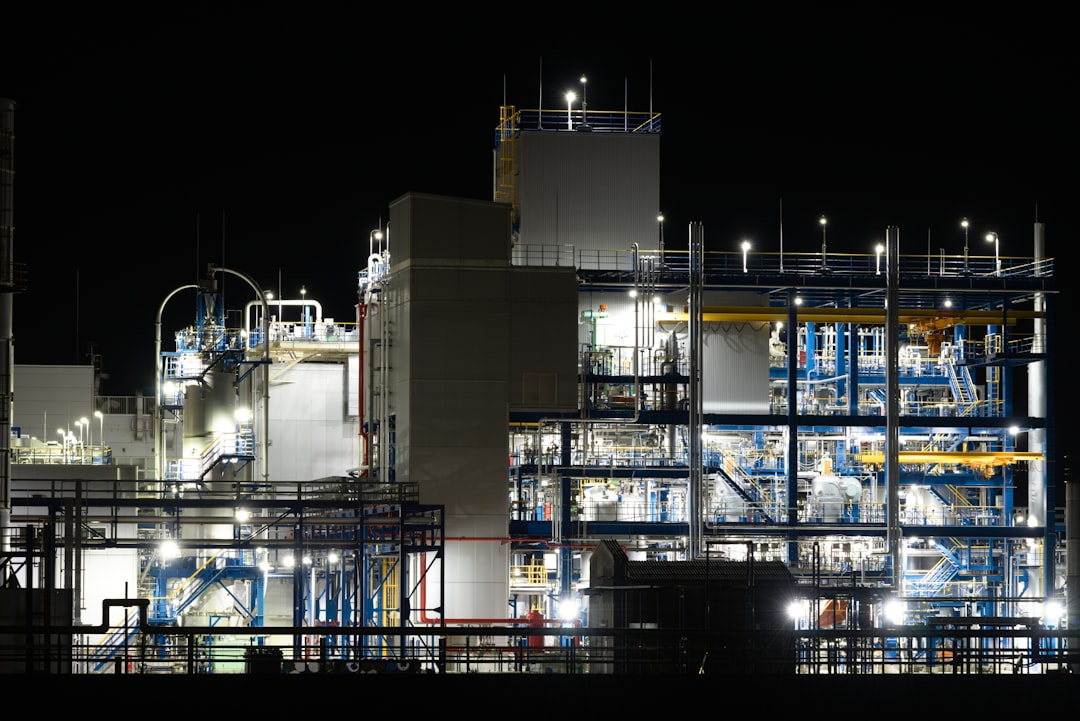
You’re standing at the precipice of a critical engineering challenge: designing and operating high-pressure ammonia reactors. This isn’t a task for the faint of heart, nor for those who shy away from complexity. You’re dealing with environments where immense forces are at play, where temperatures can soar, and where the very safety of your operation hinges on your meticulous attention to detail. This article is your guide, your trusted companion as you navigate the intricate world of advanced engineering for these demanding machines.
Your journey begins with a deep, visceral understanding of the environment you’re working within. High-pressure ammonia reactors operate under conditions that push the boundaries of material science and process control. It’s not simply about containing a gas; it’s about managing a volatile chemical under duress.
Thermodynamics: The Driving Force
The Haber-Bosch process, the bedrock of industrial ammonia production, is a classic example of exploiting thermodynamics to achieve a desired outcome. You’re orchestrating a delicate balance of high temperatures and pressures to shift the equilibrium of the nitrogen-hydrogen reaction towards ammonia formation.
Equilibrium Considerations
You know that the synthesis of ammonia from nitrogen and hydrogen is an exothermic, reversible reaction: N₂(g) + 3H₂(g) ⇌ 2NH₃(g) + heat. According to Le Chatelier’s principle, higher pressures favor the product side (ammonia), as there are fewer moles of gas on the product side. Conversely, lower temperatures favor the exothermic reaction, leading to higher ammonia yields. However, reaction kinetics become prohibitively slow at very low temperatures. This is where your engineering expertise comes into play. You must find the sweet spot – a temperature and pressure combination that provides a reasonable reaction rate and an acceptable equilibrium conversion. You’ll be analyzing equilibrium constants (K_p) at various temperatures and pressures, and you’ll be meticulously calculating the Gibbs free energy to predict the feasibility of the reaction. Your understanding of phase diagrams for the ammonia-hydrogen-nitrogen system will be crucial in predicting potential condensation issues or phase changes that could impact reactor performance and safety.
Kinetics and Reaction Rates
While thermodynamics dictates the theoretical maximum yield, it’s the kinetics that determine how quickly you achieve it. You’re not just trying to get ammonia; you need to produce it efficiently. This involves understanding the activation energy of the reaction and how it’s influenced by temperature, pressure, and the presence of your catalyst. You’ll be working with rate equations, looking at how concentrations of reactants and products change over time, and how this impacts your residence time requirements within the reactor. The effectiveness of your catalyst – its surface area, pore structure, and resistance to deactivation – will be a direct driver of your reactor’s throughput. You’ll be simulating reaction kinetics, perhaps using computational fluid dynamics (CFD) coupled with chemical kinetics models, to optimize flow patterns and ensure sufficient contact time between reactants and the catalyst.
Chemical Properties of Ammonia and Reactants
Ammonia itself, and the reactants (nitrogen and hydrogen), possess specific chemical properties that you must account for. These aren’t inert substances; they have corrosive tendencies, flammability risks, and can form undesirable byproducts.
Corrosivity at High Temperatures and Pressures
You’re acutely aware that at the elevated temperatures and pressures within your reactor, materials can behave differently. Hydrogen embrittlement is a significant concern. Hydrogen atoms can diffuse into the crystal lattice of metals, reducing their ductility and making them susceptible to brittle fracture. You’ll be scrutinizing material selection charts, consulting metallurgical experts, and performing corrosion rate tests under simulated reactor conditions. The presence of impurities, such as water or sulfur compounds, can exacerbate corrosion issues, forming aggressive species like ammonium bisulfide or carbamates, which can severely attack reactor internals. Your understanding of electrochemical corrosion mechanisms in high-temperature, high-pressure hydrogen environments will be paramount.
Flammability and Explosion Hazards
Ammonia, while not as flammable as some other gases, forms explosive mixtures with air over a wide range of concentrations. You must implement robust safety protocols to prevent leaks and to manage potential ignition sources. Your risk assessments will include detailed HAZOP (Hazard and Operability) studies, identifying potential deviations from normal operating conditions that could lead to a hazardous situation. You’ll be designing in safety interlocks, emergency shutdown systems, and robust ventilation to mitigate any accidental releases. Inerting procedures during startup and shutdown, using nitrogen or other inert gases, will be a critical part of your safety strategy to prevent the formation of flammable mixtures.
Impurity Formation and Management
Even with pure feedstocks, side reactions can occur. The formation of nitrides, particularly with certain metals at high temperatures, can lead to material degradation. The presence of carbon from hydrocarbon feedstocks can lead to the formation of carbonaceous deposits on the catalyst, a phenomenon known as coking, which reduces catalyst activity. You’ll be analyzing potential impurity sources in your feed gas, understanding their chemical reactions under reactor conditions, and designing purification steps or catalyst regeneration strategies to manage their impact. Your analytical chemistry skills will be put to the test as you monitor for these impurities in your product stream and internal reactor environment.
High pressure ammonia reactor engineering is a critical area of study in chemical engineering, particularly in the production of ammonia through the Haber-Bosch process. For those interested in exploring this topic further, a related article can be found at Freaky Science, which delves into the innovative techniques and technologies being developed to enhance the efficiency and safety of ammonia reactors. This resource provides valuable insights into the challenges and advancements in the field, making it a great read for engineers and researchers alike.
Advanced Material Selection
The heart of your high-pressure ammonia reactor lies in its materials of construction. Standard materials simply won’t cut it. You need alloys that can withstand the relentless assault of high temperatures, pressures, and the corrosive nature of the reactants and product.
High-Strength Steels and Alloys
You’re looking for materials that offer exceptional tensile strength and creep resistance at elevated temperatures.
Austenitic Stainless Steels
These steels, often containing nickel and chromium, provide good corrosion resistance and strength. You’ll be examining specific grades like 304L, 316L, and their higher-alloyed counterparts for specific applications. Your understanding of their phase diagrams and how alloying elements influence their mechanical properties at high temperatures will be crucial. You’ll be focusing on their resistance to hydrogen attack, particularly in the presence of steam or other reactive species. Fatigue resistance under cyclic pressure and temperature changes will also be a key consideration, especially for components like flanges and closures.
Nickel-Based Superalloys
For the most demanding sections of the reactor, where temperatures and pressures are at their peak, nickel-based superalloys become essential. These materials, with their high nickel content and additions of elements like chromium, molybdenum, and cobalt, offer superior strength and oxidation resistance at extreme temperatures. You’ll be investigating specific alloys like Inconel® or Hastelloy® and understanding their performance characteristics through extensive material testing. Their ability to resist hydrogen embrittlement and stress corrosion cracking in the harsh reactor environment will be meticulously evaluated.
Refractory Metals and Ceramics
In certain extreme applications or for specific components, you might even consider materials that were once confined to more exotic applications.
Molybdenum and Tungsten Alloys
These refractory metals possess incredibly high melting points and excellent strength at very high temperatures. While often expensive and challenging to fabricate, they can be indispensable for certain internal reactor components or specialized catalyst supports where conventional alloys fail. Your knowledge of their mechanical properties, oxidation resistance (which can be a limitation), and fabrication techniques will be critical if you consider these options.
Advanced Ceramics
Ceramics, with their inherent high-temperature stability and chemical inertness, can play a role in specialized applications like catalyst supports, insulation, or even coatings for critical components. You’ll be exploring advanced ceramics like alumina, silicon carbide, or zirconia, understanding their brittle nature, but also their exceptional resistance to chemical attack and thermal shock. Your design will need to carefully manage the stresses to avoid catastrophic failure due to their brittle fracture characteristics.
Welding and Fabrication Techniques
Simply selecting the right material isn’t enough. You must ensure that your fabrication processes maintain the integrity of these advanced materials.
Specialized Welding Procedures
Welding high-strength steels and nickel-based alloys requires precise control of heat input, shielding gases, and filler materials to avoid creating brittle zones or introducing contaminants. You’ll be working with qualified welding procedures (WPS) and ensuring that your welders are certified for these specific materials and processes. Understanding the metallurgy of the weld zone, including potential for sensitization or segregation of alloying elements, will be crucial for ensuring long-term performance.
Post-Weld Heat Treatment (PWHT)
Proper post-weld heat treatment is often essential to relieve residual stresses, temper martensitic structures, and improve the overall mechanical properties of the welded joints. You’ll be specifying precise temperature profiles and holding times, and you’ll be verifying the effectiveness of PWHT through hardness testing and microstructural analysis. Failure to properly implement PWHT can lead to premature cracking or component failure.
Reactor Design Philosophies

The fundamental design of your ammonia reactor is a critical decision that will influence everything from its efficiency to its safety. You have several established philosophies to consider, each with its own advantages and challenges.
Fixed-Bed Reactors
This is a common and well-established design where the catalyst is packed into stationary beds within the reactor vessel. You’re essentially creating a continuous flow path through a porous solid.
Catalyst Loading and Unloading
You need to consider the ease and safety of loading and unloading the catalyst. This often involves specific procedures for purging the vessel, isolating sections, and ensuring no hazardous atmospheres are present. The physical form of the catalyst (pellets, rings, etc.) will influence how it packs and how efficiently gas flows through it.
Heat Management in Fixed Beds
The exothermic nature of the ammonia synthesis reaction means that significant heat is generated within the catalyst bed. Managing this heat is paramount to prevent catalyst sintering, thermal runaway, and to maintain optimal reaction temperatures.
Multi-Tubular Reactors
In multi-tubular designs, the catalyst is packed into numerous tubes surrounded by a cooling medium (often a heat transfer fluid or steam generation). This offers excellent temperature control by efficiently removing the reaction heat. You’ll be designing for uniform flow distribution across all tubes and ensuring efficient heat transfer to the cooling medium. Managing thermal expansion and contraction of the tubes is a key design consideration.
Adiabatic Reactors with Interstage Cooling
In this approach, the gas passes through a series of catalyst beds, with cooling occurring between each bed. This allows for simpler reactor construction but requires careful selection of operating temperatures and pressures to maintain acceptable conversion in each stage. You’ll be meticulously calculating the temperature rise across each bed and designing efficient interstage heat exchangers.
Moving-Bed Reactors
Here, the catalyst is in constant motion, flowing through the reactor while reactants are introduced. This offers advantages in terms of continuous catalyst regeneration and consistent activity.
Catalyst Circulation Systems
You’ll be designing robust systems for circulating the catalyst, often using gas lift or mechanical conveying. Ensuring the catalyst is not unduly abraded or damaged during circulation is a key consideration. Wear-resistant materials will be crucial for the circulating components.
Catalyst Deactivation and Regeneration
One of the primary advantages of moving-bed reactors is the ability to continuously remove deactivated catalyst and replace it with fresh material, or to regenerate the catalyst in situ. You’ll be designing efficient mechanisms for catalyst withdrawal and fresh catalyst addition, as well as considering the integration of a separate regeneration unit.
Fluidized-Bed Reactors
In a fluidized-bed reactor, the catalyst particles are suspended in a fluid stream, creating a turbulent, fluid-like motion. This offers excellent heat and mass transfer characteristics.
Particle Size and Fluidization Velocity
The size and density of your catalyst particles, combined with the superficial velocity of the gas, will determine whether you achieve stable fluidization. You’ll be using established correlations to predict the minimum fluidization velocity and to ensure proper bed expansion. Issues like slugging or channeling can disrupt fluidization and negatively impact performance.
Entrainment and Cyclones
Fine catalyst particles can be entrained by the fluidizing gas and carried out of the reactor. You’ll need to design efficient cyclone separators to capture these particles and return them to the bed, minimizing catalyst loss.
Process Control and Safety Systems
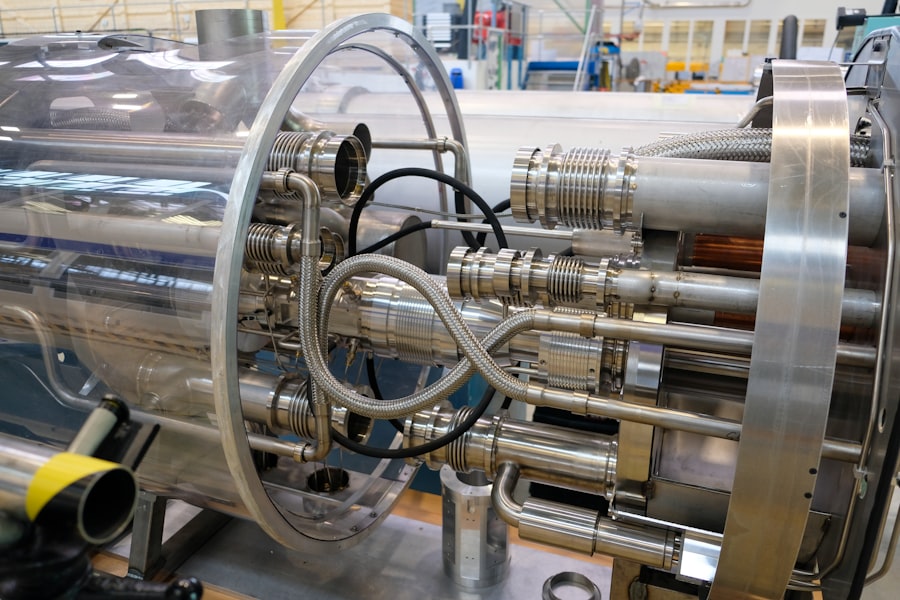
Operating a high-pressure ammonia reactor is a continuous balancing act. Robust process control and an unwavering commitment to safety are not optional; they are fundamental requirements.
Advanced Instrumentation and Monitoring
You need real-time, accurate data to understand what’s happening inside your reactor at all times.
Pressure and Temperature Sensors
High-accuracy, high-temperature pressure transducers and thermocouples are essential. You’ll be selecting sensors that are resistant to hydrogen embrittlement and can withstand the corrosive environment. Redundant instrumentation will be a common feature to ensure reliability.
Gas Composition Analyzers
Online gas chromatographs (GCs) or mass spectrometers are vital for monitoring the composition of feed gases, intermediate streams, and the final product. This allows you to track conversion, identify impurities, and detect any process deviations. Your understanding of calibration procedures and spectral analysis will be crucial.
Flow Measurement Devices
Precise measurement of gas flow rates for reactants, products, and any purge streams is critical for material balances and process control. You’ll be selecting flow meters appropriate for high-pressure, potentially corrosive gases, such as Coriolis meters or thermal mass flow meters.
Safety Instrumented Systems (SIS)
These are your ultimate safety net, designed to bring the process to a safe state in the event of an emergency.
Emergency Shutdown (ESD) Systems
Your ESD system will be designed to quickly and safely shut down the reactor and associated equipment in response to critical deviations in process parameters. This includes automatic valve closures, depressurization systems, and emergency venting. You’ll be working with international standards like IEC 61511 to ensure the integrity and reliability of your SIS.
Pressure Relief Systems
Pressure relief valves (PRVs) and rupture discs are critical safeguards against over-pressurization. You’ll be performing detailed hydraulic calculations to size these devices correctly and ensure they can safely discharge the maximum credible release. Understanding the fluid dynamics of relief discharge and potential for two-phase flow will be important.
Hazard Analysis and Risk Management
Proactive identification and mitigation of potential hazards are ongoing processes.
HAZOP and LOPA Studies
Hazard and Operability (HAZOP) studies systematically identify potential hazards and operability problems. Layers of Protection Analysis (LOPA) builds on HAZOP to quantify the risk and determine if sufficient independent protection layers are in place. You’ll be actively participating in these studies, bringing your intimate knowledge of the reactor system to bear.
Emergency Preparedness and Response
You must have well-defined emergency procedures, including evacuation plans, spill containment strategies, and communication protocols. Regular drills and training for your operations and emergency response teams are essential to ensure they can react effectively under pressure.
High pressure ammonia reactor engineering is a critical area of research that focuses on optimizing the synthesis of ammonia, a key component in fertilizers and various industrial processes. For those interested in exploring this topic further, a related article provides valuable insights into the latest advancements and methodologies in reactor design. You can read more about these innovations in the field by visiting this informative article, which delves into the challenges and solutions faced by engineers working with high pressure systems.
Operational Excellence and Maintenance
| Metrics | Data |
|---|---|
| Temperature | 400-500°C |
| Pressure | 100-300 bar |
| Catalyst | Iron-based catalyst |
| Conversion | Above 99% |
| Reactor Type | Tubular reactor |
The design and construction are only the beginning. True engineering excellence lies in maintaining optimal performance and ensuring the longevity of your high-pressure ammonia reactor.
Startup and Shutdown Procedures
These are often the most critical phases for material integrity and safety. You’ll be developing detailed step-by-step procedures to gradually bring the reactor to operating temperature and pressure, or to safely cool it down, minimizing thermal stresses and preventing uncontrolled reactions.
Purging and Inerting
Thorough purging with inert gases like nitrogen is essential before introducing reactants or during shutdowns to eliminate flammable mixtures and prevent oxidation. Your understanding of purge gas flow rates and hold times will be crucial for effective purging.
Controlled Ramp-Up and Cool-Down
Gradual increases and decreases in temperature and pressure are vital to avoid thermal shock and excessive stress on materials. You’ll be monitoring material temperatures closely and adhering to strict ramp rates.
Catalyst Management and Optimization
Your catalyst is the engine of your reactor. Its performance directly impacts your production.
Catalyst Activity Monitoring
You’ll be tracking catalyst activity through product analysis and process performance data. Deviations can indicate deactivation, poisoning, or physical degradation.
Catalyst Regeneration and Replacement Strategies
Based on activity monitoring, you’ll implement strategies for catalyst regeneration (if applicable) or schedule timely replacement to maintain optimal production efficiency. The cost-benefit analysis of regeneration versus replacement will be a key decision factor.
Predictive and Preventative Maintenance
Shifting from reactive repairs to proactive maintenance is key to minimizing downtime and preventing costly failures.
Non-Destructive Testing (NDT)
Regular inspections using techniques like ultrasonic testing (UT), radiography, or eddy current testing (ECT) are essential to detect internal flaws, cracks, or corrosion in the reactor vessel and piping without damaging the equipment.
Vibration Analysis and Thermography
Monitoring for unusual vibrations or temperature anomalies can indicate developing mechanical issues within rotating equipment (like compressors) or localized hot spots within the reactor itself, signaling potential problems before they become critical.
You are now equipped with a comprehensive understanding of the advanced engineering principles that govern high-pressure ammonia reactors. This knowledge is your foundation for designing, operating, and maintaining these critical pieces of industrial infrastructure safely and efficiently. Remember, continuous learning and a commitment to best practices are your most valuable assets in this demanding yet rewarding field.

We Figured Out How to Turn Air Into Food
FAQs
What is a high pressure ammonia reactor?
A high pressure ammonia reactor is a chemical reactor used in the production of ammonia through the Haber-Bosch process. It operates at high pressures and temperatures to facilitate the synthesis of ammonia from nitrogen and hydrogen gases.
What is the engineering involved in a high pressure ammonia reactor?
The engineering of a high pressure ammonia reactor involves designing and constructing a vessel capable of withstanding high pressures, typically in the range of 100-300 atmospheres. It also requires the use of materials and components that can withstand the corrosive nature of ammonia synthesis.
What are the key considerations in designing a high pressure ammonia reactor?
Key considerations in designing a high pressure ammonia reactor include material selection, pressure vessel design, heat exchange systems, safety features, and control systems. The reactor must also be designed to optimize the conversion of nitrogen and hydrogen into ammonia while minimizing energy consumption and environmental impact.
What are the challenges in operating a high pressure ammonia reactor?
Challenges in operating a high pressure ammonia reactor include maintaining the integrity of the pressure vessel, managing high temperatures and pressures, ensuring the safety of personnel, and controlling the synthesis process to achieve high conversion rates and product purity.
What are the applications of high pressure ammonia reactors?
High pressure ammonia reactors are used in the production of ammonia, which is a key component in the production of fertilizers, explosives, and various chemical processes. The ability to efficiently produce high-purity ammonia is essential for meeting global demand for agricultural and industrial applications.