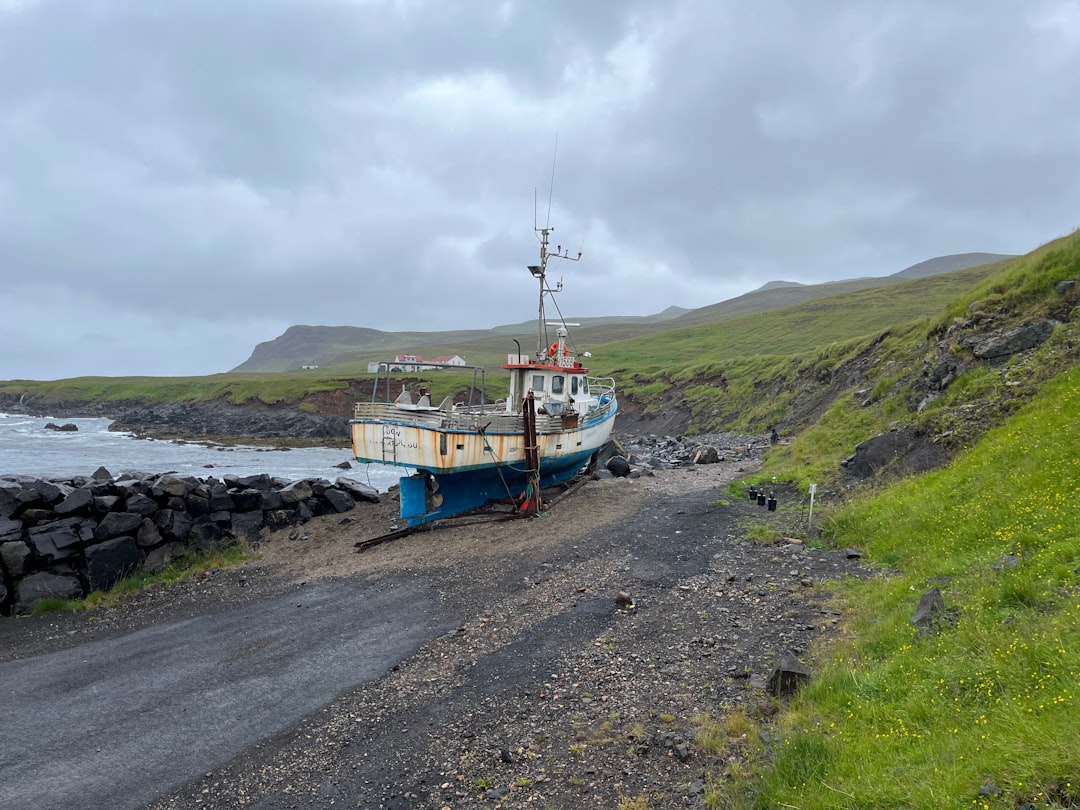
Iceland, an island nation perched at the confluence of the North Atlantic and Arctic Oceans, has long depended on its rich marine resources. Fishing is not merely an industry here; it is woven into the very fabric of Icelandic identity, a cornerstone of its economy and a defining feature of its cultural heritage. However, the seas around Iceland are dynamic environments, constantly subject to natural fluctuations and, increasingly, anthropogenic pressures. This necessitates a perpetual process of adaptation within its fisheries, a complex dance between exploitation and conservation, economic viability and ecological sustainability.
For centuries, fish has been Iceland’s primary export and a crucial source of sustenance for its population. The country’s history is replete with accounts of both abundance and scarcity, reflecting the inherent variability of marine ecosystems. The economic impact of the fishing industry remains profound, contributing significantly to the nation’s Gross Domestic Product (GDP) and supporting a vast network of ancillary businesses, from processing plants to gear manufacturers and shipping companies.
A Legacy of Resource Dependence
Iceland’s historical development is inextricably linked to its maritime bounty. Early settlers relied heavily on cod for survival and trade, establishing a tradition that has endured for over a millennium. The abundance of fish attracted foreign fleets, leading to periods of international tension and the eventual expansion of Iceland’s exclusive economic zone (EEZ). This historical dependence has fostered a deep understanding of marine ecosystems within Icelandic society, albeit one often tempered by the immediate demands of economic survival.
Economic Pillars and Social Fabric
Today, the fishing industry continues to be a vital employer, particularly in coastal communities where it often represents the primary source of income. The industry is characterized by a mix of large, technologically advanced vessels and smaller, family-owned operations, each contributing to the overall productivity and diversity of the sector. The social fabric of many towns and villages is intimately tied to the success of their local fishing fleets, making the industry’s stability a matter of broad public interest.
The dynamics of Icelandic fisheries have been significantly influenced by shifting fish stocks, a phenomenon that has garnered considerable attention in recent years. An insightful article discussing the implications of these changes on local economies and marine ecosystems can be found at Freaky Science. This resource provides a comprehensive overview of how climate change and overfishing are impacting fish populations, ultimately affecting the livelihoods of those dependent on these vital marine resources.
The Challenges of a Changing Ocean
The marine environment surrounding Iceland is a theatre of constant change. Natural cycles, oceanic currents, and atmospheric conditions all conspire to influence the distribution, abundance, and health of fish stocks. In recent decades, however, an additional, more insidious force has entered the fray: climate change. The warming of the ocean, acidification, and alterations in current patterns are creating unprecedented challenges for fish populations and, by extension, for the fisheries that depend upon them.
Climate Change as an Ecosystem Engineer
Rising ocean temperatures are perhaps the most significant climate-driven threat. Many commercially important fish species, such as cod and capelin, have specific temperature preferences for spawning and feeding. As waters warm, these species may shift their distribution, migrating to cooler, more northerly latitudes. This displacement can have cascading effects throughout the food web, altering predator-prey dynamics and impacting the productivity of entire ecosystems.
- Shifting Species Distributions: The northward migration of certain species, while potentially introducing new fishing opportunities, can also lead to the decline of traditional fisheries in areas where species have historically thrived. This necessitates adaptive management strategies to account for these geographical shifts.
- Impacts on Spawning and Recruitment: Temperature changes can directly affect the reproductive success of fish. Elevated temperatures may stress fish during spawning, reduce egg viability, or alter the timing of larval development, ultimately impacting the recruitment of new individuals into the stock.
- Ocean Acidification: The absorption of excess atmospheric carbon dioxide by the ocean leads to ocean acidification, a process that can impair the ability of shellfish and crustaceans to form their shells and skeletons. While the direct effects on finfish are less understood, acidification can indirectly impact their food sources and habitat.
The Interplay of Natural Variability
Beyond climate change, natural variability remains a significant factor influencing stock dynamics. Periods of strong recruitment for one species can coincide with declines in another, driven by fluctuations in plankton abundance, ocean currents, or predator pressure. Understanding these natural cycles is crucial for effective long-term management.
- Fluctuations in Forage Fish Stocks: Species like capelin and herring, which serve as crucial prey for larger commercial fish and marine mammals, exhibit significant natural fluctuations in their populations. These boom-and-bust cycles can have profound effects on the entire marine ecosystem, akin to a scarcity or abundance of grain for a human population.
- The Role of Ocean Currents: The North Atlantic Ocean is characterized by complex current systems, such as the Irminger Current and the East Greenland Current, which influence water temperature, nutrient distribution, and the dispersal of larvae. Year-to-year variations in these currents can have a substantial impact on fish stock productivity.
Adaptive Management Systems: A Proactive Approach
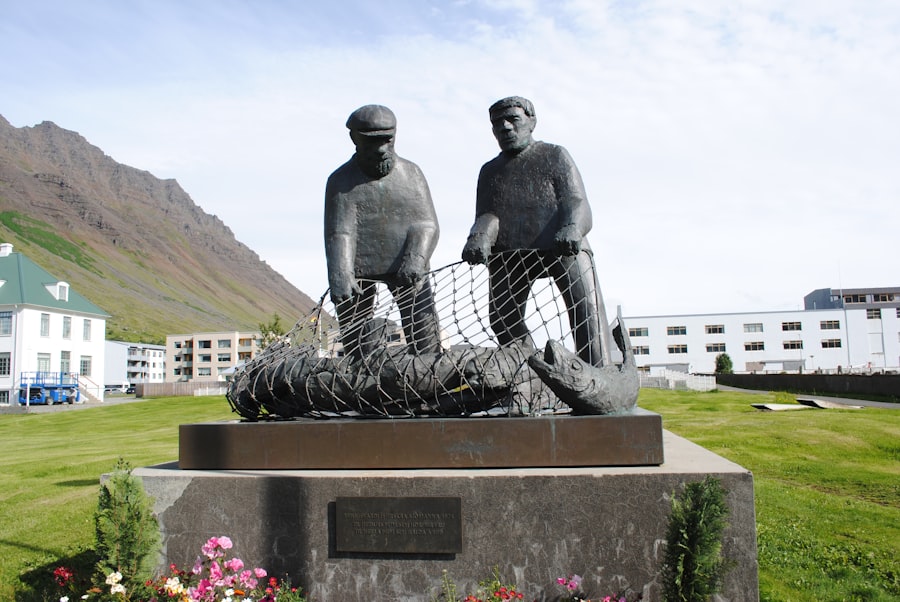
Recognizing the inherent variability of marine resources, Iceland has developed a sophisticated system of fisheries management, designed to be flexible and responsive to changing conditions. This adaptive approach is founded on scientific research, stakeholder collaboration, and a legal framework that prioritizes sustainability.
The Quota System: A Cornerstone of Management
At the heart of Iceland’s fisheries management lies the Individual Transferable Quota (ITQ) system. Introduced in the 1980s, this system allocates a specific share of the total allowable catch (TAC) to individual vessels or companies. This market-based approach aims to rationalize fishing effort, prevent overfishing, and promote economic efficiency within the industry.
- Flexibility and Transferability: The “transferable” aspect of the ITQ system allows quota holders to buy, sell, or lease their quotas, providing flexibility for fishing operations and enabling consolidation within the industry. This market mechanism allows for adjustments to fishing capacity without direct government intervention.
- Incentives for Responsible Fishing: By providing a long-term property right to a share of the catch, ITQs can incentivize quota holders to invest in more sustainable fishing practices and to support scientific research that underpins TAC decisions. They have a vested interest in the long-term health of the stocks.
Scientific Research and Stock Assessment
The foundation of any adaptive management system is robust scientific information. The Marine and Freshwater Research Institute (MFRI) plays a pivotal role in collecting data, conducting stock assessments, and providing scientific advice to the government on TACs for various species. This scientific input is a continuous feedback loop crucial for sound management decisions.
- Integrated Ecosystem Approach: Modern fisheries science increasingly adopts an integrated ecosystem approach, recognizing that individual fish stocks do not exist in isolation. Research extends beyond target species to consider the broader ecological context, including predator-prey relationships, habitat quality, and the impacts of environmental change.
- Data Collection and Monitoring: MFRI utilizes a variety of methods for data collection, including regular research vessel surveys, commercial catch data, and biological sampling. This comprehensive monitoring effort provides the raw material for sophisticated stock assessment models.
Stakeholder Engagement and Collaboration
Effective fisheries management requires collaboration among all stakeholders, including government agencies, industry representatives, scientists, and environmental organizations. Open communication and a shared understanding of the challenges and opportunities are critical for building consensus and ensuring compliance.
- Consultative Bodies: Various consultative bodies and working groups bring together representatives from different sectors to discuss management proposals, share perspectives, and address emerging issues. This collaborative framework fosters a sense of shared responsibility.
- Industry Participation in Management: Fishermen themselves are often invaluable sources of information and have a direct stake in sound management. Engaging them in data collection, experimental fishing, and the development of management plans can enhance the effectiveness and legitimacy of decisions.
Diversification and Innovation: Navigating the Future
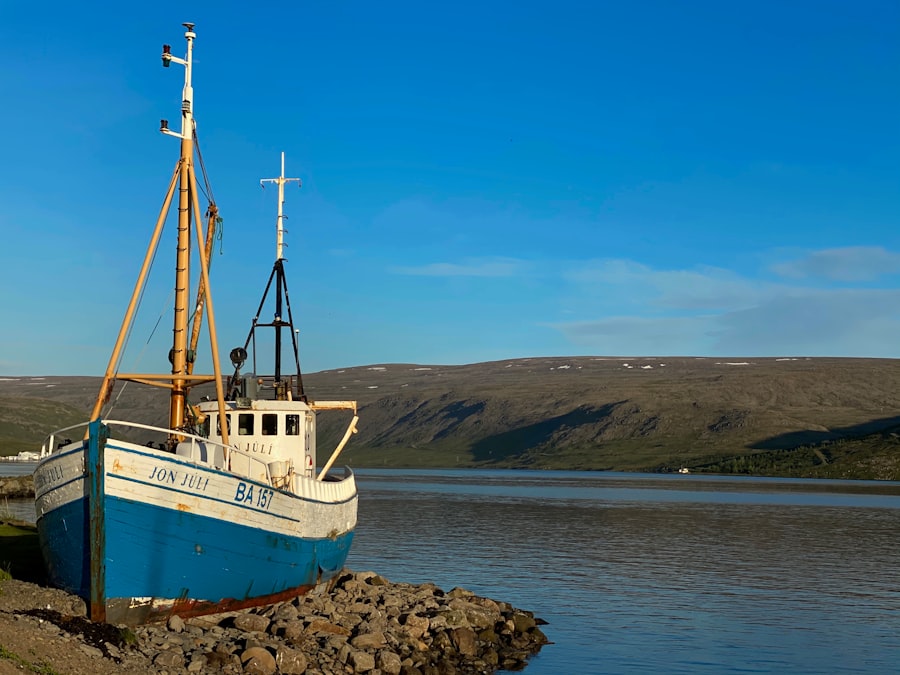
Beyond direct management of existing stocks, Iceland’s fisheries sector is actively pursuing diversification and technological innovation to enhance resilience and adaptability in the face of environmental change. This involves exploring new species, developing value-added products, and pioneering sustainable fishing technologies.
Exploring New Fisheries and Resources
As traditional stocks shift or decline, the industry must be prepared to explore new fishing opportunities. This may involve targeting species that were previously unexploited or underutilized, or expanding into new geographical areas.
- Underutilized Species: Research into the commercial viability and ecological impact of harvesting underutilized species can open new avenues for the industry, reducing pressure on more traditional stocks. This requires careful assessment to avoid simply shifting overexploitation to a new target.
- Aquaculture Development: While historically less prominent than capture fisheries, aquaculture is gaining increasing attention as a potential means to supplement wild catches and provide a more stable supply of seafood. However, the environmental footprint and potential ecological risks of aquaculture must be carefully managed.
Value-Added Processing and Product Development
Rather than simply exporting raw fish, Icelandic companies are increasingly focusing on processing and adding value to their catches. This can involve producing fillets, ready-to-eat meals, or extracting valuable by-products, thereby maximizing economic returns from each fish landed.
- Maximizing Resource Utilization: Innovative processing techniques aim to utilize every part of the fish, minimizing waste and creating new revenue streams. This “circular economy” approach to fisheries reduces environmental impact and improves profitability.
- Market Diversification: Developing a wider range of seafood products allows Icelandic companies to diversify their markets and reduce reliance on a few key export commodities, making them less vulnerable to price fluctuations in specific markets.
Technological Advancements in Fishing Gear and Practices
Technological innovation plays a crucial role in enhancing the selectivity and efficiency of fishing operations, reducing bycatch, and minimizing environmental impact.
- Precision Fishing: Advances in sonar technology, GPS, and data analytics allow fishermen to target specific schools of fish with greater precision, reducing fuel consumption and minimizing interactions with non-target species.
- Bycatch Reduction Devices: The development and adoption of specialized gear, such as sorting grids and escape panels, help to reduce the incidental catch of non-target species and juvenile fish, contributing to more sustainable harvesting.
- Reduced Impact Fishing Methods: Research into fishing methods that have a lower impact on benthic habitats, such as pelagic trawls tuned for specific species, is an ongoing area of innovation, aiming to protect seafloor ecosystems.
The dynamics of Iceland’s fisheries are increasingly influenced by shifting fish stocks, a phenomenon that has significant implications for both the economy and the environment. Recent studies highlight how climate change and oceanic conditions are altering the distribution of key species, prompting a need for adaptive management strategies. For a deeper understanding of these changes and their impacts, you can explore a related article that discusses the broader implications of shifting marine ecosystems. This insightful piece can be found here.
The Path Forward: Balancing Exploitation and Conservation
| Year | Fish Stock | Estimated Biomass (tons) | Catch Quota (tons) | Actual Catch (tons) | Notes |
|---|---|---|---|---|---|
| 2020 | Atlantic Cod | 200,000 | 150,000 | 145,000 | Stable stock, slight decrease in biomass |
| 2020 | Capelin | 500,000 | 300,000 | 290,000 | Stock shifted northward due to warming waters |
| 2021 | Atlantic Cod | 180,000 | 140,000 | 138,000 | Biomass decline linked to shifting ocean temperatures |
| 2021 | Capelin | 520,000 | 310,000 | 305,000 | Continued northward migration observed |
| 2022 | Atlantic Cod | 170,000 | 130,000 | 125,000 | Shift in spawning grounds affecting stock distribution |
| 2022 | Capelin | 540,000 | 320,000 | 315,000 | Stock range expanded further north |
| 2023 | Atlantic Cod | 160,000 | 120,000 | 118,000 | Management measures adjusted for shifting stocks |
| 2023 | Capelin | 560,000 | 330,000 | 325,000 | Increased monitoring of stock migration patterns |
The journey of Iceland’s fisheries is an ongoing narrative of adaptation, marked by both successes and challenges. The nation’s ability to sustain its marine resources and its fishing industry hinges on a continuous commitment to scientific research, flexible management, and a proactive approach to environmental change.
Continuous Monitoring and Evaluation
The dynamic nature of marine ecosystems necessitates perpetual vigilance. Ongoing monitoring programs, regular stock assessments, and periodic evaluations of management effectiveness are crucial for identifying emerging issues and making necessary adjustments. This is not a static system but a living, evolving framework.
International Cooperation
Fish stocks do not recognize national borders. Many species exploited by Icelandic fisheries are migratory, traversing the exclusive economic zones of multiple nations. International cooperation, through regional fisheries management organizations (RFMOs) and bilateral agreements, is therefore essential for effective conservation and management of shared resources.
Fostering a Culture of Sustainability
Ultimately, the long-term sustainability of Iceland’s fisheries depends on a deeply ingrained culture of responsible stewardship among all stakeholders. This involves educating the public, supporting scientific research, and empowering industry participants to adopt best practices. The metaphorical compass for the future of Icelandic fisheries points towards a path of continuous learning and adaptation, ensuring that the bounty of the sea continues to enrich the nation for generations to come. The goal is not merely to catch fish, but to manage an entire marine ecosystem, a task as complex and vital as navigating the treacherous North Atlantic itself.

WARNING: The Ocean Conveyor Belt Is Already Collapsing
FAQs
What are the main fish species involved in Iceland’s fisheries?
Iceland’s fisheries primarily target species such as cod, haddock, capelin, herring, and redfish. These species are vital to the country’s economy and are managed carefully to ensure sustainability.
How have fish stocks around Iceland been shifting in recent years?
Fish stocks around Iceland have been shifting due to changes in ocean temperatures and currents, influenced by climate change. Some species are moving northward or to deeper waters, affecting traditional fishing areas and practices.
What measures has Iceland implemented to manage shifting fish stocks?
Iceland uses a quota system based on scientific assessments to regulate catch limits. The country also invests in research and monitoring to adapt management strategies as fish distributions change, ensuring sustainable fisheries.
How does climate change impact Iceland’s fisheries?
Climate change affects water temperature and marine ecosystems, leading to shifts in fish distribution and abundance. This can impact the availability of key species, requiring adjustments in fishing practices and management policies.
Why is sustainable fisheries management important for Iceland?
Sustainable management ensures the long-term health of fish populations and the marine environment, supporting Iceland’s economy and food security. It helps prevent overfishing and allows fish stocks to replenish despite environmental changes.