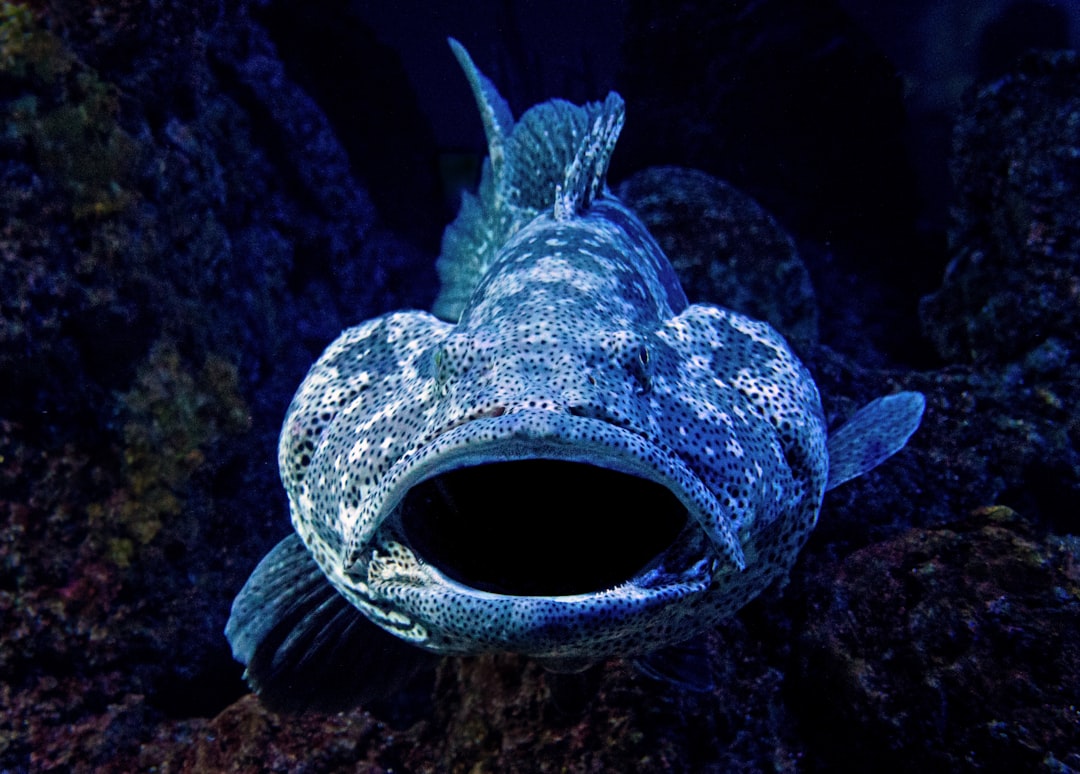
The abyssal plains and the crushing depths of the ocean trenches remain one of Earth’s last true frontiers, a realm of perpetual darkness, immense pressure, and scarce resources. Yet, life not only persists in these extreme environments, but it thrives, thanks to an astonishing array of evolutionary adaptations that have allowed deep-sea fish to conquer the challenges of their formidable habitat. These creatures, often alien in appearance, are living testaments to the power of natural selection, showcasing innovative solutions to survive where most other organisms would perish. Their adaptations span physical structures, biochemical processes, and behavioral strategies, all meticulously honed over eons to ensure their survival and reproduction in one of the planet’s most unforgiving ecosystems.
The most immediate and profound challenge faced by deep-sea fish is the overwhelming hydrostatic pressure. As one descends, the weight of the water column above increases exponentially. At the deepest points, the pressure can be hundreds of times greater than at sea level, enough to crush the bones and rupture the organs of surface-dwelling creatures. Deep-sea fish, however, have evolved remarkable physiological mechanisms to not only withstand this pressure but to even utilize it.
Cellular and Molecular Resilience
The fundamental building blocks of life – cells – are remarkably adept at handling high pressure. This is achieved through a combination of strategies that maintain the integrity of cellular membranes and the functionality of proteins.
Membrane Fluidity and Stability
Cellular membranes are composed of lipids. In high-pressure environments, these lipids can become too rigid, hindering essential cellular processes. Deep-sea fish counter this by incorporating more unsaturated fatty acids into their cell membranes. These fatty acids have kinks in their hydrocarbon chains, preventing them from packing together tightly. This increased “fluidity” allows the membranes to remain flexible and functional even under immense pressure. Furthermore, the presence of specific proteins, known as piezolytes, within the cells helps to stabilize protein structures and prevent their denaturation by pressure. Trimethylamine N-oxide (TMAO) is a common piezolyte found in many deep-sea organisms, acting as a chemical chaperone that counteracts the disruptive effects of pressure on protein folding.
Enzyme Activity and Pressure
Enzymes, the workhorses of cellular metabolism, are proteins whose three-dimensional structure is crucial for their function. High pressure can deform these structures, rendering enzymes inactive. Deep-sea fish have evolved enzymes that are intrinsically more resistant to pressure-induced conformational changes. This can involve alterations in amino acid composition that lead to more stable protein folds or the presence of stabilizing molecules like TMAO. The metabolic rates of deep-sea fish are often lower than their shallow-water counterparts, which can also contribute to pressure tolerance by reducing the demand on sensitive enzymatic processes.
Body Composition and Buoyancy Control
The physical structure of deep-sea fish also plays a vital role in their ability to cope with pressure. Many possess gelatinous or flabby bodies, with reduced muscle mass and skeletal ossification. This strategy serves multiple purposes.
Reduced Density and Increased Buoyancy
A less dense body requires less energy to maintain neutral buoyancy, a critical factor in an environment where swimming is energy-intensive. The reduction in muscle and bone mass minimizes the amount of compressible tissue. Instead of a rigid skeleton, many deep-sea fish have cartilaginous structures or poorly ossified bones, which are less susceptible to crushing. Their bodies are often largely composed of water, which is virtually incompressible, further aiding in pressure resistance.
The Swim Bladder Enigma
The swim bladder, a gas-filled sac used by many bony fish for buoyancy control, is largely absent or highly modified in the deepest-dwelling species. Gas, being highly compressible, would be squeezed out of a traditional swim bladder under extreme pressure, rendering it useless and potentially causing the fish to sink. Some deep-sea fish that do possess swim bladders have adapted them in ingenious ways, often filling them with lipids or other less compressible substances instead of air, or developing specialized mechanisms to maintain gas pressure. However, the absence of a functional swim bladder is a common adaptation, forcing these fish to rely on their body density and fin propulsion for depth control.
Fish that inhabit the deep sea have evolved remarkable adaptations to survive in one of the most extreme environments on Earth. These adaptations include bioluminescence, specialized pressure-resistant bodies, and unique feeding strategies that allow them to thrive in complete darkness and at crushing depths. For a deeper understanding of these fascinating creatures and their survival mechanisms, you can read more in this related article: How Fish Survive in the Deep Sea.
Navigating the Perpetual Darkness: Sensory Adaptations
The absence of sunlight below the photic zone (approximately 1000 meters) has driven the evolution of specialized sensory systems in deep-sea fish. Vision, as we understand it, is largely irrelevant, necessitating the development of alternative ways to perceive their environment, locate prey, and avoid predators.
Enhanced Vision: Eyes Adapted to Faint Light
While the depths are dark, some light can penetrate surprisingly far, and bioluminescence provides a crucial source of illumination. Deep-sea fish have developed eyes that are incredibly sensitive to the faintest glimmer of light.
Large and Sensitive Eyes
Many deep-sea fish possess disproportionately large eyes, maximizing the surface area for light collection. These eyes often contain a high density of rod cells, the photoreceptor cells responsible for detecting light in low-light conditions. Some species have adapted their eyes to see specific wavelengths of light, particularly blue light, which travels furthest in seawater and is often produced by bioluminescent organisms.
Tubular Eyes and Forward Vision
Certain deep-sea fish, like the Barreleye fish, have evolved tubular eyes that are directed upwards. These specialized eyes can collect light from above, allowing them to detect the silhouettes of prey against the dim ambient light or the bioluminescence of organisms swimming overhead. This arrangement also allows for a wider field of vision, crucial for spotting predators from afar.
The Absence of Eyes: A Different Path
Conversely, some of the deepest-dwelling fish have completely lost their eyes. In environments where no light penetrates, vision provides no advantage and can even be a liability. These species have compensated by developing other senses to a remarkable degree.
Beyond Vision: Alternative Sensory Modalities
The reliance on senses other than sight has led to the evolution of highly specialized structures and systems.
The Lateral Line System: Sensing Vibrations
The lateral line system, a sensory organ found in many fish, is highly developed in deep-sea species. This network of pores and canals along the body detects changes in water pressure and vibrations. This allows fish to sense the movement of prey, the presence of predators, or even the subtle currents in their environment. In the darkness, a single flick of a fin or the movement of a small crustacean can be easily detected by this sensitive system.
Chemosensory Acuity: Smelling the Unseen
The sense of smell, or chemoreception, is paramount for many deep-sea fish. They possess highly developed olfactory organs that can detect minute concentrations of chemicals in the water. This is essential for locating food sources, which can be scarce and widely dispersed. Some species can detect the scent of dead organisms from miles away, a vital adaptation for scavenging in the vast ocean. The detection of pheromones also plays a crucial role in reproduction, allowing males and females to find each other in the darkness.
Electrosensory Systems: Detecting Hidden Prey
Certain deep-sea fish have developed electroreception, the ability to detect weak electrical fields generated by living organisms. This is particularly useful for finding prey that is buried in the sediment or hidden amongst rocks, where visual or vibrational cues might be absent. Ampullae of Lorenzini, specialized pores found in sharks and rays, are analogous structures that allow them to sense electrical fields.
The Art of the Hunt: Predation Strategies in Darkness
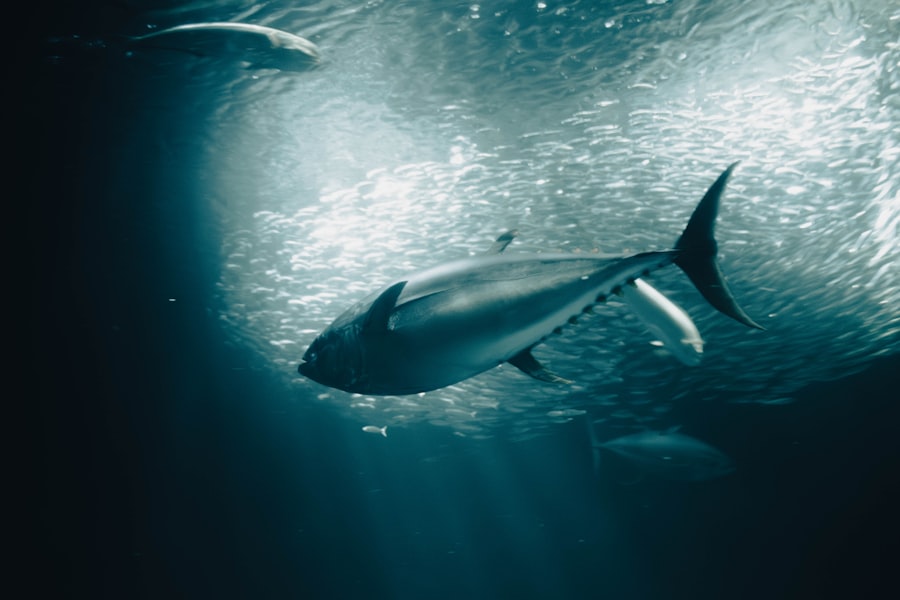
Food is a precious commodity in the deep sea, and efficient predation is a matter of survival. Deep-sea fish have developed a variety of ingenious strategies to ambush, attract, and capture their prey.
Luring Prey: The Bioluminescent Angler
Perhaps the most iconic deep-sea predator is the anglerfish, famous for its bioluminescent lure.
The Eska and Photophores
The female anglerfish possesses a modified dorsal fin spine called an illicium, which extends forward over its head. At the tip of this illicium is a fleshy appendage called the esca, which contains symbiotic bioluminescent bacteria. These bacteria emit light, which the anglerfish can control by regulating blood flow to the esca. The glowing lure acts as a tantalizing beacon in the darkness, attracting smaller fish, crustaceans, and other organisms.
The Deceptive Dance
Once prey is lured close enough, the anglerfish rapidly opens its enormous jaws, creating a vacuum that sucks the unsuspecting victim into its gullet. The anglerfish’s jaw structure allows for incredible distension, enabling it to swallow prey larger than itself. This is a crucial adaptation in an environment where opportunities for a meal are infrequent.
Ambush Predators: Masters of Camouflage and Patience
Many deep-sea fish are sit-and-wait predators, relying on camouflage and patience to catch their prey.
Invisibility and Deception
These fish often have drab coloration that blends seamlessly with the seafloor or the surrounding water. Some species can even alter their skin coloration to match their surroundings. Their reduced musculature and slow movements also contribute to their stealth. They remain motionless for extended periods, conserving energy until an unsuspecting meal comes within striking distance.
Specialized Mouthparts for Quick Strikes
While many deep-sea fish have relatively small mouths, some ambush predators possess large, gaping mouths with needle-sharp teeth. These teeth are often recurved, preventing prey from escaping once caught. The speed at which these jaws can snap shut is astonishing, ensuring that any captured prey cannot get away.
Opportunistic Scavenging: Making the Most of What Falls
The deep sea is often described as an “oceanic rain” of organic matter falling from the upper layers. Many deep-sea fish are opportunistic scavengers, capitalizing on this infrequent but vital food source.
Sensing the Bounty
Highly developed chemosensory abilities allow these scavengers to detect the scent of carcasses as they descend. They can travel considerable distances to reach these food falls.
Efficient Consumption
Once a carcass is found, specialized adaptations allow for rapid consumption of the available nutrients. Some scavengers have robust jaws and digestive systems capable of breaking down bone and tough tissues.
The Struggle for Reproduction: Finding Mates in the Vastness
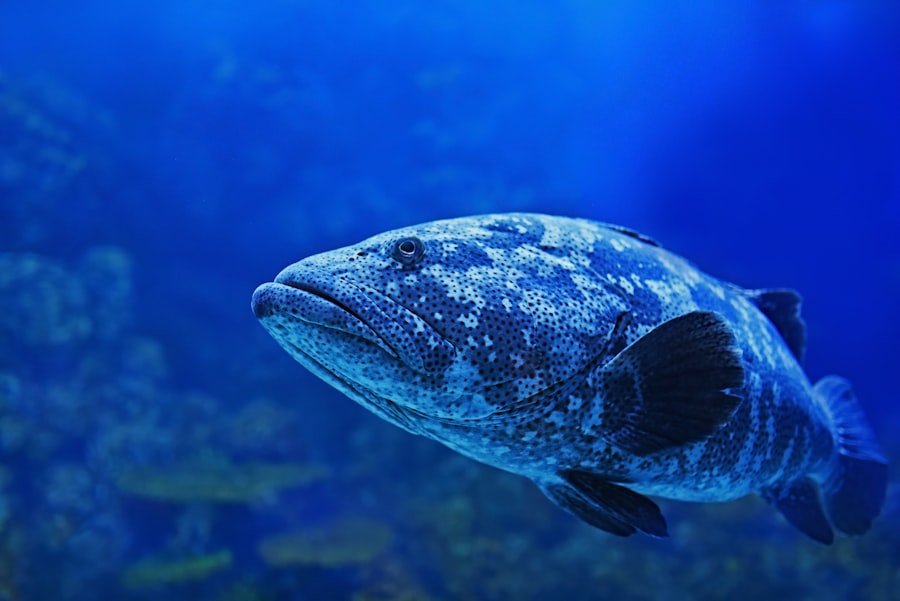
Reproduction in the deep sea presents its own set of formidable challenges. The vastness of the environment, the scarcity of individuals, and the darkness make finding a mate a significant hurdle. Deep-sea fish have evolved a variety of reproductive strategies to overcome these obstacles.
Sexual Dimorphism and Specialized Mating Systems
Extreme sexual dimorphism is common in some deep-sea fish, particularly anglerfish.
The Parasitic Male
In many deep-sea anglerfish species, the males are significantly smaller than the females. Upon finding a female, the male bites onto her body and fuses his circulatory system with hers. He becomes a permanent parasite, receiving nourishment from the female and, in return, providing sperm when she is ready to reproduce. This ensures that the male is always in close proximity to a mate, eliminating the need for him to actively search for one.
Bioluminescent Displays for Attraction
While often used for predation, bioluminescence also plays a critical role in mate attraction.
Species-Specific Signals
Different species of deep-sea fish have evolved unique patterns, colors, and flashing sequences of bioluminescence. These “light signals” act as species-specific identifiers, allowing potential mates to recognize each other in the darkness and avoid interbreeding.
Courtship Rituals
Bioluminescent displays are often incorporated into elaborate courtship rituals, where males and females engage in synchronized flashing or intricate light shows to attract and court each other.
Hermaphroditism and Hermaphroditic Strategies
Hermaphroditism, the condition of having both male and female reproductive organs, is another strategy employed by some deep-sea fish to increase their chances of reproduction.
Simultaneous Hermaphroditism
In simultaneous hermaphrodites, both male and female reproductive functions occur at the same time. This means that any encounter with another individual of the same species presents an opportunity for reproduction, as both individuals can act as either male or female.
Sequential Hermaphroditism
Sequential hermaphrodites change sex during their lifetime. While less common in the deepest zones, this strategy can also enhance reproductive success in environments where finding a mate of a specific sex might be difficult.
Fish have developed remarkable adaptations to thrive in the extreme conditions of the deep sea, where pressure is immense and light is scarce. These adaptations include bioluminescence, which helps them attract prey and communicate, as well as specialized body structures that allow them to withstand the crushing depths. For a deeper understanding of these fascinating creatures and their unique survival strategies, you can explore this related article on Freaky Science, which delves into the incredible world of deep-sea fish and their extraordinary abilities.
Specialized Lifestyles: Extreme Adaptations for Extreme Niches
| Fish Survival in the Deep Sea |
|---|
| 1. Pressure Adaptation |
| 2. Bioluminescence |
| 3. Specialized Gills |
| 4. Slow Metabolism |
| 5. Camouflage and Transparency |
Beyond the general adaptations for pressure, darkness, and food scarcity, many deep-sea fish exhibit highly specialized lifestyles that are reflected in their unique physical and behavioral traits.
The Deepest Dwellers: Life in the Hadal Zone
The hadal zone, comprising the ocean’s deepest trenches, is the most extreme marine environment on Earth. Fish inhabiting these depths face unimaginable pressures, near-freezing temperatures, and complete absence of light.
Bone Structure and Soft Tissues
Fish living in the hadal zone, such as the Mariana snailfish, have remarkably reduced skeletal structures, with gelatinous bodies and minimal ossification. Their tissues are adapted to remain functional and uncompressed under pressures exceeding 1,000 atmospheres.
Unique Biochemistry
The biochemistry of hadal fish is highly specialized, with a greater reliance on molecules like TMAO to stabilize proteins and prevent denaturation. Their metabolic rates are incredibly low, allowing them to survive on scarce resources.
Hydrothermal Vent Communities: Life on the Edge of the Abyss
Hydrothermal vents, fissures in the seafloor that spew superheated, mineral-rich water, support unique ecosystems teeming with life. Some fish species have adapted to thrive in these chemically extreme environments.
Tolerance to Toxins and Extreme Temperatures
Fish living near hydrothermal vents must tolerate high concentrations of toxic chemicals, such as hydrogen sulfide, and extreme temperature gradients. They often have specialized detoxification mechanisms and physiological adaptations to cope with these harsh conditions.
Symbiotic Relationships
Many vent creatures, including some fish, form symbiotic relationships with chemosynthetic bacteria. These bacteria convert chemicals from the vents into energy, forming the base of the food web. The fish may graze on bacterial mats or host them internally.
Pelagic Wanderers: Drifting Through the Mid-Water
Many deep-sea fish spend their lives in the open water column, far from the seafloor. These pelagic species have adaptations for efficient swimming and foraging in the vastness.
Streamlined Bodies and Powerful Fins
Pelagic deep-sea fish often have streamlined bodies that allow for efficient movement through the water. They possess well-developed fins for propulsion and maneuvering, enabling them to chase prey or escape predators.
Specialized Feeding Appendages
Some pelagic species have evolved elongated jaws, specialized teeth, or even sticky filaments to capture fast-moving prey in the open water. Their sensory systems are tuned to detect the subtle movements and bioluminescence of organisms in the water column.
In conclusion, the deep sea is a testament to the extraordinary adaptability of life. The fish that call these lightless, high-pressure realms home have undergone remarkable evolutionary journeys, developing an awe-inspiring array of adaptations. From the cellular resilience that defies crushing pressure to the sophisticated sensory systems that navigate perpetual darkness, and the ingenious predatory and reproductive strategies that ensure survival and propagation, these creatures are living examples of nature’s boundless creativity. As our understanding of the deep sea continues to grow, so too does our appreciation for these remarkable inhabitants and the intricate web of life they represent in one of Earth’s most enigmatic environments.

The Deeper You Go, the Less Life Looks Like Life
FAQs
1. How do fish survive in the deep sea?
Fish in the deep sea have adapted to survive in extreme conditions such as high pressure, cold temperatures, and low oxygen levels. They have specialized body structures and physiological adaptations that allow them to thrive in these harsh environments.
2. What are some of the adaptations deep sea fish have?
Deep sea fish have evolved unique adaptations such as bioluminescence, which helps them attract prey or communicate with other fish in the dark depths. They also have large eyes to capture any available light, and some species have expandable jaws to consume prey larger than themselves.
3. How do deep sea fish cope with the high pressure in the ocean depths?
Deep sea fish have bodies that are highly flexible and can withstand the extreme pressure of the deep sea. Their internal organs are often protected by gelatinous substances, and their skeletal structures are designed to withstand the pressure without collapsing.
4. What do deep sea fish eat in such a harsh environment?
Deep sea fish have adapted to consume a variety of prey, including other fish, crustaceans, and cephalopods. Some species have specialized diets, while others are opportunistic feeders, consuming whatever food is available in their deep sea habitat.
5. How do deep sea fish reproduce and survive in such remote and dark environments?
Deep sea fish have developed unique reproductive strategies to ensure the survival of their offspring in the deep sea. Some species produce large numbers of eggs, while others have evolved bioluminescent mating displays to find and attract mates in the darkness of the deep sea. Additionally, some deep sea fish have long lifespans, allowing them to adapt to the challenges of their environment over time.