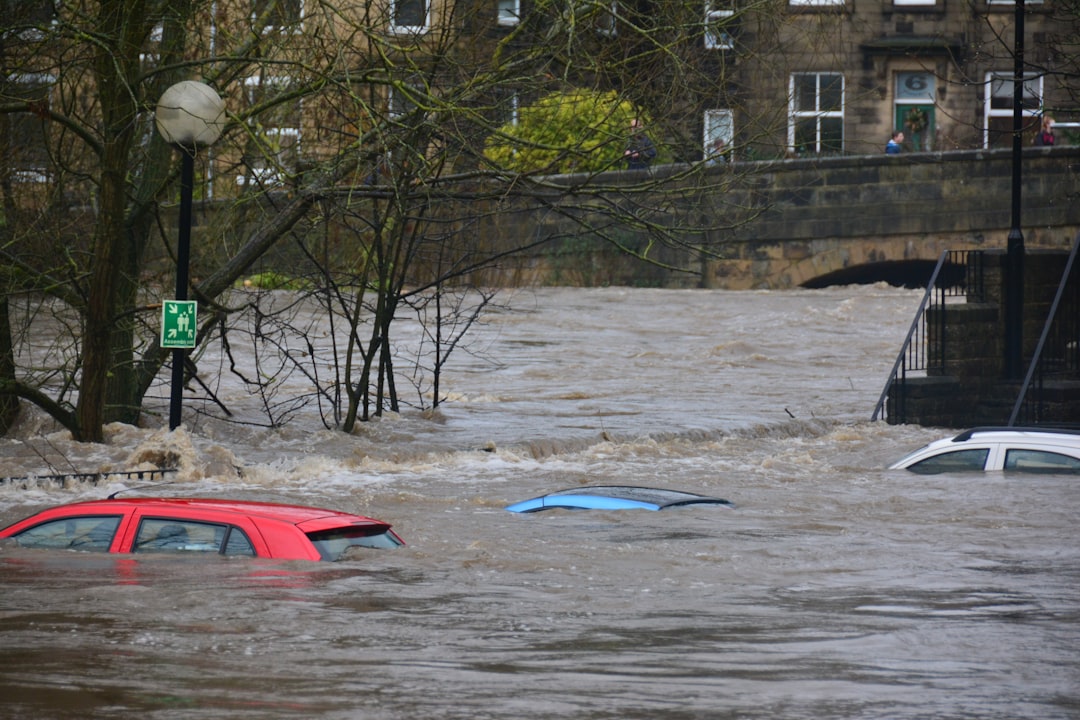
The Earth’s climate has historically exhibited a degree of natural variability. However, the concept of “abrupt climate change” refers to large-scale changes in the climate system that occur over decades, or even as short as a few years, rather than the more gradual changes typically associated with geological timescales. These rapid shifts have demonstrably left their mark on human history, acting as a profound, and often unforgiving, arbiter of human settlement patterns, technological innovation, societal structures, and even cultural evolution. Understanding these past events offers crucial insights into the vulnerabilities and resiliencies of human societies facing contemporary climatic disruptions.
The primary evidence for abrupt climate change is gleaned from a meticulous study of the paleo-climatic record. This record, a meticulously preserved natural archive, provides a window into Earth’s past atmospheric and oceanic conditions. Scientists employ a variety of proxies to reconstruct these ancient climates, much like detectives piecing together a complex puzzle from disparate clues.
Ice Cores: A Chronological Repository
Ice cores, extracted from polar ice caps and high-altitude glaciers, serve as exceptionally detailed chronological repositories of past climate. Each layer of ice represents a year, or even a season, of precipitation. Within these layers, bubbles of ancient air are trapped, preserving direct samples of past atmospheric composition, including greenhouse gas concentrations. Furthermore, the isotopic composition of the water molecules within the ice itself provides a proxy for past temperatures, revealing fluctuations in warmth and cold. The examination of these cores has, for instance, illuminated the rapid shifts in the North Atlantic climate during the Dansgaard-Oeschger events.
Sediment Cores: Echoes of Deep Time
Sediment cores, retrieved from lakebeds and ocean floors, offer another invaluable source of paleo-climatic data. These cores accumulate layers of sediment over vast stretches of time, each layer containing a wealth of environmental information. Pollen grains trapped within the sediment can indicate past vegetation types and, by extension, prevailing climatic conditions. The remains of tiny marine organisms, such as foraminifera, provide clues about past ocean temperatures and salinity. Changes in sediment composition, such as increased aeolian dust, can point to periods of aridity and strong winds, indicative of shifting atmospheric circulation patterns.
Speleothems and Tree Rings: Local Narratives
Speleothems, mineral formations found in caves like stalagmites and stalactites, grow slowly over time, incorporating chemical signatures that reflect dripwater chemistry and, consequently, past precipitation and temperature. The growth rings of trees, or dendrochronology, offer highly resolved chronological data for specific regions, with wider rings indicating favorable growing conditions and narrower rings suggesting periods of stress, such as drought or extreme cold. These localized records provide crucial ground-truthing for the broader insights obtained from ice and sediment cores, allowing for a more nuanced understanding of regional climate responses.
Abrupt climate change has played a significant role in shaping human history, influencing migration patterns, agricultural practices, and societal structures. For a deeper understanding of how these sudden shifts in climate have impacted civilizations throughout time, you can explore the article on this topic at Freaky Science. This resource delves into various historical events where abrupt climate changes led to dramatic transformations in human life, providing valuable insights into our past and potential future challenges.
Defining Abrupt Climate Change: Rates and Magnitudes
The distinction between gradual and abrupt climate change often hinges on the rate and magnitude of the alteration. While “abruptly” might seem vague, in scientific terms, it implies a change occurring within a human lifetime or shorter.
Millennial-Scale Events: The Dansgaard-Oeschger Cycles
One of the most well-studied examples of abrupt climate change is the Dansgaard-Oeschger (D-O) cycles, a series of rapid warming and cooling events that occurred repeatedly throughout the last glacial period, approximately 100,000 to 11,700 years ago. These cycles are characterized by rapid warming events in the North Atlantic (often within decades) followed by more gradual cooling over several centuries. The temperature shifts were substantial, with some warming events estimated to have increased Greenland temperatures by 8-16°C over just a few decades. The mechanism behind these cycles is thought to involve oceanic circulation changes, particularly in the Atlantic Meridional Overturning Circulation (AMOC), acting like a colossal conveyer belt distributing warmth across the globe.
Centennial to Decadal Scale Shifts: The Younger Dryas
The Younger Dryas, a dramatic and relatively short-lived return to glacial conditions about 12,900 to 11,700 years ago, stands as another compelling example of abrupt climate change. Following a period of rapid warming that marked the end of the last glacial maximum, the Younger Dryas plunged the Northern Hemisphere back into an ice age-like state over a period of mere decades. The prevailing theory attributes this sudden reversal to a massive influx of freshwater into the North Atlantic, possibly from the draining of proglacial lakes, which disrupted the AMOC and significantly reduced heat transport to the North Atlantic region. The impact on early human populations, who were then in the midst of transitioning from hunter-gatherer to agricultural lifestyles, would have been profound.
Holocene Instabilities: The 8.2 Kiloyear Event
Even within the relatively stable Holocene epoch, the current interglacial period, there have been episodes of abrupt climate change. The “8.2 kiloyear event,” occurring approximately 8,200 years ago, was a sudden and significant cooling event, particularly felt in the Northern Hemisphere. Similar to the Younger Dryas, it is linked to a freshwater pulse into the North Atlantic, albeit from a different source – the catastrophic emptying of glacial Lake Agassiz in North America. This event lasted for a few centuries and had noticeable consequences for early agricultural societies in the Near East and Europe, leading to periods of drought and agricultural decline.
Societal Responses to Climatic Shocks
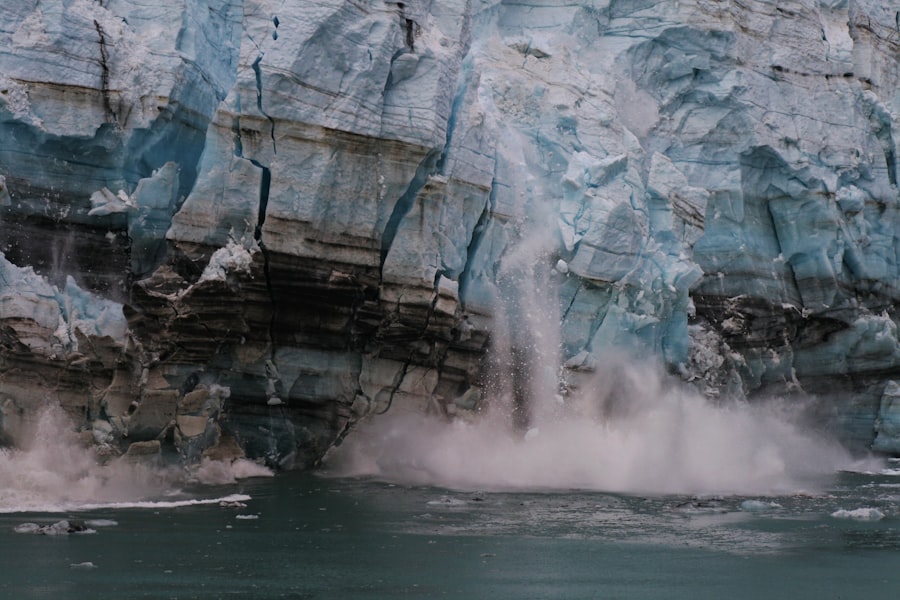
The human story is replete with examples of societies adapting, transforming, or succumbing to the pressures of abrupt climate change. These events have acted as powerful selective pressures, favoring societies with greater flexibility, technological prowess, or access to resilient resources.
Migration and Re-settlement: Seeking Greener Pastures
When confronted with significant shifts in climate – prolonged droughts, increased aridity, or extensive cooling – human populations have often resorted to migration. The Sahara, for instance, has experienced cyclic periods of “greening” and desertification. During arid phases, its inhabitants were forced to migrate to more hospitable regions, potentially contributing to population movements into the Nile Valley and the Levant. Similarly, the retreat of glaciers and subsequent warming at the end of the last ice age opened up new territories for human expansion, particularly in northern latitudes. However, abrupt cooling events could reverse these trends, pushing populations back to warmer climes, or forcing them to adapt to harsher environments.
Technological Innovation: The Mother of Invention
Periods of climatic stress have often spurred technological innovation. The invention of irrigation systems in arid and semi-arid regions during periods of drought, such as those seen in Mesopotamia and ancient Egypt, is a direct testament to humanity’s ingenuity in overcoming environmental challenges. The development of specialized clothing and shelter in response to colder climates, or the refinement of hunting technologies to adapt to changes in prey distribution or abundance, are further examples. For instance, the intensified exploitation of marine resources during the Younger Dryas in some regions suggests a shift in subsistence strategies in response to terrestrial resource scarcity.
Agricultural Transformation: Adaptation at the Core
Agriculture, the bedrock of complex societies, is particularly vulnerable to climate variability. Abrupt changes in temperature or precipitation patterns can lead to crop failures, famines, and societal upheaval. Societies have responded through various strategies: diversifying crops to spread risk, developing drought-resistant strains through selective breeding, or adopting new agricultural techniques adapted to altered conditions. The “Little Ice Age,” a period of relative cooling between the 14th and mid-19th centuries, saw significant shifts in agricultural practices in Europe, including the abandonment of marginal farmlands and a greater reliance on root crops more tolerant of colder, wetter conditions. The failure of such adaptive strategies often resulted in widespread famine and social unrest, as observed in medieval Europe.
Collapse and Resilience: The Dual Faces of Impact
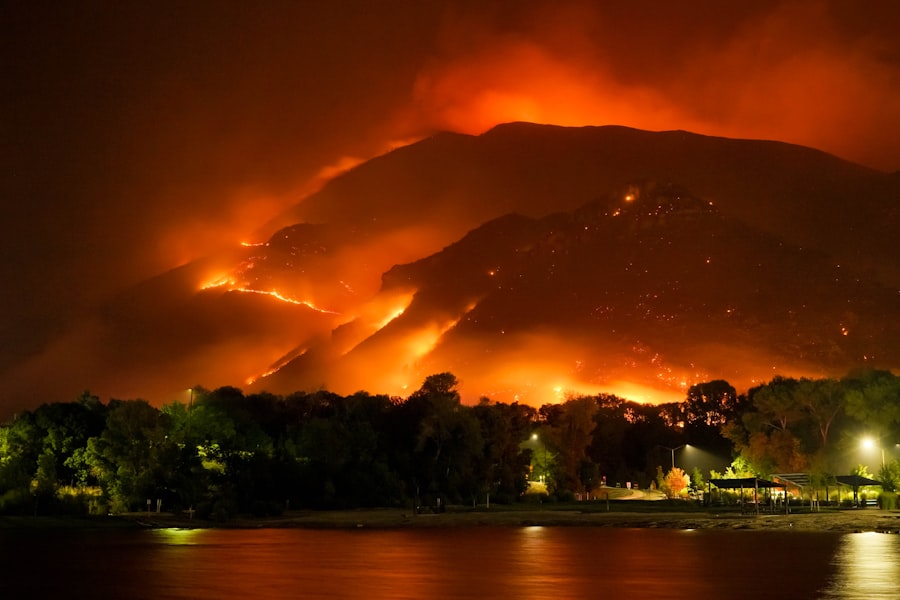
The impact of abrupt climate change has not always led to innovation and adaptation; in many instances, it has contributed to societal collapse. However, examining these past events also highlights the factors that contributed to resilience.
The Mystery of the Maya: Drought and Decline
The collapse of the Classic Maya civilization, a sophisticated pre-Columbian society in Mesoamerica, is a frequently cited example of environmental factors, particularly prolonged drought, playing a significant role. Paleo-climatic records from the region indicate a series of severe multi-decadal droughts co-occurring with the decline of major Maya city-states. While attributing collapse solely to climate is often an oversimplification—political instability, warfare, and deforestation also played roles—the evidence suggests that prolonged water stress severely strained their agricultural systems, exacerbated social tensions, and ultimately contributed to their demise. It serves as a stark reminder of the delicate balance between human societies and their environment.
The Akkadian Empire’s Retreat: The 4.2 Kiloyear Event
The collapse of the Akkadian Empire, one of the earliest empires in Mesopotamia, around 4,200 years ago, has also been linked to an abrupt climatic event, potentially the “4.2 kiloyear event” mentioned earlier. Archaeological evidence and paleo-climatic data from the region suggest a period of increased aridity and widespread drought which would have severely impacted rain-fed agriculture in northern Mesopotamia, leading to agricultural collapse, famine, and large-scale population displacement. The subsequent abandonment of many settlements in the north and a shift towards more stable, irrigated agriculture further south illustrate the profound and lasting impact of such an event on a major civilization.
Resilient Strategies: Diversity and Decentralization
Conversely, some societies have demonstrated remarkable resilience in the face of climatic shocks. Often, societies that exhibited greater diversity in their subsistence strategies (e.g., combining agriculture with hunting, gathering, and fishing), possessed decentralized political structures, or had robust social networks for sharing resources, were better equipped to weather environmental perturbations. For instance, some tribal societies throughout history, with their mobile lifestyles and flexible social structures, could often adapt more readily to shifting resource availability than large, sedentary agricultural empires. Similarly, communities with diverse food portfolios were less vulnerable to the failure of a single crop.
Abrupt climate change has significantly influenced human history, shaping societies and their development in profound ways. For a deeper understanding of this phenomenon, you can explore an insightful article that discusses various instances of abrupt climate shifts and their impacts on civilizations throughout time. This resource not only highlights the historical context but also emphasizes the lessons we can learn from past events. To read more about this fascinating topic, visit this article.
Lessons from the Past: Informing the Future
| Event | Time Period | Duration | Temperature Change | Impact on Human Societies | Possible Causes |
|---|---|---|---|---|---|
| Younger Dryas | ~12,900 to 11,700 years ago | ~1,200 years | ~-10°C in Greenland | Disruption of early agriculture, migration shifts | Freshwater influx disrupting ocean circulation |
| 8.2 Kiloyear Event | ~8,200 years ago | ~160 years | ~-3°C in Northern Hemisphere | Decline in Neolithic cultures, crop failures | Collapse of glacial Lake Agassiz |
| 4.2 Kiloyear Event | ~4,200 years ago | ~300 years | ~-1.5°C globally | Collapse of Akkadian Empire, droughts in Middle East | Severe drought, possible solar variability |
| Little Ice Age | ~1300 to 1850 AD | ~550 years | ~-0.5 to -1°C globally | Crop failures, famines, social unrest in Europe | Volcanic activity, solar minima |
| Medieval Warm Period | ~950 to 1250 AD | ~300 years | +0.5 to +1°C regionally | Expansion of agriculture, Norse colonization of Greenland | Increased solar activity |
The study of abrupt climate change in human history is not merely an academic exercise; it offers critical lessons for contemporary societies wrestling with anthropogenic climate change. The echoes of past climatic upheavals serve as potent warnings and potential guides.
Vulnerability of Complex Systems: A Delicate Balance
Past abrupt climate changes reveal the inherent vulnerability of complex human systems to environmental disruption. Societies that are highly specialized, heavily reliant on a single resource, or densely populated often face greater risks when faced with rapid climatic shifts. The interconnectedness of modern global systems—food production, energy grids, supply chains—means that a climatic shock in one region can have cascading effects across the globe, much like a domino effect. The reader should understand that this interconnectedness amplifies our modern vulnerabilities.
The Role of Feedback Loops: A Self-Reinforcing Cycle
Many past abrupt climate changes involved feedback loops, where an initial climatic perturbation triggered further changes that either amplified the original shift or caused a secondary, equally dramatic, effect. For example, the melting of large ice sheets could release vast amounts of freshwater, disrupting ocean currents, which in turn could lead to further cooling or warming cycles. In our current era, the melting of Arctic sea ice leads to reduced albedo (reflectivity), causing more solar radiation to be absorbed by the darker ocean, which in turn accelerates warming and further ice melt—a classic positive feedback loop. Understanding these feedback mechanisms is crucial for accurately predicting future climatic trajectories.
The Imperative of Adaptation and Mitigation: Proactive Measures
The historical record unequivocally demonstrates the critical importance of both adaptation and mitigation in addressing climatic challenges. Adaptation, in terms of developing resilient infrastructure, diversified food systems, and robust social safety nets, is essential for coping with the changes that are already underway or inevitable. Mitigation, reducing greenhouse gas emissions to slow or halt human-induced climate change, is equally vital to prevent future abrupt and potentially irreversible shifts. The human story, etched in the geological record, serves as a powerful reminder that while societies have shown remarkable ingenuity, the scale and speed of current climate change demand unprecedented proactive measures to safeguard humanity’s future. The narrative of our past is not a prophecy of doom, but a profound wellspring of knowledge that, if heeded, can illuminate a path towards a more resilient future.

WARNING: The Ocean Conveyor Belt Is Already Collapsing
FAQs
What is abrupt climate change?
Abrupt climate change refers to sudden and significant shifts in climate conditions that occur over a short period of time, typically years to decades, rather than gradual changes over centuries or millennia.
When has abrupt climate change occurred in human history?
Abrupt climate changes have occurred multiple times in human history, including events like the Younger Dryas around 12,900 years ago, which caused rapid cooling, and the 8.2-kiloyear event, which led to significant temperature drops and altered precipitation patterns.
How has abrupt climate change affected human societies?
Abrupt climate changes have often led to disruptions in agriculture, water supply, and habitability, causing migrations, societal collapses, or transformations. For example, some researchers link the collapse of the Akkadian Empire around 4,200 years ago to abrupt climate shifts.
What causes abrupt climate change?
Abrupt climate changes can be triggered by various factors, including volcanic eruptions, changes in ocean circulation, shifts in solar radiation, and rapid releases of greenhouse gases or ice sheet dynamics.
Can abrupt climate change happen in the future?
Yes, abrupt climate change remains a possibility due to ongoing human-induced climate change and natural climate system variability. Scientists monitor potential tipping points that could lead to rapid and severe climate shifts.