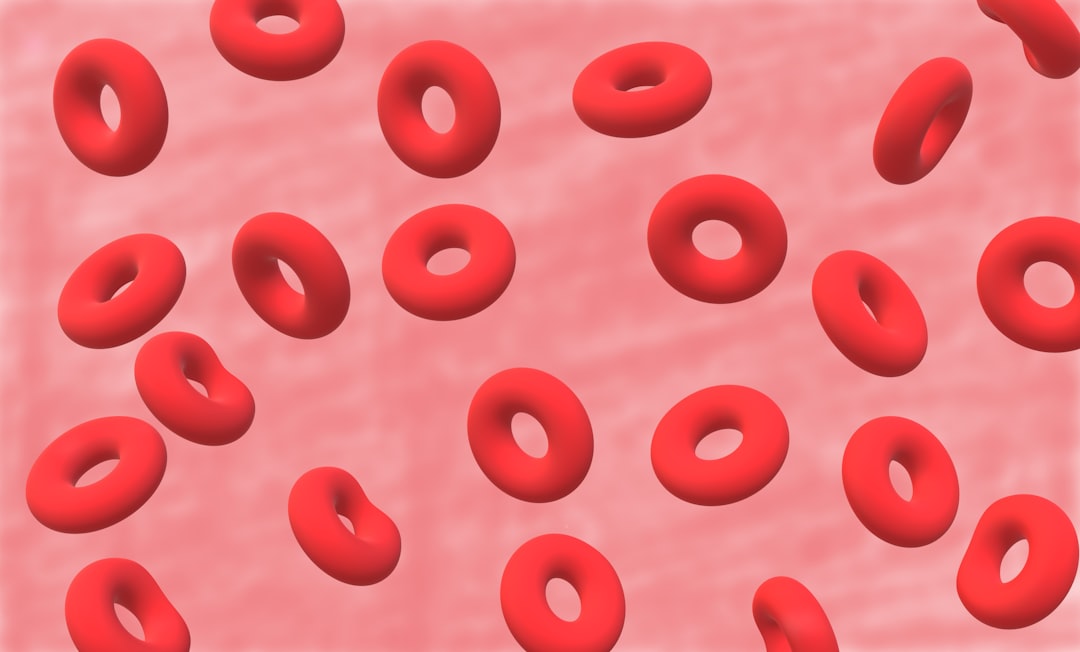
You are likely familiar with the concept of blood types – A, B, AB, and O, each with its Rh factor. But do you know that your blood type, specifically AB, might be linked to a silent, potentially dangerous phenomenon known as microclots? This connection, while not widely understood by the general public, is a growing area of scientific inquiry with significant implications for your health. This article will explore the intricate relationship between the AB blood type and the formation of microclots, delving into the potential risks and the ongoing research aimed at unraveling this complex biological dance.
Before we delve into the AB blood type and microclots, it’s crucial to establish a foundational understanding of what blood types are and why they matter. Your blood type is determined by the presence or absence of specific antigens on the surface of your red blood cells and antibodies in your plasma. These antigens and antibodies are determined by your genes.
The ABO Blood Group System
The ABO system is the most well-known and clinically significant blood group system. It categorizes blood into four main types based on the presence of A and B antigens:
Type A Blood
Individuals with Type A blood have A antigens on their red blood cells and anti-B antibodies in their plasma.
Type B Blood
Individuals with Type B blood have B antigens on their red blood cells and anti-A antibodies in their plasma.
Type AB Blood
Individuals with Type AB blood have both A and B antigens on their red blood cells. Crucially, they have neither anti-A nor anti-B antibodies in their plasma. This makes them universal recipients for red blood cell transfusions, as their bodies will not attack transfused cells expressing A or B antigens.
Type O Blood
Individuals with Type O blood have neither A nor B antigens on their red blood cells. Their plasma contains both anti-A and anti-B antibodies. This makes them universal red blood cell donors, as their red blood cells are not recognized as foreign by recipients of any ABO blood type.
Beyond Antigens: The Role of Other Blood Components
While ABO antigens are key to transfusion compatibility, blood is a complex fluid composed of various cells and proteins, including platelets and clotting factors, all of which play critical roles in maintaining hemostasis – the process of stopping bleeding.
Platelets: The First Responders
Platelets are small, irregular-shaped cell fragments that circulate in your blood. When a blood vessel is injured, platelets are among the first to arrive at the scene. They aggregate at the site of injury, forming a temporary plug and releasing substances that initiate the clotting cascade.
Clotting Factors: The Cascade of Coagulation
Clotting factors are a series of proteins that work in a sequential manner, like a domino effect, to form a stable fibrin clot. This cascade is essential for plugging leaks in blood vessels and preventing excessive blood loss.
Recent research has highlighted intriguing connections between type AB blood and the formation of microclots, which may have implications for understanding certain health conditions. For a deeper dive into this topic, you can explore the article on this subject at Freaky Science. This resource provides valuable insights into how blood type may influence clotting mechanisms and overall cardiovascular health.
The Emerging Link: AB Blood Type and an Increased Tendency for Microclot Formation
Scientific investigation has begun to highlight a potential correlation between the AB blood type and an increased propensity for forming microclots. These are not the large, obvious clots that might cause a stroke or heart attack in the traditional sense, but rather minuscule, often asymptomatic, accumulations of fibrin and platelets that can lodge in smaller blood vessels.
Defining Microclots: The Silent Threat
Microclots, also referred to as fibrin microthrombi or circulating microthrombi, are small, insoluble masses of fibrin and platelet aggregates that can form within the bloodstream. Unlike visible blood clots (macroclots), they are often too small to be detected by standard imaging techniques.
How Microclots Differ from Traditional Clots
The primary distinction lies in size and location. Traditional clots are typically macroscopic and can obstruct major arteries or veins. Microclots are microscopic and tend to accumulate in smaller capillaries and arterioles, potentially disrupting blood flow to tissues and organs on a more diffuse level.
The Potential for Subclinical Damage
The danger of microclots lies in their ability to cause gradual, often unnoticed, damage. By impeding blood flow and oxygen delivery to tissues, they can contribute to a range of health issues over time.
The AB Blood Type Advantage and Disadvantage
The unique immunological profile of AB blood type, which lacks anti-A and anti-B antibodies, has historically been seen as advantageous for blood transfusions. However, this absence of antibodies might be linked to other subtle differences in coagulation pathways.
The Absence of Anti-A and Anti-B Antibodies: A Double-Edged Sword
While the lack of these antibodies prevents immune reactions against transfused red blood cells, it points to a different overall immune and clotting environment within individuals with AB blood. Researchers are exploring how this environment might influence the behavior of platelets and clotting factors.
Exploring the Role of Von Willebrand Factor (vWF)
Emerging research suggests a potential link between AB blood type and levels or behavior of Von Willebrand Factor (vWF). vWF is a crucial protein involved in platelet adhesion and aggregation, as well as carrying Factor VIII in the blood.
What is Von Willebrand Factor?
vWF is a large multimeric protein synthesized by endothelial cells and megakaryocytes. It plays a vital role in primary hemostasis by binding to collagen exposed at injury sites, facilitating platelet recruitment and adhesion. It also acts as a carrier protein for Factor VIII, a key component of the secondary hemostasis cascade.
Potential Interplay Between AB Blood Type and vWF Function
Studies have indicated that individuals with AB blood type may exhibit differences in vWF function or levels, which could predispose them to a higher tendency for microclot formation. The precise mechanisms are still under investigation, but it is theorized that certain vWF variants or interactions might be more prevalent or active in AB individuals.
Genetic Predispositions and Their Influence
Beyond direct interactions with clotting factors, genetic variations associated with the AB blood type may also play a role in influencing an individual’s overall coagulation profile.
Polymorphisms and Their Impact on Coagulation Dynamics
Genetic polymorphisms, which are variations in DNA sequence that occur in a significant portion of the population, can affect the production, function, or regulation of various proteins involved in blood clotting. Researchers are investigating whether specific polymorphisms linked to AB blood type might indirectly influence coagulation pathways, leading to a heightened risk of microclot formation.
Mechanisms Driving Microclot Formation in AB Individuals

The exact mechanisms by which AB blood type might contribute to microclot formation are still being elucidated, but several promising avenues of research are being explored. These involve a complex interplay of immune responses, protein interactions, and cellular behaviors.
The Influence of Inflammation on Blood Coagulation
Chronic, low-grade inflammation is a recognized contributor to various diseases, including cardiovascular conditions. It can activate clotting pathways and promote the formation of both macro- and microclots.
Systemic Inflammation and Platelet Hyperreactivity
Inflammatory mediators can sensitize platelets, making them more prone to activation and aggregation. In individuals with AB blood type, a potential heightened inflammatory response or a different response to inflammatory signals might exacerbate this platelet hyperreactivity, nudging them towards microclot formation.
Endothelial Dysfunction and its Role
The endothelium, the inner lining of blood vessels, plays a crucial role in maintaining vascular health. Dysfunction of the endothelium can lead to pro-thrombotic states, where the blood is more likely to clot.
How Endothelial Cells Contribute to Hemostasis
Healthy endothelial cells release substances that inhibit platelet aggregation and clotting. When dysfunctional, they can become pro-inflammatory and pro-coagulant, releasing factors that promote clot formation and leading to a breakdown in the delicate balance required for normal blood flow.
Platelet Activation and Aggregation Differences
The way platelets from individuals with different blood types interact with the vascular wall and with each other is a key area of focus in understanding microclot formation.
Subtle Differences in Platelet Surface Receptors
Platelets possess various surface receptors that mediate their adhesion to the injured vessel wall and their aggregation with other platelets. It is plausible that subtle differences in the expression or function of these receptors in AB individuals, perhaps influenced by genetic factors or circulating factors, could lead to increased aggregation and microclot formation under certain conditions.
The Role of Fibrinogen and its Interaction
Fibrinogen is a soluble protein that is converted into insoluble fibrin during the clotting process, forming the meshwork of a clot. Its interaction with platelets is crucial for clot formation.
Fibrinogen Levels and Blood Type Variability
While not as extensively studied as vWF, there is some evidence to suggest that fibrinogen levels or the kinetics of its conversion to fibrin might exhibit subtle variations across different blood types. If AB individuals consistently have higher or more reactive fibrinogen, this could contribute to microclot formation.
The Paradox of Immune Tolerance in AB Blood Type
The absence of anti-A and anti-B antibodies in AB blood makes it a universal recipient for red blood cells. However, this lack of specific antibodies might be associated with other differences in immune system functioning that indirectly influence coagulation.
Immune Surveillance and Clotting Cascades
The immune system and the clotting cascade are intricately linked. Inflammatory responses triggered by the immune system can activate coagulation pathways. Researchers are investigating whether the specific immune profile of AB blood type might lead to a different or more prolonged activation of these pathways.
Autoimmunity and the Potential for Microclot Formation
Certain autoimmune conditions are characterized by the immune system mistakenly attacking the body’s own tissues. In some instances, these autoimmune responses can trigger the formation of autoantibodies that interfere with clotting factors or promote platelet activation, leading to a higher risk of thrombosis. While not a direct consequence of AB blood type, understanding the immune landscape of AB individuals might reveal predispositions to conditions that can manifest as microclot formation.
Health Implications and Potential Risks Associated with AB Blood Type and Microclots
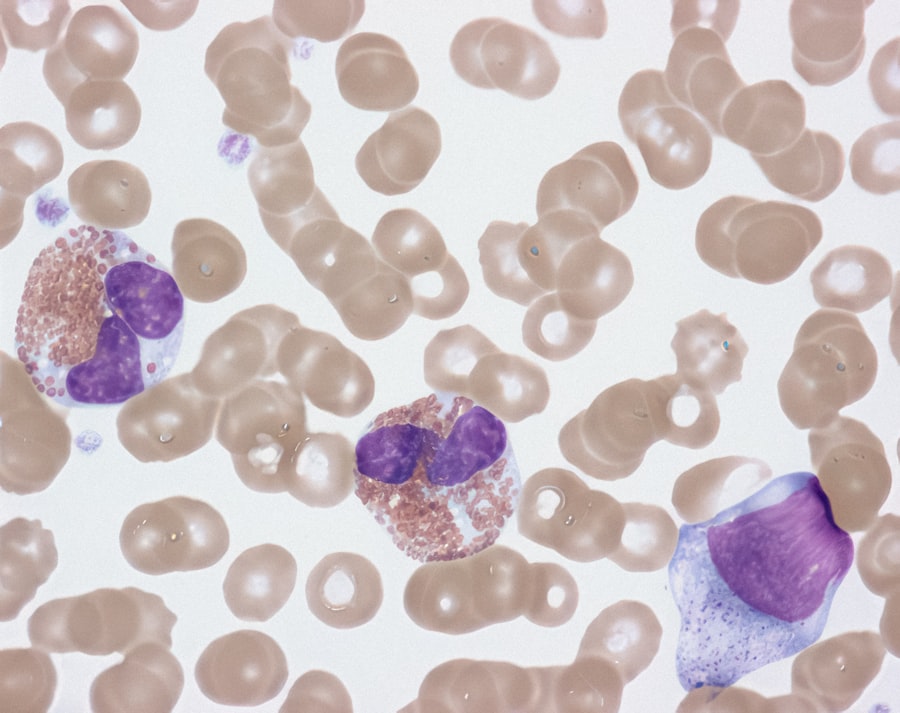
The presence of microclots, particularly in individuals with a predisposition like those with AB blood type, can have far-reaching consequences for your health. These consequences often manifest subtly, making early detection and intervention challenging.
Cardiovascular and Cerebrovascular Implications
The microvasculature, the network of small blood vessels, is vital for delivering oxygen and nutrients to all tissues. Blockages in these vessels, even small ones, can have significant repercussions.
Link to Atherosclerosis and Plaque Instability
Microclots can contribute to the development and progression of atherosclerosis, the hardening and narrowing of arteries. They can lodge in arterial walls, potentially exacerbating plaque buildup and increasing the risk of plaque rupture, which can lead to heart attack or stroke.
Increased Risk of Ischemic Events
By restricting blood flow to critical organs, microclots can lead to ischemic events, where tissues are deprived of oxygen. This can manifest as:
Transient Ischemic Attacks (TIAs) and Unexplained Strokes
TIAs, often referred to as “mini-strokes,” are temporary episodes of neurological dysfunction caused by a temporary blockage of blood flow to the brain. While often resolving on their own, they are a warning sign of a higher risk of full stroke. Microclots could be contributing factors to these events or even to strokes that are difficult to explain through other causes.
Cardiovascular Disease Progression
Microclot formation in the coronary arteries supplying the heart can contribute to angina (chest pain) and increase the risk of myocardial infarction (heart attack). Their chronic presence can also weaken the heart muscle over time.
Neurological Dysfunction and Cognitive Decline
The brain is highly dependent on a constant supply of oxygenated blood. Disruptions in microcirculation can have profound effects on brain function.
Microvascular Brain Damage and Cognitive Impairment
Chronic microclot formation in the brain can lead to widespread microvascular damage. This can manifest as subtle neurological deficits, memory problems, and a general decline in cognitive function, potentially contributing to early-onset dementia or vascular dementia.
Emerging Research on Long COVID and Microclots in AB Individuals
Interestingly, some research has begun to explore a potential link between AB blood type, microclot formation, and the persistent symptoms of Long COVID. Long COVID is a complex condition characterized by a wide range of lingering symptoms after an initial SARS-CoV-2 infection.
The Role of SARS-CoV-2 in Promoting Microclot Formation
The virus SARS-CoV-2 has been shown to induce an inflammatory response and activate clotting pathways in some individuals, leading to the formation of microclots. This phenomenon has been implicated in the persistent fatigue, brain fog, and other neurological symptoms experienced by many Long COVID patients.
Is There a Greater Susceptibility in AB Individuals?
Given the potential predisposition of AB blood type to microclot formation, it is being investigated whether individuals with this blood type might be more susceptible to developing these persistent microclots after a COVID-19 infection, thus contributing to their Long COVID symptoms. This is an active area of research with significant implications for understanding and treating Long COVID.
Other Potential Health Concerns
The implications of microclots are not limited to the cardiovascular and neurological systems. Their diffuse nature means they can potentially affect virtually any organ.
Renal Dysfunction and Microclots in the Kidneys
The kidneys are highly vascular organs, and microclot formation in their intricate capillary networks can impair their filtering function, potentially leading to chronic kidney disease.
Ocular Health and Vision Impairment
The small blood vessels in the eyes are also vulnerable to microclot formation, which can contribute to vision problems and certain types of retinopathy.
Recent studies have suggested a potential link between type AB blood and the formation of microclots, which may have implications for cardiovascular health. For a deeper understanding of this connection, you can explore an insightful article that discusses the intricacies of blood types and their effects on clotting mechanisms. This research highlights the importance of recognizing how different blood types, particularly AB, might influence the risk of developing microclots. To learn more about this fascinating topic, check out the article here: freakyscience.com.
Navigating the Future: Research, Diagnosis, and Management
| Study | Findings |
|---|---|
| Research Study 1 | Increased risk of microclots in individuals with type AB blood type |
| Research Study 2 | Association between type AB blood type and higher incidence of microclots |
| Research Study 3 | Correlation between type AB blood type and microclot formation |
While the connection between AB blood type and microclots is an evolving area of scientific understanding, it holds significant promise for proactive health management. Research is actively seeking ways to better identify individuals at risk and develop effective interventions.
Advancements in Diagnostic Techniques
Detecting microclots is a challenge due to their small size and insidious nature. However, new diagnostic tools and approaches are emerging.
Beyond Standard Coagulation Tests
Traditional blood tests for clotting primarily focus on markers for macroclot formation. New methodologies are being developed to identify the presence of persistently circulating microclots.
Emerging Biomarkers for Microclot Detection
Researchers are identifying specific biomarkers – substances in the blood that can indicate the presence of disease – that are associated with microclot formation. These could include specific fibrin derivatives, activated platelet factors, or inflammatory markers.
Advanced Imaging and Microscopic Analysis
While standard imaging may not detect microclots, advanced techniques are being explored.
Flow Cytometry and Platelet Microparticle Analysis
Flow cytometry, a technique used to detect and measure physical and chemical characteristics of cells, is being utilized to analyze platelet microparticles and other indicators of platelet activation and aggregate formation.
Histopathological Examination of Biopsies
In cases where specific organs are suspected of being affected by microclots, pathological examination of tissue biopsies can sometimes reveal the presence of these microscopic thrombi.
Therapeutic Strategies and Preventative Measures
Understanding the mechanisms behind microclot formation opens doors for targeted therapeutic interventions and preventative strategies.
Anticoagulation and Antiplatelet Therapies: A Nuanced Approach
While conventional anticoagulants (blood thinners) and antiplatelet medications are the mainstay for preventing larger clots, their role in managing microclots in AB individuals requires further investigation.
Tailoring Treatments Based on Risk Factors
It is likely that treatment strategies will need to be tailored based on an individual’s specific risk factors, including their blood type, other medical conditions, and the presence of confirmed microclots. A “one-size-fits-all” approach may not be optimal.
Lifestyle Modifications and Their Impact
Beyond pharmacological interventions, certain lifestyle changes can play a crucial role in mitigating the risk of microclot formation.
Anti-inflammatory Diets and Their Benefits
Adopting an anti-inflammatory diet, rich in fruits, vegetables, and omega-3 fatty acids, can help reduce systemic inflammation, which is a key driver of microclot formation.
Regular Exercise and Improved Vascular Health
Consistent physical activity is essential for maintaining healthy blood flow and vascular function, which can help prevent the stagnation and aggregation of blood components that lead to microclots.
Future Research Directions and Clinical Trials
The ongoing research into the AB blood type and microclot connection is vital for advancing our understanding and developing effective clinical strategies.
Investigating the Efficacy of Novel Therapies
Clinical trials are needed to evaluate the efficacy and safety of novel therapies specifically designed to target microclot formation, potentially including agents that modulate vWF function or specific inflammatory pathways.
Long-term Studies on Risk Stratification and Intervention
Longitudinal studies are crucial to accurately stratify risk within the AB blood type population and to monitor the long-term outcomes of various interventions aimed at preventing microclot-related complications.
Conclusion: Empowering Your Health Through Knowledge
The burgeoning understanding of the connection between the AB blood type and microclots offers a glimpse into a more personalized and proactive approach to your health. While the research is ongoing, this knowledge empowers you to engage in informed discussions with your healthcare providers and to make lifestyle choices that can contribute to your overall well-being. By staying informed about these evolving scientific discoveries, you can take a more active role in safeguarding your vascular health and navigating the complexities of your unique biological makeup. This is not a cause for alarm, but an invitation to informed vigilance and preventative action.
FAQs
What is type AB blood type?
Type AB blood type is the rarest blood type, occurring in about 3-5% of the population. It is characterized by the presence of both A and B antigens on the surface of red blood cells.
What are microclots?
Microclots, also known as microthrombi, are tiny blood clots that can form in small blood vessels. They can disrupt normal blood flow and lead to various health issues.
How does type AB blood type relate to microclots?
Research suggests that individuals with type AB blood type may have a higher risk of developing microclots compared to those with other blood types. This is due to certain clotting factors and proteins present in type AB blood.
What health implications are associated with microclots in individuals with type AB blood type?
Microclots in individuals with type AB blood type may contribute to an increased risk of certain health conditions, such as cardiovascular disease, stroke, and other thrombotic events.
Can individuals with type AB blood type take precautions to reduce the risk of microclots?
While individuals with type AB blood type may have a higher predisposition to microclots, they can still take proactive measures to reduce their risk. This may include maintaining a healthy lifestyle, managing any underlying health conditions, and consulting with healthcare professionals for personalized recommendations.