
Parasites are fascinating organisms that have evolved to live in or on a host, often at the host’s expense. They can be found in various forms, from microscopic protozoa to larger worms and insects. As you delve into the world of parasites, you may find it intriguing how these organisms can influence the behavior of their hosts.
This manipulation is not merely a byproduct of their existence; rather, it is a sophisticated strategy that enhances their survival and reproduction. By altering the behavior of their hosts, parasites can increase their chances of transmission to new hosts, ensuring their lifecycle continues. The effects of parasites on behavior can be profound and varied.
For instance, some parasites may induce lethargy in their hosts, making them more susceptible to predation, which in turn allows the parasite to spread to a new host through the predator’s consumption. Others may incite aggressive behavior, pushing the host to engage in risky activities that facilitate the parasite’s transmission. Understanding these dynamics is crucial, as they reveal the complex interplay between host and parasite, shedding light on how such relationships can shape ecosystems and influence individual behaviors.
Key Takeaways
- Parasites can manipulate host behavior, leading to risky actions and decisions.
- Parasites can impact the brain and influence decision making in hosts.
- Examples of parasites influencing risky behavior in hosts include Toxoplasma gondii and its effect on risk-taking in rodents.
- Engaging in risky behavior due to parasite influence can lead to health risks for the host.
- Understanding the parasite-behavior connection is crucial for public health and safety, and strategies for preventing parasitic infections and limiting risky behavior are important for addressing this issue.
The Link Between Parasites and Risky Behavior
As you explore the connection between parasites and risky behavior, you may begin to see how certain parasites can lead individuals to make choices that are detrimental to their health and safety. This link is particularly evident in cases where parasites manipulate their hosts to engage in behaviors that increase the likelihood of transmission. For example, some studies suggest that individuals infected with certain parasites may exhibit increased impulsivity or a decreased ability to assess risks accurately.
This shift in decision-making can lead to behaviors such as substance abuse, reckless driving, or unprotected sex. The implications of this connection are significant. When you consider how parasites can influence behavior on a broader scale, it becomes clear that they may contribute to public health issues.
For instance, communities with high rates of parasitic infections may also experience elevated levels of risky behaviors, leading to increased rates of sexually transmitted infections or substance abuse disorders. Understanding this link is essential for developing effective public health strategies aimed at reducing both parasitic infections and the risky behaviors they may promote.
How Parasites Manipulate Host Behavior
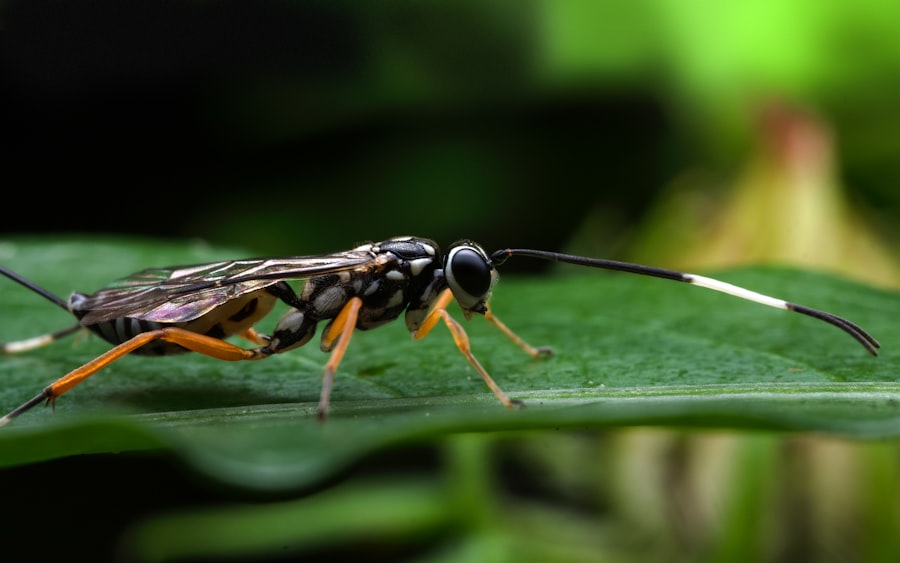
Parasites employ various mechanisms to manipulate the behavior of their hosts, often targeting the nervous system or hormonal pathways. For instance, some parasites release chemicals that alter neurotransmitter levels in the host’s brain, leading to changes in mood and behavior. This biochemical manipulation can result in increased risk-taking or altered social interactions, making the host more likely to engage in activities that facilitate the parasite’s lifecycle.
One well-known example is the Toxoplasma gondii parasite, which infects rodents and alters their fear response to predators. Infected rodents exhibit a reduced fear of cats, making them more likely to be preyed upon. This not only benefits the parasite by allowing it to reach its definitive host but also highlights the intricate ways in which parasites can influence behavior at a biological level.
As you consider these mechanisms, it becomes evident that the relationship between parasites and their hosts is far more complex than mere survival; it involves a sophisticated dance of manipulation and adaptation.
Parasites and the Brain: Impacts on Decision Making
| Parasite | Impact on Decision Making |
|---|---|
| Toxoplasma gondii | May alter risk-taking behavior and reaction times |
| Plasmodium falciparum | Can cause cognitive impairment and affect decision making |
| Trypanosoma brucei | Can lead to confusion, altered sleep patterns, and impaired decision making |
The impact of parasites on decision-making processes is a fascinating area of study that reveals how deeply intertwined our biology is with our behavior. When you think about how parasites can affect brain function, it’s essential to recognize that they can alter cognitive processes such as risk assessment and impulse control. For example, research has shown that individuals infected with certain parasites may exhibit changes in brain structure or function that lead to impaired judgment and increased susceptibility to engaging in risky behaviors.
Moreover, these alterations can have long-lasting effects on an individual’s life choices. If you find yourself considering how these changes manifest in everyday life, think about how someone might make decisions regarding relationships, health practices, or even financial investments while under the influence of a parasitic infection. The implications extend beyond individual health; they can affect community dynamics and public health outcomes as well.
Examples of Parasites Influencing Risky Behavior in Hosts
There are numerous examples of parasites influencing risky behavior across different species, each illustrating the complex relationship between host and parasite. One notable case is that of the lancet liver fluke (Dicrocoelium dendriticum), which infects the brains of ants. The fluke manipulates its host to climb to the top of a blade of grass, where it becomes more likely to be eaten by grazing animals.
This behavior not only benefits the fluke but also highlights how parasites can drive hosts toward actions that seem counterintuitive from an evolutionary perspective. In humans, Toxoplasma gondii serves as another compelling example. Research has indicated that individuals infected with this parasite may exhibit increased risk-taking behaviors, such as engaging in unsafe sexual practices or driving recklessly.
These findings suggest that the influence of parasites on behavior is not limited to non-human hosts but extends into human populations as well. As you reflect on these examples, consider how understanding these dynamics could inform strategies for reducing risky behaviors associated with parasitic infections.
The Health Risks of Engaging in Risky Behavior Due to Parasite Influence

Engaging in risky behaviors influenced by parasites can lead to significant health risks for individuals and communities alike. When you think about the potential consequences of such behaviors—whether it be unprotected sex leading to sexually transmitted infections or substance abuse resulting in addiction—the ramifications are far-reaching. These health risks not only affect the individual but can also strain healthcare systems and impact public health initiatives.
Moreover, the cycle of risky behavior and parasitic infection can create a feedback loop that perpetuates health issues within communities. For instance, if a population experiences high rates of parasitic infections leading to increased risky behaviors, this can result in higher rates of disease transmission and further exacerbate public health challenges. Understanding this cycle is crucial for developing effective interventions aimed at breaking the link between parasitic infections and risky behaviors.
Strategies for Preventing Parasitic Infections and Limiting Risky Behavior
To mitigate the impact of parasitic infections on risky behavior, it is essential to implement effective prevention strategies. As you consider potential approaches, think about public health education campaigns that raise awareness about parasitic infections and their effects on behavior. By informing individuals about the risks associated with these infections, you empower them to make informed decisions regarding their health and lifestyle choices.
Additionally, improving access to healthcare services for diagnosis and treatment of parasitic infections is vital. When individuals have access to timely medical care, they are more likely to receive appropriate treatment and reduce their risk of engaging in harmful behaviors associated with infection. Furthermore, promoting safe practices—such as using protection during sexual activity or avoiding contaminated food and water—can significantly decrease the likelihood of infection and its subsequent influence on behavior.
The Role of Public Health in Addressing Parasite-Related Risky Behavior
Public health plays a critical role in addressing the complex relationship between parasitic infections and risky behavior. As you reflect on this role, consider how public health initiatives can focus on both prevention and intervention strategies aimed at reducing the prevalence of parasitic infections within communities.
Moreover, collaboration between public health officials, healthcare providers, and community organizations is essential for creating comprehensive strategies that address both parasitic infections and associated risky behaviors. By fostering partnerships and sharing resources, communities can develop targeted interventions that effectively reduce infection rates while promoting healthier decision-making among individuals.
Parasites and Risky Behavior in Different Environments and Cultures
The influence of parasites on risky behavior can vary significantly across different environments and cultures.
In some cultures, traditional practices may inadvertently increase exposure to parasites or promote behaviors that facilitate transmission.
Additionally, environmental factors such as socioeconomic status, access to healthcare, and education levels can also play a role in shaping how individuals respond to parasitic infections. Understanding these cultural and environmental contexts is crucial for developing effective public health strategies tailored to specific populations.
Research and Studies on Parasites and Risky Behavior
Research into the relationship between parasites and risky behavior has gained momentum in recent years, revealing intriguing insights into this complex dynamic. As you delve into existing studies, you may find evidence supporting the notion that certain parasitic infections correlate with increased impulsivity or risk-taking behaviors among infected individuals. These findings underscore the importance of continued research in this area to better understand the underlying mechanisms at play.
Moreover, interdisciplinary approaches combining insights from psychology, neuroscience, and epidemiology can provide a more comprehensive understanding of how parasites influence behavior. By fostering collaboration among researchers from various fields, we can develop more effective interventions aimed at reducing both parasitic infections and associated risky behaviors.
The Importance of Understanding the Parasite-Behavior Connection for Public Health and Safety
Understanding the connection between parasites and behavior is crucial for enhancing public health and safety initiatives. As you reflect on this relationship, consider how knowledge about parasite-induced behavioral changes can inform prevention strategies aimed at reducing infection rates and associated risky behaviors. By recognizing the potential impact of parasitic infections on decision-making processes, public health officials can develop targeted interventions that address both health risks simultaneously.
Ultimately, fostering awareness about this connection not only empowers individuals to make informed choices regarding their health but also contributes to broader public health efforts aimed at creating healthier communities. By prioritizing research and education on this topic, we can work towards breaking the cycle of parasitic infections and risky behaviors while promoting overall well-being for all individuals.
Parasites have long fascinated scientists due to their ability to manipulate host behavior, often increasing risk-taking tendencies in their hosts. This intriguing phenomenon is explored in depth in a related article on Freaky Science, which delves into the mechanisms by which certain parasites can alter the neurological pathways of their hosts, leading to increased boldness and risk-taking behaviors. For a comprehensive understanding of how these parasites operate and the implications of their influence on host behavior, you can read more in the article available at Freaky Science. This article provides valuable insights into the complex interactions between parasites and their hosts, shedding light on the evolutionary advantages of such manipulations.
WATCH THIS! Meet the Ocean Virus Rewiring Your Brain — New Science Reveals Its Shocking Influence
FAQs
What are parasites that increase risk taking?
Parasites that increase risk taking are organisms that infect their host and manipulate their behavior to increase the likelihood of transmission to the next host. These parasites can alter the behavior of their host in ways that make them more likely to be eaten by a predator, which allows the parasite to complete its life cycle.
How do parasites increase risk taking in their hosts?
Parasites can increase risk taking in their hosts by altering their behavior in ways that make them more vulnerable to predation. For example, some parasites can make their hosts more active and less cautious, leading them to take risks that they would not normally take.
What are some examples of parasites that increase risk taking?
One example of a parasite that increases risk taking is the Toxoplasma gondii parasite, which infects rodents and alters their behavior to make them more likely to be eaten by cats, the parasite’s definitive host. Another example is the hairworm parasite, which infects grasshoppers and alters their behavior to make them jump into water, where the parasite can complete its life cycle.
What are the potential risks of parasites that increase risk taking?
The potential risks of parasites that increase risk taking include increased vulnerability to predation, which can have negative effects on the survival and reproductive success of the host. Additionally, these parasites can also have indirect effects on ecosystems by altering the behavior of their hosts.
Can parasites that increase risk taking affect humans?
There is evidence to suggest that parasites that increase risk taking in animals may also have effects on human behavior. For example, some studies have found correlations between Toxoplasma gondii infection and changes in human behavior, although the exact mechanisms and implications are still being studied.