
Imagine a world where the line between life and death blurs, where creatures once familiar to you rise from the grave, driven by an insatiable hunger. This is the realm of zombie animals, a concept that has captured the imagination of many through literature, film, and folklore. These creatures, often depicted as grotesque and terrifying, challenge your understanding of biology and the natural order.
The idea of animals returning from the dead or exhibiting behaviors akin to the undead raises questions about life, death, and what it means to be truly alive. Zombie animals are not merely a figment of fiction; they represent a fascinating intersection of science, mythology, and environmental concerns. As you delve deeper into this topic, you will uncover the historical roots of these creatures, their physiological characteristics, and the implications they hold for ecosystems and scientific research.
The phenomenon of zombie animals serves as a lens through which you can explore broader themes of life, death, and the ethical dilemmas that arise in the pursuit of knowledge.
Key Takeaways
- Zombie animals are creatures that have been reanimated after death, often exhibiting aggressive and unpredictable behavior.
- The history of zombie animals dates back to ancient folklore and has evolved in modern pop culture, sparking scientific interest in the phenomenon.
- The physiology of zombie animals involves the reanimation of dead tissue, often attributed to viruses or parasites that manipulate the host’s body.
- The behavior of zombie animals is characterized by aggression, cannibalism, and a lack of fear, posing a threat to both humans and other animals.
- The spread of the zombie virus can have devastating effects on ecosystems, disrupting food chains and causing widespread destruction.
The History of Zombie Animals
The concept of zombie animals has its origins in various cultural myths and legends. From ancient folklore to modern horror stories, tales of creatures that defy death have been prevalent across civilizations. In many cultures, zombies are associated with the idea of resurrection or reanimation, often linked to spiritual beliefs or supernatural forces.
You may find it intriguing that these narratives have evolved over time, reflecting societal fears and anxieties about mortality and the unknown. In more recent history, the portrayal of zombie animals has been influenced by scientific discoveries and advancements in our understanding of diseases. The emergence of parasitic infections that manipulate host behavior has led to a new interpretation of what it means to be a “zombie.” For instance, the infamous Toxoplasma gondii parasite can alter the behavior of rodents, making them more susceptible to predation by cats.
This phenomenon blurs the lines between life and death in a way that is both eerie and fascinating. As you explore this history, you will see how cultural narratives and scientific realities intertwine to shape our understanding of zombie animals.
The Physiology of Zombie Animals
To comprehend the phenomenon of zombie animals fully, you must first examine their physiology. These creatures often exhibit physical changes that set them apart from their living counterparts.
While this imagery is exaggerated for dramatic effect, there are real-life examples of animals that undergo significant physiological changes due to parasitic infections or diseases. For instance, certain fungi can infect insects and manipulate their behavior, leading to physical transformations that resemble the characteristics of a “zombie.” The Cordyceps fungus is notorious for its ability to take over the bodies of ants, effectively turning them into living vessels for its spores. This manipulation results in changes to the ant’s physiology and behavior, ultimately leading to its demise.
As you consider these examples, you will begin to appreciate how real-life phenomena can mirror the fantastical elements often associated with zombie animals.
The Behavior of Zombie Animals
| Animal | Behavior | Prevalence |
|---|---|---|
| Dogs | Aggressive and unpredictable | High |
| Cats | Erratic movements and hissing | Moderate |
| Birds | Flightless and disoriented | Low |
The behavior exhibited by zombie animals is perhaps one of the most compelling aspects of this phenomenon. In many cases, these creatures display altered behaviors that are strikingly different from their normal counterparts. For example, infected animals may become more aggressive or lose their natural instincts for self-preservation.
This change in behavior can be attributed to the influence of parasites or pathogens that hijack the host’s nervous system. You might find it particularly interesting how these behavioral changes serve specific evolutionary purposes for the parasites involved. By altering the host’s behavior, parasites can increase their chances of transmission to new hosts or ensure their own survival.
This manipulation creates a chilling dynamic where the infected animal becomes a pawn in a larger biological game. As you explore this aspect further, you will uncover the intricate relationships between hosts and parasites that give rise to these “zombie-like” behaviors.
The Spread of the Zombie Virus
The spread of what is colloquially referred to as the “zombie virus” is a topic that raises both scientific curiosity and public concern. While there is no single virus responsible for creating zombie animals in the way popular culture depicts, various pathogens can lead to similar outcomes. Understanding how these diseases spread is crucial for managing potential outbreaks and mitigating their impact on wildlife and human populations.
Infectious agents such as rabies or certain strains of encephalitis can lead to aggressive behaviors in animals, resembling those associated with zombies in fiction. These diseases can spread through direct contact with infected individuals or through vectors like ticks and mosquitoes. As you consider the implications of such transmission methods, you will recognize the importance of monitoring wildlife health and implementing preventive measures to curb outbreaks before they escalate.
The Impact of Zombie Animals on Ecosystems
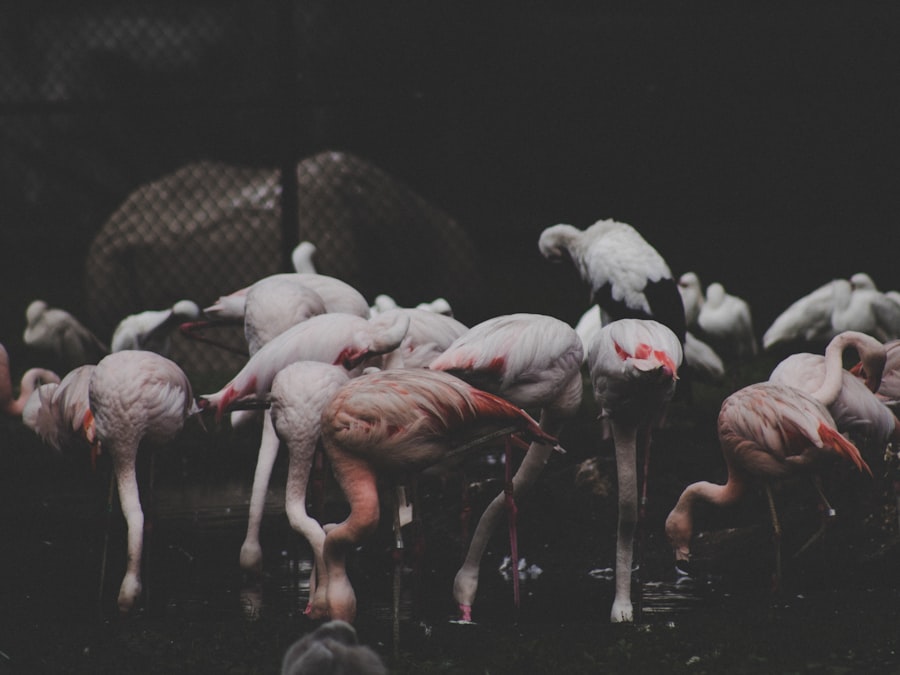
The presence of zombie animals can have profound effects on ecosystems. When an animal exhibits “zombie-like” behavior due to infection or disease, it can disrupt local food chains and alter predator-prey dynamics. For instance, if a population of herbivores becomes infected with a pathogen that affects their behavior, it could lead to overgrazing or changes in vegetation patterns.
This shift can have cascading effects on other species within the ecosystem. Moreover, the introduction of infected animals into new environments can pose significant risks to biodiversity. As you reflect on these impacts, consider how human activities—such as habitat destruction and climate change—can exacerbate these issues by creating conditions conducive to disease spread.
The interplay between zombie animals and ecosystems serves as a reminder of the delicate balance that exists within nature and highlights the need for responsible stewardship of our environment.
The Study of Zombie Animals in Scientific Research
The study of zombie animals has garnered attention within scientific research for its potential insights into disease mechanisms and host-parasite interactions. Researchers are increasingly interested in understanding how certain pathogens manipulate host behavior and physiology to enhance their own survival. By studying these phenomena, scientists can gain valuable knowledge about disease transmission and develop strategies for prevention and control.
You may find it fascinating that research on zombie-like behaviors in animals can also shed light on broader questions related to evolution and ecology. For example, understanding how parasites influence host behavior can provide insights into evolutionary adaptations and co-evolutionary dynamics between species. As you explore this area further, you will discover how studying zombie animals can contribute to advancements in fields such as medicine, ecology, and evolutionary biology.
The Ethical Considerations of Zombie Animal Research
As with any area of scientific inquiry, research involving zombie animals raises ethical considerations that must be carefully navigated. The manipulation of living organisms for research purposes prompts questions about animal welfare and the moral implications of such studies. You may grapple with issues surrounding consent—albeit not in the traditional sense—as well as the potential consequences for both individual animals and entire populations.
Moreover, there is a fine line between scientific curiosity and exploitation. Researchers must balance their desire for knowledge with a responsibility to minimize harm to animal subjects. As you reflect on these ethical dilemmas, consider how they intersect with broader societal values regarding animal rights and conservation efforts.
Engaging with these questions will deepen your understanding of the complexities involved in studying zombie animals.
The Potential for Zombie Animals in Biowarfare
The concept of using zombie animals in biowarfare introduces a chilling dimension to this discussion. While it may sound like something out of a dystopian novel, the potential for pathogens that induce “zombie-like” behaviors raises serious concerns about biological weapons. You might ponder how easily infectious agents could be weaponized to create chaos within enemy populations or disrupt ecosystems.
The implications of such actions extend beyond immediate military objectives; they could lead to long-term ecological damage and public health crises. As you consider this potential threat, it becomes clear that discussions surrounding biowarfare must include ethical considerations about the use of living organisms as weapons. The intersection of science, warfare, and ethics presents a complex landscape that requires careful navigation.
The Future of Zombie Animal Research
Looking ahead, the future of zombie animal research holds both promise and challenges. Advances in technology and genetic engineering may provide new avenues for understanding how pathogens manipulate host behavior. You may envision a world where researchers can develop targeted interventions to prevent disease spread or mitigate its effects on wildlife populations.
However, as with any scientific endeavor, there are risks associated with pushing boundaries in research. The potential for unintended consequences—whether ecological or ethical—must be carefully considered as scientists explore this uncharted territory. As you contemplate the future landscape of zombie animal research, think about how society can foster responsible scientific inquiry while addressing pressing environmental challenges.
Implications and Considerations for Zombie Animals
In conclusion, the phenomenon of zombie animals serves as a captivating lens through which you can explore complex themes related to life, death, disease, and ethics. From their historical roots in folklore to their implications for ecosystems and scientific research, these creatures challenge your understanding of biology and provoke thought about our relationship with nature. As you reflect on the various dimensions discussed throughout this article—from physiological changes to ethical considerations—you will recognize that zombie animals are not merely fictional constructs but rather manifestations of real biological processes that warrant serious attention.
Engaging with these topics encourages a deeper appreciation for the intricacies of life on Earth and underscores the importance of responsible stewardship in an ever-changing world.
In the fascinating realm of nature, the concept of “zombie animals” captivates both scientists and enthusiasts alike. These creatures, often manipulated by parasites, exhibit behaviors that seem to strip them of their free will, turning them into mere puppets. For those intrigued by the eerie science behind these phenomena, an insightful article on the topic can be found on Freaky Science. This piece delves into the mechanisms parasites use to control their hosts, offering a glimpse into the complex interactions that blur the lines between life and death.