
Magnetic rocks, often referred to as magnetite, are naturally occurring minerals that possess the unique ability to attract ferromagnetic materials. These rocks are primarily composed of iron oxide and are known for their strong magnetic properties. Found in various geological settings, magnetic rocks can be identified by their distinctive black or dark brown color and metallic luster.
They are not only fascinating from a geological perspective but also play a significant role in various scientific and industrial applications. The presence of magnetic rocks can be traced back to the Earth’s formation, where they were created through volcanic activity and the cooling of magma. Over millions of years, these rocks have been subjected to various geological processes, including erosion and sedimentation, which have contributed to their distribution across the planet.
The study of magnetic rocks provides valuable insights into the Earth’s magnetic field and its historical changes, making them an essential subject of research in geology and earth sciences.
Key Takeaways
- Magnetic rocks are rocks that have the ability to attract iron and other metals due to their magnetic properties.
- Meteorite magnets are formed when meteorites containing iron-nickel alloys land on Earth and become magnetized by the planet’s magnetic field.
- Meteorite magnets can be identified through various methods such as visual inspection, magnetic susceptibility measurements, and scanning electron microscopy.
- The properties of magnetic rocks include their ability to retain magnetization, their magnetic strength, and their composition of iron and nickel.
- Meteorite magnets have various uses, including in compasses, magnetic therapy, and as educational tools for studying magnetism.
The Formation of Meteorite Magnets
Meteorite magnets, a specific type of magnetic rock, originate from extraterrestrial bodies that have collided with Earth. These meteorites often contain high concentrations of iron and nickel, which contribute to their magnetic properties. When a meteorite enters the Earth’s atmosphere, it experiences extreme heat and pressure, leading to the formation of unique minerals that can exhibit magnetism.
The process of solidification as the meteorite cools down results in the creation of these fascinating magnetic materials. The formation of meteorite magnets is a complex interplay of cosmic events and geological processes. As meteoroids travel through space, they can accumulate various elements and compounds from their parent bodies.
Upon entering the Earth’s atmosphere, they undergo rapid cooling and solidification, which can lead to the crystallization of magnetic minerals like magnetite and kamacite. This transformation not only enhances their magnetic properties but also preserves a record of their journey through space, making them invaluable for scientific study.
Identifying Meteorite Magnets

Identifying meteorite magnets requires a combination of visual inspection and scientific analysis. One of the most straightforward methods is to observe their physical characteristics. Meteorite magnets typically exhibit a metallic sheen and may have a fusion crust—a thin layer formed during their fiery descent through the atmosphere.
Additionally, they often display a density that is significantly higher than that of terrestrial rocks, which can be a key indicator of their extraterrestrial origin. In addition to visual cues, more advanced techniques such as magnetic susceptibility testing can be employed to confirm the presence of magnetism in suspected meteorite samples. This involves measuring how easily a material can be magnetized in response to an external magnetic field.
Furthermore, chemical analysis using methods like X-ray fluorescence (XRF) can provide detailed information about the elemental composition of the rock, helping researchers distinguish between terrestrial rocks and genuine meteorites.
The Properties of Magnetic Rocks
| Property | Description |
|---|---|
| Magnetic Susceptibility | The degree to which a material can be magnetized in an external magnetic field |
| Remanence | The residual magnetization left in a material after the removal of an external magnetic field |
| Coercivity | The measure of the strength of an applied magnetic field required to demagnetize a material |
| Curie Temperature | The temperature at which a material loses its magnetic properties |
Magnetic rocks possess several distinctive properties that set them apart from other geological materials. Their most notable characteristic is their ability to generate a magnetic field, which can be measured using sensitive instruments. This property is primarily due to the presence of iron-rich minerals such as magnetite, which can retain magnetization over long periods.
The strength and orientation of this magnetization can provide insights into the geological history of the region where the rocks are found. In addition to their magnetic properties, these rocks often exhibit unique physical characteristics. For instance, they tend to be dense and heavy compared to non-magnetic rocks, making them easily identifiable in the field.
Their dark coloration and metallic luster further enhance their distinctiveness. Moreover, magnetic rocks can also influence local geological processes; for example, they may affect the behavior of surrounding minerals during metamorphism or sedimentation.
The Uses of Meteorite Magnets
Meteorite magnets have found a variety of applications across different fields due to their unique properties.
By studying the composition and structure of meteorite magnets, scientists can gain insights into the conditions present in the early solar system and how these conditions influenced the development of planets.
Beyond academic research, meteorite magnets have practical applications in technology and industry. Their magnetic properties make them useful in manufacturing high-performance magnets for electric motors, generators, and various electronic devices. Additionally, they are employed in magnetic resonance imaging (MRI) machines in the medical field, where their ability to generate strong magnetic fields is crucial for producing detailed images of internal body structures.
The Impact of Magnetic Rocks on Earth
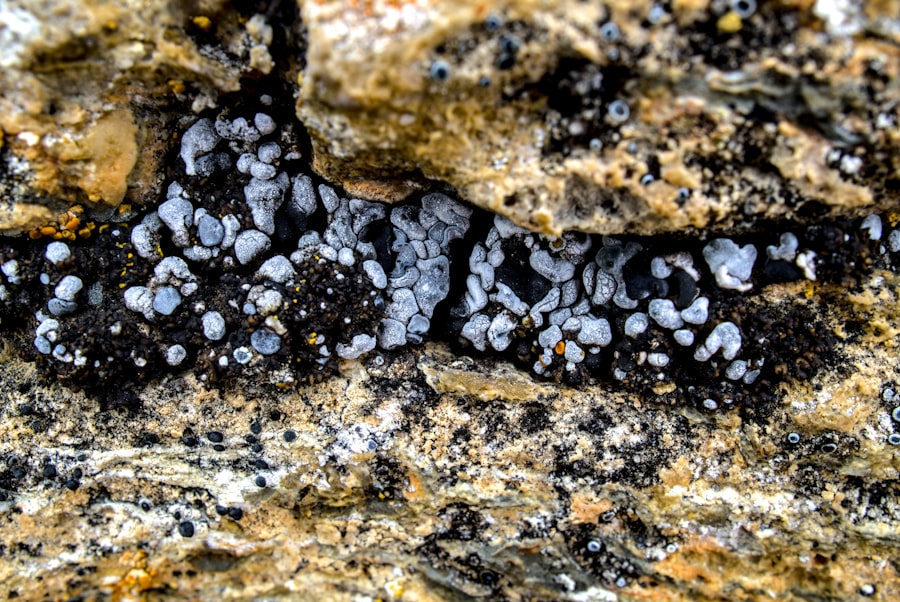
The impact of magnetic rocks on Earth extends beyond their physical presence; they play a significant role in shaping geological processes and influencing the planet’s magnetic field. The distribution of magnetic rocks across different regions can provide valuable information about past tectonic activity and volcanic events. For instance, areas with high concentrations of magnetite may indicate ancient volcanic activity or tectonic shifts that have occurred over millions of years.
Moreover, magnetic rocks contribute to our understanding of geomagnetism—the study of Earth’s magnetic field. By analyzing the orientation and strength of magnetization in these rocks, geologists can reconstruct historical changes in the Earth’s magnetic field. This information is crucial for understanding phenomena such as geomagnetic reversals, where the magnetic poles switch places over geological time scales.
The Role of Magnetic Rocks in Space Exploration
Magnetic rocks play a pivotal role in space exploration by providing insights into the composition and history of celestial bodies. As space agencies continue to explore other planets and moons within our solar system, understanding the presence and characteristics of magnetic materials becomes increasingly important. For instance, missions to Mars have focused on identifying magnetic minerals that could reveal information about past water activity and geological processes on the planet.
Additionally, studying meteorite magnets helps scientists understand the conditions under which these materials formed in space. By analyzing samples returned from missions or collected from meteorite falls on Earth, researchers can gain insights into the early solar system’s environment and the processes that led to planet formation. This knowledge is essential for developing models that explain how planets evolve over time.
The Magnetism of Meteorites
The magnetism exhibited by meteorites is a fascinating aspect that has intrigued scientists for decades. Unlike terrestrial rocks, which may exhibit varying degrees of magnetism based on their mineral composition, meteorites often display strong and consistent magnetic properties due to their high iron content. This magnetism is not only a result of their elemental makeup but also reflects their history as they traveled through space.
Meteorites can be classified into different categories based on their magnetic properties. For example, iron meteorites are primarily composed of metallic iron and nickel and exhibit strong magnetism due to their dense structure. In contrast, stony meteorites may contain varying amounts of iron-bearing minerals that contribute to their overall magnetic characteristics.
Understanding these differences is crucial for classifying meteorites and studying their origins.
The Study of Magnetic Rocks in Geology
The study of magnetic rocks is an essential component of geology that provides valuable insights into Earth’s history and processes. Geologists utilize magnetic properties to investigate past geological events such as volcanic eruptions, tectonic movements, and sedimentation patterns. By analyzing rock samples from different locations, researchers can reconstruct ancient environments and understand how they have changed over time.
Furthermore, magnetic studies contribute to paleomagnetism—the study of Earth’s historical magnetic field changes. By examining the orientation of magnetized minerals within rocks, geologists can determine how Earth’s magnetic field has shifted throughout its history. This information is vital for understanding plate tectonics and the movement of continents over geological time scales.
The Influence of Magnetic Rocks on Ancient Civilizations
Throughout history, ancient civilizations have recognized the significance of magnetic rocks and their unique properties. Cultures such as the Greeks and Chinese were among the first to document observations related to magnetism, often associating it with mystical or navigational abilities. The lodestone—a naturally magnetized piece of magnetite—was used by ancient mariners for navigation long before modern compasses were developed.
Moreover, magnetic rocks have influenced various cultural practices and beliefs across different societies. In some cultures, they were believed to possess healing properties or were used in rituals aimed at harnessing their energy. The fascination with magnetism has persisted through centuries, shaping human understanding of natural phenomena and inspiring advancements in science and technology.
The Future of Meteorite Magnets
The future of meteorite magnets holds great promise as scientific research continues to advance our understanding of these fascinating materials. With ongoing space exploration missions aimed at collecting samples from asteroids and other celestial bodies, researchers anticipate discovering new types of meteorite magnets that could provide unprecedented insights into planetary formation processes. Additionally, advancements in technology may lead to innovative applications for meteorite magnets in various industries.
As scientists explore new ways to harness their unique properties, there may be potential for developing more efficient energy sources or improving existing technologies in fields such as electronics and medicine. The continued study of meteorite magnets will undoubtedly unveil new discoveries that deepen humanity’s understanding of both Earth and the cosmos beyond it.
In the fascinating world of geology, magnetic rocks have long intrigued scientists due to their unique properties and potential to attract meteorites. These rocks, often rich in iron and other magnetic minerals, can create localized magnetic fields strong enough to draw in metallic meteorite fragments. For those interested in delving deeper into this captivating subject, an insightful article on the topic can be found on Freaky Science. This article explores the science behind magnetic rocks and their interaction with meteorites, providing a comprehensive overview of current research and discoveries. To read more, visit the article on Freaky Science.
WATCH THIS! They Crashed a US Missile Into the Zone of Silence
FAQs
What are magnetic rocks that attract meteorites?
Magnetic rocks that attract meteorites are naturally occurring rocks that have a high concentration of iron and nickel, which makes them magnetic. These rocks can attract and capture meteorites that pass through Earth’s atmosphere.
How do magnetic rocks attract meteorites?
Magnetic rocks attract meteorites due to their magnetic properties. When a meteorite enters Earth’s atmosphere, it can be drawn towards magnetic rocks due to the magnetic force exerted by the rocks’ iron and nickel content.
Where are magnetic rocks that attract meteorites found?
Magnetic rocks that attract meteorites can be found in various locations around the world, including deserts, plains, and other open areas where meteorites are more likely to land. These rocks are often discovered in regions with a history of meteorite falls.
Can magnetic rocks be used to locate meteorites?
Yes, magnetic rocks can be used as a tool to help locate meteorites. Meteorite hunters often use metal detectors to search for magnetic rocks, as these rocks can indicate the presence of meteorites in the area.
Are there specific types of magnetic rocks that are more likely to attract meteorites?
Certain types of magnetic rocks, such as iron meteorites, are more likely to attract other meteorites due to their high iron and nickel content. These rocks can act as natural magnets for other meteorites that pass through the Earth’s atmosphere.