
In an increasingly globalized world, the demand for translation services has surged, leading to the rise of no-human translation methods. This approach leverages advanced technology, such as machine translation and artificial intelligence, to convert text from one language to another without human intervention. While these tools offer speed and efficiency, they also raise significant concerns regarding accuracy and cultural nuances.
As businesses and individuals seek to communicate across linguistic barriers, understanding the implications of no-human translation becomes essential. No-human translation has gained traction due to its ability to process vast amounts of text quickly and at a lower cost than traditional human translation. However, the reliance on algorithms and software can lead to oversights that may compromise the quality of the translated content.
As organizations increasingly adopt these technologies, it is crucial to recognize both the advantages and the limitations inherent in no-human translation. This article will explore the risks associated with this method, the importance of accurate translation, common errors that arise, and strategies to mitigate these risks.
Key Takeaways
- No-human translation refers to the use of machine translation tools and algorithms to translate text without human intervention.
- Risks of no-human translation include inaccuracies, loss of nuance, and potential cultural insensitivity.
- Accurate translation is crucial for maintaining the integrity and meaning of the original text.
- Common errors in no-human translation include mistranslations, syntax errors, and misinterpretation of context.
- Strategies for avoiding risks in no-human translation include using reliable translation tools, implementing quality control measures, and seeking professional translation services.
Understanding the Risks of No-Human Translation
The primary risk associated with no-human translation lies in its potential for inaccuracies. Machine translation systems often struggle with idiomatic expressions, colloquialisms, and context-specific language, which can result in translations that are not only incorrect but also misleading. For instance, a phrase that carries a specific cultural connotation in one language may be rendered literally in another, stripping it of its intended meaning.
This can lead to misunderstandings that may have serious repercussions in business communications or legal documents. Moreover, no-human translation lacks the ability to adapt to the subtleties of human emotion and intent. While machines can analyze patterns and generate translations based on data, they cannot grasp the nuances of tone or sentiment that a human translator would naturally consider.
This limitation can be particularly problematic in fields such as marketing or literature, where emotional resonance is crucial. As a result, organizations that rely solely on no-human translation may find themselves alienating their target audience or misrepresenting their brand.
Importance of Accurate Translation
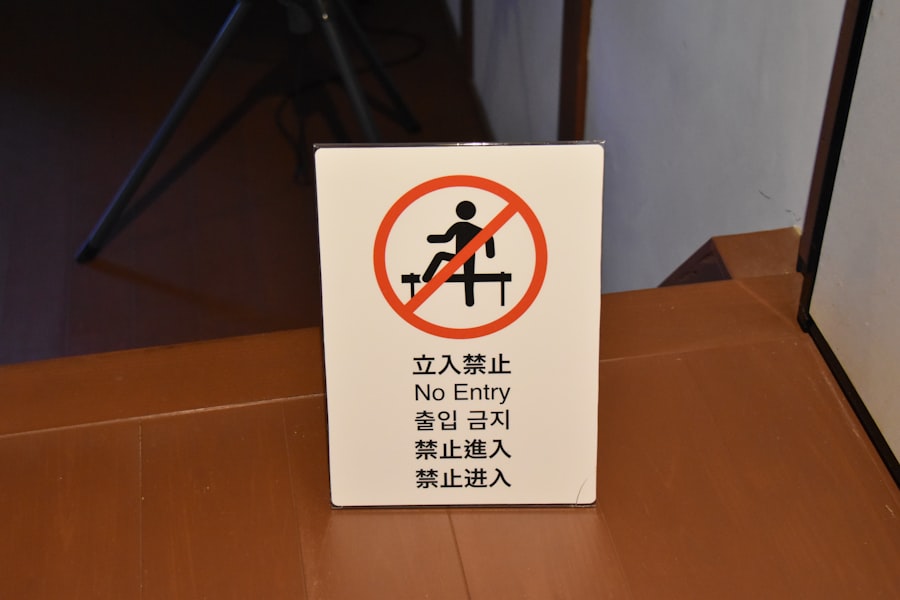
Accurate translation is vital for effective communication across cultures. Inaccuracies can lead to confusion, misinterpretation, and even damage to reputations. For businesses operating in international markets, precise translations are essential for conveying brand messages, product information, and legal terms accurately.
A single mistranslation can result in lost sales or legal disputes, underscoring the need for meticulous attention to detail in all translated materials. Furthermore, accurate translation fosters trust between parties. When individuals or organizations communicate in a language that is not their native tongue, they rely on translations to convey their messages clearly.
If these translations are flawed, it can create doubt about the credibility of the source. In contrast, high-quality translations enhance professionalism and demonstrate respect for the target audience’s language and culture. This respect is crucial for building long-term relationships in business and personal interactions alike.
Common Errors in No-Human Translation
| Error Type | Description | Impact |
|---|---|---|
| Grammatical Errors | Mistakes in sentence structure, verb tense, or word order. | Can lead to confusion and misinterpretation of the message. |
| Spelling Mistakes | Incorrect spelling of words. | Can make the content look unprofessional and decrease credibility. |
| Contextual Errors | Failing to capture the intended meaning or tone of the original text. | Can result in miscommunication and misunderstanding. |
| Idiomatic Errors | Translating idioms or expressions literally, leading to nonsensical phrases. | Can cause confusion and make the content sound unnatural. |
No-human translation systems are prone to several common errors that can significantly impact the quality of the output. One prevalent issue is the misinterpretation of homonyms—words that sound alike but have different meanings. For example, the English word “lead” can refer to a metal or the act of guiding someone.
A machine translation tool may not discern which meaning is appropriate based on context, leading to confusion in the final output. Another frequent error involves grammatical structures that differ between languages. For instance, some languages have gendered nouns or specific verb conjugations that do not exist in others.
Additionally, cultural references or idiomatic expressions often do not translate well; a phrase that is perfectly acceptable in one culture may be completely inappropriate or nonsensical in another. These errors highlight the limitations of relying solely on technology for translation tasks.
Strategies for Avoiding Risks in No-Human Translation
To mitigate the risks associated with no-human translation, organizations can adopt several strategies that enhance the quality of their translated content. One effective approach is to implement a hybrid model that combines machine translation with human oversight. By using technology to generate initial translations and then having human translators review and refine the output, organizations can benefit from both speed and accuracy.
Another strategy involves investing in training for employees who utilize no-human translation tools. By educating staff on the limitations of these technologies and providing guidelines for best practices, organizations can reduce the likelihood of errors slipping through unnoticed. Additionally, fostering a culture of collaboration between linguists and technology experts can lead to improved outcomes as both parties work together to enhance translation processes.
Using Reliable Translation Tools
Selecting reliable translation tools is crucial for minimizing errors in no-human translation. Organizations should prioritize tools that have been tested and validated for accuracy across various languages and contexts. Some advanced machine translation systems incorporate neural networks and deep learning algorithms, which can significantly improve translation quality by better understanding context and semantics.
Furthermore, organizations should regularly update their chosen tools to ensure they benefit from the latest advancements in technology. As machine learning models evolve, newer versions of translation software may offer enhanced capabilities that address previous shortcomings. By staying informed about developments in translation technology, organizations can make informed decisions about which tools best meet their needs.
Implementing Quality Control Measures
Quality control measures are essential for ensuring that no-human translations meet established standards of accuracy and clarity. Organizations can implement a multi-step review process that includes automated checks for common errors followed by human review for context-specific issues. This layered approach helps catch mistakes that might otherwise go unnoticed in a purely automated process.
Additionally, organizations should establish clear guidelines for what constitutes an acceptable level of quality in translated materials. By defining criteria such as accuracy, cultural relevance, and tone consistency, organizations can create benchmarks against which translations can be evaluated. Regular audits of translated content can also help identify recurring issues and inform future improvements in both processes and tools.
Human Proofreading and Editing
Despite advancements in technology, human proofreading and editing remain indispensable components of the translation process. Human translators possess an innate understanding of language nuances that machines cannot replicate. They can identify errors related to tone, style, and cultural context that automated systems may overlook.
Incorporating human oversight into the translation workflow not only enhances accuracy but also adds a layer of creativity that machines lack. For instance, when translating marketing materials or literary works, human editors can ensure that the final product resonates with the target audience on an emotional level. This collaborative approach between technology and human expertise ultimately leads to higher-quality translations that effectively convey intended messages.
Incorporating Cultural Sensitivity
Cultural sensitivity is a critical aspect of effective translation that no-human systems often fail to address adequately.
Organizations must prioritize cultural awareness when developing their translation strategies.
To incorporate cultural sensitivity into no-human translation processes, organizations can engage local experts who understand the target culture’s nuances. These experts can provide insights into appropriate language use and help identify potential pitfalls that automated systems might miss. By fostering collaboration between linguists and cultural consultants, organizations can create translations that resonate authentically with their intended audience.
Seeking Professional Translation Services
While no-human translation offers certain advantages, there are instances where seeking professional translation services is essential. Professional translators bring a wealth of experience and expertise that cannot be replicated by machines alone. They possess an understanding of linguistic intricacies and cultural contexts that ensure high-quality translations tailored to specific needs.
Organizations should consider partnering with professional translation services for critical documents or communications where accuracy is paramount. This investment not only enhances the quality of translated content but also demonstrates a commitment to effective cross-cultural communication. By leveraging professional expertise alongside no-human tools, organizations can achieve optimal results while minimizing risks associated with inaccurate translations.
Conclusion and Final Recommendations
In conclusion, while no-human translation offers speed and cost-effectiveness, it is essential to recognize its limitations and potential risks. The importance of accurate translation cannot be overstated; it serves as a bridge between cultures and facilitates meaningful communication. By understanding common errors associated with no-human translation and implementing strategies to mitigate these risks—such as using reliable tools, establishing quality control measures, incorporating human oversight, and seeking professional services—organizations can enhance their translation processes significantly.
Ultimately, a balanced approach that combines technology with human expertise will yield the best results in cross-linguistic communication. As organizations navigate an increasingly interconnected world, prioritizing quality in translation will not only protect their reputations but also foster trust and understanding across diverse audiences.
In the rapidly evolving field of machine translation, the concept of “no human in the loop” has sparked significant debate regarding the potential risks associated with fully automated systems. An insightful article on this topic can be found on Freaky Science, which delves into the challenges and implications of removing human oversight from translation processes. The article highlights concerns such as the potential for errors, cultural misunderstandings, and the loss of nuanced language interpretation. For a deeper understanding of these issues, you can read more about it on their website.
WATCH THIS! 🤖AI Is Already Speaking a Forbidden, Unhackable Language
FAQs
What is “no human in the loop” translation?
“No human in the loop” translation refers to the process of using automated machine translation systems without human intervention or oversight. This means that the translation is generated solely by a machine without any human involvement in the process.
What are the risks of “no human in the loop” translation?
The risks of “no human in the loop” translation include inaccuracies in translation, loss of nuance and context, potential for offensive or inappropriate language, and the inability to understand and translate idiomatic expressions or cultural nuances. Additionally, there is a risk of sensitive or confidential information being mishandled in the translation process.
How do inaccuracies in “no human in the loop” translation occur?
Inaccuracies in “no human in the loop” translation can occur due to the limitations of machine translation algorithms in understanding complex language structures, idiomatic expressions, and cultural nuances. Additionally, the lack of human oversight means that there is no opportunity to correct or improve the translation based on context or specific requirements.
What are some examples of potential risks in “no human in the loop” translation?
Some examples of potential risks in “no human in the loop” translation include mistranslation of legal or medical documents, miscommunication in business or diplomatic contexts, and the unintentional dissemination of offensive or inappropriate language. Additionally, sensitive information may be mishandled or misrepresented in the translation process.
How can organizations mitigate the risks of “no human in the loop” translation?
Organizations can mitigate the risks of “no human in the loop” translation by implementing quality control measures, using post-editing by human translators to review machine-generated translations, and providing training and guidelines for using automated translation tools. It is also important to recognize the limitations of machine translation and to use it in conjunction with human expertise when necessary.