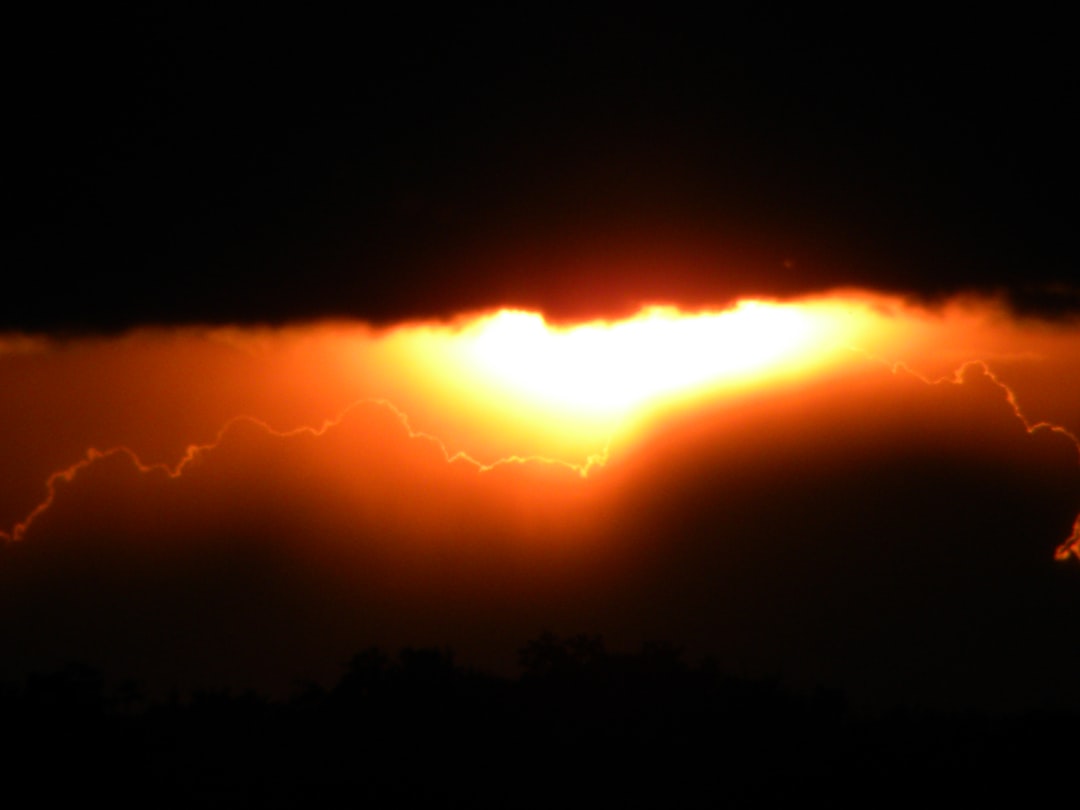
The year 20XX saw the world on the precipice of an unprecedented event. A massive coronal mass ejection (CME) launched from the Sun, hurtling towards Earth. Scientists, utilizing advanced solar observation satellites and sophisticated modeling, issued what became known as the ’92 Minute Warning’ – the shortest lead time ever recorded for a geomagnetic storm of this magnitude. This article details the events surrounding this hypothetical solar storm alert, exploring the scientific understanding, the potential impacts on Earth’s infrastructure, and the societal response to such a critical situation.
Recent studies have highlighted the importance of understanding solar storms and their potential impact on Earth, particularly regarding the 92-minute warning window that scientists have identified. This brief period can be crucial for preparing for the effects of solar storms, which can disrupt communication systems and power grids. For more in-depth information on this topic, you can read the related article at Freaky Science.
Understanding the Sun’s Fury: The Science Behind the Alert
The Sun, a star in its main sequence, is a dynamic celestial body. Its turbulent atmosphere, the solar corona, is the source of powerful bursts of energy and particles known as solar flares and coronal mass ejections (CMEs). These events are driven by the Sun’s magnetic field, which is constantly twisting and reconfiguring. When these magnetic field lines snap, they release vast amounts of energy and plasma into space.
The Mechanics of a Coronal Mass Ejection
CMEs are colossal eruptions of plasma and magnetic field from the Sun’s corona. They are often associated with solar flares, though they can occur independently. These eruptions can travel at speeds ranging from hundreds to thousands of kilometers per second. The mass ejected can be billions of tons of solar material. The magnetic orientation of the CME’s embedded magnetic field is crucial in determining its potential impact on Earth. If the CME’s magnetic field is oriented southward (opposite to Earth’s magnetic field), it can more easily connect with Earth’s magnetosphere, leading to a more significant geomagnetic storm.
The CME’s Trajectory and Earthbound Threat
The CME in the ’92 Minute Warning’ scenario was unusually fast and directed squarely at Earth. The Sun’s magnetic field lines, like invisible elastic bands, had coiled and snapped with immense force. The erupting plasma, a fiery torrent, began its journey across the 150 million kilometer gulf separating our planet from its star. While CMEs typically take days to reach Earth, this particular event was an outlier. Its immense speed left Earth’s monitoring systems scrambling to react. The ’92 Minute Warning’ reflected the precise moment when the CME’s trajectory could be confidently predicted to impact Earth’s magnetosphere directly, leaving a critically short window for preparation.
Geomagnetic Storms: The Earth’s Response
When a CME or a high-speed solar wind stream interacts with Earth’s magnetosphere – the protective bubble generated by our planet’s magnetic field – it can trigger a geomagnetic storm. This interaction compresses the magnetosphere, injecting energy and charged particles into it. These particles then travel along Earth’s magnetic field lines, often converging at the poles. The consequences of this energy transfer can range from spectacular auroral displays to widespread disruptions of technology.
The ’92 Minute Warning’: A Race Against Time

The issuance of the ’92 Minute Warning’ was a moment of global shock and urgency. The notification, disseminated through every available channel, was stark and unambiguous. The scientific community, having monitored the Sun’s escalating activity, knew the implications of such a rapid, direct-hit CME.
Immediate Alert Systems and Channels
Within minutes of the primary observational data confirming the imminent impact, a cascade of alerts was initiated. Emergency broadcast systems on television and radio, national and international mobile alert networks, and dedicated scientific communication channels all sprang into action. These systems, designed to bypass congested communication infrastructure during emergencies, became the lifeline of information, cutting through the noise like a lighthouse beam through fog.
The Scientific Community’s Coordinated Response
Scientists, astrophysicists, and space weather forecasters worldwide immediately shifted into high gear. Data from solar observatories like the Solar Dynamics Observatory (SDO), the Parker Solar Probe, and the upcoming European mission, Solar Orbiter, were fed into supercomputers. These machines, the brains of the operation, ran complex simulations to predict the magnitude and specific impacts of the storm. This was a finely tuned orchestra, with each instrument playing its part in a desperate attempt to provide the most accurate forecast possible.
Public Communication and Public Service Announcements
Public service announcements (PSAs) were broadcast with a tone of grave but composed urgency. They aimed to inform the public without inciting panic, providing actionable advice. These messages, a crucial bridge between scientific prediction and public behavior, emphasized the need to secure electronic devices, unplug sensitive equipment, and be aware of potential disruptions.
Potential Impacts on Earth’s Modern Infrastructure
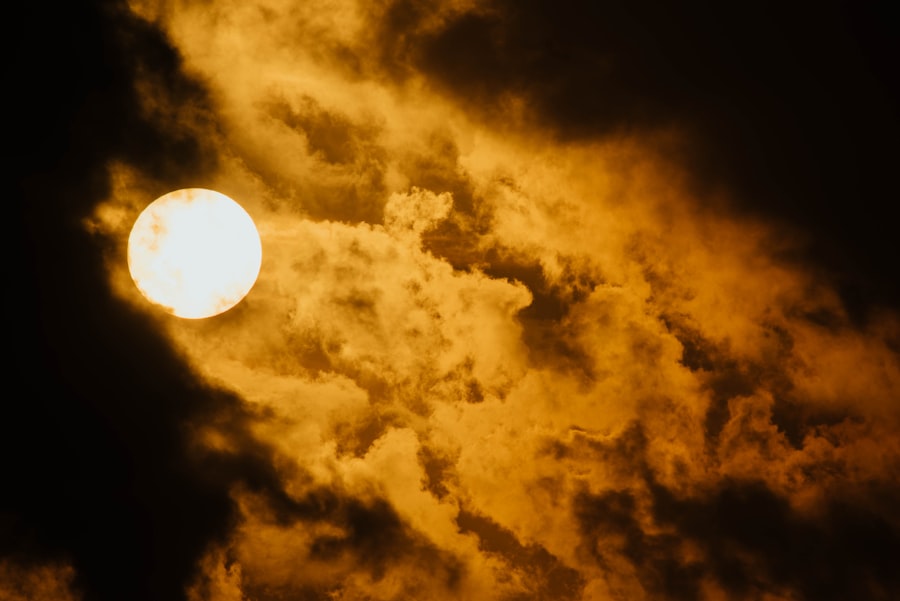
The primary concern surrounding a severe geomagnetic storm lies in its potential to cripple the complex technological systems that underpin modern society. The immense energy unleashed by the Sun can act like a cosmic sledgehammer, capable of shattering the delicate balance of our electronic world.
Power Grids: The Vulnerable Arteries
The most significant risk lies with electrical grids. Geomagnetic storms can induce powerful electrical currents, known as geomagnetically induced currents (GICs), in long conductors like power lines. These GICs can overload transformers, leading to widespread blackouts. Imagine a river overflowing its banks, the force of the water overwhelming its containment. GICs can have a similar effect on the flow of electricity, creating surges that damage critical components. The longer the transmission lines, the more susceptible they are to these induced currents, making the interconnectedness of modern grids both a strength and a profound vulnerability.
Transformer Damage and Cascading Failures
The core vulnerability within power grids are the large, expensive transformers that step voltage up and down at various points. These are not designed to withstand the continuous, fluctuating surges of GICs. A single transformer failure can trigger a domino effect, leading to cascading failures across an entire region. The ’92 Minute Warning’ provided a critical, albeit short, window for grid operators to implement emergency protocols, such as temporarily disconnecting vulnerable sections, shedding loads, and activating backup systems.
Long-Term Power Outages and Recovery Challenges
The potential for long-duration power outages is a grave concern. Unlike a typical storm where power can often be restored within hours or days, damage to transformers from a severe geomagnetic storm could take months, if not years, to repair or replace. The global supply chain for these specialized components is limited, and manufacturing new ones is a time-consuming process. This could plunge vast areas into prolonged darkness, impacting everything from communication and transportation to food and water supply.
Satellite Systems: The Eyes and Ears in Orbit
Satellites, crucial for communication, navigation (GPS), weather forecasting, and scientific research, are also highly vulnerable. The increased influx of energetic particles can degrade electronic components, corrupt data, and interfere with their ability to maintain their orbits. The ’92 Minute Warning’ initiated immediate protocols for satellite operators to put their spacecraft into safe modes, shielding sensitive instruments and attempting to ride out the storm.
Communications Satellites and Global Connectivity
The disruption of communications satellites would have far-reaching consequences. Global internet access, international phone calls, and many forms of electronic commerce rely heavily on these orbiting nodes. Imagine the world’s nervous system suddenly experiencing a widespread short-circuit; that’s the potential impact on global connectivity.
Navigation Systems and Transportation Reliance
GPS satellites, vital for air traffic control, shipping, and increasingly for ground transportation, could be subject to inaccuracies or complete failure. This would create significant disruption for any system relying on precise location data.
Communication Networks: The Digital Lifelines
Ground-based communication networks, including cellular towers and fiber-optic cables, can also be affected. While generally more resilient than satellites, the power surges and disruptions to power grids can still render them inoperable. The increased ionization of the atmosphere during a geomagnetic storm can also disrupt radio communications, particularly high-frequency (HF) radio used for long-distance communication.
Radio Blackouts and Unreliable Communications
HF radio, a crucial tool for aviation and maritime communications, as well as for emergency services in remote areas, can experience significant degradation or complete blackouts during solar storms. This effectively blinds these essential communication channels.
Potential for Electronic Device Damage
While less likely than large-scale infrastructure failure, individual electronic devices can also be susceptible to damage from high-energy particles, particularly during prolonged exposure. This is why the advice to unplug devices was issued.
Recent studies have highlighted the importance of understanding solar storms and their potential impact on Earth, particularly the 92-minute warning window that scientists have identified. This brief period can be crucial for preparing for the effects of solar activity on technology and infrastructure. For more insights into the implications of solar storms and how they can affect our daily lives, you can read a related article on this topic at Freaky Science.
Societal Response and Mitigation Strategies
| Metric | Value | Unit | Description |
|---|---|---|---|
| Warning Window Duration | 92 | minutes | Time between detection of solar storm and its impact on Earth |
| Solar Wind Speed | 800 | km/s | Speed of solar particles during the storm |
| Geomagnetic Storm Intensity (Kp Index) | 8 | scale 0-9 | Severity of geomagnetic disturbance |
| Electromagnetic Pulse Arrival Time | 92 | minutes | Time from solar flare detection to EMP impact |
| Satellite Alert Time | 15 | minutes | Time taken for satellites to send alerts after detection |
| Potential Power Grid Impact | High | N/A | Risk level of power grid disruption |
The ’92 Minute Warning’ sparked a global, immediate effort to mitigate the impending disaster. While the short notice presented immense challenges, it also galvanized a unprecedented level of cooperation and preparedness.
Emergency Management and Government Action
Governments worldwide activated their emergency management agencies. These agencies, tasked with coordinating responses to disasters, focused on securing critical infrastructure, prioritizing essential services, and disseminating accurate information. This was a moment when the abstract plans for disaster response were thrust into the harsh reality of immediate action.
National and International Coordination
The interconnected nature of modern infrastructure necessitated a high degree of international cooperation. Nations shared real-time data, coordinated resource allocation, and implemented synchronized protective measures for shared infrastructure like undersea communication cables.
Prioritization of Essential Services
When faced with potential widespread disruptions, governments focused on maintaining essential services such as healthcare, emergency response, and food and water distribution. This involved pre-positioning supplies, activating backup generators, and establishing communication protocols that relied on less vulnerable technologies where possible.
Business Continuity and Industrial Preparedness
Businesses, particularly those heavily reliant on technology, implemented their business continuity plans. This involved securing data, activating backup power sources, and preparing for potential disruptions to supply chains and communication. For industries like finance, where even momentary disruptions can have significant economic consequences, the ’92 Minute Warning’ was a catalyst for extreme caution.
Financial Sector Safeguards
The global financial system, a vast network of interconnected digital transactions, is particularly sensitive to electronic disruptions. Banks and financial institutions activated emergency protocols to safeguard transactions, secure their networks, and prepare for potential periods of limited electronic trading.
Critical Infrastructure Protection
Industries operating critical infrastructure, such as water treatment plants and transportation hubs, intensified their protective measures. This included redundant power systems, secure communication links, and extensive system monitoring.
Public Preparedness and Individual Actions
The public was urged to take immediate, practical steps. This included:
- Securing Electronic Devices: Unplugging sensitive electronics like computers, televisions, and charging devices to protect them from power surges.
- Stockpiling Essentials: Ensuring a supply of non-perishable food, water, medications, and batteries.
- Alternative Communication: Having access to battery-powered radios for receiving information and considering alternative communication methods like landline phones if available and functional.
- Preparedness Kits: Having readily accessible emergency kits with first-aid supplies, flashlights, and manual can openers.
The ’92 Minute Warning’ served as a stark reminder that preparedness extends beyond natural disasters that impact the ground beneath our feet; it also encompasses threats from the celestial realm above.
The Aftermath and Lessons Learned
The hypothetical ’92 Minute Warning’ scenario, while terrifying in its implications, would undoubtedly provide invaluable lessons for future endeavors in space weather prediction and mitigation. The immediate aftermath would be a period of intensive assessment and learning.
Assessing the Damage and Recovery Efforts
Following the geomagnetic storm’s passage, a comprehensive assessment of the damage would be undertaken. This would involve surveying the extent of power outages, identifying damaged infrastructure – particularly transformers – and evaluating the functionality of satellite constellations. Recovery efforts would be a monumental undertaking, requiring global cooperation and immense resources.
Infrastructure Repair and Replacement
The repair and replacement of damaged power grid components would likely be the most challenging and time-consuming aspect of the recovery. The global scarcity of specialized transformers would necessitate a coordinated effort to prioritize repairs and expedite manufacturing.
Satellite Service Restoration
Restoring communication and navigation services would depend on the degree of satellite damage. Efforts would focus on bringing backup satellites online, repositioning operational spacecraft, and potentially launching replacement missions.
Advancements in Space Weather Forecasting
The ’92 Minute Warning’ would serve as a powerful impetus for rapid advancements in space weather forecasting. Scientists would analyze the data from the event to refine predictive models, improve early detection capabilities, and better understand the complex processes driving CMEs. The lessons learned from this extreme event would be translated into enhanced monitoring systems and more accurate prediction algorithms.
Improved Observational Capabilities
Investments in next-generation solar observatories, both ground-based and space-based, would likely be prioritized. These new instruments would be designed to provide higher resolution data, faster analysis, and more precise tracking of CMEs and solar wind streams.
Enhanced Predictive Modeling
The accuracy of predictive models would be significantly enhanced by incorporating the detailed data from the ’92 Minute Warning’ event. This would allow for more precise predictions of CME arrival times, magnitudes, and potential impacts on Earth’s magnetic field.
Long-Term Societal Preparedness and Resilience
The experience of the ’92 Minute Warning’ would undoubtedly reshape long-term societal preparedness strategies. It would highlight the need for greater resilience in critical infrastructure, diversification of communication systems, and a sustained public awareness campaign regarding space weather risks. The very fabric of our interconnected, technology-dependent world would be re-examined through the lens of this celestial threat. It would be a profound realization that while we have conquered many challenges on Earth, the power of our own star remains a force to be reckoned with, demanding our constant vigilance and respect.
FAQs
What is a solar storm?
A solar storm is a disturbance on the Sun, such as a solar flare or coronal mass ejection (CME), that releases large amounts of energy and charged particles into space. When these particles reach Earth, they can affect satellites, power grids, and communication systems.
What does the “92 minute warning window” refer to in the context of a solar storm?
The “92 minute warning window” refers to the approximate time it takes for solar particles, traveling at the speed of light, to reach Earth after a solar flare is detected. This short window provides limited time for issuing alerts and taking protective measures against the storm’s effects.
How are solar storms detected and monitored?
Solar storms are detected using space-based observatories and satellites equipped with instruments that monitor solar activity, such as solar flares and CMEs. Agencies like NASA and NOAA track these events in real-time to provide warnings.
What are the potential impacts of a solar storm on Earth?
Solar storms can disrupt satellite operations, GPS navigation, radio communications, and power grids. Severe storms may cause widespread electrical outages and damage to infrastructure, as well as increase radiation exposure for astronauts and high-altitude flights.
How can individuals and organizations prepare for a solar storm with a short warning window?
Preparation includes having backup power sources, protecting sensitive electronics, and following alerts from space weather agencies. Organizations can implement protocols to safeguard critical infrastructure, while individuals should stay informed through official channels during solar storm events.