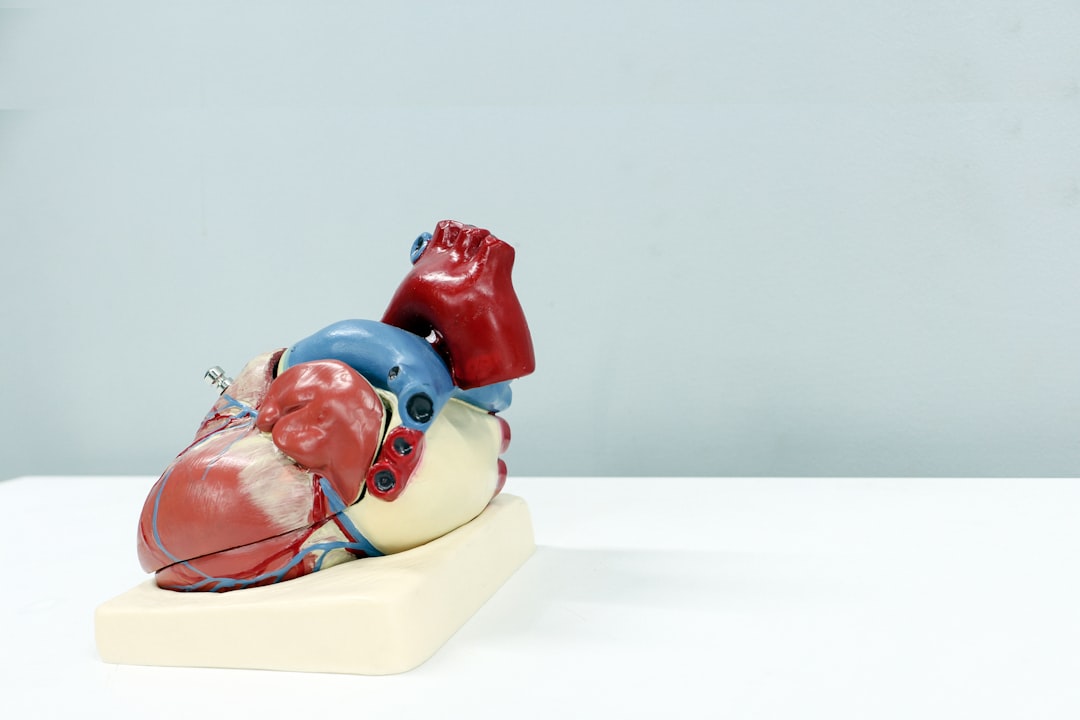
Heart Rate Variability (HRV) is a physiological metric that quantifies the variation in time between successive heartbeats. Far from being a simple indicator of your pulse, HRV is a complex and dynamic reflection of your autonomic nervous system’s (ANS) subtle interplay between its two branches: the sympathetic (responsible for the “fight or flight” response) and the parasympathetic (responsible for “rest and digest”). When your ANS is in balance, your heart rate will naturally fluctuate, creating the variability that HRV measures. Conversely, a low or stagnant HRV often signals a system under siege, a mind running on fumes, or a body struggling to adapt to stress.
This article explores the concept of HRV and introduces a novel approach to enhancing it through “brain wash techniques.” These are not literal, aggressive interventions, but rather a series of deliberate, science-based practices designed to retrain your brain and nervous system, thereby improving your HRV. Think of this not as a harsh cleansing, but as a gentle recalibration, like fine-tuning a sensitive instrument to produce its most harmonious resonance. By understanding the principles behind HRV and applying these brain-centric strategies, you can unlock a deeper level of physiological regulation, leading to improved resilience, cognitive function, and overall well-being.
Your autonomic nervous system is the conductor of your body’s internal orchestra. It operates largely unconsciously, managing vital functions like breathing, digestion, and heart rate. Its two principal players, the sympathetic and parasympathetic nervous systems, are constantly engaged in a delicate dance. Imagine them as the accelerator and brake pedals of your internal vehicle. The sympathetic system, the accelerator, kicks in during stressful situations, prompting a surge of adrenaline, increased heart rate, and heightened alertness. The parasympathetic system, the brake, takes over when you are relaxed, slowing your heart rate, aiding digestion, and promoting recovery.
The Sympathetic Dominance Trap
When you are chronically stressed, your sympathetic nervous system can become overactive, keeping you in a perpetual state of alert. This is like having your foot perpetually pressed on the accelerator, straining the engine and leading to premature wear and tear. In this state, your heart rate tends to become more uniform, with less variation between beats. This reduced variability is a red flag, indicating that your body is less adaptable and more vulnerable to the adverse effects of stress.
The Parasympathetic Advantage
Conversely, a dominant parasympathetic nervous system signifies a state of balance and recovery. This is akin to having a well-functioning braking system, allowing you to decelerate, repair, and conserve energy. When your parasympathetic system is active, your heart rate exhibits greater variability, a sign of a resilient and adaptable system. This ebb and flow is crucial for optimal bodily function, enabling you to respond effectively to challenges without becoming overwhelmed.
HRV as a Window into ANS Health
Heart Rate Variability, therefore, serves as a precise measure of the balance between these two branches of your autonomic nervous system. A higher HRV generally correlates with stronger parasympathetic tone, indicating good cardiovascular health, resilience to stress, and efficient bodily regulation. A lower HRV, on the other hand, can signal sympathetic dominance, contributing to conditions like anxiety, insomnia, reduced cognitive function, and increased susceptibility to illness. Think of HRV as a subtle barometer, constantly measuring the atmospheric pressure within your internal landscape, revealing whether it’s stormy and turbulent or calm and clear.
Recent studies have highlighted the intriguing connection between heart rate variability (HRV) and cognitive functions, suggesting that fluctuations in heart rate can influence mental clarity and emotional regulation. For a deeper understanding of this relationship, you can explore the article on brain wash techniques and their effects on mental health at Freaky Science. This resource delves into how various practices can enhance HRV and, consequently, improve overall brain function.
The Principles of Brain Washing for HRV Enhancement
The term “brain wash” might evoke images of manipulation, but in the context of HRV enhancement, it refers to a deliberate and structured process of retraining your brain and, by extension, your autonomic nervous system. These techniques are designed to shift your ingrained physiological responses to stress, fostering a more balanced and resilient internal state. It’s not about emptying your mind, but about re-curating its programming towards a more adaptive and harmonious output.
Neuroplasticity: The Brain’s Malleable Nature
The foundation of these brain wash techniques lies in the principle of neuroplasticity. Your brain is not a static entity; it is remarkably adaptable and can reorganize itself by forming new neural connections throughout life. This means that with consistent and targeted practice, you can reshape your brain’s circuitry, influencing your physiological responses. Imagine your brain as a garden. Without cultivation, certain paths (stress responses) may become overgrown and dominant. Brain wash techniques are the diligent tending that encourages new, more beneficial pathways to flourish.
Shifting the Locus of Control
Many of our habitual stress responses are automatic and unconscious. Brain wash techniques aim to bring these responses into conscious awareness and then provide tools to deliberately shift them. This is about reclaiming the reins of your internal state, moving from a reactive mode to a proactive one. You are essentially learning to guide the orchestra, rather than being at the mercy of its sometimes erratic melodies.
The Importance of Consistency and Intentionality
The effectiveness of these techniques hinges on consistency and intentionality. It’s not about a one-off effort but about integrating these practices into your daily routine. Each repetition reinforces the desired neural pathways, much like repeatedly walking a specific path in a park makes it more defined and easier to traverse. Your conscious intent acts as the compass, guiding the process towards your desired outcome.
Foundational Brain Wash Techniques for HRV Improvement

These foundational techniques are the bedrock upon which more advanced HRV-enhancing strategies are built. They focus on fundamental aspects of mind-body connection and physiological regulation.
Resonant Breathing: The Heart’s Gentle Rhythm
Resonant breathing, also known as coherent breathing, is a cornerstone of HRV training. It involves synchronizing your breath to a specific rhythm, typically around 5-6 breaths per minute, with equal inhalation and exhalation. This deliberate pacing helps to restore the balance between your sympathetic and parasympathetic nervous systems.
The Science of Slowed Exhalation
When you exhale slowly and deeply, you activate your parasympathetic nervous system. This, in turn, influences your vagus nerve, a critical component of the parasympathetic system. The vagus nerve acts like a superhighway, sending signals from your brain to various organs, including your heart, and promoting a state of calm. Imagine it as a gentle strumming on the harp of your nervous system, producing a soothing resonance.
Finding Your Resonance Frequency
While 5-6 breaths per minute is a general guideline, your individual “resonance frequency” might vary slightly. Experimentation is key. Many biofeedback devices and guided breathing apps can help you find and maintain your optimal breathing rhythm. The goal is to achieve a state where your heart rate and breathing become synchronized, creating a smooth, harmonious pattern.
Practical Application of Resonant Breathing
Dedicate 5-10 minutes, at least once or twice daily, to resonant breathing. Find a quiet space, sit or lie comfortably, and focus on your breath. Close your eyes and gently inhale through your nose, feeling your abdomen rise, and exhale slowly through your mouth. There’s no need to force it; let the breath flow naturally at the target rhythm. The consistency is more important than the intensity.
Mindfulness Meditation: Cultivating Present Moment Awareness
Mindfulness meditation involves paying attention to your thoughts, feelings, sensations, and surrounding environment in a non-judgmental way. This practice is a powerful tool for reducing stress and fostering a more balanced ANS. It’s like learning to observe the weather patterns of your mind without being swept away by the storm.
Decoupling Thoughts from Reactions
One of the primary benefits of mindfulness is its ability to help you decouple your thoughts from your immediate emotional or physiological reactions. Instead of immediately reacting to a stressful thought, you learn to observe it as a passing event. This interruption of the automatic stress cascade is crucial for improving HRV. Think of it as creating a subtle pause between the stimulus and your response.
The Role of the Prefrontal Cortex
Mindfulness meditation has been shown to strengthen the prefrontal cortex, the part of your brain responsible for executive functions like decision-making, emotional regulation, and self-awareness. A more robust prefrontal cortex can exert greater control over the amygdala, the brain’s fear center, thereby dampening the sympathetic nervous system’s alarm signals.
Implementing a Mindfulness Practice
Start with short, guided mindfulness meditations (5-10 minutes). Focus on your breath, bodily sensations, or a guided visualization. The key is to return your attention to the present moment whenever your mind wanders. Do not judge yourself for wandering thoughts; it is a natural part of the process. Regular practice, even for short durations, will yield significant benefits.
Body Scan Meditation: Tuning into Your Physical Landscape
Body scan meditation involves systematically bringing your awareness to different parts of your body, noticing any sensations present without trying to change them. This practice helps you develop a deeper connection with your physical self and identify areas of tension. It’s like conducting an internal inventory, identifying pockets of stored stress.
Releasing Stored Muscular Tension
Chronic stress often manifests as muscular tension. Body scan meditation allows you to become aware of these tight areas and, through focused attention, release them. As you gently bring your awareness to a tense muscle, you can often encourage it to soften and relax. This physical release has a direct impact on your nervous system’s arousal levels.
Interrupting the Somatic Stress Response
When you are stressed, your body often tenses up automatically. The body scan helps you interrupt this subconscious somatic response. By consciously directing your attention to these areas and encouraging relaxation, you are signaling to your nervous system that it is safe to downregulate.
Conducting Your Own Body Scan
Find a comfortable position, lying down is often ideal. Close your eyes and begin by bringing your awareness to your toes. Notice any sensations: warmth, coolness, pressure, or nothing at all. Gently move your awareness up your feet, ankles, calves, and so on, systematically scanning your entire body. Spend a few moments in each area, simply observing without judgment.
Advanced Brain Wash Techniques for Enhanced HRV

Once you have established a foundation with the basic techniques, you can explore more advanced strategies that build upon these principles to further optimize your HRV.
Heart-Centered Breathing: Connecting Physiology and Emotion
Heart-centered breathing is a variation of resonant breathing that combines focused attention on the heart with rhythmic breathing. This technique aims to cultivate positive emotions while simultaneously regulating the ANS. It’s like infusing your breathing with a sense of warmth and compassion.
The Heart-Brain Connection
Research has illuminated a powerful connection between the heart and the brain, known as the “heart-brain axis.” The heart generates electrical and magnetic fields that can influence brain activity. By focusing on your heart, you can positively influence cognitive and emotional states.
Cultivating Feelings of Gratitude and Appreciation
During heart-centered breathing, you are encouraged to recall feelings of gratitude, appreciation, or love. This emotional engagement amplifies the positive effects of the breathing practice, creating a more profound shift in your physiological state. Imagine your breath carrying these positive emotions, like a gentle breeze refreshing your inner landscape.
Practice of Heart-Centered Breathing
Breathe with your resonant rhythm (5-6 breaths per minute). As you inhale, imagine breathing in through your heart area, and as you exhale, send that breath out. While doing this, actively recall a positive memory or feeling that evokes gratitude, appreciation, or love. If these feelings are elusive, simply imagine what it would feel like to feel them.
Visualization and Imagery: Architecting Your Inner State
Visualization and imagery techniques involve creating vivid mental pictures of desired states or outcomes. These can be powerful tools for influencing your physiological responses and promoting relaxation. You are essentially becoming the architect of your internal experience.
Prefrontal Cortex Activation through Vivid Imagery
Engaging in visualization activates higher brain centers, including the prefrontal cortex. This can help to override the brain’s innate tendency to react to perceived threats with a stress response. By visualizing calm and safety, you are actively training your brain to associate those states with internal cues.
Imagining a Peaceful Environment
A common visualization technique involves imagining yourself in a peaceful and calming environment. This could be a secluded beach, a serene forest, or any place that evokes feelings of tranquility. As you immerse yourself in the details of this imagined space, your body will begin to respond as if you were truly there.
Guided Imagery Scripts
You can find numerous guided imagery scripts online or through meditation apps. These scripts offer detailed narratives that lead you through a specific visualization. Alternatively, you can create your own scripts, focusing on sensory details: what you see, hear, smell, taste, and feel in your imagined environment.
Gratitude Journaling: Rewiring for Positivity
Gratitude journaling involves regularly writing down things you are thankful for. While seemingly simple, this practice has a profound impact on your psychological and physiological well-being, which directly influences HRV. It’s like tending a garden of appreciation, allowing positive emotions to bloom.
Shifting Focus from Negativity to Positivity
In our daily lives, it’s easy to get caught up in what’s going wrong. Gratitude journaling actively shifts your focus towards the positive aspects of your life, no matter how small. This redirection of attention can significantly reduce rumination and the associated stress response.
Neurochemical Benefits of Gratitude
Studies suggest that practicing gratitude can lead to the release of dopamine and serotonin, neurotransmitters associated with pleasure and well-being. This chemical shift can counteract the effects of stress hormones like cortisol, leading to improved HRV.
Establishing a Gratitude Practice
Dedicate a few minutes each day, perhaps before bed or in the morning, to write down 3-5 things you are grateful for. Be specific. Instead of “I’m grateful for my job,” try “I’m grateful for the challenging project at work that is allowing me to learn new skills.” Consistency is key to rewiring your brain’s default settings.
Recent studies have shown intriguing connections between heart rate variability and cognitive functions, suggesting that our emotional and mental states can significantly influence physiological responses. For those interested in exploring this topic further, a related article discusses the concept of “brain wash” and its potential effects on mental clarity and emotional well-being. You can read more about it in this insightful piece here. Understanding these relationships may offer new perspectives on how to enhance both mental and physical health.
Integrating Biofeedback and Technology for Enhanced HRV
| Metric | Description | Typical Range | Relevance to Brain Wash |
|---|---|---|---|
| Heart Rate Variability (HRV) | Variation in time intervals between heartbeats | 20-200 ms (SDNN) | Indicator of autonomic nervous system balance; higher HRV suggests better stress resilience during brain wash protocols |
| LF/HF Ratio | Ratio of low frequency to high frequency power in HRV spectrum | 1.5 – 2.0 (normal) | Reflects sympathetic to parasympathetic balance; shifts may indicate stress or relaxation during brain wash |
| RMSSD | Root mean square of successive differences between heartbeats | 30-50 ms (healthy adults) | Measures parasympathetic activity; increased RMSSD may correlate with effective brain wash relaxation |
| Brain Wave Activity (Alpha Waves) | 8-12 Hz brain wave frequency associated with relaxation | Amplitude varies by individual | Increased alpha wave activity often observed during brain wash, indicating relaxed mental state |
| Brain Wave Activity (Theta Waves) | 4-7 Hz brain wave frequency linked to deep relaxation and meditation | Amplitude varies by individual | Elevated theta waves may indicate deeper brain wash states and enhanced subconscious processing |
While many brain wash techniques can be practiced without external aids, biofeedback and technological tools can significantly amplify their effectiveness by providing real-time physiological data.
Understanding Biofeedback
Biofeedback is a mind-body technique that uses electronic instruments to measure and provide feedback on physiological processes that are usually involuntary, such as heart rate, breathing, and skin temperature. This feedback allows you to gain conscious control over these functions. Imagine having a dashboard for your internal engine, showing you precisely how it’s running.
Real-Time HRV Monitoring
HRV biofeedback devices, such as heart rate monitors with HRV capabilities or dedicated HRV sensors, provide real-time data on your heart rate variability. This immediate feedback allows you to see how your breathing, thoughts, or emotional states are directly impacting your HRV.
Training the Nervous System
By observing your HRV fluctuate in response to your interventions, you learn what works best for you. This direct, immediate feedback loop is incredibly powerful for training your nervous system to achieve a more balanced state. It’s like a trainer showing you exactly which muscle you need to engage to perform a movement correctly.
Types of HRV Biofeedback Devices
There are various types of HRV biofeedback devices available, ranging from simple mobile apps that use your phone’s camera to high-end dedicated biofeedback machines. Choosing a device that fits your needs and budget is important. Many offer guided exercises and progress tracking.
Leveraging Mobile Apps and Wearables
The proliferation of mobile apps and wearable technology has made HRV monitoring and training more accessible than ever. These tools can serve as digital coaches, guiding you through exercises and tracking your progress.
Guided Breathing and Meditation Apps
Many popular meditation and wellness apps offer guided breathing exercises specifically designed to improve HRV. These apps often use visual cues or auditory prompts to help you maintain the correct breathing rhythm.
Wearable HRV Trackers
Smartwatches and fitness trackers are increasingly incorporating HRV monitoring into their features. While the accuracy can vary, these devices provide a convenient way to track your HRV trends over time, identify patterns, and alert you to significant deviations.
Personalized Training Programs
Some advanced apps and platforms utilize your HRV data to create personalized training programs. These programs adapt to your individual responses, suggesting specific exercises and intensity levels to optimize your HRV improvement.
The Importance of Data Interpretation
While technology provides valuable data, it’s crucial to interpret it correctly. Your HRV is influenced by many factors, including sleep, diet, exercise, and emotional state. Understanding these correlations will allow you to make more informed decisions about your health and well-being. Don’t treat HRV as a single, static number, but rather as a dynamic indicator that provides insights when viewed over time and in context.
Integrating Brain Wash Techniques into Daily Life
The true power of these brain wash techniques for HRV enhancement lies in their consistent integration into your daily routine. It’s about creating sustainable habits that foster long-term physiological resilience.
Creating a Structured Routine
Establishing a consistent daily schedule for your HRV-enhancing practices is paramount. Even short, dedicated sessions are more effective than sporadic, longer ones. Treat these practices as non-negotiable appointments with yourself for optimal well-being.
Morning Rituals for a Balanced Start
Begin your day with a short resonant breathing session or a few minutes of mindfulness. This sets a calm and focused tone for the hours ahead, preemptively mitigating the impact of potential stressors.
Mid-Day Reset Sessions
During breaks at work or throughout your day, engage in a brief body scan or a short guided visualization. These “micro-retreats” can help to release accumulated tension and restore mental clarity.
Evening Wind-Down Practices
Before bed, practice gratitude journaling or a calming meditation to signal to your body and mind that it’s time to wind down and prepare for restorative sleep, which is crucial for HRV.
Mindful Living Beyond Formal Practice
Brain wash techniques are not confined to formal sitting sessions. Learning to integrate these principles into your everyday activities can significantly enhance their impact.
Mindful Eating
Pay attention to the sensory experience of eating: the tastes, textures, and aromas. This practice not only enhances enjoyment but also promotes better digestion and reduces stress associated with rushed meals.
Mindful Conversations
During conversations, practice active listening, focusing fully on the speaker without formulating your response. This fosters deeper connection and reduces the anxious internal chatter that can elevate stress.
Mindful Movement
Whether you’re walking, stretching, or engaging in more vigorous exercise, bring your awareness to the sensations of movement in your body. This elevates physical activity into a meditative practice.
Seeking Professional Guidance
For some individuals, working with professionals can provide a more tailored and accelerated path to HRV improvement.
HRV Coaches and Biofeedback Practitioners
Certified HRV coaches and biofeedback practitioners can provide personalized guidance, assess your current HRV status, and develop customized training plans. They can also help you troubleshoot any challenges you encounter.
Therapists Specializing in Stress and Anxiety
If you are struggling with significant stress, anxiety, or trauma, a therapist can help you address the underlying psychological factors that may be impacting your HRV. They can integrate HRV training into broader therapeutic interventions.
By consistently applying these brain wash techniques, you are not merely attempting to manipulate a number; you are actively cultivating a more robust, adaptable, and resilient physiological system. This journey of internal recalibration empowers you to navigate life’s challenges with greater ease, clarity, and a profound sense of inner balance.
FAQs
What is heart rate variability (HRV)?
Heart rate variability (HRV) refers to the variation in time intervals between consecutive heartbeats. It is a measure of the autonomic nervous system’s regulation of the heart and is often used as an indicator of cardiovascular and overall health.
How is heart rate variability related to brain function?
HRV is linked to brain function because it reflects the balance between the sympathetic and parasympathetic nervous systems, which influence cognitive processes, emotional regulation, and stress response. Higher HRV is generally associated with better brain health and cognitive flexibility.
What does “brain wash” mean in the context of HRV?
In this context, “brain wash” likely refers to the brain’s glymphatic system, which clears waste products from the brain during sleep. HRV can influence sleep quality and autonomic function, indirectly affecting the efficiency of this brain cleansing process.
Can improving heart rate variability enhance brain health?
Yes, improving HRV through practices like regular exercise, stress management, adequate sleep, and mindfulness can support autonomic balance, which may enhance cognitive function, emotional well-being, and the brain’s waste clearance mechanisms.
How is heart rate variability measured?
HRV is typically measured using electrocardiograms (ECG) or wearable devices that track heartbeats. The data is analyzed to assess the variation in time intervals between heartbeats, providing insights into autonomic nervous system activity.