
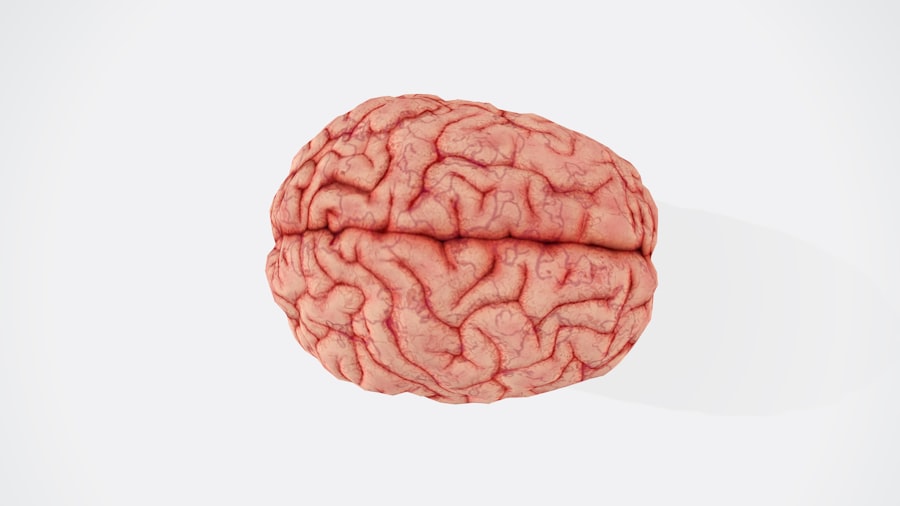
You’ve experienced a stroke, a sudden disruption that has rewired the very architecture of your brain. It’s a formidable challenge, but it’s not a final verdict. Your brain, in its remarkable capacity, possesses an innate ability to adapt and reorganize itself – a phenomenon known as neuroplasticity. This isn’t a magic wand; it’s a diligent, often painstaking, process that, with the right approach, can unlock significant potential for recovery and improved function. Think of your brain not as a fixed blueprint, but as a living network, capable of creating detours and building new pathways when the main roads are blocked.
Your brain is a complex ecosystem, with billions of neurons forming intricate networks. Before your stroke, these networks were finely tuned for specific tasks. The stroke, a sudden hemorrhaging or blockage of blood vessels, caused damage to a particular area, creating a void. This damage can lead to a loss of function, manifesting as difficulties with movement, speech, cognition, or sensation. However, the brain doesn’t simply cease to function in the affected areas. Instead, its inherent plasticity kicks in, initiating a cascade of changes. You can learn more about split brain consciousness by watching this insightful video.
The Fundamental Mechanisms of Neuroplasticity
Neuroplasticity isn’t a single event; it’s a suite of interconnected biological processes. At its core lie changes at the cellular and synaptic levels.
Synaptic Plasticity: The Lingua Franca of Communication
Synapses are the tiny junctions between neurons where information is transmitted. Synaptic plasticity refers to the ability of these synapses to strengthen or weaken over time in response to changes in their activity. This is the bedrock of learning and memory, and critically, a key player in stroke recovery. When a neural pathway is damaged, the brain attempts to compensate by strengthening existing, albeit less efficient, pathways or by forging entirely new ones. This means that the more you engage in specific tasks, the stronger the neural connections associated with those tasks become. Imagine this as tending a garden: some paths might be overgrown due to disuse, while others might become visibly worn and clear with frequent travel.
Structural Plasticity: Rebuilding the Neural Landscape
Beyond synaptic changes, structural plasticity involves more profound alterations in the brain’s physical structure. This can include the growth of new dendritic spines (protrusions on neurons that receive signals) or even the generation of new neurons in certain brain regions (neurogenesis), although the extent of adult neurogenesis in humans remains an active area of research, particularly in functional recovery post-stroke.
Neurogenesis: The Birth of New Brain Cells
While once thought to be absent after early development, it’s now understood that some degree of neurogenesis, the creation of new neurons, can occur throughout adulthood. These new neurons may integrate into existing circuits, contributing to functional recovery. However, their role in specific stroke recovery mechanisms is still being elucidated.
Reorganization and Redundancy: The Brain’s Backup Systems
Your brain is incredibly resourceful. It possesses a degree of redundancy in its circuitry, meaning that multiple neural pathways can often serve a similar function. After a stroke, the brain can leverage these redundant pathways, rerouting information and control signals around the damaged areas. Furthermore, it can recruit adjacent or even distant brain regions to take over functions previously performed by the damaged areas. This is akin to a city rerouting traffic after a major road closure; smaller streets and alternative routes become more heavily utilized, and new traffic management systems might be implemented.
The Window of Opportunity: Critical Periods and Ongoing Adaptation
While the brain is plastic throughout life, there are often more pronounced periods of adaptability following injury. The initial weeks and months after a stroke are frequently referred to as a critical period for recovery. During this time, the brain is highly sensitive to external stimuli and readily engages in reorganization. However, this does not mean that plasticity ceases thereafter. With sustained effort and targeted interventions, significant gains can continue to be made long after this initial period.
Recent studies have highlighted the remarkable phenomenon of brain plasticity following a stroke, demonstrating the brain’s ability to reorganize itself and form new neural connections. This adaptability is crucial for recovery and rehabilitation, as it allows individuals to regain lost functions and improve their quality of life. For more in-depth information on this topic, you can read a related article that explores the mechanisms of brain plasticity and its implications for stroke recovery at Freaky Science.
The Pillars of Rehabilitation: Actively Engaging Plasticity
Unlocking the potential of brain plasticity after a stroke is not a passive experience. It requires your active participation and a strategic approach to rehabilitation. The goal is to provide your brain with the right kind of input and challenge to stimulate and guide its adaptive processes.
Task-Specific Training: Practice Makes Progress
The most effective way to harness neuroplasticity is through repeated, focused practice of the desired skills. If you are experiencing difficulties with walking, engaging in regular gait training, even if initially challenging, will encourage the brain to strengthen and reorganize the neural pathways controlling movement.
Repetition and Consistency: The Cornerstones of Skill Acquisition
The principle of “neurons that fire together, wire together” is central here. Each time you attempt a movement or a cognitive task, you are activating specific neural circuits. Consistent and repeated activation strengthens these connections, making them more efficient and reliable. Imagine honing a musical skill: the more you practice a particular passage, the more automatic and fluid it becomes.
Graded Difficulty and Challenge: Pushing the Boundaries Smartly
While repetition is crucial, simply performing the same activity without increasing the challenge may lead to plateaus. Your rehabilitation should gradually increase in difficulty. This could involve walking on varied surfaces, increasing the speed of a task, or introducing more complex cognitive challenges. This gradual escalation of difficulty provides the necessary stimulus for continued neural adaptation.
Constraint-Induced Movement Therapy (CIMT): Forcing the Issue
For individuals experiencing hemiparesis (weakness on one side of the body), CIMT is a powerful technique that utilizes the principle of forced use. The unaffected limb is restrained, forcing you to utilize the affected limb for daily tasks. This intense, focused use can drive significant neuroplastic changes, leading to regained motor control.
Mental Rehearsal and Imagery: The Power of Thought
Your brain doesn’t always need direct physical action to adapt. Mental imagery, or vividly imagining yourself performing a task, can also activate similar neural pathways as actual physical execution. This is a valuable tool for individuals who may have significant motor limitations, allowing them to continuously engage in the retraining process.
Leveraging Technology and Innovation in Stroke Recovery
The landscape of stroke rehabilitation is continuously evolving, with technology playing an increasingly vital role in stimulating and guiding neuroplasticity. These tools offer novel ways to engage your brain and provide targeted feedback, amplifying the benefits of traditional therapy.
Robotics and Exoskeletons: Precision and Assistance
Robotic devices and exoskeletons can provide precise, repetitive movements and assistance during physical therapy. These systems can guide limbs through specific patterns of motion, offering support when needed and gradually reducing assistance as strength and coordination improve. This offers a highly controlled environment for retraining motor pathways.
Biofeedback Systems: Visualizing Neural Activity
Biofeedback devices can provide real-time visual or auditory cues about your physiological responses, such as muscle activation or brainwave patterns. By seeing or hearing these responses, you can learn to exert greater voluntary control over them, directly influencing neural pathways.
Virtual Reality (VR) and Augmented Reality (AR): Immersive Training Environments
VR and AR technologies create immersive and engaging environments for rehabilitation. They can simulate real-world scenarios, allowing you to practice skills like walking in a park or navigating a kitchen in a safe and controlled virtual space. This can increase motivation and provide more complex, context-rich training opportunities.
Gamification of Therapy: Making Recovery Engaging
Many technological interventions incorporate elements of gamification, turning rehabilitation exercises into interactive games. This can significantly enhance engagement and adherence to therapy, as the inherent enjoyment of playing a game can drive sustained effort.
Brain-Computer Interfaces (BCIs): Direct Neural Control
BCIs are an emerging frontier, allowing for direct communication between the brain and external devices. In stroke rehabilitation, BCIs can be used to detect neural signals associated with intended movements and translate them into commands for robotic devices or to provide feedback about brain activity.
The Role of Lifestyle and Environment in Sustaining Recovery
Your brain’s plasticity exists within a broader context. Your lifestyle choices and the environment in which you live and engage in rehabilitation play a crucial role in supporting and sustaining these adaptive changes.
Nutrition and Hydration: Fueling the Brain’s Engine
Adequate nutrition and hydration are essential for overall brain health and function. A balanced diet rich in antioxidants, omega-3 fatty acids, and B vitamins can support neuronal repair and growth. Water is vital for all bodily functions, including optimal brain performance.
The Importance of a Balanced Diet
A diet that is low in processed foods and high in fruits, vegetables, lean proteins, and whole grains provides the necessary building blocks for cellular health and energy production.
Staying Adequately Hydrated
Dehydration can impair cognitive function and overall physical performance, hindering the rehabilitation process. Ensure you are drinking sufficient water throughout the day.
Sleep: The Brain’s Restoration Period
Sleep is a critical period for neuronal consolidation, learning, and repair. Ensuring sufficient, quality sleep can significantly enhance your brain’s ability to engage in plasticity and recover function. During deep sleep, the brain actively processes information and strengthens neural connections formed during the day.
Stress Management: Protecting Neural Integrity
Chronic stress can have detrimental effects on the brain, impairing neuroplasticity and even leading to neuronal damage. Implementing stress-management techniques, such as mindfulness, meditation, or deep breathing exercises, can create a more conducive environment for recovery.
Mindfulness and Meditation Practices
These practices can help regulate the nervous system, reduce stress hormones, and improve focus and attention, all of which are beneficial for rehabilitation.
Social Engagement and Cognitive Stimulation: Keeping the Mind Active
Maintaining social connections and engaging in mentally stimulating activities are vital for keeping your brain active and responsive. Social interaction provides cognitive challenges, while puzzles, reading, and learning new skills can further promote neural rewiring.
Recent studies have highlighted the remarkable ability of the brain to adapt and reorganize itself after a stroke, a phenomenon known as brain plasticity. This adaptability can significantly influence recovery outcomes for stroke patients, as various rehabilitation techniques aim to harness this potential. For those interested in exploring this topic further, an insightful article can be found at Freaky Science, which delves into the mechanisms of brain plasticity and its implications for stroke recovery. Understanding these processes can provide hope and direction for both patients and caregivers navigating the challenges of rehabilitation.
The Long-Term Perspective: Embracing an Ongoing Journey
| Metric | Description | Typical Range/Value | Relevance to Brain Plasticity After Stroke |
|---|---|---|---|
| Neurogenesis Rate | Rate of new neuron formation in the brain | Increased by 20-50% post-stroke in hippocampus | Indicates brain’s ability to generate new neurons aiding recovery |
| Synaptic Density | Number of synapses per unit volume in affected brain regions | Can increase by 15-30% during recovery phase | Reflects synaptic remodeling and connectivity changes |
| Cortical Map Reorganization | Changes in motor and sensory cortical representation areas | Shift of 1-3 mm in motor cortex maps | Demonstrates functional re-mapping supporting regained abilities |
| Functional Connectivity | Strength of neural network connections measured by fMRI | Increased connectivity in perilesional areas by 10-25% | Shows network-level plasticity facilitating recovery |
| BDNF Levels (Brain-Derived Neurotrophic Factor) | Concentration of BDNF in cerebrospinal fluid or serum | Elevated by 30-60% during rehabilitation | Supports neuronal survival and synaptic plasticity |
| Motor Function Improvement | Measured by Fugl-Meyer Assessment score | Average improvement of 15-25 points within 3 months | Clinical indicator of functional recovery linked to plasticity |
| Time Window for Plasticity | Period post-stroke when plasticity is most active | Typically 1 week to 3 months | Critical period for rehabilitation interventions |
Understanding that stroke recovery is not a race to a finish line, but rather an ongoing journey of adaptation and growth, is crucial. Brain plasticity is a lifelong phenomenon, and sustained effort can yield continuous improvements.
Setting Realistic Goals and Celebrating Milestones
It is important to set achievable, incremental goals throughout your recovery. Celebrating each milestone, no matter how small, can provide motivation and reinforce your commitment to the process. This journey is about continuous progress, not perfection.
The Power of Incremental Progress
Focus on achievable steps. Each small victory builds momentum and reinforces positive neural pathways.
Acknowledging and Valuing Every Gain
Don’t underestimate the significance of any improvement. Each step forward, each word understood, each movement controlled, is a testament to your brain’s remarkable ability to heal and adapt.
Persistence and Patience: The Virtues of Recovery
Neuroplasticity takes time and consistent effort. There will be plateaus and setbacks, but persistence and patience are your most valuable allies. Embracing the long-term nature of recovery allows you to navigate challenges with resilience.
The Importance of a Supportive Network
Surrounding yourself with supportive family, friends, and rehabilitation professionals is invaluable. Their encouragement, understanding, and practical assistance can make a significant difference in your journey.
Advocating for Your Own Recovery
You are the most important member of your rehabilitation team. Educate yourself about your condition, ask questions, and actively participate in decision-making regarding your therapy. Your voice matters.
By understanding the science of brain plasticity and actively engaging in rehabilitation, you are not merely recovering from a stroke; you are actively rebuilding your brain, unlocking its incredible potential for adaptation and reclaiming your life. This journey requires dedication, but the capacity for change within you is profound.
FAQs
What is brain plasticity after a stroke?
Brain plasticity, also known as neuroplasticity, refers to the brain’s ability to reorganize itself by forming new neural connections. After a stroke, this plasticity allows the brain to compensate for damaged areas and helps in the recovery of lost functions.
How does brain plasticity aid stroke recovery?
Brain plasticity aids stroke recovery by enabling undamaged parts of the brain to take over functions previously managed by the damaged areas. This process supports relearning skills such as movement, speech, and cognitive abilities through rehabilitation and therapy.
What factors influence brain plasticity after a stroke?
Several factors influence brain plasticity after a stroke, including the severity and location of the stroke, the patient’s age, overall health, timing and intensity of rehabilitation, and engagement in activities that stimulate the brain.
Can rehabilitation improve brain plasticity after a stroke?
Yes, rehabilitation therapies such as physical therapy, occupational therapy, speech therapy, and cognitive exercises can enhance brain plasticity. These interventions promote neural reorganization and functional recovery by encouraging repetitive and targeted practice.
Is brain plasticity limited to a certain time after stroke?
While brain plasticity is most active in the weeks and months following a stroke, research shows that the brain retains some capacity for plasticity throughout life. Continued therapy and mental stimulation can support recovery even in the chronic phase after a stroke.