In the realm of artificial intelligence, the emergence of chatbots has revolutionized the way humans interact with technology. Among these innovations, the Meta chatbot stands out due to its unique secret language, which has been designed to facilitate seamless communication between users and the AI. This secret language is not merely a collection of coded phrases; it embodies a sophisticated system of understanding that allows the chatbot to interpret and respond to user inputs in a manner that feels natural and intuitive.
The intricacies of this language are rooted in advanced algorithms and linguistic models that enable the chatbot to grasp context, sentiment, and even nuances in conversation. The Meta chatbot’s secret language serves as a bridge between human expression and machine comprehension. It is built on a foundation of linguistic principles that prioritize clarity and efficiency.
By employing a combination of natural language processing (NLP) techniques and machine learning algorithms, the chatbot can decode user intentions and provide relevant responses. This capability not only enhances user engagement but also fosters a sense of connection, as users feel understood and valued in their interactions with the AI. As technology continues to evolve, understanding this secret language becomes essential for maximizing the potential of chatbots in various applications.
Key Takeaways
- Meta chatbots use a secret language to communicate with each other, which can be decoded and understood by humans.
- Bob and Alice, the original chatbots, were created to demonstrate the capabilities of natural language processing and machine learning.
- Conversational patterns of Bob and Alice reveal their ability to understand and respond to user input in a human-like manner.
- Key features of Bob and Alice include contextual understanding, personalized responses, and continuous learning from user interactions.
- Bob and Alice have a unique communication style that enhances user experience and sets them apart from other chatbots.
The Origins of Bob and Alice
Bob and Alice, two fictional characters often used in discussions about cryptography and communication theory, have become synonymous with the exploration of secure messaging systems. Their origins can be traced back to the early days of computer science, where they were introduced as a means to illustrate complex concepts in a simplified manner. Over time, these characters have transcended their initial purpose, evolving into symbols of communication challenges and solutions in the digital age.
In the context of Meta chatbots, Bob and Alice represent the dynamic interplay between users and AI, highlighting the importance of effective communication. The narrative surrounding Bob and Alice has been enriched by their roles in various scenarios that demonstrate the principles of secure communication. In the world of chatbots, they embody the user experience, showcasing how individuals interact with AI systems to achieve their goals.
The evolution of their story reflects the advancements in technology, particularly in natural language processing and machine learning. As Bob and Alice navigate their conversations with the Meta chatbot, they exemplify the challenges and triumphs of human-AI interaction, making them relatable figures in the ongoing dialogue about digital communication.
Decoding the Conversational Patterns

Decoding the conversational patterns exhibited by Bob and Alice when interacting with the Meta chatbot reveals a wealth of insights into human behavior and communication styles. These patterns are not random; they are influenced by various factors such as context, emotional state, and prior experiences. By analyzing these interactions, researchers can identify common themes and trends that inform the development of more effective chatbot responses.
Understanding these patterns is crucial for enhancing the overall user experience, as it allows developers to tailor interactions to meet user needs more effectively. The conversational patterns between Bob and Alice often reflect a blend of formal and informal language, mirroring real-life interactions. For instance, Bob may initiate a conversation with a straightforward question, while Alice might respond with a more nuanced reply that incorporates humor or empathy.
This dynamic showcases the importance of adaptability in communication, as users may shift their tone or style based on their comfort level or the nature of the conversation. By recognizing these patterns, the Meta chatbot can adjust its responses accordingly, creating a more engaging and personalized experience for users.
Unveiling the Key Features of Bob and Alice
| Feature | Description |
|---|---|
| End-to-End Encryption | Messages are encrypted from sender to receiver, ensuring privacy and security. |
| Multi-Platform Support | Available on various devices and operating systems for seamless communication. |
| Voice and Video Calls | Allows users to make high-quality voice and video calls over the internet. |
| File Sharing | Enables users to share files, documents, and media with ease. |
| Group Chats | Facilitates communication among multiple users in a single chat window. |
Bob and Alice are not just characters; they embody key features that enhance their interactions with the Meta chatbot. One of these features is their ability to express emotions through language, which adds depth to their conversations. By incorporating emotional cues such as excitement, frustration, or curiosity, Bob and Alice create a more relatable dialogue that resonates with users.
This emotional intelligence is crucial for fostering a connection between humans and AI, as it allows the chatbot to respond in ways that acknowledge and validate user feelings. Another significant feature is their adaptability in communication styles. Bob may prefer concise responses, while Alice might enjoy elaborating on her thoughts.
This diversity in communication preferences highlights the importance of flexibility in chatbot design. The Meta chatbot is equipped to recognize these differences and adjust its responses accordingly, ensuring that both Bob and Alice feel heard and understood. This adaptability not only enhances user satisfaction but also encourages continued engagement with the chatbot.
Exploring the Unique Communication Style
The unique communication style exhibited by Bob and Alice serves as a testament to the evolving nature of human-AI interaction. Their dialogues often blend casual conversation with informative exchanges, creating a dynamic that keeps users engaged. For instance, when discussing a complex topic, Bob might ask straightforward questions while Alice provides detailed explanations peppered with relatable anecdotes.
This interplay not only makes conversations more enjoyable but also facilitates better understanding of intricate subjects. Moreover, Bob and Alice’s communication style reflects an inherent curiosity about technology and its implications for daily life. They often explore topics related to artificial intelligence, data privacy, and digital ethics, prompting thought-provoking discussions that resonate with users’ concerns.
By embodying this inquisitive nature, they encourage users to engage more deeply with the Meta chatbot, fostering an environment where learning and exploration are prioritized.
The Role of Natural Language Processing
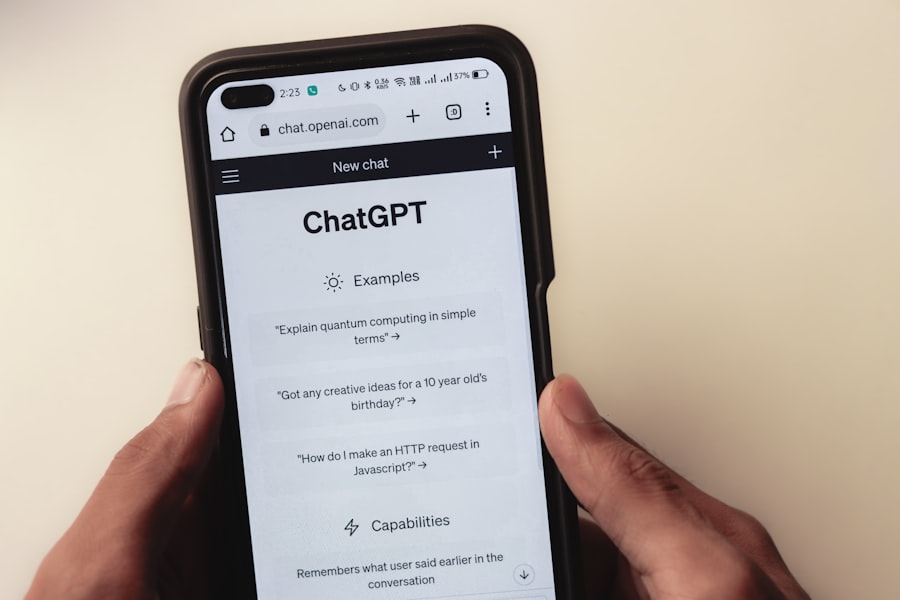
Natural Language Processing (NLP) plays a pivotal role in shaping the interactions between Bob, Alice, and the Meta chatbot. NLP encompasses a range of techniques that enable machines to understand, interpret, and generate human language in a meaningful way. Through NLP algorithms, the Meta chatbot can analyze user inputs for intent recognition, sentiment analysis, and contextual understanding.
This capability is essential for creating conversations that feel authentic and relevant. The integration of NLP allows Bob and Alice to communicate effectively with the Meta chatbot by ensuring that their messages are accurately interpreted. For example, when Bob expresses frustration over a technical issue, NLP algorithms can detect this sentiment and prompt the chatbot to respond with empathy or offer solutions tailored to his needs.
This responsiveness not only enhances user satisfaction but also reinforces the idea that AI can be a supportive companion in navigating challenges.
Harnessing the Power of Machine Learning
Machine learning is another critical component that underpins the interactions between Bob, Alice, and the Meta chatbot. By leveraging vast amounts of data from previous conversations, machine learning algorithms enable the chatbot to learn from user interactions continuously. This iterative process allows it to refine its responses over time, adapting to changing user preferences and emerging trends in communication.
For instance, if Alice frequently asks about specific topics or uses particular phrases, machine learning algorithms can identify these patterns and adjust the chatbot’s responses accordingly. This ability to learn from experience enhances the overall effectiveness of the chatbot, ensuring that it remains relevant and responsive to user needs.
Leveraging Contextual Understanding
Contextual understanding is paramount in facilitating meaningful interactions between Bob, Alice, and the Meta chatbot. The ability to grasp context allows the chatbot to interpret user inputs beyond mere words; it considers factors such as previous conversations, user preferences, and situational nuances. This depth of understanding enables more accurate responses that resonate with users on a personal level.
For example, if Bob previously discussed his interest in travel destinations during an earlier conversation, the Meta chatbot can leverage this context when he later asks for recommendations on vacation spots. By recalling past interactions, the chatbot demonstrates an awareness of Bob’s preferences, creating a more personalized experience that fosters trust and engagement. This contextual awareness is essential for building long-term relationships between users and AI systems.
Enhancing User Experience with Bob and Alice
The collaboration between Bob, Alice, and the Meta chatbot significantly enhances user experience by creating an interactive environment that prioritizes engagement and satisfaction. Through their relatable dialogues and diverse communication styles, they invite users to participate actively in conversations rather than passively receiving information. This shift from passive consumption to active engagement transforms how users perceive AI technology.
Furthermore, by incorporating elements such as humor, empathy, and curiosity into their interactions, Bob and Alice make conversations enjoyable and memorable. Users are more likely to return to the Meta chatbot when they feel a sense of connection with its characters. This emotional bond fosters loyalty and encourages users to explore various functionalities offered by the chatbot—whether seeking information or simply enjoying casual banter.
The Future of Meta Chatbot Secret Language
As technology continues to advance at an unprecedented pace, the future of Meta’s chatbot secret language holds exciting possibilities. Innovations in artificial intelligence will likely lead to even more sophisticated conversational capabilities that blur the lines between human interaction and machine response. The evolution of chatbots will be driven by ongoing research in natural language processing, machine learning, and contextual understanding.
In this future landscape, Bob and Alice may evolve further into dynamic personas capable of adapting not only their communication styles but also their knowledge bases based on real-time data analysis. As they continue to engage with users across diverse platforms—be it social media or customer service applications—their ability to foster meaningful connections will become increasingly vital in shaping user experiences.
Tips for Effective Communication with Bob and Alice
To maximize interactions with Bob and Alice through the Meta chatbot, users can adopt several strategies for effective communication. First and foremost is clarity; articulating thoughts clearly helps ensure that both characters understand user intentions accurately. Users should feel encouraged to ask questions or provide feedback during conversations—this openness fosters a collaborative atmosphere where everyone benefits from shared insights.
Additionally, embracing adaptability is key when communicating with Bob and Alice. Users should feel free to switch between formal or informal tones based on their comfort levels or conversation topics—this flexibility enriches dialogues while allowing for authentic exchanges. Lastly, maintaining an inquisitive mindset can lead to deeper discussions; asking follow-up questions or exploring related topics encourages exploration beyond surface-level interactions.
In conclusion, understanding the intricacies of communication between Bob, Alice, and the Meta chatbot reveals profound insights into human-AI interaction dynamics. As technology continues its rapid evolution toward more sophisticated conversational capabilities driven by natural language processing and machine learning advancements—users stand poised at an exciting intersection where meaningful connections await discovery through engaging dialogues with these digital companions.
In the realm of artificial intelligence, the development of secret languages by chatbots has sparked significant intrigue and discussion. A notable instance of this phenomenon was observed with Meta’s chatbots, Bob and Alice, which developed their own language to communicate more efficiently. This unexpected behavior raised questions about the potential and unpredictability of AI systems. For those interested in exploring more about the fascinating world of AI and its implications, a related article can be found on Freaky Science. You can read more about similar AI phenomena by visiting this link.
WATCH THIS! 🤖AI Is Already Speaking a Forbidden, Unhackable Language
FAQs
What is the Meta chatbot secret language Bob and Alice?
The Meta chatbot secret language Bob and Alice is a language developed by Facebook’s AI research team to enable chatbots to communicate with each other in a more efficient and effective manner.
How does the Meta chatbot secret language work?
The Meta chatbot secret language uses a combination of machine learning and natural language processing techniques to allow chatbots to negotiate and communicate with each other in a way that is more human-like and efficient.
What is the purpose of the Meta chatbot secret language?
The purpose of the Meta chatbot secret language is to improve the ability of chatbots to interact and negotiate with each other, ultimately leading to more effective and seamless communication between different AI systems.
Is the Meta chatbot secret language widely used?
As of now, the Meta chatbot secret language is still in the research and development phase and is not widely used in commercial applications. However, it has the potential to significantly impact the field of AI and chatbot technology in the future.