Unlocking History: The Power of Kenneth Oakley’s Fluorine Analysis
Kenneth Oakley, a name that resonates with significance in the field of paleoanthropology, introduced a revolutionary method that fundamentally altered our understanding of prehistoric human remains. His innovation, the fluorine analysis of bones, provided a scientific lens through which to assess the relative age of fossils found within the same geological deposit. Before Oakley’s work, dating ancient skeletal material was a painstaking process, often relying on comparative stratigraphy and the challenging interpretation of associated artifacts. Fluorine analysis, however, offered a quantifiable, chemical approach—a key that could unlock secrets previously guarded by the earth itself.
To appreciate the power of Oakley’s method, one must first understand the geological environment in which fossils are preserved. Over vast stretches of time, buried bones undergo a process of permineralization. Minerals from the surrounding soil and groundwater are absorbed into the porous structure of the bone, gradually replacing the original organic material. This process is akin to a stone becoming petrified, but at a molecular level within the bone matrix. The groundwater, particularly in areas rich in calcium carbonate, is a significant source of these minerals.
Groundwater as a Mineral Reservoir
Groundwater acts as a vast, subterranean river of dissolved minerals. As it percolates through the earth, it encounters various geological strata, picking up different chemical components. In many fossil-bearing regions, particularly those with limestone or chalk bedrock, fluorine is present in significant concentrations. This fluorine, primarily in the form of fluoride ions, is readily soluble in water and, as a consequence, is available for absorption by buried organic matter.
The Permineralization Process: A Slow Draught
The absorption of fluorine into bone is not an instantaneous event. It is a slow, continuous process that takes place over geological timescales. As groundwater flows past a buried bone, fluoride ions diffuse into the bone’s structure. The rate at which this absorption occurs is influenced by several factors, including the concentration of fluorine in the groundwater, the porosity of the bone, the temperature of the burial environment, and the duration of burial. Think of it as the bone slowly sipping from a mineralized bath, with each sip adding a tiny amount of fluorine.
Kenneth Oakley’s pioneering work in fluorine analysis has significantly advanced our understanding of dating archaeological finds, particularly in the context of fossil remains. For those interested in exploring more about the applications and implications of fluorine analysis in archaeology, a related article can be found at Freaky Science, which discusses various scientific techniques used in the field and their impact on historical research.
Kenneth Oakley and the Dawn of Quantitative Dating
Kenneth Oakley, working at the British Museum (Natural History) in the mid-20th century, recognized the potential of this geological process for dating purposes. He observed that bones found together in the same geological stratum would have been exposed to similar groundwater conditions for similar lengths of time. This led to the hypothesis that older bones would have absorbed more fluorine than younger bones within the same depositional layer.
Formulating the Hypothesis: A Chemical Clue
Oakley’s hypothesis was elegantly simple yet profound. If fluorine accumulates in bone over time, then a bone that has been buried for a millennium will contain more fluorine than a bone buried for a century, assuming they are in the same fluorine-rich environment. This provided a potential chemical fingerprint for age. He proposed that by measuring the fluorine content of fossil bones, one could establish a relative sequence of deposition, distinguishing between older and younger specimens.
The Practical Application: A Laboratory Breakthrough
The theoretical insight needed practical validation. Oakley, along with his colleagues, developed and refined techniques for measuring the fluorine content of bone samples. This involved chemical digestion of the bone to release the fluorine, followed by quantitative analysis using established chemical methods. The results provided numerical values, offering a tangible measure of accumulated fluorine. This transformed the study of fossils from one of subjective interpretation to one grounded in objective chemical data.
The Fluorine Dating Method: A Step-by-Step Unveiling
The fluorine dating method, as developed and applied by Oakley, is a precise scientific procedure. It is not a standalone dating technique for absolute age, but rather a powerful tool for establishing the relative ages of specimens within a single archaeological or paleontological site. This distinction is crucial; fluorine analysis tells you which bone is older relative to others in the same burial layer, not its precise age in years.
Sample Collection and Preparation: The Foundation of Accuracy
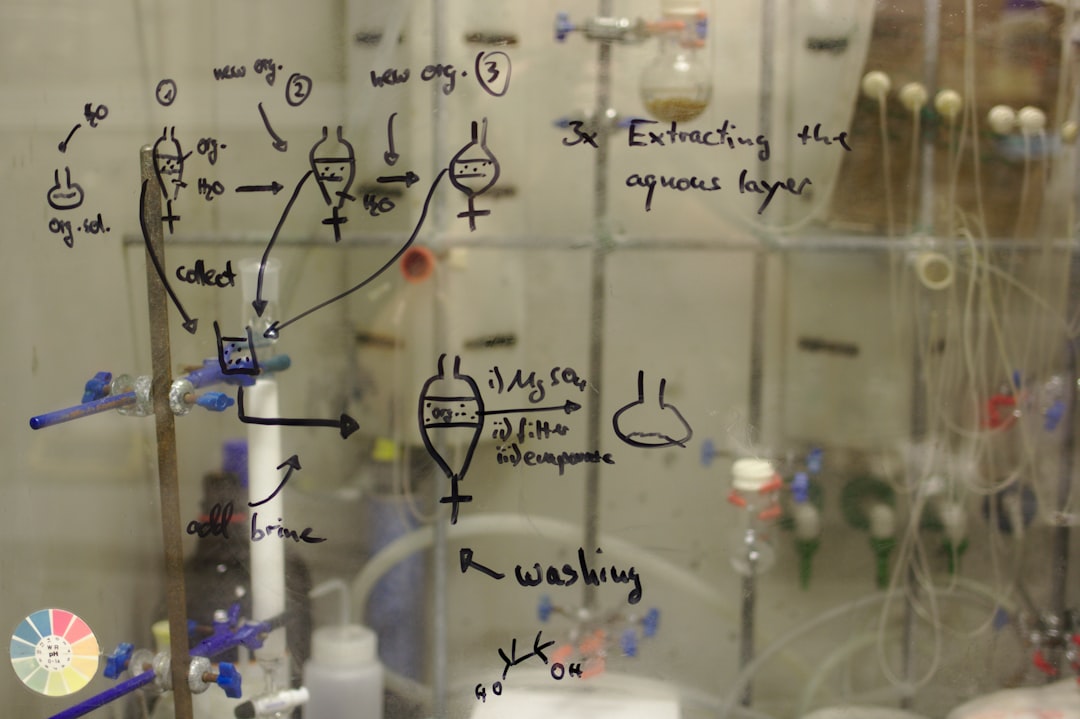
The process begins with the careful collection of bone samples. It is imperative that the samples come from the same geological stratum. If samples are taken from different layers, the comparison becomes invalid, as they would have been exposed to different environmental conditions and burial durations. Once collected, the samples are cleaned meticulously to remove any surface contamination from soil or other extraneous materials. Laboratory preparation involves grinding the bone into a fine powder to ensure uniform chemical analysis.
Fluorine Extraction: Releasing the Chemical Signature
The next critical step is the extraction of fluorine from the bone matrix. This typically involves treating the powdered bone with a strong acid, such as perchloric acid. This acidic environment breaks down the bone material, releasing the fluorine ions. Careful control of reaction conditions is essential to ensure complete extraction and to avoid introducing analytical errors.
Quantitative Fluorine Measurement: The Numerical Verdict
Following extraction, the concentration of fluorine in the solution is measured using established analytical techniques. Common methods include spectrophotometry or ion-selective electrodes, which can accurately quantify the amount of fluoride present. The results are typically expressed as a percentage of fluorine by weight in the bone. This numerical value is the key to unlocking the relative age.
Interpretation: Building the Chronological Framework
The measured fluorine values are then compared. Bones with higher fluorine concentrations are interpreted as being older than those with lower concentrations, provided they originated from the same geological context. This allows for the establishment of a relative chronology for a series of fossils or artifacts. It is akin to comparing the rings on different trees from the same forest; more rings indicate greater age.
Case Studies: Where Fluorine Analysis Revolutionized Understanding
The impact of Oakley’s fluorine analysis is best understood through its application to significant archaeological discoveries. One of the most prominent examples involves the Piltdown Man, a fossil that once held a prominent place in the story of human evolution but was later exposed as a forgery, thanks in large part to fluorine analysis.
The Piltdown Man Hoax: A Chemical Unmasking
The Piltdown fossils, found in England in the early 20th century, were hailed as evidence of an early human ancestor with a surprisingly large brain. For decades, they were accepted by many scientists. However, fluorine analysis of the jawbone and skull fragments, conducted by Oakley and his colleagues in the 1950s, revealed a stark discrepancy. The jawbone, believed to be that of an ancient ape, showed a significantly higher fluorine content than the skull fragments, which were supposedly from the same individual. This indicated that the jawbone was considerably older than the skull. Furthermore, the fluorine content of the jawbone was comparable to that of much younger animal fossils found in the same gravel pit. Combined with other evidence, this chemical mismatch was instrumental in revealing the Piltdown Man as a deliberate forgery, composed of a modern human skull and an orangutan jawbone. This case study is a powerful testament to the forensic power of fluorine analysis, acting as a scientific lie detector.
The Swanscombe Skull: A Different Chronology
In contrast to the Piltdown hoax, fluorine analysis also played a crucial role in establishing the antiquity of other important finds. The Swanscombe skull fragments, also discovered in England, were another significant hominin fossil. Fluorine analysis helped to corroborate the geological dating of the deposits where the Swanscombe skull was found, suggesting a much older age for these hominin remains than might have been initially inferred from stratigraphy alone. This added a vital piece to the complex puzzle of early human migration and development in Europe.
Distinguishing Contemporaries: Refining Archaeological Interpretation
Beyond major discoveries, fluorine analysis has been invaluable in refining the interpretation of skeletal remains from numerous sites. It allows archaeologists to distinguish between individuals who lived at different times but were potentially buried in close proximity. This can clarify social structures, burial practices, and periods of occupation at a site. For example, if a burial ground contains individuals with widely varying fluorine content, it can suggest multiple periods of use rather than a single, homogeneous community.
Kenneth Oakley’s pioneering work in fluorine analysis has significantly advanced our understanding of dating archaeological finds. His methods have been instrumental in determining the age of fossils and artifacts, providing crucial insights into human history. For those interested in exploring more about the implications of fluorine analysis in archaeology, a related article can be found here, which delves into the various techniques used in this fascinating field.
Limitations and the Evolution of Paleodating
| Metric | Value | Unit | Description |
|---|---|---|---|
| Fluorine Concentration | 0.15 | % by weight | Average fluorine content in bone samples analyzed by Kenneth Oakley |
| Sample Size | 50 | samples | Number of bone samples analyzed for fluorine content |
| Detection Limit | 0.01 | % by weight | Minimum detectable fluorine concentration in analysis |
| Analysis Method | Gravimetric Fluorine Analysis | N/A | Method used by Oakley for fluorine quantification |
| Average Age of Samples | 10,000 | years | Approximate age of bone samples analyzed |
While Kenneth Oakley’s fluorine analysis was a groundbreaking achievement, it is not without its limitations. As science progresses, new techniques have emerged, some building upon the principles of fluorine analysis and others offering entirely different approaches. Understanding these limitations provides context for its enduring value and its place in the broader spectrum of dating methodologies.
Environmental Variability: The Achilles’ Heel
The most significant limitation of fluorine analysis lies in its dependence on consistent environmental conditions. The assumption that all bones within a single stratum have been exposed to identical groundwater chemistry and flow is not always accurate. Localized variations in groundwater composition, the presence of impermeable layers, or changes in water tables can lead to uneven fluorine absorption. In such scenarios, even bones of the same age might exhibit different fluorine levels, complicating precise relative dating. It is like expecting all plants in a garden to receive exactly the same amount of rainfall; localized topography or shade can intervene.
Contamination and Post-Depositional Alteration: The Spoilers
Surface contamination is a perennial concern in the analysis of archaeological and paleontological material. If a bone has become contaminated with more recent fluorine-rich material, its measured fluorine content might artificially inflate its apparent age. Conversely, post-depositional processes, such as dissolution or leaching in certain soil conditions, can remove fluorine from bone, making it appear younger than it is. Rigorous cleaning and careful sample selection are therefore paramount to mitigate these risks.
The Rise of Absolute Dating: A Complementary Power
The advent of absolute dating techniques, such as radiocarbon dating, potassium-argon dating, and thermoluminescence, has provided precise ages in years, thereby filling a gap that fluorine analysis alone could not bridge. These methods offer a direct measure of time, often with a quantifiable margin of error. However, fluorine analysis remains an indispensable tool for establishing relative chronologies, especially when absolute dating methods are not applicable due to the nature of the material or its age range. Fluorine analysis can bridge the gap between events where absolute dating methods are not feasible, or it can be used to confirm and refine the chronological sequences established by other techniques.
The Enduring Legacy of Fluorine Analysis
Kenneth Oakley’s pioneering work on fluorine analysis stands as a testament to the power of scientific inquiry and its ability to illuminate the past. It provided a tangible, quantifiable method for assessing the relative age of fossils, moving the field of paleoanthropology forward with greater precision. While modern science has introduced even more sophisticated dating techniques, the fundamental principle behind fluorine analysis—that geological processes leave measurable traces—continues to inspire.
A Benchmark in Forensic Anthropology
Fluorine analysis has not only been crucial for paleontology but also for forensic anthropology. Its principles can be applied to modern skeletal remains to estimate the minimum time since death, particularly in cases where other methods are challenging. This demonstrates the adaptability and long-lasting relevance of Oakley’s initial insights.
The Foundation for Further Research: A Stepping Stone
Oakley’s work laid the groundwork for future research into the geochemistry of fossilization. It spurred investigations into other elemental uptake and diagenetic processes that could also serve as chronological indicators. In essence, it opened a door, allowing scientists to peer deeper into the geological history of unearthed remains.
A Reminder of the Interconnectedness of Science
The story of fluorine analysis is a powerful reminder of the interconnectedness of different scientific disciplines. Principles from geology, chemistry, and biology converged to create a tool that profoundly impacted our understanding of human evolution. Kenneth Oakley, through his meticulous research and insightful application of chemical principles to paleontological problems, truly unlocked a new level of historical understanding, proving that sometimes, the most profound answers lie hidden within the very earth that preserves our past.
FAQs
What is fluorine analysis in the context of Kenneth Oakley’s work?
Fluorine analysis, as developed and utilized by Kenneth Oakley, is a method used in archaeology and paleontology to estimate the relative age of bone samples by measuring the amount of fluorine absorbed from groundwater over time.
How does fluorine absorption help in dating bones?
Bones buried in the ground absorb fluorine from surrounding groundwater at a relatively constant rate. By measuring the fluorine content in bones, scientists can compare their relative ages, with higher fluorine levels indicating longer burial periods.
What was Kenneth Oakley’s contribution to fluorine analysis?
Kenneth Oakley pioneered the systematic use of fluorine dating in archaeology, improving the accuracy of relative dating techniques and helping to identify forgeries and misdated fossils.
Are there limitations to fluorine analysis in dating bones?
Yes, fluorine analysis provides only relative dating rather than absolute dates, and the rate of fluorine absorption can vary depending on environmental factors, which may affect accuracy.
Is fluorine analysis still used today in archaeological studies?
While newer absolute dating methods like radiocarbon dating have become more common, fluorine analysis remains a useful tool for preliminary assessments and cross-checking the relative ages of bone samples.