The study of ancient human remains, often a macabre yet illuminating window into the past, has undergone a revolutionary transformation with the advent of modern forensic tools. These cutting-edge techniques, borrowed from contemporary criminal investigations and adapted for archaeological contexts, allow researchers to extract an unprecedented wealth of information from skeletal fragments that might otherwise yield little. No longer are anthropologists solely reliant on macroscopic observation; they now wield the equivalent of a scientific magnifying glass, peering into the very building blocks of life and deciphering the narratives etched within ancient bones.
For centuries, the primary method of analyzing ancient bones involved careful visual inspection and comparative anatomy. Researchers meticulously documented bone morphology, pathologies, and dental wear, constructing rudimentary portraits of past populations. While this approach laid the foundation for skeletal biology, its limitations were profound. The subtle nuances of diet, migration, and the precise timing of events remained largely enigmatic. Modern forensic tools, however, have transcended these boundaries, enabling a deeper, more granular understanding of ancestral lives.
The Power of Radiocarbon Dating: A Chronological Compass
Radiocarbon dating, a technique refined since its inception in the mid-20th century, remains a cornerstone of archaeological investigation. It functions as a chronological compass, providing a reliable age for organic materials, including bone.
- Isotopic Analysis: This method relies on the decay of carbon-14, a radioactive isotope of carbon, into nitrogen-14. All living organisms absorb carbon-14 from the atmosphere. Upon death, this intake ceases, and the carbon-14 begins to decay at a known rate. By measuring the remaining carbon-14 in a bone sample, scientists can calculate the time elapsed since the organism’s demise.
- Accelerator Mass Spectrometry (AMS): Modern advancements, particularly Accelerator Mass Spectrometry (AMS), have revolutionized the precision and sample size requirements of radiocarbon dating. AMS enables dating from minute quantities of bone, often just a few milligrams, allowing for the preservation of valuable archaeological specimens. This minimizes destructive sampling, a crucial consideration when dealing with rare or irreplaceable remains.
- Calibration and Standardization: Raw radiocarbon dates are calibrated against known dendrochronological (tree-ring) sequences and other independent dating methods to account for variations in atmospheric carbon-14 levels over time. This rigorous calibration ensures accurate chronological placement of ancient bones within the historical timeline.
Delving into Diet and Environment: Isotopic Signatures of Life
Beyond dating, stable isotope analysis offers a profound insight into the dietary habits and environmental interactions of ancient individuals. Just as a tree’s rings record its growth, isotopic ratios in bone act as an enduring dietary diary.
- Nitrogen Isotopes (δ15N): Nitrogen isotope ratios are typically used to reconstruct trophic levels within ancient ecosystems. Higher δ15N values generally indicate a diet rich in animal protein, while lower values suggest a more plant-based diet. This allows researchers to distinguish between agriculturalists, hunter-gatherers, and individuals with a significant marine dietary component.
- Carbon Isotopes (δ13C): Carbon isotope ratios, particularly δ13C, are instrumental in distinguishing between different plant types consumed. C3 plants (e.g., wheat, rice, temperate grasses) and C4 plants (e.g., maize, sugarcane, tropical grasses) have distinct carbon isotopic signatures. By analyzing these ratios in bone collagen, scientists can determine the relative importance of these plant groups in an individual’s diet. This has been particularly impactful in understanding the spread of agriculture and the adoption of new crops.
- Oxygen Isotopes (δ18O): Oxygen isotope ratios in bone phosphate or enamel can provide insights into an individual’s geographical origins and water consumption patterns. The δ18O values in precipitation vary globally with latitude, altitude, and proximity to coastlines. Comparing the δ18O value of skeletal remains with regional isotopic maps can help reconstruct movements and migrations of ancient populations.
- Strontium Isotopes (87Sr/86Sr): Strontium isotope ratios are a powerful proxy for geographical mobility. Strontium is absorbed by plants from local bedrock, and subsequently incorporated into the tissues of animals and humans who consume those plants. Different geological regions have distinct strontium isotope signatures. By analyzing strontium ratios in tooth enamel (which forms during childhood and doesn’t remodel) or bone (which remodels throughout life), researchers can infer where an individual spent their early years and whether they migrated later in life.
Modern forensic tools have revolutionized the study of ancient bones, allowing researchers to uncover details about past civilizations and their lifestyles. For instance, advanced techniques such as DNA analysis and isotopic testing provide insights into the diet, health, and migration patterns of ancient populations. For more information on the intersection of science and archaeology, you can read a related article on this topic at Freaky Science.
Unlocking Genetic Blueprints: Ancient DNA Analysis
Perhaps the most transformative advancement in ancient bone analysis is the ability to extract and sequence ancient DNA (aDNA). This scientific time machine allows researchers to peer directly into the genetic makeup of past populations, revealing an unprecedented level of detail about kinship, ancestry, disease, and adaptation.
The Challenges of Ancient DNA: A Delicate Code
Extracting viable aDNA presents significant challenges. Over millennia, DNA degrades into short, damaged fragments, and is often contaminated by microbial and modern human DNA.
- Degradation and Fragmentation: Post-mortem, cellular processes cease, and enzymes begin to degrade DNA. This, combined with environmental factors such as temperature fluctuations, humidity, and UV radiation, leads to extensive fragmentation and chemical modification of the DNA molecule. This makes amplification and sequencing difficult.
- Contamination: The Modern Ghost in the Machine: One of the most pervasive challenges in aDNA research is contamination. Modern human DNA from archaeologists handling the specimens, laboratory staff, or even airborne particles can easily overwhelm the degraded ancient DNA. Strict sterile protocols, dedicated ancient DNA laboratories, and authentication criteria are essential to mitigate this risk.
- Low Copy Number: The amount of endogenous (original) ancient DNA remaining in a sample is often extremely low, sometimes representing only a fraction of a percent of the total DNA extracted. This necessitates highly sensitive molecular techniques.
Revolutionary Techniques: Amplifying the Past
Despite these challenges, innovative techniques have enabled the extraction and sequencing of ancient DNA from even highly degraded samples.
- Polymerase Chain Reaction (PCR): PCR was the initial breakthrough, allowing for the amplification of specific DNA fragments. While effective for short regions, its susceptibility to contamination and its limitations in handling highly fragmented DNA led to the development of next-generation sequencing.
- Next-Generation Sequencing (NGS) or High-Throughput Sequencing: NGS technologies have revolutionized aDNA research. Instead of amplifying individual fragments, NGS allows for the simultaneous sequencing of millions of short DNA fragments. This ‘shotgun’ approach is particularly well-suited for fragmented aDNA, as it can piece together overlapping reads to reconstruct longer sequences. This has opened the door to whole-genome sequencing of ancient individuals.
- Targeted Enrichment: For studies focusing on specific genes or mitochondrial DNA, targeted enrichment techniques are employed. These methods use probes to “capture” desired DNA sequences from a complex mixture, improving the efficiency of sequencing and reducing the amount of non-target DNA that needs to be analyzed.
Insights from Ancient DNA: A Genealogical Tapestry
The insights gleaned from aDNA are truly profound, painting a genealogical tapestry of ancient human history.
- Migration and Population Movements: aDNA has become an unparalleled tool for tracing ancient human migrations, providing direct genetic evidence for population dispersals, admixture events, and demographic shifts that were previously inferred from archaeological artifacts or skeletal morphology. The peopling of the Americas, the spread of agriculture in Europe, and the migrations of various steppe groups have been dramatically re-evaluated through aDNA studies.
- Kinship and Social Structures: By analyzing genetic relationships between individuals buried together, researchers can reconstruct ancient families, kinship networks, and even aspects of social organization. This has provided direct evidence for monogamous partnerships, multi-generational families, and even instances of patrilocal or matrilocal residence patterns.
- Disease and Adaptation: aDNA can reveal the presence of past pathogens, such as the Yersinia pestis bacterium responsible for the Black Death, providing crucial data on the evolution and spread of infectious diseases. It also allows for the study of genetic adaptations to local environments, diets, and pathogens, shedding light on the selective pressures faced by ancient populations. Genes associated with lactose tolerance, high-altitude adaptation, or immunity to certain diseases can be tracked through time.
Picturing the Unseen: Imaging Technologies

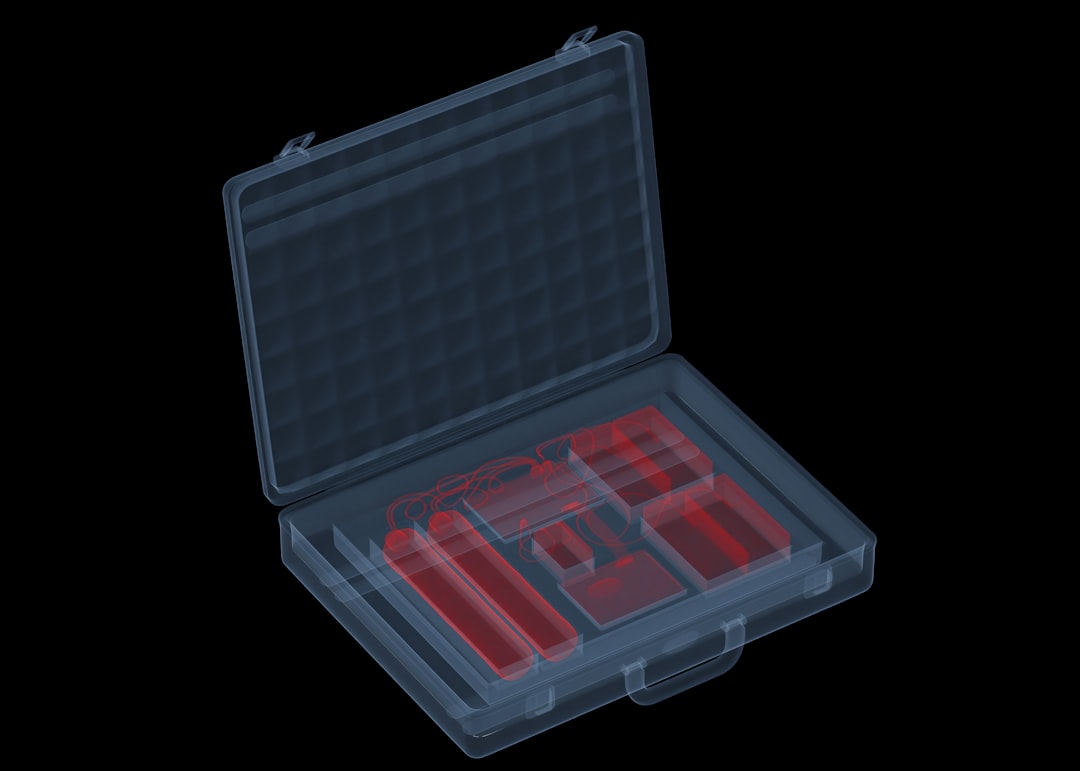
While DNA provides the molecular blueprint, imaging technologies offer a non-invasive way to visualize the internal structure of ancient bones, revealing details invisible to the naked eye. These techniques act as an x-ray vision, allowing researchers to explore the hidden architecture of decay and disease.
Micro-Computed Tomography (Micro-CT): The Digital Dissection
Micro-CT scanning provides high-resolution 3D images of bone, essentially allowing for a “digital dissection” without damaging the precious specimen.
- Non-Destructive Analysis: Unlike traditional histological sections, micro-CT is non-destructive, preserving the integrity of the archaeological artifact. This is paramount for rare or unique specimens.
- Internal Pathology and Trauma: Micro-CT can reveal minute fractures, internal lesions, bone tumors, and evidence of metabolic disorders that might be missed during macroscopic examination. It offers unparalleled detail for diagnosing ancient diseases and understanding injury patterns.
- Dental Microstructure: The technique is particularly valuable for studying dental microstructure, including enamel development, dental caries (cavities), and microwear patterns, which provide further clues about diet and oral health.
- Virtual Reconstruction: From the 3D data, researchers can create virtual reconstructions of damaged or fragmented bones, facilitating anatomical analysis and comparison.
Electron Microscopy: Zooming into the Osteons
Electron microscopy allows for incredibly high-magnification imaging, revealing the intricate cellular and structural details of bone and associated tissues.
- Scanning Electron Microscopy (SEM): SEM provides detailed images of the bone surface topography, revealing microscopic features such as cut marks from butchery or trauma, tool marks on teeth, and signs of periosteal reaction. It can also identify bacterial or fungal infestation.
- Transmission Electron Microscopy (TEM): TEM provides ultra-high resolution images of the internal structure of cells and tissues, allowing researchers to study the ultrastructure of bone collagen, the presence of specific organelles in preserved cells (if any), and the earliest stages of bone remodeling.
Chemical Signatures and Residue Analysis: What Was Used?
Beyond the bone itself, the surfaces and surrounding matrices often hold chemical clues about past activities. Residue analysis allows for the identification of organic and inorganic substances that once interacted with the bones or associated artifacts.
Mass Spectrometry (MS): Identifying Molecular Traces
Mass spectrometry is a powerful analytical technique used to identify and quantify molecular compounds by measuring their mass-to-charge ratio.
- Proteomics: The study of ancient proteins (paleoproteomics) is emerging as a powerful complementary tool to aDNA. Proteins are generally more robust and degrade slower than DNA, making them recoverable from more challenging preservation environments. Protein sequences can inform about species identification (e.g., human vs. animal bone fragments), sex determination, and even the presence of certain diseases.
- Lipid Analysis: Lipids (fats, oils, waxes) can be highly stable and preserved in archaeological contexts. Analyzing lipid residues on bone surfaces or associated artifacts can identify substances like animal fats from cooking, plant oils for fuel, or even residue from embalming processes. Gas chromatography-mass spectrometry (GC-MS) is a common technique for this.
- Drug and Toxin Screening: In exceptional circumstances, analytical chemistry can detect residues of drugs or toxins in skeletal remains, offering insights into ancient medicinal practices, poisoning, or ritualistic consumption.
Fourier-Transform Infrared Spectroscopy (FTIR): A Molecular Fingerprint
FTIR spectroscopy analyzes the interaction of infrared light with a sample, producing a unique “molecular fingerprint” that can identify the chemical composition of substances.
- Bone Composition and Diagenesis: FTIR can assess the preservation state of bone, detect diagenetic alterations (post-burial chemical changes), and provide insights into bone mineral density.
- Textile and Material Identification: When applied to residues adhering to bones or associated artifacts, FTIR can help identify organic materials like textiles, wood, or plant fibers.
Recent advancements in forensic science have opened new avenues for analyzing ancient bones, allowing researchers to uncover secrets about our ancestors’ lives and environments. For those interested in exploring this fascinating intersection of technology and archaeology, a related article discusses the latest innovations in modern forensic tools and their applications to ancient remains. You can read more about these groundbreaking techniques in the article found here. This research not only enhances our understanding of historical populations but also sheds light on the evolution of human health and disease.
The Ethical Imperative: Respecting the Ancestors
| Forensic Tool | Application | Key Metrics | Advantages | Limitations |
|---|---|---|---|---|
| DNA Analysis (Next-Generation Sequencing) | Extracting genetic material from ancient bones | Success rate: 60-80% depending on preservation; Coverage depth: 10-30x | High sensitivity; can identify species and individual ancestry | Degradation of DNA; contamination risk |
| Computed Tomography (CT) Scanning | Non-destructive internal bone structure analysis | Resolution: up to 50 microns; Scan time: 30-60 minutes | Preserves specimen; detailed 3D imaging | Costly equipment; limited access |
| Stable Isotope Analysis | Diet and migration pattern reconstruction | Isotope ratios: δ13C, δ15N, δ18O with precision ±0.1‰ | Provides environmental and dietary insights | Requires well-preserved collagen; interpretation complexity |
| Radiocarbon Dating (AMS) | Determining age of bones | Dating range: up to 50,000 years; Accuracy: ±30-50 years | Highly accurate dating; small sample size needed | Contamination affects results; limited to organic material |
| Fourier Transform Infrared Spectroscopy (FTIR) | Assessing bone preservation and diagenesis | Spectral resolution: 4 cm⁻¹; Analysis time: minutes | Rapid; non-destructive; identifies mineral changes | Surface contamination can interfere; requires calibration |
With these powerful tools comes a profound ethical responsibility. The application of modern forensic techniques to ancient human remains is not merely a scientific exercise; it is an engagement with human history and the legacies of past individuals and communities.
- Consultation and Collaboration: Researchers are increasingly recognizing the importance of consulting with descendant communities, indigenous groups, and cultural custodians whenever possible. Understanding and respecting their perspectives on the study and repatriation of ancestral remains is paramount.
- Minimally Destructive Sampling: Given the irreplaceable nature of archaeological remains, researchers prioritize minimally destructive or non-destructive techniques whenever possible. When destructive sampling is necessary, the smallest possible amount of material is removed, and often only after extensive non-destructive analysis has been completed.
- Data Security and Access: The vast amount of data generated by modern forensic tools demands robust data management and security protocols. Responsible data sharing ensures reproducibility and allows for broader scientific inquiry while also considering the sensitivities associated with genetic and personal information.
Conclusion: A New Dawn for Ancestral Narratives
Modern forensic tools have undeniably ushered in a new dawn for the study of ancient bones. These technologies, ranging from highly precise dating methods and isotopic dietary analyses to the groundbreaking insights offered by ancient DNA and advanced imaging, act as powerful lenses through which researchers can examine the microscopic details that collectively form the grand narratives of human history. They allow us to move beyond broad generalizations and instead reconstruct increasingly specific and intimate portraits of individual lives, population movements, and the challenges and adaptations of our ancestors. As these tools continue to evolve, the whispers of the past grow clearer, offering an ever-deeper understanding of the human journey. While the bones themselves remain silent, the information they now yield speaks volumes, enriching our collective understanding of where we came from and the intricate tapestry of human experience.
FAQs
What are modern forensic tools used for analyzing ancient bones?
Modern forensic tools for analyzing ancient bones include techniques such as DNA analysis, radiocarbon dating, stable isotope analysis, CT scanning, and 3D imaging. These tools help scientists determine the age, origin, diet, health, and cause of death of ancient individuals.
How does DNA analysis help in studying ancient bones?
DNA analysis allows researchers to extract and examine genetic material from ancient bones. This helps identify species, trace ancestry, understand population migrations, and detect genetic diseases or traits in ancient populations.
What role does radiocarbon dating play in forensic analysis of ancient bones?
Radiocarbon dating measures the decay of carbon-14 isotopes in organic materials, providing an estimate of the age of ancient bones. This method is crucial for establishing timelines and contextualizing archaeological findings.
Can modern imaging techniques be used on fragile ancient bones?
Yes, non-invasive imaging techniques like CT scans and 3D imaging allow detailed examination of fragile ancient bones without causing damage. These methods reveal internal structures, trauma, and pathology while preserving the specimen.
How do stable isotope analyses contribute to understanding ancient human remains?
Stable isotope analysis examines chemical signatures in bones to infer ancient diets, migration patterns, and environmental conditions. By analyzing isotopes of elements like carbon, nitrogen, and oxygen, researchers gain insights into the lifestyle and habitat of past populations.