
You are experiencing a disconnect. It’s an uncanny feeling, as if you’ve stepped outside your own body, looking at yourself from a distance. The world around you, once familiar and solid, now seems unreal, like a stage set designed for a play you’re not quite part of. This is the essence of depersonalization-derealization disorder (DPDR), a perplexing condition that can leave you feeling alienated from yourself and your surroundings. While the subjective experience of DPDR is bewildering, a growing body of research is beginning to illuminate the intricate neural mechanisms at play. This article will delve into the neuroscience behind depersonalization and derealization, aiming to provide you with a factual understanding of what might be happening within your brain.
Imagine your brain as a bustling city, with different districts responsible for processing various aspects of your experience. In DPDR, it’s as if certain communication lines within this city are experiencing severe disruptions. The feeling of depersonalization, the detachment from your own self, is strongly linked to the way your brain processes sensory information and constructs your sense of self. Derealization, the feeling of unreality regarding your surroundings, points to a breakdown in how your brain interprets external reality and its relation to you. You can learn more about split brain consciousness in this informative video.
Sensory Gating and the Thalamus: The Internal Filter
One of the key players in depersonalization seems to be your thalamus, a relay station deep within your brain that filters and directs sensory input. Think of the thalamus as the city’s central postal service, sorting and sending mail to the appropriate departments. In DPDR, this filtering system might be malfunctioning, allowing an overwhelming or distorted stream of sensory information to reach conscious awareness.
Over-Responsivity or Under-Responsivity: A Double-Edged Sword
For some individuals with DPDR, the thalamus might be over-responsive, bombarding the brain with an excessive amount of sensory data. This can lead to a feeling of being overwhelmed and detached, as if the sheer volume of input prevents you from grounding yourself in your physical sensations. Conversely, others might experience an under-responsive thalamus, where crucial sensory signals are not properly relayed or integrated. This can result in a dulled sense of touch, a muted perception of bodily states, and a general sense of numbness, contributing to the feeling of being disconnected from your own body.
Disruptions in Somatosensory Processing: Feeling Like a Stranger in Your Own Skin
Your somatosensory cortex is responsible for processing sensations from your body, such as touch, temperature, and proprioception (your sense of your body’s position in space). When this system is disrupted, it can contribute to depersonalization. You might feel as though your limbs don’t belong to you, or that your body is distant and unfamiliar. This is akin to receiving a report from the postal service that’s garbled or incomplete, leaving the receiving department confused about the intended message.
Self-Awareness Networks: The Brain’s Mirror to Itself
Your brain has sophisticated networks dedicated to self-awareness, including the medial prefrontal cortex (mPFC) and the insula. These areas are crucial for integrating information about your internal states, emotions, and your body into a coherent sense of “you.”
The Medial Prefrontal Cortex (mPFC) and the Sense of Agency
The mPFC plays a significant role in your sense of agency – the feeling that you are the one controlling your actions and thoughts. In DPDR, disruptions in the mPFC could lead to a diminished sense of agency. You might feel like an observer of your own behavior, as if your actions are happening without your conscious intention. This could be like the city manager receiving reports about city operations but feeling no real control over them.
The Insula and Interoception: The Inner Dashboard
The insula is another critical area involved in interoception – the perception of your internal bodily states, such as your heartbeat, breathing, and hunger. This part of your brain acts as your body’s internal dashboard, constantly feeding you information about your physical well-being. When the insula is not functioning optimally, you may experience a reduced awareness of your bodily sensations. This can amplify feelings of depersonalization, as you lose touch with the visceral feedback that grounds you in your physical reality. It’s like the car’s dashboard lights are dim or not illuminating at all, leaving you unsure of the vehicle’s condition.
Recent advancements in the neuroscience of depersonalization and derealization have shed light on the complex mechanisms underlying these dissociative experiences. For a deeper understanding of how these phenomena are represented in the brain, you can explore a related article that discusses the latest research findings and their implications for treatment. To read more about this fascinating topic, visit Freaky Science.
The Unsettling Landscape: Derealization and External Perception
While depersonalization focuses on your internal experience, derealization concerns your perception of the external world. This is where the environment itself can feel alien and unreal. The neuroscience behind derealization suggests that your brain’s interpretation of external stimuli and its relationship to you is altered.
Visual Processing and the Parietal Lobe: Reconstructing Reality
Your visual cortex and parietal lobe are crucial for processing visual information and constructing your perception of space and objects. In derealization, these areas may be functioning differently, leading to altered visual experiences.
Distortions in Size and Distance: A Warped Lens
You might perceive objects as being larger or smaller than they actually are, or that distances are exaggerated or compressed. This can be like looking through a warped lens, where the familiar proportions of the world are skewed. Research suggests that disruptions in the way your parietal lobe integrates visual information with other sensory input can contribute to these spatial distortions.
The Feeling of Flatness or “Puppet Show” Effect: A Stage Without Depth
Some individuals describe derealization as a feeling of flatness, as if the world has lost its depth and has become like a two-dimensional stage set. This could be related to how your brain processes depth cues and integrates them into a three-dimensional perception. The “puppet show” effect, where you feel like an observer of a staged reality, could also stem from a disconnect between your cognitive interpretation of the scene and your emotionally embedded experience of it.
Emotional Dysregulation and Amygdala Activity: The Color Drained From Your World
Your amygdala, a key structure in processing emotions, also plays a role in how you perceive the world. In DPDR, emotional dysregulation is common, and this can profoundly impact your experience of reality.
The Amygdala’s Role in Salience: What Matters in Your World
The amygdala helps your brain determine what is important or salient in your environment. When it’s not functioning optimally, the emotional coloring and significance of external stimuli can be diminished. This can contribute to derealization, leading the world to feel flat, uninteresting, and detached. It’s as if the vibrant colors of a cityscape have been muted, leaving a duller, less engaging panorama.
The Emotional Mismatch: Logic Without Feeling
You might intellectualize your surroundings and understand them logically, but lack the accompanying emotional resonance that typically makes the world feel real and meaningful. This emotional mismatch can be a hallmark of derealization, leaving you feeling like you’re observing a movie rather than living in it.
Stress, Trauma, and the Brain’s Alarm System: The Triggers and Their Neural Footprint
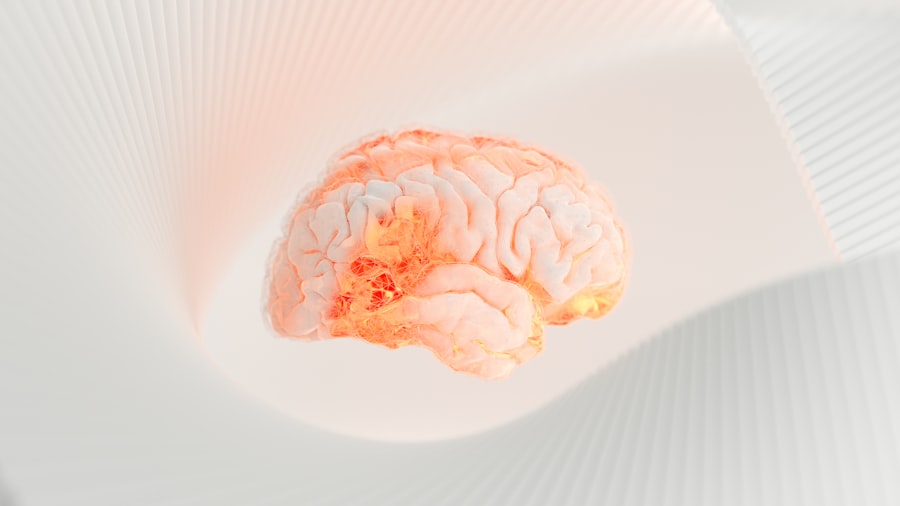
It’s crucial to understand that DPDR often arises in the context of significant stress or trauma. Your brain’s response to these overwhelming experiences can leave a lasting imprint that contributes to the disorder’s symptoms.
The Hypothalamic-Pituitary-Adrenal (HPA) Axis: The Body’s Stress Response System
The HPA axis is your body’s central stress response system. When you experience chronic or severe stress, the HPA axis can become dysregulated, leading to an overproduction of stress hormones like cortisol.
Cortisol and the Hippocampus: Memory and Context Under Siege
Elevated cortisol levels can negatively impact the hippocampus, an area vital for memory formation and contextualizing experiences. A compromised hippocampus can make it harder for your brain to anchor present experiences in a coherent narrative, potentially contributing to feelings of unreality and detachment from your personal timeline. Imagine trying to organize a library where some of the catalog cards are missing or smudged; it becomes difficult to sort and retrieve information accurately.
The Amygdala’s Hypervigilance: The Brain on Constant Alert
In the aftermath of trauma, the amygdala can become hypervigilant, constantly scanning for threats. This heightened state of alert can lead to a feeling of being detached from your body and surroundings, as if you’re perpetually on guard. You might feel disconnected from yourself as a protective mechanism against overwhelming emotional pain. This is like a fire alarm that’s stuck in the “on” position, constantly sounding even when there’s no fire.
Dissociation as a Defense Mechanism: The Brain’s Escape Hatch
Dissociation, including depersonalization and derealization, can be an adaptive response to overwhelming stress or trauma. It’s a way for your brain to distance itself from unbearable physical or emotional pain.
Neural Correlates of Dissociation: A Temporary Surrender
Neuroimaging studies have shown altered patterns of brain activity in individuals who experience dissociation, particularly in areas related to self-awareness, emotional processing, and sensory integration. These patterns can reflect a temporary surrender of typical cognitive and emotional engagement to protect the individual from immediate distress.
Neurotransmitter Imbalances: The Chemical Messengers Gone Astray
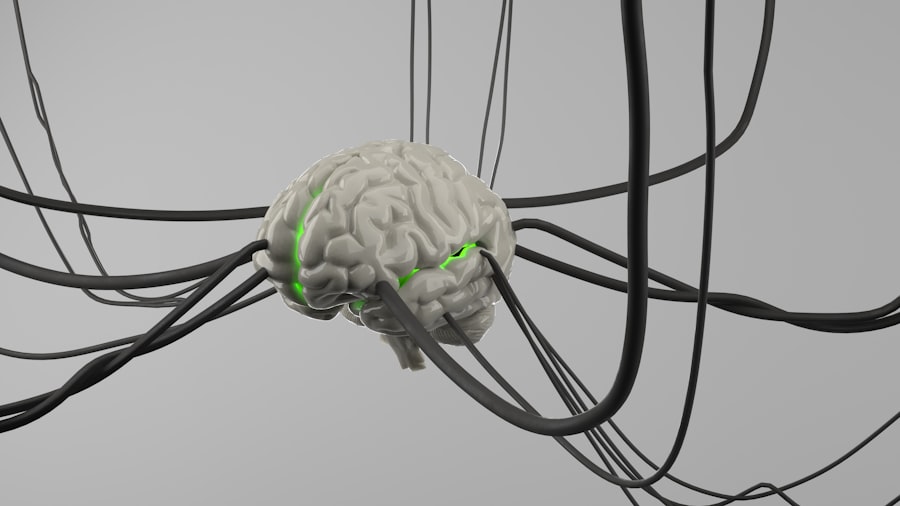
While not fully understood, research suggests that imbalances in certain neurotransmitter systems might contribute to DPDR. Neurotransmitters are chemical messengers that transmit signals between nerve cells.
Serotonin and its Role in Mood and Perception: The Mood Stabilizer’s Struggle
Serotonin is a neurotransmitter involved in regulating mood, sleep, appetite, and perception. Dysregulation of serotonin pathways has been implicated in various mood disorders, and there is some evidence suggesting its involvement in DPDR.
Serotonin Reuptake Inhibitors (SSRIs) and Treatment: A Glimmer of Hope
SSRIs, a class of antidepressants that increase serotonin levels in the brain, are sometimes used to manage DPDR symptoms. Their effectiveness in some individuals suggests a link between serotonin function and the disorder. This indicates that the brain’s chemical balance, much like the precise formulation of a complex recipe, is crucial for optimal functioning, and when imbalances occur, the resulting “dish” or experience can be unsettling.
Dopamine and its Influence on Attention and Reward: The Motivation’s Muddle
Dopamine is another neurotransmitter crucial for motivation, reward, and attention. Alterations in dopamine signaling could potentially influence the way you experience the salience and reward value of both internal and external stimuli.
Dopamine Dysregulation and the Sense of Detachment: A Loss of Interest
If dopamine pathways are not functioning optimally, you might experience a reduced sense of pleasure or interest in activities and surroundings, contributing to a feeling of detachment and unreality. This is like having the “flavor enhancers” in your brain not working correctly, making the ordinary taste a little bland.
Glutamate and GABA: The Excitatory and Inhibitory Balance
Glutamate is the primary excitatory neurotransmitter in the brain, while GABA (gamma-aminobutyric acid) is the primary inhibitory neurotransmitter. The balance between these two systems is crucial for maintaining healthy neuronal activity.
Disruptions in Glutamatergic and GABAergic Systems: A Frenetic or Stalled System
Imbalances in glutamate and GABA signaling have been observed in various neurological and psychiatric conditions. In DPDR, disruptions in this delicate balance could contribute to either an over-excitation or an under-excitation of neural circuits, impacting sensory processing and self-awareness. Think of it as a finely tuned musical instrument; if the tension of the strings (excitatory) or the damping effect (inhibitory) is off, the music will sound discordant.
Recent advancements in the neuroscience of depersonalization and derealization have shed light on the complex mechanisms underlying these phenomena. Researchers have been exploring how disruptions in the brain’s processing of self and reality contribute to these experiences. For a deeper understanding of these intriguing concepts, you can read more in this related article on the topic of neuroscience. This exploration not only highlights the challenges faced by individuals experiencing these disorders but also opens new avenues for potential therapeutic interventions.
Emerging Research and Future Directions: Unraveling the Neural Tapestry
| Metric | Description | Typical Findings in Depersonalization/Derealization | Neuroscience Relevance |
|---|---|---|---|
| Prevalence | Percentage of population experiencing symptoms | 1-2% in general population; higher in clinical samples | Indicates scope for neurological and psychological research |
| Functional Connectivity | Brain network communication patterns | Reduced connectivity between prefrontal cortex and limbic areas | Suggests impaired emotional regulation and self-awareness |
| Gray Matter Volume | Structural brain differences measured by MRI | Decreased volume in anterior insula and temporal cortex | Correlates with altered interoception and sensory integration |
| Electroencephalography (EEG) Patterns | Brainwave activity during rest or tasks | Increased alpha power in frontal regions | May reflect cortical inhibition linked to dissociative symptoms |
| Neurotransmitter Alterations | Changes in chemical signaling in the brain | Altered glutamate and GABA balance observed | Impacts excitatory/inhibitory neural circuits involved in perception |
| Autonomic Nervous System Activity | Physiological arousal measures (heart rate variability) | Reduced sympathetic response during stress | May contribute to emotional numbing and detachment |
The neuroscience of DPDR is a dynamic and evolving field. Ongoing research is continuously shedding more light on the complex neural circuitry involved.
Neuroimaging Techniques: Mapping the Disturbed Brain
Advanced neuroimaging techniques, such as functional magnetic resonance imaging (fMRI) and electroencephalography (EEG), are providing invaluable insights into the brain activity of individuals with DPDR.
Identifying Brain Regions of Interest: Pinpointing the Source of the Strangeness
By observing which brain regions become more or less active during episodes of depersonalization and derealization, researchers are able to identify key areas involved in the disorder, such as the aforementioned mPFC, insula, and amygdala. This is like using a detailed map of the city to identify which districts are experiencing traffic jams or power outages.
Connectivity Studies: The Communication Pathways Under Scrutiny
Studies examining the connectivity between different brain regions are also crucial. In DPDR, there may be alterations in how effectively different parts of the brain communicate with each other. This can manifest as a breakdown in the integration of sensory information, emotional processing, and self-referential thought. Imagine the city’s sophisticated road network; dysfunctional connections mean that traffic can’t flow smoothly, leading to gridlock and isolation.
Pharmacological Interventions and Targeted Therapies: Towards a More Precise Approach
As our understanding of the neurobiology of DPDR deepens, so does the potential for developing more targeted pharmacological and therapeutic interventions.
Novel Drug Development: Addressing Specific Neurotransmitter Imbalances
Future research may focus on developing medications that specifically target the identified neurotransmitter imbalances or modulate the activity of key brain regions implicated in DPDR. This would be like developing specialized tools to fix the specific mechanical issues in the city’s infrastructure.
Integrating Neuroscience with Psychotherapy: A Holistic Approach
It’s important to remember that DPDR is not solely a biological phenomenon. The interplay between your brain, your experiences, and your environment is crucial. Integrating neuroscientific insights with evidence-based psychotherapies, such as cognitive behavioral therapy (CBT) and mindfulness-based approaches, holds significant promise for helping you regain a grounded sense of self and reality. This holistic approach acknowledges that while the city’s infrastructure might need repair, the citizens’ ability to navigate and interact within it also needs support.
Understanding the neuroscience behind depersonalization and derealization can be a powerful step in demystifying these unsettling experiences. While the feeling of being a stranger in your own reality can be profoundly disorienting, knowing that these are often the result of complex neural processes, particularly those triggered by stress and trauma, can offer a sense of validation and a pathway toward healing. The brain, while capable of such intricate and sometimes troubling adaptations, is also capable of change and recovery. By continuing to unravel the neural tapestry of DPDR, researchers are paving the way for more effective interventions and, ultimately, for you to feel more firmly rooted in your own existence and the world around you.
FAQs
What is depersonalization-derealization disorder (DPDR)?
Depersonalization-derealization disorder is a dissociative condition characterized by persistent or recurrent feelings of detachment from oneself (depersonalization) and/or the surrounding environment (derealization). Individuals may feel as if they are observing themselves from outside their body or that the world around them is unreal.
What are the main neurological factors involved in depersonalization-derealization?
Neuroscientific research suggests that depersonalization-derealization involves altered activity in brain regions responsible for emotional processing, self-awareness, and sensory integration. Key areas include the prefrontal cortex, limbic system (especially the amygdala), and temporoparietal junction. Dysregulation in these areas may disrupt normal perception of self and reality.
How does brain imaging contribute to understanding depersonalization-derealization?
Brain imaging techniques such as functional MRI (fMRI) and positron emission tomography (PET) have revealed abnormal patterns of brain activity in individuals with depersonalization-derealization. These studies often show decreased activity in emotional processing centers and increased activity in areas involved in cognitive control, suggesting a neural basis for the symptoms.
Are there any known neurotransmitter systems involved in depersonalization-derealization?
Yes, neurotransmitter systems such as serotonin, glutamate, and gamma-aminobutyric acid (GABA) are implicated in depersonalization-derealization. Imbalances in these systems may affect neural circuits related to perception and emotional regulation, contributing to the disorder’s symptoms.
Can understanding the neuroscience of depersonalization-derealization improve treatment options?
Understanding the neural mechanisms underlying depersonalization-derealization can guide the development of targeted treatments, including pharmacological interventions and cognitive-behavioral therapies. For example, medications that modulate neurotransmitter systems or brain stimulation techniques may be explored to alleviate symptoms based on neuroscientific findings.