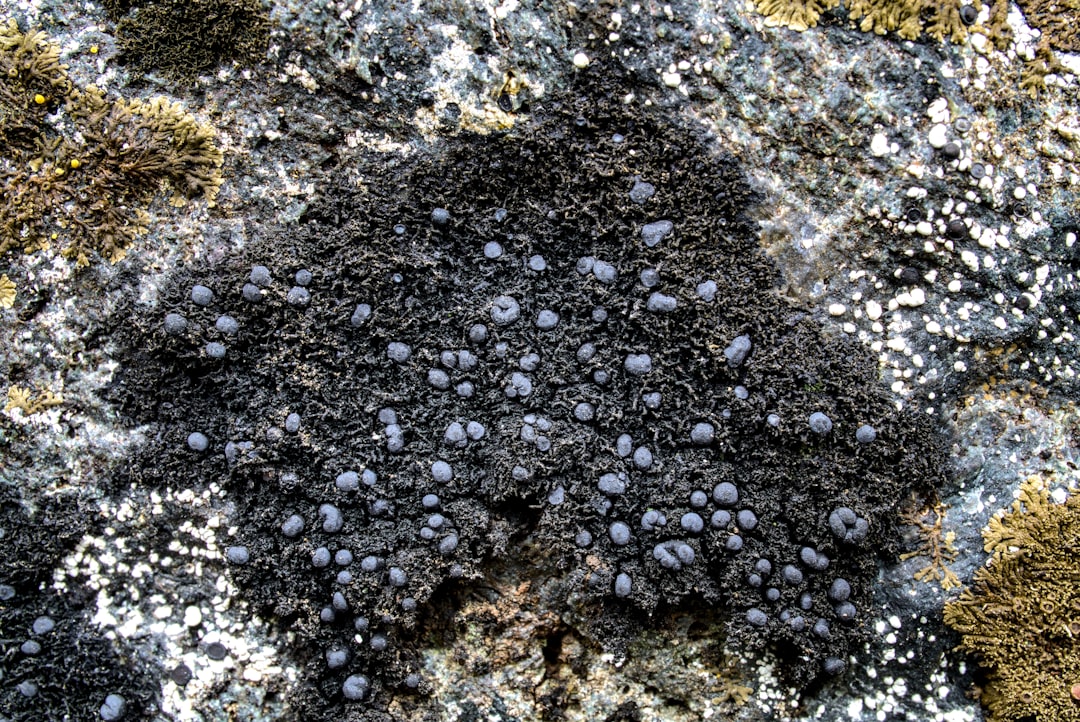
The Chihuahuan Desert, sprawling across parts of Mexico and the southwestern United States, is renowned for its unique geological features and diverse ecosystems. This vast arid landscape, characterized by its rugged mountains, expansive plains, and striking rock formations, provides an ideal backdrop for meteorite hunting. The desert’s dry climate and minimal vegetation create optimal conditions for spotting meteorites, as these celestial remnants often stand out against the barren terrain.
With its rich geological history and a relatively low population density, the Chihuahuan Desert has become a favored destination for both amateur and professional meteorite hunters. Meteorites are remnants of the early solar system, and the Chihuahuan Desert’s geological composition makes it a prime location for their discovery. The region’s ancient volcanic activity and sedimentary layers have contributed to the preservation of these extraterrestrial objects.
Additionally, the desert’s vast open spaces allow hunters to cover large areas in search of these elusive treasures. The combination of favorable environmental conditions and a wealth of geological history makes the Chihuahuan Desert a hotspot for those seeking to uncover the mysteries of the universe through meteorite hunting.
Key Takeaways
- The Chihuahuan Desert is a prime location for meteorite hunting due to its vast and relatively undisturbed landscape.
- Iron meteorites have a long history in the Chihuahuan Desert, with evidence of their presence dating back to ancient civilizations.
- Characteristics of iron meteorites include a high density, metallic appearance, and often a distinctive pattern known as a Widmanstätten structure.
- Tools and techniques for finding iron meteorites in the desert include metal detectors, magnets, and visual inspection of the ground surface.
- Iron meteorites are important in scientific research for providing insights into the formation and composition of the early solar system.
The History of Iron Meteorites in the Chihuahuan Desert
The history of iron meteorites in the Chihuahuan Desert is as fascinating as the celestial objects themselves. Iron meteorites, which are primarily composed of iron and nickel, have been found in various locations throughout the desert, with some of the most significant discoveries dating back to the 19th century. Early explorers and scientists were drawn to the region not only for its natural beauty but also for its potential to yield valuable scientific specimens.
As a result, numerous iron meteorites were collected and documented, contributing to the growing understanding of these cosmic artifacts. One of the most notable discoveries in the Chihuahuan Desert occurred in 1938 when a massive iron meteorite known as the “Allende” was found near the town of Allende, Mexico. This meteorite, weighing over 2 tons, is one of the largest ever discovered and has provided invaluable insights into the formation of our solar system.
The Allende meteorite is particularly significant because it contains chondrules—small spherical particles that are among the oldest materials in the solar system. Such discoveries have not only enriched scientific knowledge but have also sparked interest in meteorite hunting as a legitimate pursuit.
Characteristics of Iron Meteorites and How to Identify Them
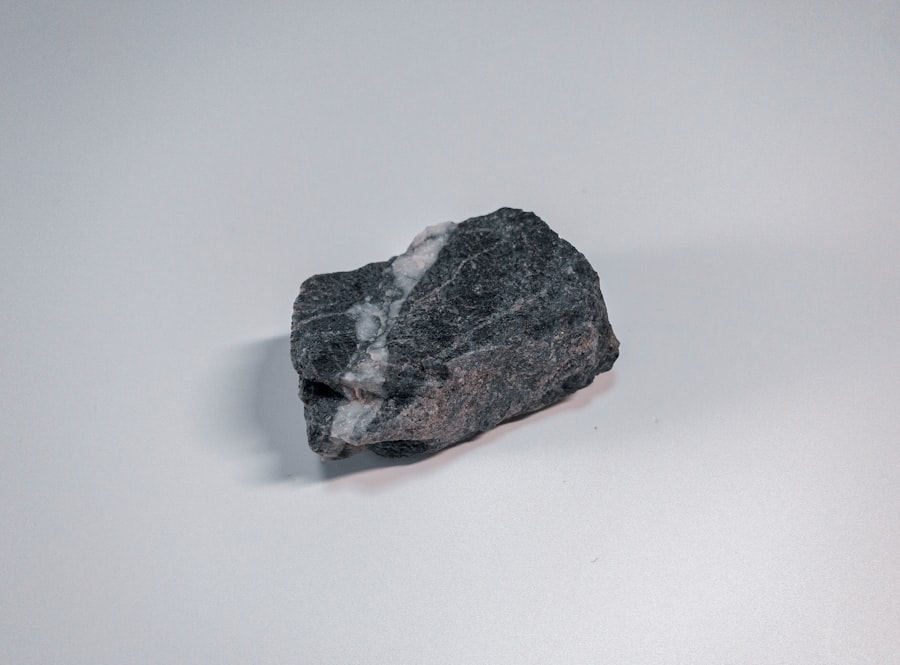
Iron meteorites possess distinct characteristics that set them apart from other types of meteorites. Composed primarily of iron and nickel, these meteorites often exhibit a metallic luster that can catch the eye of an experienced hunter. Their surfaces may display a variety of textures, including smooth areas and rough patches, often resulting from their journey through Earth’s atmosphere.
One of the most recognizable features of iron meteorites is their unique Widmanstätten pattern—a crystalline structure that forms when iron cools slowly over millions of years. This pattern can be revealed through etching with acid, making it a key identifier for collectors and researchers alike. In addition to their metallic appearance, iron meteorites can vary significantly in size and shape.
Some may be small enough to fit in the palm of a hand, while others can weigh several tons. Their weight is often a telltale sign; iron meteorites are typically much denser than terrestrial rocks. When hunting in the Chihuahuan Desert, experienced meteorite hunters often look for specific indicators such as rust or fusion crust—an outer layer formed during atmospheric entry.
Tools and Techniques for Finding Iron Meteorites in the Desert
| Tool/Technique | Description |
|---|---|
| Metal Detector | An electronic device that can detect the presence of metal, including iron meteorites, in the ground. |
| Magnet | Using a strong magnet to attract iron meteorites, as they contain a high percentage of iron. |
| Visual Search | Scanning the desert landscape for unusual rock formations or shapes that may indicate the presence of an iron meteorite. |
| GPS | Using GPS technology to mark locations where potential iron meteorites have been found for future reference. |
Equipped with the right tools and techniques, aspiring meteorite hunters can enhance their chances of success in the Chihuahuan Desert. A metal detector is perhaps one of the most valuable tools in a hunter’s arsenal. These devices can help locate iron-rich meteorites buried beneath the surface or hidden among rocks and sand.
While metal detectors vary in sophistication, even basic models can be effective in identifying metallic objects within a certain range. In addition to metal detectors, hunters often utilize handheld tools such as rock hammers and chisels to excavate potential finds. A sturdy backpack is essential for carrying supplies, including water, snacks, and field guides that provide information on identifying meteorites.
Furthermore, wearing appropriate clothing and sturdy footwear is crucial for navigating the rugged terrain safely. Techniques such as scanning open areas with a keen eye for unusual shapes or colors can also prove beneficial. By combining technology with traditional hunting methods, individuals can maximize their chances of uncovering hidden treasures in this vast desert landscape.
The Importance of Iron Meteorites in Scientific Research
Iron meteorites hold immense significance in scientific research due to their unique composition and origin. As remnants from the early solar system, they provide valuable insights into planetary formation and evolution. Researchers study these celestial objects to understand the processes that shaped not only Earth but also other celestial bodies within our solar system.
The isotopic compositions found within iron meteorites can reveal information about the conditions present during their formation, shedding light on the history of our cosmic neighborhood. Moreover, iron meteorites serve as time capsules that preserve information about the early solar system’s environment. By analyzing their mineralogy and isotopic ratios, scientists can glean insights into the conditions that existed billions of years ago.
This research has implications beyond planetary science; it also informs our understanding of fundamental processes such as nucleosynthesis—the formation of elements within stars—and helps refine models of solar system evolution. Thus, iron meteorites are not merely objects of curiosity; they are vital components in unraveling the mysteries of our universe.
Challenges and Dangers of Hunting for Iron Meteorites in the Desert
While hunting for iron meteorites in the Chihuahuan Desert can be an exhilarating experience, it is not without its challenges and dangers. The harsh desert environment presents numerous obstacles that hunters must navigate carefully. Extreme temperatures during both day and night can lead to heat exhaustion or hypothermia if proper precautions are not taken.
Additionally, sudden weather changes can occur, bringing dust storms or flash floods that pose risks to those unprepared for such conditions. Navigating the rugged terrain also presents physical challenges; rocky outcrops and uneven ground can lead to injuries if hunters are not cautious. Wildlife encounters are another consideration; while most animals tend to avoid humans, rattlesnakes and other potentially dangerous creatures inhabit the desert landscape.
Therefore, it is essential for hunters to remain vigilant and informed about their surroundings while taking necessary safety measures—such as traveling with a partner and carrying adequate supplies—to mitigate risks associated with this adventurous pursuit.
Stories of Notable Iron Meteorite Discoveries in the Chihuahuan Desert
The Chihuahuan Desert has been home to numerous remarkable iron meteorite discoveries that have captured the imagination of both scientists and enthusiasts alike. One such story involves the discovery of the “Chihuahua” meteorite in 1884 near the city of Chihuahua, Mexico. Weighing approximately 1 ton, this iron meteorite became one of the first documented finds in North America and has since been studied extensively by researchers seeking to understand its origins and composition.
Another notable discovery occurred in 1998 when a group of amateur hunters stumbled upon a large iron meteorite near the town of Ceballos, Mexico. Weighing over 1,500 kilograms (approximately 3,300 pounds), this find was significant not only due to its size but also because it provided new insights into the classification of iron meteorites. Such discoveries highlight the potential for uncovering extraordinary specimens within this vast desert landscape and serve as inspiration for future generations of meteorite hunters.
The Economic and Cultural Impact of Iron Meteorite Discoveries
The discovery of iron meteorites in the Chihuahuan Desert has far-reaching economic and cultural implications for local communities and beyond. For many towns situated near significant finds, meteorite hunting has become an integral part of their identity and economy. Local businesses often benefit from increased tourism as enthusiasts flock to explore potential hunting grounds or visit museums showcasing these celestial treasures.
Events such as meteorite festivals attract visitors from around the world, fostering community engagement while promoting scientific education. Culturally, iron meteorites hold significance beyond their scientific value; they have inspired folklore and artistic expression throughout history. Indigenous cultures have long regarded meteoric stones as sacred objects imbued with spiritual meaning.
In contemporary society, artists incorporate meteorite fragments into jewelry or sculptures, creating unique pieces that celebrate humanity’s connection to the cosmos. Thus, iron meteorite discoveries contribute not only to scientific knowledge but also enrich cultural narratives within communities across the Chihuahuan Desert.
Conservation and Preservation of Iron Meteorites in the Chihuahuan Desert
As interest in meteorite hunting continues to grow, so too does the need for conservation and preservation efforts regarding these precious celestial artifacts. Many regions within the Chihuahuan Desert are home to significant finds that require protection from unauthorized collection or damage caused by human activity.
Organizations dedicated to planetary science advocate for responsible stewardship of meteorite sites while promoting public awareness about their importance. Educational programs aimed at local communities emphasize sustainable practices that balance scientific exploration with environmental conservation. By fostering a sense of responsibility among hunters and enthusiasts alike, efforts can be made to protect these invaluable resources while allowing continued exploration within this remarkable desert landscape.
Future Prospects for Uncovering Iron Meteorites in the Chihuahuan Desert
The future prospects for uncovering iron meteorites in the Chihuahuan Desert remain promising as advancements in technology and research methodologies continue to evolve. With improved metal detection devices becoming more accessible to amateur hunters, individuals are better equipped than ever before to locate these elusive treasures hidden beneath layers of sand or rock. Additionally, ongoing geological studies may reveal previously unexplored areas rich with potential finds.
Furthermore, collaborations between scientists and amateur enthusiasts foster an environment conducive to discovery. Citizen science initiatives encourage individuals to contribute their findings while providing valuable data for researchers studying meteorite distribution patterns across different regions within the desert landscape. As interest grows among both seasoned collectors and newcomers alike, there is no doubt that new discoveries await those willing to venture into this captivating realm.
Tips for Amateur Meteorite Hunters in the Chihuahuan Desert
For amateur meteorite hunters eager to embark on their own adventures in search of iron meteorites within the Chihuahuan Desert, several tips can enhance their experience significantly. First and foremost, thorough research is essential; understanding local geology and previous finds can provide valuable context when selecting hunting locations. Joining local clubs or online forums dedicated to meteorite hunting allows enthusiasts to share knowledge while connecting with experienced hunters who can offer guidance.
Equipping oneself with appropriate tools—such as metal detectors, field guides, and excavation tools—is crucial for success during hunts. Additionally, staying hydrated and prepared for changing weather conditions ensures safety throughout excursions into this challenging environment. Finally, maintaining an open mind while exploring fosters a sense of wonder that enhances every discovery made along this cosmic journey through one of nature’s most extraordinary landscapes—the Chihuahuan Desert.
Iron meteorites have long fascinated scientists and enthusiasts alike, particularly those found in the Chihuahuan Desert, which offer a unique glimpse into the early solar system. These meteorites, composed primarily of iron and nickel, are believed to originate from the cores of ancient, differentiated asteroids. Their study provides valuable insights into planetary formation and the processes that shaped our solar system. For more detailed information on the fascinating world of meteorites and their significance, you can explore a related article on the topic by visiting Freaky Science. This resource delves into the science behind meteorites and their impact on our understanding of the cosmos.
WATCH THIS! They Crashed a US Missile Into the Zone of Silence
FAQs
What are iron meteorites?
Iron meteorites are a type of meteorite that primarily consists of iron and nickel. They are thought to originate from the cores of asteroids that were shattered by impacts.
How are iron meteorites formed?
Iron meteorites are formed from the cores of planetesimals, which are small planetary bodies. These cores are exposed to extreme temperatures and pressures, leading to the formation of iron-nickel alloys.
What are the characteristics of iron meteorites?
Iron meteorites are often heavy and dense, with a metallic appearance. They may have a distinctive Widmanstätten pattern when etched with acid, which is caused by the interlocking crystal structure of the iron-nickel alloys.
Where are iron meteorites found?
Iron meteorites can be found in various locations around the world, including deserts, plains, and Antarctica. They are often discovered through visual inspection or with the help of metal detectors.
What is the significance of iron meteorites in the Chihuahuan Desert?
The Chihuahuan Desert is known for its abundance of iron meteorites, making it a popular location for meteorite hunters and researchers. The dry climate and sparse vegetation make it easier to spot meteorites on the surface.
Are iron meteorites valuable?
Iron meteorites can be valuable to collectors and researchers due to their rarity and unique characteristics. The value of an iron meteorite depends on factors such as size, condition, and provenance.