The Earth’s internal dynamo, a churning sea of molten iron and nickel in the planet’s outer core, is responsible for generating the powerful magnetic field that shields us from harmful solar radiation. This magnetic field is not static; it waxes and wanes in intensity and, over geological timescales, has undergone dramatic reversals where its polarity flips. Understanding these ancient magnetic field behaviors unlocks a profound narrative of our planet’s past, a story etched not in stone, but in the magnetic signatures of rocks. Scientists employ a sophisticated tool known as paleomagnetism, the study of the remanent magnetization of rocks, to reconstruct these historical magnetic field states. By meticulously analyzing the magnetic imprints left behind in volcanic rocks, sedimentary layers, and even ancient baked clays, researchers are peeling back the layers of time to reveal the dynamic history of Earth’s geomagnetic field, including its dramatic and frequent flips.
Imagine the Earth as a giant, albeit slightly eccentric, bar magnet. The magnetic field lines emanating from its south pole loop around and re-enter at its north pole. When molten rock cools and solidifies, or when fine magnetic grains settle in a fluid environment, they act like tiny compass needles, aligning themselves with the ambient magnetic field at that specific time and location. This alignment becomes locked in, preserving a snapshot of Earth’s magnetic orientation. This is the fundamental principle at the heart of paleomagnetism.
The Thermoremanent Magnetization: Forging a Magnetic Memory
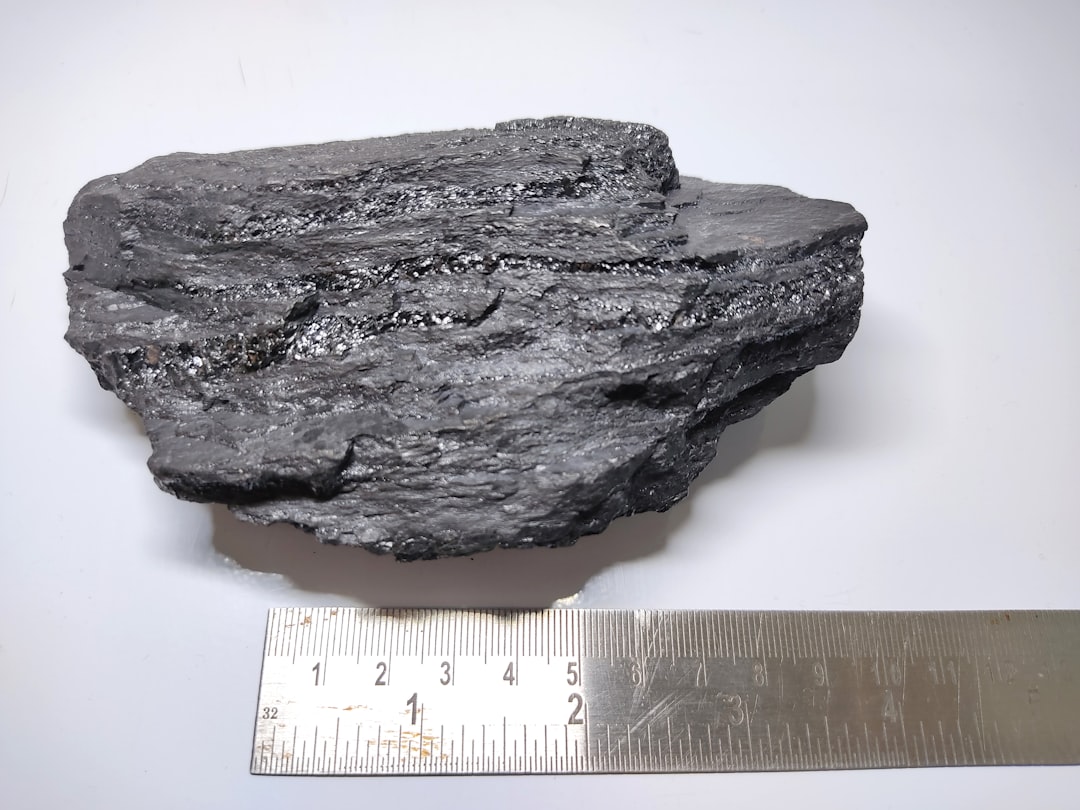
The most robust magnetic signal in many rocks originates from the process of thermoremanent magnetization (TRM). This occurs when igneous rocks, such as basalt, cool from a molten state (magma or lava). Within these rocks are ferromagnetic minerals, the most common being magnetite (Fe₃O₄). As the magma cools below its Curie temperature, the Curie point is a critical thermal threshold above which a ferromagnetic material loses its permanent magnetism. For magnetite, this temperature is around 585°C (1085°F). Below this point, the magnetic domains within the mineral grains align themselves with the surrounding external magnetic field. This alignment is then frozen in place as the rock solidifies, creating a permanent magnetic record. Think of it as a microscopic, indelible ink that records the direction and intensity of Earth’s magnetic field at the moment of cooling. The faster the cooling occurs, the more effectively the magnetic minerals are trapped in their aligned state, preserving a stronger and more faithful magnetic remanence.
Detrital Remanent Magnetization: Settling Instories of Time
In sedimentary rocks, a similar principle applies, albeit through a different mechanism called detrital remanent magnetization (DRM). As fine-grained magnetic particles, such as magnetite or hematite, are transported by wind or water, they are essentially miniature compass needles already carrying a magnetic imprint. When these particles settle out of suspension and accumulate on the seafloor or lakebed, they tend to align themselves with the Earth’s magnetic field before they become physically locked in place by the cementing process of sedimentation. This alignment is analogous to iron filings settling on a piece of paper held above a magnet, where the filings arrange themselves along the magnetic field lines. While DRM can be a valuable source of paleomagnetic information, it can also be more susceptible to later magnetic disturbances, as the process of alignment might not be as perfect as the instantaneous freezing of TRM during igneous cooling.
Chemical Remanent Magnetization: A Slower, Deeper Imprint
A third type of remanent magnetization, chemical remanent magnetization (CRM), is acquired when new magnetic minerals are formed within a rock after its initial formation, or when existing minerals undergo alteration. This process, known as diagenesis or weathering, involves chemical reactions that create or change magnetic minerals. As these new magnetic minerals form, they acquire a magnetization parallel to the ambient magnetic field at the time of their formation. CRM can be acquired at temperatures below the Curie point and can even occur in sedimentary rocks through this chemical alteration. This imbues rocks with a magnetic memory that can be imprinted over longer geological periods, sometimes obscuring or overprinting older magnetic signals.
Paleomagnetic evidence of geomagnetic field reversals has been a crucial area of study for understanding Earth’s magnetic history. A related article that delves deeper into this fascinating topic can be found at Freaky Science, where researchers explore the implications of these reversals on both geological and biological processes throughout Earth’s history. This resource provides valuable insights into how these magnetic shifts may have influenced climate patterns and the evolution of life on our planet.
Unlocking the Geomagnetic Polarity Timescale: A Geological Chronometer
The magnetic signatures locked within rocks, when dated accurately, allow scientists to construct the Geomagnetic Polarity Timescale (GPTS). This is a fundamental tool in Earth science, acting as a chronological framework that divides Earth’s history into epochs and subchrons characterized by specific magnetic polarities. By understanding how frequently these flips occurred in the past, we gain invaluable insights into the processes governing our planet’s dynamo.
Radiometric Dating: Pinpointing the Age of Magnetic Events
The accuracy of the GPTS relies heavily on the precise dating of the rocks that carry the paleomagnetic information. This is achieved through radiometric dating techniques. These methods utilize the predictable decay of radioactive isotopes within rocks to determine their age. For instance, the potassium-argon (⁴⁰K – ⁴⁰Ar) dating method, uranium-lead (U-Pb) dating, and samarium-neodymium (¹⁴⁷Sm – ¹⁴³Nd) dating are commonly employed. By dating volcanic layers above and below a sedimentary section, or by dating multiple lava flows from the same volcanic province, researchers can bracket the age of the magnetic reversals recorded within those rocks. This is like using a stopwatch to rewind and fast-forward through Earth’s magnetic history, marking crucial turning points in time.
Stratigraphic Correlation: Connecting the Dots Across Continents
Establishing the GPTS is not just about dating individual rock samples; it’s about stratigraphic correlation. This involves correlating rock layers from different locations, even across continents, based on their magnetic polarity patterns and their relative ages. If a particular sequence of normal and reversed polarity zones is found in a volcanic sequence in Hawaii and also in a sedimentary deposit in Japan, and if radiometric dates from both locations indicate they formed around the same time, then confidence in the accuracy of the polarity record increases exponentially. This is akin to piecing together a giant jigsaw puzzle, where each magnetic reversal pattern is a unique piece that, when placed correctly, reveals a more complete picture of Earth’s magnetic past.
Paleointensity Studies: Quantifying the Strength of Ancient Fields
Beyond just the polarity of the field, paleomagnetists also investigate paleointensity, the strength of the Earth’s magnetic field in the past. By carefully analyzing the intensity of the remanent magnetization in rocks and comparing it with laboratory-induced magnetizations, scientists can estimate how strong the geomagnetic field was at the time the rock was magnetized. This provides further context to the reversals, as it has been observed that the field’s intensity often weakens significantly during transition periods. This adds another dimension to our understanding, telling us not only the direction the compass needle pointed, but how forcefully it was being pulled.
Evidence for Magnetic Field Reversals: A Tapestry of Rock Records

The evidence for Earth’s magnetic field flips is compelling and comes from a diverse array of geological records spanning billions of years. These records, like ancient scrolls, reveal a recurring pattern of polarity changes.
Volcanic Sequences: Layers of Time and Magnetism
As mentioned earlier, volcanic sequences are among the most valuable archives of past magnetic field behavior. Successive lava flows, which erupt at different times, each record the prevailing magnetic field direction at their moment of cooling. In volcanic provinces that have experienced multiple eruptions over millions of years, geologists can observe distinct layers of rock with opposite magnetic orientations stacked atop one another. Imagine a stack of pancakes, where each pancake represents a lava flow, and the magnetic polarity tells you whether the butter (magnetic field) was spread on the top or the bottom. This layered structure provides an unambiguous record of polarity reversals.
Marine Magnetic Anomalies: The Ocean’s Magnetic Stripes
Perhaps the most visually striking evidence for seafloor spreading and magnetic reversals comes from marine magnetic anomalies. As magma erupts at mid-ocean ridges, it cools and solidifies, recording the Earth’s magnetic field. This newly formed oceanic crust then moves away from the ridge. Periodically, the Earth’s magnetic field reverses. As new crust forms at the ridge, it records this new reversed polarity. Over time, this process creates a series of parallel magnetic stripes on either side of the mid-ocean ridge, with symmetrical patterns of normal and reversed polarity. These magnetic stripes are like the grooves on a vinyl record, each carrying a continuous playback of Earth’s magnetic history as the ocean floor expanded and contracted. The discovery and interpretation of these anomalies in the mid-20th century provided crucial support for the theory of plate tectonics.
Sedimentary Successions and Baked Clays: Subtle but Significant Signals
While often more subtle than volcanic or oceanic records, sedimentary successions can also provide valuable evidence. As mentioned, DRM and CRM in sediments can preserve magnetic information. Furthermore, in archaeological sites, hearths and kilns made of clay that have been heated to high temperatures and then cooled can acquire a TRM, capturing the magnetic field of the time. These baked clays, often found in datable archaeological contexts, provide high-resolution records of recent magnetic field behavior, including some evidence of short-lived polarity excursions. These subtle signals are like whispers from the past, carrying the same magnetic story, just with less volume.
The Mechanism of Magnetic Reversals: A Dance of the Earth’s Core

The exact triggers and detailed mechanisms that lead to a magnetic field reversal are still areas of active research. However, our understanding points to complex fluid dynamics within the Earth’s outer core.
The Geodynamo: A Self-Sustaining System
The Earth’s magnetic field is generated by the geodynamo, a complex process involving the convection of electrically conductive fluid (molten iron and nickel) in the outer core. This movement generates electrical currents, which in turn create magnetic fields. This is a self-sustaining feedback loop, similar to how a bicycle dynamo generates electricity to power a light. The motion of the fluid, driven by heat emanating from the Earth’s solid inner core, generates the field.
Core Instabilities and Chaotic Behavior
The geodynamo is not a perfectly stable system. Like a turbulent river, the flow of molten iron within the outer core can become chaotic. Models suggest that instabilities within this fluid motion can lead to a significant weakening and eventual re-establishment of the magnetic field in the opposite direction. Imagine the currents in a boiling pot of water, sometimes swirling uniformly, other times becoming quite turbulent and unpredictable. It is this turbulence that may be the architect of magnetic field reversals.
The Role of the Inner Core
Some theories propose that interactions between the liquid outer core and the solid inner core might play a role in initiating and guiding reversals. The growth of the inner core, for example, releases latent heat, which drives convection. Changes in the thermal conductivity or the presence of impurities at the inner core boundary could influence the flow patterns and potentially contribute to the complex dynamics that lead to flips.
Paleomagnetic evidence of geomagnetic field reversals provides crucial insights into the Earth’s magnetic history and its implications for understanding plate tectonics. Recent studies have highlighted the significance of these reversals in relation to the Earth’s geological processes. For those interested in delving deeper into this fascinating topic, a related article can be found at Freaky Science, which explores the mechanisms behind these magnetic shifts and their potential impact on the planet’s climate and biosphere.
Implications of Magnetic Field Reversals: Beyond a Geophysical Curiosity
| Metric | Description | Typical Values | Significance |
|---|---|---|---|
| Virtual Geomagnetic Pole (VGP) Latitude | Latitude of the geomagnetic pole inferred from rock magnetization | Ranges from 0° (equator) to ±90° (poles) | Indicates polarity and position of the magnetic pole during rock formation |
| Magnetic Inclination | Angle between the magnetic field vector and the horizontal plane | Positive or negative values, typically ±30° to ±90° | Helps determine polarity and latitude of rock formation |
| Remanent Magnetization Intensity | Strength of the preserved magnetic signal in rocks | Varies widely, typically 10^-6 to 10^-2 A/m | Indicates reliability and preservation of magnetic record |
| Reversal Frequency | Number of geomagnetic reversals per million years | Approximately 4 to 10 reversals per million years during the last 5 million years | Reflects the dynamo behavior of Earth’s core |
| Duration of Reversal | Time taken for the magnetic field to switch polarity | Typically 1,000 to 10,000 years | Provides insight into the dynamics of the geodynamo process |
| Polarity Chron Length | Duration of a stable polarity interval | Ranges from thousands to millions of years | Used for dating and correlating geological strata |
The phenomenon of magnetic field reversals is far more than just a peculiar quirk of our planet; it has significant implications for life on Earth and our understanding of planetary evolution.
Increased Surface Radiation: A Window of Vulnerability
During a magnetic field reversal, the overall strength of the Earth’s magnetic field can decrease significantly, by as much as 90%. This weakening creates a larger opening for harmful solar and cosmic radiation to reach the Earth’s surface. While the atmosphere still provides a considerable shield, periods of prolonged and severe weakening of the magnetic field could have posed challenges for early life, potentially influencing mutation rates and evolutionary pressures. It is like the shield protecting your castle becoming thin and porous, allowing more arrows to penetrate.
Navigational Challenges for Life
Many organisms, from migratory birds and insects to marine animals, rely on the Earth’s magnetic field for navigation. Changes in the field’s direction and intensity during reversals could have presented significant navigational challenges for these species, potentially impacting their migratory routes and survival. This is akin to having your GPS system temporarily go haywire during a critical journey.
Understanding Planetary Evolution: Lessons from the Past
Studying magnetic field reversals provides invaluable insights into the processes that govern the evolution of planetary magnetic fields in general. By comparing Earth’s reversal history with that of other planets, scientists can better understand the conditions necessary for a dynamo to operate and the factors that might lead to its cessation, as observed on bodies like Mars, which currently lacks a significant global magnetic field. This comparative approach allows us to see if Earth’s magnetic narrative is unique or part of a larger cosmic story.
The ongoing exploration of paleomagnetic evidence continues to refine our understanding of Earth’s magnetic past, revealing a dynamic planet with a core that has been actively shaping its surface and shielding its inhabitants for billions of years. Each reversed polarity recorded in ancient rocks is a chapter in this epic story, offering us a deeper appreciation for the intricate workings of our planet.

WATCH NOW ▶️ The Earth’s Shield Is Failing (And Nobody Is Safe)
FAQs
What is paleomagnetic evidence?
Paleomagnetic evidence refers to the record of the Earth’s magnetic field preserved in rocks, sediments, and archaeological materials. This evidence helps scientists study the history and changes of the Earth’s magnetic field over geological time.
What are magnetic field reversals?
Magnetic field reversals are events where the Earth’s magnetic north and south poles switch places. During a reversal, the magnetic field weakens, becomes unstable, and then re-establishes itself with opposite polarity.
How does paleomagnetic evidence show field reversals?
When volcanic rocks or sediments form, magnetic minerals within them align with the Earth’s magnetic field. By studying the orientation of these minerals in different layers, scientists can identify periods when the magnetic field was reversed compared to today.
Why are field reversals important to study?
Studying field reversals helps scientists understand the behavior of the Earth’s geodynamo, the processes in the Earth’s core that generate the magnetic field. It also aids in dating geological formations and understanding plate tectonics and past environmental conditions.
How often do magnetic field reversals occur?
Magnetic field reversals do not occur at regular intervals but typically happen every several hundred thousand to a few million years. The last reversal, known as the Brunhes-Matuyama reversal, occurred approximately 780,000 years ago.