
You are likely accustomed to proteins synthesized from L-amino acids. For decades, these have been the undisputed architects of your cellular machinery, the tireless workers that build tissues, catalyze reactions, and defend your system. However, a fascinating duality exists within the molecular world, and that duality extends to amino acids themselves: the existence of D-amino acids. While L-amino acids are the dominant, readily recognized players in your biological narrative, D-amino acids, though less prevalent, are not mere molecular ghosts. They are present, and their stability within your body is a subject of considerable scientific interest, particularly concerning their potential roles and implications.
Before delving into the realm of D-amino acids, it’s essential to solidify your understanding of the standard building blocks of life as you know them.
Chirality: The Mirror-Image Distinction
Amino acids, with the exception of glycine, possess a central carbon atom (the alpha-carbon) bonded to four different groups: an amino group (–NH₂), a carboxyl group (–COOH), a hydrogen atom, and a variable side chain (R-group). This arrangement renders the alpha-carbon a chiral center. Imagine a pair of hands: they are mirror images of each other but cannot be superimposed. Similarly, L-amino acids and D-amino acids are stereoisomers, existing as non-superimposable mirror images.
L-Configuration: The Predominant Isomer
In biological systems, the L-configuration is almost universally adopted. Your genetic code, the master blueprint for protein synthesis, is written exclusively in the language of L-amino acids. Ribosomes, the cellular protein factories, are exquisitely designed to assemble polypeptides using only L-amino acids. This specificity is paramount for the precise folding and function of proteins, akin to fitting specific puzzle pieces together to form a recognizable image.
D-Configuration: An Uncommon but Present Isomer
D-amino acids, the mirror images of their L-counterparts, are not typically incorporated into proteins during standard ribosomal synthesis. You might think of them as rare guests at a heavily guarded banquet, not usually admitted through the main entrance. However, their presence in your body, even in small quantities, is real, and their stability is a testament to molecular resilience.
Protein Synthesis: A Highly Regulated Process
Your body’s capacity to create proteins is a marvel of intricate biological engineering.
The Genetic Code
The sequence of nucleotides in your DNA dictates the sequence of amino acids in a polypeptide chain. This genetic information is transcribed into messenger RNA (mRNA), which then travels to ribosomes.
Ribosomal Action
Ribosomes bind to mRNA and, with the help of transfer RNA (tRNA) molecules carrying specific amino acids, catalyze the formation of peptide bonds, linking amino acids together in a precise order. This process is remarkably efficient and highly specific for L-amino acids.
Functional Implications of L-Amino Acid Proteins
The vast majority of proteins in your body are composed of L-amino acids. These proteins perform an astonishing array of functions.
Enzymes: The Catalytic Powerhouses
Enzymes, typically proteins, accelerate biochemical reactions by lowering activation energy. Their three-dimensional structures, meticulously crafted from L-amino acids, are crucial for their substrate specificity and catalytic efficiency.
Structural Components: The Scaffolding of Life
Proteins like collagen and keratin provide structural integrity to your tissues, from the tensile strength of your skin to the resilience of your bones.
Signaling Molecules: The Messengers of the Body
Hormones like insulin and growth hormone, many of which are peptide or protein in nature, regulate a multitude of physiological processes.
Recent studies have explored the stability of d-amino acid proteins in the body, highlighting their potential roles in various physiological processes. For a deeper understanding of this topic, you can refer to an insightful article that discusses the implications of d-amino acids on protein stability and their biological significance. To read more, visit this article.
The Emergence of D-Amino Acids in Your Biology
Despite the overwhelming dominance of L-amino acids, D-amino acids find their way into your biological landscape through several routes, and their stability in these contexts is surprising.
Bacterial Cell Walls: A Common Source
Bacteria, your constant microscopic companions, are a significant source of D-amino acids, particularly D-alanine and D-glutamic acid. These D-enantiomers are not passive contaminants but are essential components of peptidoglycan, the rigid outer layer of the bacterial cell wall that provides structural support and protection against osmotic pressure.
Peptidoglycan Structure
Peptidoglycan is a complex polymer consisting of repeating disaccharide units cross-linked by short peptide chains. The presence of D-amino acids within these peptide interbridges is crucial for the structural integrity and rigidity of the bacterial cell wall. Without them, bacterial cells would be vulnerable.
Antibiotic Targets
The unique presence of D-amino acids in bacterial cell walls makes them an attractive target for antibiotics. For instance, penicillin and its derivatives work by inhibiting the enzymes responsible for peptidoglycan synthesis, ultimately weakening the bacterial cell wall and leading to lysis.
Dietary Intake: A Minor Contribution
While not a primary source, you do ingest small amounts of D-amino acids through your diet. These can come from various sources, including some fermented foods and processed foods where racemization (the conversion of L-amino acids to D-amino acids) can occur during heating or alkaline processing.
Digestion and Absorption
The fate of these dietary D-amino acids in your digestive system is a subject of ongoing research, but it’s generally understood that they are less efficiently absorbed and metabolized compared to their L-counterparts. This is largely due to the specificity of your intestinal transporters and enzymes, which are primarily geared towards L-amino acids.
Potential for Incorporation
While unlikely to be directly incorporated into your self-synthesized proteins, some D-amino acids might be present in the circulation or tissues following dietary intake. Their stability in these environments determines their potential for further interaction or clearance.
Endogenous Production: A Subtle but Present Phenomenon
Your body is not entirely devoid of the capability to produce D-amino acids, albeit through specialized pathways and to a limited extent.
Amino Acid Racemases
Certain enzymes, known as amino acid racemases, can catalyze the interconversion of L-amino acids to D-amino acids. These enzymes are found in various tissues, including the brain, liver, and kidneys. While their primary function in humans is not fully elucidated, some research suggests they may play roles in neurotransmission or detoxification.
Free D-Amino Acids in Tissues
The presence of free D-amino acids in various tissues has been detected. These free amino acids are not bound within proteins but exist in a soluble form within cells or extracellular fluids. Their stability here is crucial for their potential biological activity or eventual metabolic breakdown.
Mechanisms of D-Amino Acid Stability in the Body

The persistence of D-amino acids within your biological milieu is not due to a lack of mechanisms for their removal but rather to a complex interplay of factors that contribute to their stability.
Limited Enzymatic Degradation Pathways
Your metabolic machinery is primarily designed to process L-amino acids. This means that the enzymes responsible for amino acid breakdown predominantly recognize and act upon L-enantiomers.
L-Amino Acid Oxidases
A key class of enzymes that degrade amino acids are L-amino acid oxidases. These enzymes are highly enantioselective, meaning they preferentially bind to and metabolize L-amino acids, leaving D-amino acids largely untouched. Imagine a lock and key; the L-amino acid is the right key for the L-oxidase lock, while the D-amino acid is the wrong key.
D-Amino Acid Oxidase (DAO)
While the body does possess D-amino acid oxidase (DAO), its activity and distribution are more restricted compared to L-amino acid oxidases. DAO plays a role in the metabolism of certain D-amino acids, such as D-serine, which has been implicated as a neurotransmitter. However, the overall flux through DAO may not be sufficient to rapidly clear all circulating D-amino acids.
Intrinsic Chemical Stability
D-amino acids, like their L-counterparts, are generally stable under physiological conditions. The peptide bond, formed between the carboxyl group of one amino acid and the amino group of another, is relatively resistant to hydrolysis at neutral pH and moderate temperatures.
Racemization Processes
While some D-amino acids might form through racemization, the reverse reaction (conversion of D back to L) can also occur. The equilibrium between L and D forms depends on factors like pH and temperature. In the neutral to slightly alkaline pH of your body, racemization can happen, but it’s not a unidirectional process that would rapidly eliminate D-amino acids.
Resistance to Proteinases
Proteolytic enzymes (proteinases) in your body are also highly specific for L-amino acid residues within polypeptide chains. This means that if a D-amino acid were inadvertently incorporated into a protein (which, as discussed, is rare during normal synthesis), that protein would likely be resistant to degradation by standard proteinases, contributing to its longevity.
Low Substrate Concentration and Enzyme Specificity
The overall low concentration of D-amino acids in many physiological contexts, compared to L-amino acids, can also contribute to their apparent stability. Enzymes operate based on substrate availability. If the concentration of a specific D-amino acid is very low, the rate of its enzymatic processing will also be correspondingly slow.
High Affinity for L-Enantiomers
Many enzymes involved in amino acid metabolism exhibit a much higher affinity for L-amino acids than for D-amino acids. This means they will preferentially bind and process L-amino acids even when both enantiomers are present. It’s like having a bustling highway for L-amino acids and a quiet, rarely used side road for D-amino acids.
Potential Roles and Significance of Stable D-Amino Acids
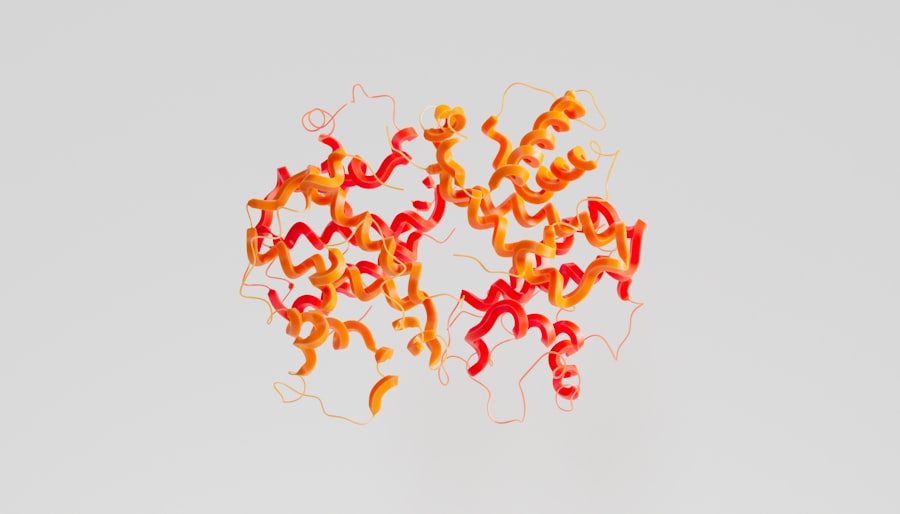
The persistence of D-amino acids within your body is not merely a chemical curiosity; it suggests potential biological roles, even if these roles are subtle or still under investigation.
Neurotransmission and Neuromodulation
Certain D-amino acids, most notably D-serine, have been identified as neuromodulators in the central nervous system. D-serine acts as a co-agonist at NMDA receptors, playing a critical role in synaptic plasticity, learning, and memory.
Co-agonist Activity
NMDA receptors are essential for excitatory neurotransmission. D-serine binds to a specific site on these receptors, enhancing their activity in response to glutamate, the primary excitatory neurotransmitter. This interaction is like a dimmer switch that fine-tunes neuronal signaling.
Regulatory Mechanisms
The stability of D-serine is crucial for its sustained presence in synaptic clefts, allowing for precise regulation of NMDA receptor function. Enzymes like DAO are involved in its clearance, but the balance between production and degradation dictates its availability.
Bacterial Vigor and Host Defense
As previously mentioned, D-amino acids are vital for bacterial survival. Their presence in the gut microbiota, for example, can influence the composition and function of these microbial communities.
Gut Microbiota Interactions
The interplay between D-amino acids produced by gut bacteria and your own immune system is an area of active research. These microbial-derived D-amino acids might influence immune responses or act as signals between bacteria and host cells.
Phage Interactions
The structure of bacterial cell walls, influenced by D-amino acids, can also affect the interactions with bacteriophages (viruses that infect bacteria).
Antimicrobial Properties
Paradoxically, while essential for bacteria, D-amino acids and peptides containing them can also exhibit antimicrobial properties against certain pathogens.
Disruption of Bacterial Processes
Some synthetic D-amino acid-containing peptides have shown efficacy against drug-resistant bacteria by interfering with essential bacterial processes, such as cell wall synthesis or protein synthesis. The altered stereochemistry can make them resistant to bacterial degradation mechanisms.
Recent studies have highlighted the intriguing role of d-amino acid proteins in maintaining stability within the body, suggesting that these unique molecules may contribute to various physiological processes. For a deeper understanding of this topic, you can explore an insightful article that discusses the implications of d-amino acids in biological systems. This article provides valuable information on how these proteins interact with cellular mechanisms and their potential benefits. To read more about this fascinating subject, visit this article.
Challenges and Future Directions in D-Amino Acid Research
| Metric | Value | Unit | Notes |
|---|---|---|---|
| Half-life of D-amino acid proteins | 12-48 | hours | Generally longer than L-amino acid proteins due to resistance to proteases |
| Protease degradation rate | 5-10% | relative to L-proteins | D-proteins show significantly reduced degradation by common proteases |
| Thermal stability (Tm) | 60-85 | °C | Comparable or slightly higher than L-proteins depending on sequence |
| Immunogenicity | Low | Qualitative | D-proteins often exhibit reduced immune response |
| Bioavailability | Variable | Qualitative | Depends on delivery method; oral bioavailability generally low |
Despite the growing understanding of D-amino acids, significant questions remain, paving the way for future scientific exploration.
Quantifying Precise Levels and Distribution
Accurately quantifying the precise levels of various D-amino acids in different tissues and bodily fluids remains a technical challenge. Developing more sensitive and specific analytical techniques is crucial for a comprehensive understanding of their distribution.
Advanced Analytical Techniques
Mass spectrometry and high-performance liquid chromatography (HPLC) coupled with chiral separation methods are being refined to detect and quantify D-amino acids with greater accuracy, even at very low concentrations.
Imaging and Localization Studies
The development of imaging techniques that can visualize the localization of D-amino acids within cells and tissues would provide invaluable insights into their specific microenvironments and potential interactions.
Elucidating Novel Biological Functions
While D-serine’s role in neurotransmission is recognized, other D-amino acids might possess undiscovered functions. Research into their potential roles in metabolism, immune regulation, and aging is ongoing.
Targeted Genetic and Molecular Studies
Using genetically modified organisms or specific inhibitors to manipulate D-amino acid levels can help elucidate their precise functions. Studying the downstream effects of D-amino acid presence or absence can reveal their biological significance.
Comparative Biology
Examining the roles of D-amino acids in organisms that utilize them more extensively, such as certain invertebrates or bacteria, can provide clues about potential analogous functions in mammals.
Therapeutic Applications and Development
The unique properties of D-amino acids, including their stability and potential for antimicrobial activity, present opportunities for therapeutic development.
Drug Design
The incorporation of D-amino acids into peptides can enhance their resistance to enzymatic degradation, leading to improved pharmacokinetic profiles for peptide-based drugs. This is like adding a protective coating to a fragile substance, extending its lifespan in the body.
Biomarkers
Changes in the levels of specific D-amino acids might serve as diagnostic biomarkers for certain diseases or physiological states. However, establishing robust correlations requires extensive clinical research.
The stability of D-amino acids in your body, though seemingly a minor detail against the backdrop of L-amino acid dominance, is a testament to the intricate and often surprising nature of biological chemistry. They are not simply molecular curiosities but rather persistent elements that may hold keys to understanding complex physiological processes and developing novel therapeutic strategies. Your body, you see, is a richer and more nuanced biochemical tapestry than you might initially perceive.
FAQs
What are D-amino acid proteins?
D-amino acid proteins are proteins that contain D-amino acids, which are the mirror images of the more common L-amino acids found in natural proteins. These D-amino acids can be incorporated synthetically or occur naturally in some peptides.
How does the body typically process D-amino acid proteins?
The body’s enzymes, such as proteases, are generally adapted to recognize and break down L-amino acid proteins. As a result, D-amino acid proteins tend to be more resistant to enzymatic degradation, leading to increased stability in the body.
Why is the stability of D-amino acid proteins important?
Increased stability of D-amino acid proteins can be beneficial for therapeutic applications because they are less likely to be broken down quickly, allowing for longer-lasting effects and improved bioavailability.
Are D-amino acid proteins naturally occurring in the human body?
D-amino acids are rare in human proteins, which are predominantly composed of L-amino acids. However, some D-amino acids can be found in certain peptides and bacterial cell walls, but D-amino acid proteins are not common in humans.
What challenges exist in using D-amino acid proteins in medicine?
While D-amino acid proteins are more stable, their altered structure can affect how they interact with biological targets and immune recognition. Designing effective and safe D-amino acid-based therapeutics requires careful consideration of these factors.